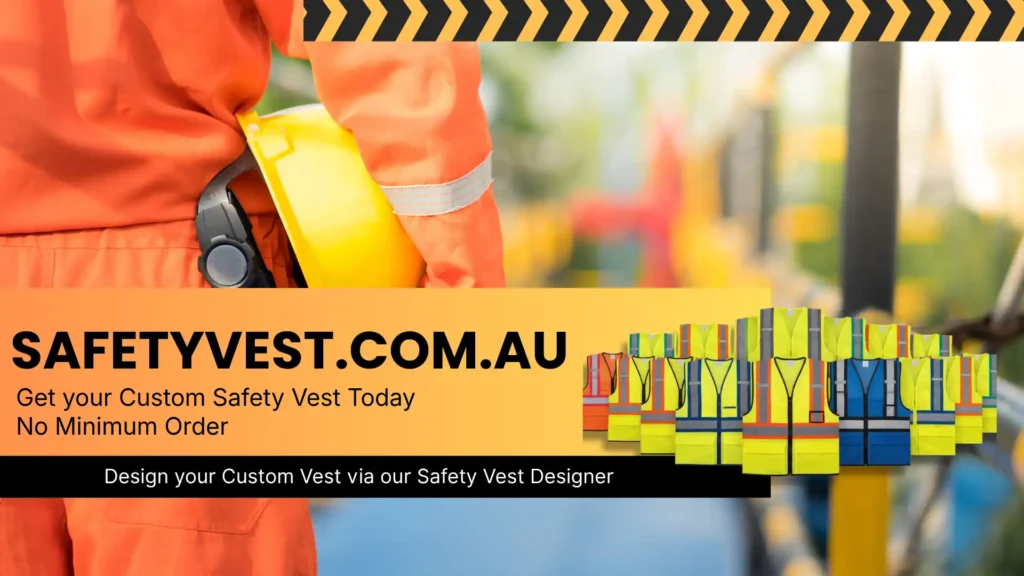
When the thermometer climbs above 30 °C on a construction site in Queensland, the last thing workers want is to feel like they’re wearing a sauna‑coated apron. Yet high‑visibility is non‑negotiable when you’re near moving plant or traffic. How can you keep crews visible and comfortable under the scorching sun? In this guide you’ll discover the top mesh and lightweight safety vests that beat the heat, what to look for when you choose them, and how they stay within Australian compliance. By the end, you’ll know exactly which vest will keep your team cool, safe, and legal throughout the summer months.
Contents
- What makes a summer‑ready safety vest essential?
- Practical breakdown: choosing the right mesh or lightweight vest
- Compliance and Australian standards
- Common mistakes or misconceptions on Australian worksites
- Industry‑specific context
- Frequently Asked Questions
- Choosing the right summer vest for your crew
What makes a summer‑ready safety vest essential?
A summer‑ready safety vest is a high‑visibility garment designed with breathable construction and lightweight materials, so workers stay cool without compromising on compliance.
Australian summers can push temperatures well above 35 °C, especially in regional and remote sites where shade is scarce. Traditional 100 % polyester hi‑vis vests trap heat, increasing risk of heat stress, dehydration, and reduced concentration. Mesh vests, with their open‑weave architecture, allow air to circulate while still delivering the fluorescent colours and retro‑reflective tape required by AS/NZS 4602.1:2011.
Beyond comfort, a vest that fits properly—available from XS to 7XL—ensures the reflective tape fully encircles the torso, meeting the mandatory 50 mm minimum width. A poorly fitted vest can expose skin, defeat the purpose of high‑visibility, and even lead to costly fines from SafeWork NSW or WorkSafe Victoria.
Practical breakdown: choosing the right mesh or lightweight vest
| Feature | Mesh Hi‑Vis Vest (breathable) | Classic Zip‑Front Hi‑Vis Vest (lightweight) |
|---|---|---|
| Material | Open‑weave polyester (air‑flow 30 % higher) | 100 % polyester, low‑weight knit |
| Best for | Hot, open sites – construction, mining camps, events | General site work where mesh isn’t required |
| Cooling benefit | Up to 4 °C lower skin temperature | Modest, but quicker drying |
| Customise | Screen print, DTF, heat transfer, embroidery | Same options, plus optional zip‑front |
| Colour options | Fluorescent yellow‑green OR orange‑red only | Same compliant colours |
| Price range (per unit) | $15–$22 | $12–$18 |
| Delivery (standard) | 5–7 business days, tracked | 5–7 business days, tracked |
How to pick the best fit for your crew:
- Assess the environment – If daily temps exceed 30 °C with limited shade, default to the Mesh Hi‑Vis Vest.
- Check the work‑type – Road crews using Class R garments need high‑coverage retro‑reflective tape; mesh styles can still meet this if the tape covers the full torso.
- Consider volume discounts – Ordering 100+ units drops the per‑vest cost by up to 12 %. No minimum order means you can trial a small batch first.
- Confirm customisation – Upload your logo in AI, EPS, PDF, PNG, or SVG for free screen print or embroidery via our live vest designer.
- Verify sizing – Use the online size guide; remember that a snug fit keeps the tape in the correct position.
By following these steps you’ll end up with a vest that doesn’t just survive the heat but actually improves worker morale and safety performance.
Compliance and Australian standards angle
Every high‑visibility garment sold in Australia must adhere to AS/NZS 4602.1:2011, which defines the colour, retro‑reflective performance, and minimum tape width. For mesh vests, the standard still applies to the reflective tape, not the base fabric, meaning the open weave is acceptable as long as the tape encircles the torso at a minimum of 50 mm.
If you operate in traffic‑control zones, the vest must also meet AS 1742.3, the roadwork garment standard. This mandates Class R coverage, which includes additional rear‑facing tape and often a higher flash‑intensity rating.
Fire‑risk environments, such as underground mining or gas‑processing sites, require AS/NZS 2980 flame‑resistant garments. While mesh isn’t typically used for FR vests, you can pair a lightweight Class D/N vest with an external FR jacket for layered protection.
Enforcement falls to state bodies like SafeWork NSW, WorkSafe Victoria, and WHS Queensland. Penalties for non‑compliant high‑visibility gear can reach the maximum Category 2 fine—$1.5 million for a body corporate in NSW—so ticking the compliance boxes isn’t optional.
Our compliance guide (see the Compliance Guide) outlines how each product line satisfies these standards, and our team can provide the necessary certificates on request.
Common mistakes or misconceptions on Australian worksites
-
“Any bright colour will do.”
The short answer is no. Only fluorescent yellow‑green and fluorescent orange‑red are approved under AS/NZS 4602.1. A bright lime T‑shirt might look vivid, but it won’t meet the legal colour requirement. -
“If the vest is cheap, it’s fine.”
Low‑cost vests often skimp on tape width or use non‑compliant reflective material. Under inspection, a 40 mm tape fails the 50 mm rule, exposing the employer to fines. -
“We can cut the tape to fit a smaller size.”
Cutting the retro‑reflective strips reduces optical performance and breaches the standard. Instead, order the correct size—our range from XS to 7XL ensures a proper fit for every body type. -
“Mesh isn’t as durable as solid fabric.”
Modern mesh is woven from high‑tenacity polyester that resists tearing and UV degradation. It may feel lighter, but its durability matches that of traditional hi‑vis fabrics when cared for correctly. -
“We don’t need a quote for a few vests.”
Even single‑vest orders are accepted with no setup fees, and you get the same fast 5–7 day delivery. Ordering a small batch first lets you test the comfort before scaling up.
Site managers who avoid these pitfalls often see fewer heat‑related incidents and stay clear of costly regulatory action.
Industry‑specific context
Construction & Building
A Sydney high‑rise crew reported a 15 % reduction in heat‑stress complaints after switching from a solid‑polyester vest to the Mesh Hi‑Vis Vest during the January‑February peak. The breathable design kept workers cool while still meeting Class D/N requirements for daytime tasks.
Traffic Control & Roads
Roadwork supervisors in regional Victoria rely on the Class R Traffic Control Vest, which combines high‑coverage retro‑reflective tape with a lightweight membrane layer. Even on hot days, the vest’s modest weight prevents overheating without sacrificing the mandatory 50 mm tape wrap.
Mining & Resources
Underground miners use flame‑resistant (FR) vests for arc‑rating compliance, but they layer a mesh hi‑vis jacket for added ventilation. This hybrid approach follows AS/NZS 2980 while still delivering the visibility needed for haul‑road traffic.
Events & Crowd Control
Outdoor festivals in Perth demand quick‑change vests for volunteers. The Mesh Hi‑Vis Vest’s zip‑front option allows rapid removal for cleaning, and its open weave prevents sweat buildup during long hours under stage lights.
Schools & Education
Kids’ Hi‑Vis Vests for school excursions are now offered in breathable mesh, keeping students comfortable on field trips while still meeting the same colour standards as adult garments.
Frequently Asked Questions
Q: Are mesh hi‑vis vests legal for roadwork?
A: Yes, provided the mesh vest carries Class R retro‑reflective tape that fully encircles the torso with a minimum width of 50 mm. It must also meet the colour requirements of AS/NZS 4602.1.
Q: How do I know which size to order for a mixed‑size crew?
A: Use our online size guide, which matches chest measurements to XS‑7XL. Because there’s no minimum order, you can order each size individually and still benefit from volume discounts at 25 + units.
Q: Can I add my company logo without extra cost?
A: Absolutely. We accept AI, EPS, PDF, PNG, or SVG files and apply screen print, DTF, heat transfer, or embroidery at no setup fee.
Q: What is the typical delivery time for customised vests?
A: Standard delivery is 5–7 business days across metro, regional, and remote Australia, with tracked shipping. Express options are available for urgent projects.
Q: Do mesh vests need special care when washing?
A: They can be machine‑washed on a gentle cycle with cold water. Avoid fabric softeners, as they can affect the reflective tape’s performance.
Choosing the right summer vest for your crew
Selecting a mesh or lightweight safety vest isn’t just about beating the heat—it’s about aligning comfort, compliance, and cost. Start by mapping your site’s temperature profile and the class of visibility required. Then match those needs to either the Mesh Hi‑Vis Vest for maximum breathability or the Classic Zip‑Front Hi‑Vis Vest for a lighter, still‑cool option.
Remember that no minimum order means you can trial a few vests before committing to a larger batch. Take advantage of our online live vest designer to visualise your branding instantly, and rest easy knowing that every garment ships with a certificate of compliance from the relevant AS/NZS standards.
For personalised advice, head to our Custom Safety Vests page or request a quote via the Contact Us form.
Conclusion
- Mesh hi‑vis vests provide up to 4 °C cooler skin temperatures while meeting all AS/NZS 4602.1 requirements.
- Choose the right class (D/N or R) and ensure the retro‑reflective tape is at least 50 mm wide and fully encircles the torso.
- Avoid common pitfalls—incorrect colour, tape width, or sizing—to stay compliant and protect your workers from heat stress and regulatory fines.
By investing in breathable, lightweight safety vests now, you’ll keep your team visible, comfortable, and compliant throughout the Australian summer. Ready to upgrade? Get a no‑obligation quote today through our Contact page or explore the full range on the Products site.