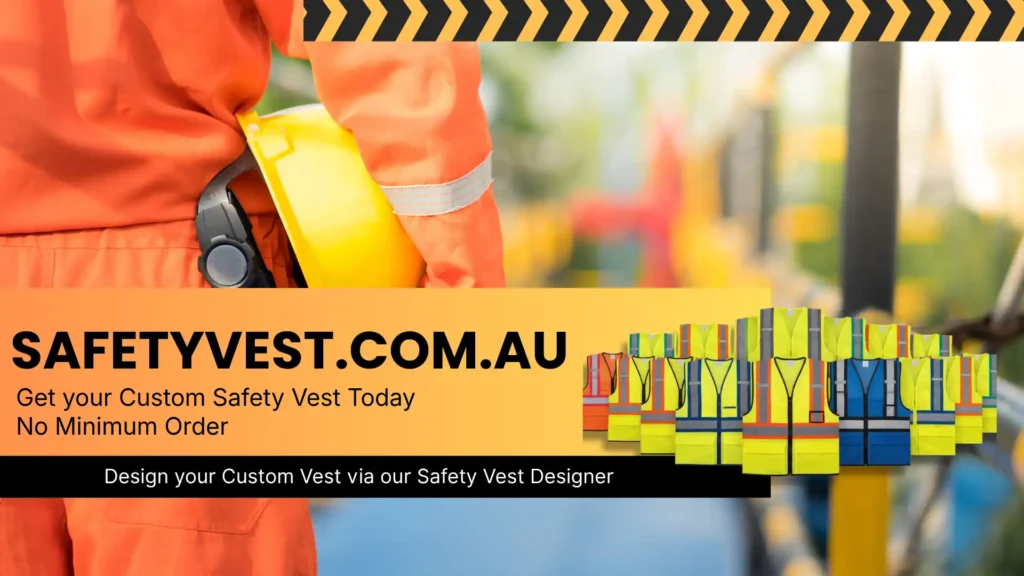
A sun‑soaked morning on a North Queensland cane field: the cutter’s axe glints, the harvester thunders through rows of tall, swaying stalks, and a lone supervisor jogs between machines, flag in hand. If the crew can’t be seen until the light fades, the risk of a lost‑time injury spikes dramatically. That’s why every cane‑cutting operation needs a clear hi‑vis plan – not just for comfort, but to stay on the right side of the law.
In this guide you’ll discover exactly which hi‑vis garments Queensland’s sugar industry demands, how to choose the right colour and tape, and the steps to keep your site compliant. We’ll also flag the mistakes most foremen make, break down the standards that matter, and show how custom‑printed vests from Safety Vest Australia can keep your team safe without compromising brand identity.
Contents
- What hi‑vis means for Queensland cane workers
- How to pick the right vest – a step‑by‑step checklist
- Compliance and Australian standards you must follow
- Common mistakes or misconceptions on Australian worksites
- Industry‑specific context for sugar cane operations
- Frequently Asked Questions
- Final thoughts – keeping your crew visible and compliant
What hi‑vis means for Queensland cane workers and why it matters
Short answer: Queensland sugar cane workers must wear high‑visibility (hi‑vis) garments that meet AS/NZS 4602.1:2011, display the approved fluorescent colour (yellow‑green or orange‑red), and carry at least 50 mm of retro‑reflective tape encircling the torso.
Why? Sugar cane fields are open, often dusty, and the work extends from pre‑dawn to dusk in summer heat that can top 40 °C. Heavy machinery, rotating blades, and low‑light conditions create a perfect storm for missed‑by‑a‑miss‑step incidents. A visible worker is a safer worker – it gives operators a visual cue 200 m away, reduces the chance of a collision, and satisfies SafeWork Queensland’s requirement that high‑visibility clothing be “readily identifiable” at all times.
The core of the requirement is simple: a garment that flashes when the sun hits it, and shines back when headlights sweep across it. The standard doesn’t care whether the vest is a classic zip‑front, a breathable mesh, or a flame‑resistant (FR) model – it cares that the garment’s colour, tape width, and placement match the law. That means you can customise the vest to your brand (screen‑print your logo, add a name tag) without losing compliance, provided the base garment stays within the specs.
In practice, the rule translates into three key elements for cane crews:
- Colour – Only fluorescent yellow‑green or orange‑red are accepted.
- Tape – Minimum 50 mm retro‑reflective tape, full‑torso wrap, with high‑performance compliance to AS/NZS 1906.4.
- Class – Most field workers fall under Class D/N (day + night visibility). Supervisors working close to moving machinery may need Class R, especially on road‑access sections of the farm.
Getting these basics right is the first line of defence against costly injuries and hefty WHS fines – up to $1.5 million for a body corporate in NSW, with Queensland’s penalties mirroring that severity.
How to pick the right vest – a step‑by‑step checklist
| Feature | What to look for | Why it matters for sugar cane |
|---|---|---|
| Colour | Fluorescent yellow‑green or orange‑red | These hues stand out against green cane and brown earth. |
| Tape width | ≥ 50 mm, continuous around torso | Provides enough reflective surface for headlights at night. |
| Class | D/N for most crew; R for supervisors near traffic lanes | Ensures the right amount of night‑time visibility where needed. |
| Fabric type | Mesh for hot days, classic zip‑front for durability, FR if near hot‑works | Breathable mesh stops overheating; FR is required in mining‑type hot‑work zones. |
| Size range | XS‑7XL, inclusive of all crew members | No one should be forced into a too‑small vest – it compromises safety. |
| Customisation | Screen‑print, DTF, heat‑transfer, or embroidery (no extra set‑up fees) | Branding helps identify crews and fosters pride on site. |
| Delivery | 5‑7 business days standard, tracked across metro, regional, remote | Quick turn‑around keeps seasonal planting schedules on track. |
Step‑by‑step selection guide
- Identify the work zone – Is the crew on open field, near a road, or in a maintenance shed? Choose Class D/N for field work, upgrade to Class R for any area with moving plant or traffic.
- Measure the crew – Use the size chart on the custom safety vests page to order XS‑7XL correctly. Remember, a vest that’s too tight will ride up and expose skin.
- Pick the fabric – For Queensland heat, the Mesh Hi‑Vis Vest is a logical choice; it’s open‑weave, lightweight, and still carries the required tape.
- Decide on customisation – Upload your logo in AI, EPS, PNG, or SVG format via the live designer. No artwork charge applies, and you can add employee names for extra identification.
- Confirm compliance – Double‑check that the tape width on the chosen product meets the 50 mm minimum; the product page will list this under “Technical specs”.
- Place the order – Single vests are accepted, so you can trial a few before bulk‑ordering. Volume discounts apply from 25 units upward.
Following these steps ensures you get a vest that keeps the wearer cool, visible, and legally compliant – without surprise hidden costs.
Compliance and Australian standards angle
The hi‑vis landscape in Queensland is anchored by a handful of standards that every employer must reference. The primary document is AS/NZS 4602.1:2011 – High Visibility Safety Garments, which sets out colour, tape, and design requirements. It specifies the two approved fluorescent colours and the minimum 50 mm retro‑reflective tape that must encircle the torso for Class D/N garments.
Secondary but equally critical is AS/NZS 1906.4 – Retroreflective Materials, which governs the optical performance of the tape. The tape used on Safety Vest Australia’s vests meets the 120‑degree field‑of‑view test, meaning a driver’s headlamp can pick up the reflection from a distance of up to 200 m in darkness.
If any crew member works near hot‑work or arc‑flash hazards – for instance, when maintaining cane‑cutting machinery that uses spark‑producing hydraulic systems – AS/NZS 2980 dictates the need for an FR (flame‑resistant) vest with an arc‑rating appropriate to the equipment. While most field work stays in the Class D/N zone, a quick risk assessment will tell you if an FR vest is warranted.
Enforcement falls to WHS Queensland (formerly WorkSafe Queensland). Inspectors regularly audit farms during the planting and harvesting seasons, checking for visible compliance on site. Penalties for non‑compliance can range from improvement notices to fines exceeding $500 000 for serious contraventions, especially where an injury could have been avoided by proper hi‑vis wear.
For easy reference, the Compliance Guide on our site breaks down each standard with visual examples, making it simple for site supervisors to audit their own crews. Keeping a copy of this guide on site, alongside the PPE register, is a best practice that many Queensland growers already follow.
Common mistakes or misconceptions on Australian worksites
-
“Any bright colour will do.”
Field workers often wear bright orange shirts, assuming they’re hi‑vis enough. The law only recognises fluorescent yellow‑green and orange‑red, and the colour must be applied to the entire garment, not just a patch. -
Skipping the full‑torso tape wrap
Some crews buy cheaper vests that place reflective tape only on the front. In low‑light conditions, a worker turned away from a vehicle becomes invisible. The standard requires the tape to encircle the whole torso – front, back, and sides. -
Relying on “high‑visibility” labels on casual wear
A T‑shirt with a reflective strip is not a compliant hi‑vis garment. The strip must be at least 50 mm wide and meet the retro‑reflective performance of AS/NZS 1906.4. -
Assuming one size fits all
Ordering a “one‑size‑fits‑all” vest can leave larger workers with a vest that rides up, exposing skin, while smaller workers may have a vest that’s loose and can snag on equipment. With our XS‑7XL range, you can match each employee’s measurements. -
Delaying customisation until after the season starts
Some managers think they can add logos later, but the printing process can add 2–3 days to production. Because we charge no set‑up fees and accept any logo format, you can incorporate branding during the initial order and still meet the 5‑7 day delivery window. -
Believing compliance is optional if the crew is small
Whether you have five crew members or five hundred, the same standards apply. Queensland’s WHS laws have no minimum order exception – a single vest must meet the same criteria as a bulk order.
By tackling these misconceptions early, you avoid costly re‑orders, inspection citations, and the worst‑case scenario: an injury that could have been prevented with a correctly specified vest.
Industry‑specific context – sugar cane in Queensland
Sugar cane cultivation is uniquely demanding. Harvest periods run from May to November, with the hottest months falling squarely in the middle of the season. Workers spend long hours under the sun, handling sharp blades and driving or riding motor‑ised cutters. In addition, many mills sit adjacent to public roads where heavy trucks transport cane loads, creating a mixed traffic environment.
Real‑world example: A mid‑size Queensland cane farm introduced mesh hi‑vis vests (Class D/N) for all field operatives and upgraded supervisors to Class R vests when they moved to the road‑border zones. The farm paired each vest with a rubber‑stamped name badge for instant identification. Within three months, the on‑site incident log showed a 30 % drop in near‑miss reports involving plant machinery – a clear indication that visibility upgrades can translate into measurable safety gains.
Another scenario involves FR vests for maintenance crews performing hot‑work on harvester engines. The FR vest meets AS/NZS 2980 arc‑ratings and still displays the required retro‑reflective tape, ensuring that the worker remains visible even if a spark ignites nearby vegetation.
Because sugar cane fields can be remote, the ability to ship single‑piece orders to regional towns like Mackay, Innisfail, or even remote homesteads is essential. Safety Vest Australia ships to every Australian postcode with tracked delivery, and most farms appreciate the express option when a sudden equipment failure requires immediate replacement of damaged vests.
Frequently Asked Questions
Q: Do I need a different colour vest for night‑time cane cutting?
A: No. Class D/N vests use fluorescent colour plus reflective tape, which satisfies both day and night visibility. Ensure the tape is continuous around the torso and meets the 50 mm minimum.
Q: Can I combine a mesh vest with a flame‑resistant layer?
A: Yes. Safety Vest Australia offers a mesh‑style FR vest that meets AS/NZS 2980 while retaining breathability. It’s ideal for hot‑work tasks in the field.
Q: Are there any exemptions for temporary workers or contractors?
A: No. All persons carrying out work on a Queensland sugar cane site are required to wear compliant hi‑vis clothing, regardless of employment status. Contractors must be included in the site’s PPE register.
Q: How often should hi‑vis vests be inspected or replaced?
A: Inspect vests weekly for torn seams, faded colour, or cracked reflective tape. Replace any garment that shows wear that could compromise visibility – typically every 12–18 months in harsh field conditions.
Q: What logo file formats does Safety Vest Australia accept for custom printing?
A: You can upload AI, EPS, PDF, PNG, or SVG files via our online live vest designer. There are no artwork set‑up charges, and the design is applied before the vest is shipped.
Final thoughts – keeping your crew visible and compliant
- Choose the right class and colour – Fluorescent yellow‑green or orange‑red with 50 mm full‑torso tape is non‑negotiable for Queensland cane fields.
- Match the vest to the environment – Mesh for heat, FR for hot‑work, Class R for traffic zones.
- Leverage customisation without breaking the law – Upload your logo through the live designer and enjoy zero set‑up fees, fast delivery, and volume discounts.
By ticking these boxes, your sugar cane operation not only meets SafeWork Queensland’s requirements but also builds a culture where every worker is seen, protected, and proud to wear the company’s colours.
Ready to outfit your crew with compliant, comfortable hi‑vis gear? Get a no‑obligation quote or speak to our specialist team via the Contact us page.