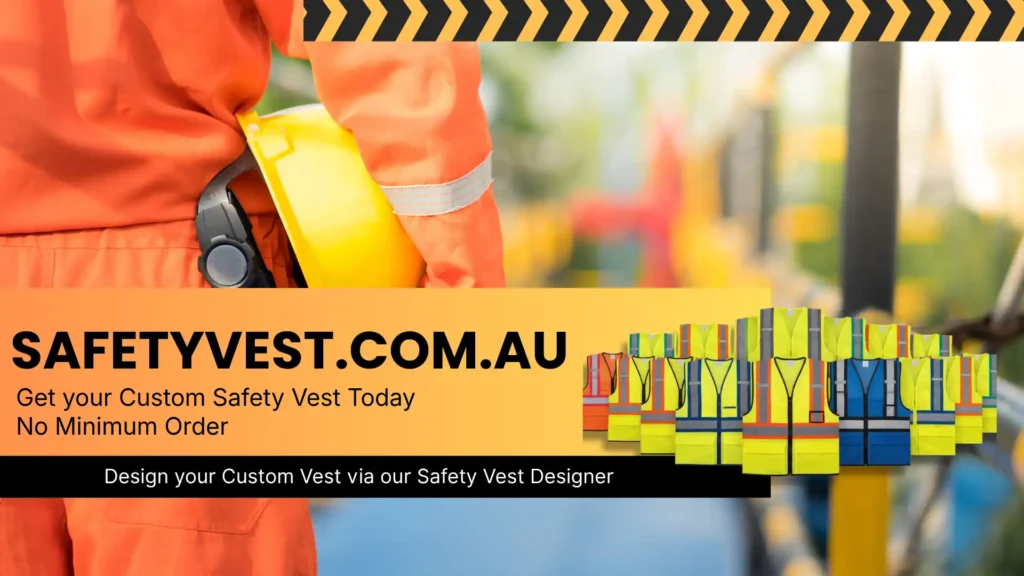
When an Optus field crew climbs a utility pole on a gusty Melbourne morning, the last thing they want to worry about is whether their vest will keep them visible to passing traffic. Yet the simple splash of fluorescent orange‑red on a high‑visibility vest can be the difference between a smooth install and a costly WHS breach. In this guide you’ll discover exactly what hi‑vis standards apply to Optus network technicians, how to pick the right garment for day‑and‑night work, and the pitfalls that most site managers overlook. By the end, you’ll know how to stay compliant, keep crews safe, and avoid the fines that can hit a body corporate with up to $1.5 million in penalties.
Contents
- What hi‑vis safety means for Optus technicians
- Step‑by‑step: choosing the right vest for the job
- Compliance and Australian standards you must meet
- Common mistakes on Australian worksites
- Industry‑specific context: telecom, construction, and more
- Frequently Asked Questions
- Key take‑aways and next steps
What hi‑vis safety means for Optus technicians
Featured snippet: Optus network technicians must wear a Class D/N high‑visibility vest (fluorescent yellow‑green or orange‑red with a minimum of 50 mm retro‑reflective tape encircling the torso) for all field work, both day and night, to comply with AS/NZS 4602.1:2011 and the requirements of SafeWork NSW, WorkSafe Victoria and WHS Queensland.
Why does it matter? Telecom crews operate on streets, near live traffic, and often in low‑light conditions while installing or repairing fibre, copper and 5G equipment. A vest that meets the Class D/N criteria ensures the wearer is seen from at least 200 m during daylight and up to 300 m when headlights flash at night. The colour, tape width and placement are not optional decorations – they are legal requirements that protect workers and the employer from serious injury and hefty fines.
The primary hi‑vis standard for Optus technicians is AS/NZS 4602.1:2011 High Visibility Safety Garments. This standard defines the garment classes, colour palettes, and retro‑reflective tape specifications. For work that involves any interaction with moving vehicles, the more stringent Class R (as per AS 1742.3) applies, but most telecom tasks fall under Class D/N because the work is usually confined to the side of the road rather than directly on traffic lanes.
In practice, the vest must:
- Be made from the approved fluorescent yellow‑green or orange‑red base colour.
- Feature at least 50 mm of retro‑reflective tape that wraps fully around the torso, front and back.
- Include additional 50 mm strips on the sleeves for extra night‑time visibility when the work area is near moving traffic.
Using a vest that meets these criteria dramatically reduces the risk of a vehicle driver missing a crew member in the dark – a scenario that has led to numerous WHS investigations across the country.
Step‑by‑step: choosing the right vest for the job
- Identify the work environment – Is the technician climbing poles on a quiet residential street or installing equipment on a busy highway?
- Select the vest class –
- Class D/N for most day‑and‑night field work.
- Class R only when the crew works within 3 m of live traffic on a roadwork site.
- Pick the colour – Fluorescent yellow‑green for high‑contrast daytime visibility, or fluorescent orange‑red for environments where yellow might blend with surrounding signage.
- Check tape width and placement – Minimum 50 mm, encircling the torso and extending onto both sleeves.
- Confirm size and fit – Optus technicians range from XS to 7XL; a snug but comfortable fit prevents the vest from riding up or bunching.
- Decide on customisation – Add the Optus logo via screen print, DTF or embroidery; ensure the artwork file is AI, EPS, PDF, PNG or SVG.
- Order with a supplier that offers no‑minimums and tracked delivery – You can order a single vest for a new hire and receive it within 5–7 business days.
| Vest type (SafetyVest) | Class | Colour | Tape width | Pocket count | Ideal for |
|---|---|---|---|---|---|
| Classic Zip‑Front Hi‑Vis Vest | D/N | Yellow‑green / Orange‑red | 50 mm (full‑torso) | 2 (front) | General field work |
| Mesh Hi‑Vis Vest | D/N | Same as above | 50 mm (full‑torso) | 2 (front) | Hot summer days |
| Surveyor Multi‑Pocket Vest | D/N | Same as above | 50 mm (full‑torso) + sleeves | 10+ | Engineers & supervisors |
| Flame‑Resistant (FR) Vest | D/N (arc‑rated) | Yellow‑green | 50 mm | 2 (front) | Mining or gas‑related telecom sites |
| Traffic Control Vest | R | Orange‑red | 50 mm (full‑torso) + sleeves | 2 (front) | Work directly on traffic lanes |
| Kids Hi‑Vis Vest | D/N | Yellow‑green | 50 mm (full‑torso) | 1 (front) | Work‑experience programmes |
The right choice hinges on the combination of class, colour, and comfort. For most Optus crews, the Classic Zip‑Front Hi‑Vis Vest offers a balance of durability and ease of removal when climbing. In summer, the Mesh Hi‑Vis Vest prevents overheating while still meeting the tape requirements.
Compliance and Australian standards you must meet
Optus, like any telecommunications provider, falls under the jurisdiction of state WHS regulators. The key legislation references are:
- AS/NZS 4602.1:2011 – defines Class D, D/N and R garments, colour limits, and minimum retro‑reflective tape dimensions.
- AS/NZS 1906.4 – governs the optical performance of retro‑reflective tape; ensures the tape reflects enough light to be seen at the required distances.
- AS 1742.3 – applies when work occurs on or near live traffic; mandates Class R garments with high‑coverage tape.
Enforcement bodies such as SafeWork NSW, WorkSafe Victoria and WHS Queensland routinely audit contractors on construction sites, including telecom works. A breach of the hi‑vis requirement can trigger an improvement notice, followed by an on‑the‑spot penalty of up to $1.5 million for a body corporate in NSW.
One practical way to stay compliant is to keep a Compliance Guide on hand – the SafetyVest compliance guide (https://safetyvest.com.au/compliance-guide) outlines the exact measurements and colour specifications required by each standard. When ordering, request a certificate of compliance from your supplier; reputable vendors will provide documentation that the vest conforms to AS/NZS 4602.1.
Remember, compliance isn’t a one‑off checkbox. Every new batch of vests should be inspected for:
- Correct colour batch (fluorescent shades fade over time).
- Tape integrity – no peeling or cracking.
- Accurate size labelling – mis‑sized vests can lead to non‑conformance if the garment rides up.
Common mistakes on Australian worksites
Here’s why many site managers get it wrong:
- Assuming any hi‑vis vest will do. A cheap “workwear” vest might be bright but lack the mandated 50 mm retro‑reflective tape that wraps the torso. Without that full‑torso coverage, the garment fails the Class D/N test.
- Using the wrong colour for the task. Orange‑red is prescribed for high‑risk traffic zones; yellow‑green is preferred where the environment already contains orange signage. Switching colours mid‑project can create confusion for both workers and motorists.
- Neglecting sleeve tape. For Optus crews working near traffic, the standard requires reflective tape on the sleeves as well as the torso. A vest without sleeve strips may still be legal for pure daytime work, but it won’t meet the Class R requirements if the crew is ever moved onto a live road.
- Relying on “one‑size‑fits‑all.” An ill‑fitting vest compromises visibility; loose fabric can billow, exposing less reflective surface. Conversely, a vest that’s too tight can restrict movement when climbing ladders or pole‑top platforms.
- Skipping the paperwork. Failing to keep compliance certificates or delivery receipts can make it harder to prove you met the standards during a regulator audit.
Addressing these issues early—by ordering from a supplier that offers no minimum order, tracked delivery, and online live vest designer—keeps the paperwork tidy and the crew properly clad.
Industry‑specific context
Telecom (Optus)
Optus field technicians often work on FTTx (Fibre to the x) deployments, which involve digging trenches, installing pole‑top cabinets, and splicing fibre in confined pits. The Classic Zip‑Front Hi‑Vis Vest with custom Optus embroidery satisfies the Class D/N requirement while allowing easy removal when a technician needs to crawl into a pit.
Construction & Building
When a telecom subcontractor partners with a builder on a high‑rise project, the crew may be required to wear Class R traffic control vests while operating near delivery trucks on site. In these cases, the Traffic Control Vest from SafetyVest, featuring higher‑coverage retro‑reflective tape, meets both the construction site’s and the road authority’s standards.
Mining & Resources
In remote mining sites that also support communications infrastructure, a Flame‑Resistant (FR) Vest complying with AS/NZS 2980 is essential. Optus technicians installing wireless repeaters in underground tunnels need arc‑rated protection as well as hi‑vis visibility.
Across all these sectors, the ability to order a single custom‑printed vest means a new hire can receive their uniform on day one, rather than waiting for a bulk order to arrive. With standard delivery in 5–7 business days and express options for urgent projects, downtime is minimised.
Frequently Asked Questions
Q: Do Optus technicians need a Class R vest if they’re only on the footpath?
A: No. For work confined to the footpath or on a utility pole set back from the carriageway, a Class D/N vest satisfies the requirement. Class R is only mandatory when the crew works within 3 m of moving traffic on a roadwork site.
Q: Can I use an older hi‑vis vest that’s still bright?
A: Only if the vest still meets the 50 mm tape width and colour standards. Fluorescent colours degrade after roughly 2–3 years of exposure to sunlight, so regular inspections are vital.
Q: What customisation options are available for the Optus logo?
A: SafetyVest offers screen print, DTF, heat transfer, and embroidery. All file formats—AI, EPS, PDF, PNG, SVG—are accepted, and there are no setup or artwork charges.
Q: Are there size limits for hi‑vis vests?
A: No. SafetyVest supplies sizes from XS to 7XL, ensuring every crew member—from apprentices to senior engineers—gets a proper fit.
Q: How quickly can I get a batch of custom vests for a new project?
A: Standard delivery is 5–7 business days across Australia, including metro, regional and remote locations. Express shipping is also available if the deadline is tighter.
Key take‑aways and next steps
- Optus field crews must wear a Class D/N hi‑vis vest with at least 50 mm retro‑reflective tape encircling the torso, in either fluorescent yellow‑green or orange‑red.
- Match the vest class to the work environment – use Class R only when operating directly alongside live traffic; otherwise, Class D/N is sufficient.
- Avoid common pitfalls by checking colour, tape coverage, sleeve strips, and fit, and keep compliance certificates on file.
Choosing the right garment doesn’t have to be a headache. With a supplier that offers no‑minimum orders, tracked delivery, and an online live vest designer, you can get compliant, custom‑branded vests shipped to any Australian site in under a week. Need a quote or want to design your crew’s vest now? Visit the Contact us page or explore the custom safety vests options today.