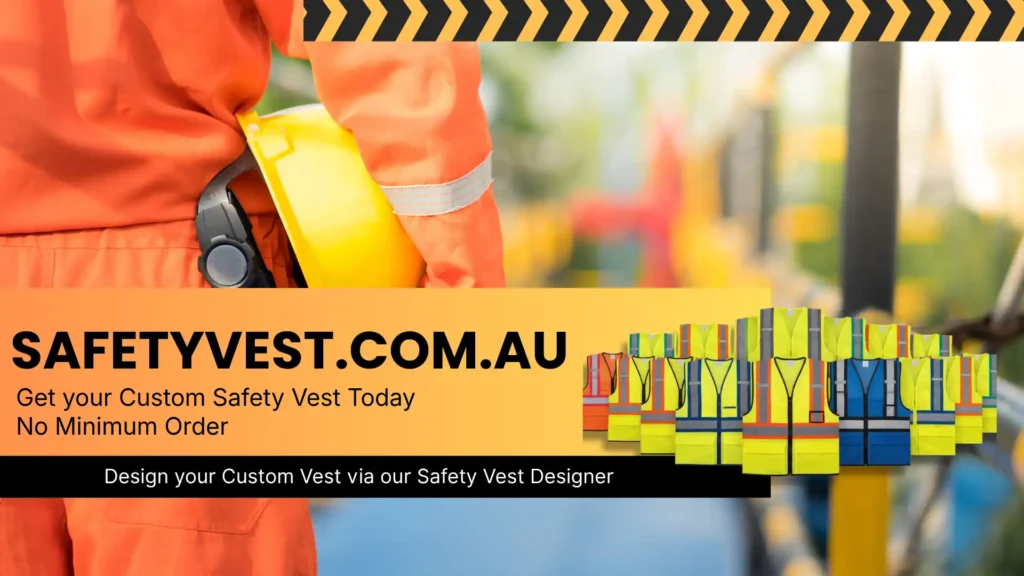
When the site foreman gathers the crew each morning, the first thing he checks isn’t the daily schedule – it’s whether every worker is wearing the right hi‑vis vest. A missing or wrong‑colour vest can halt a lift, attract a fine, or, worse, cause an accident. The reality is that many Australian workplaces still rely on ad‑hoc ordering from general office supply stores, which leads to mismatched colours, delayed deliveries, and hidden costs.
Setting up a dedicated safety vest supplier account can turn that chaos into a smooth, predictable process. In this guide you’ll learn how to create an account with a specialist like Custom Safety Vest AU, what to look for in the ordering workflow, how Australian standards shape each purchase, and the pitfalls that site managers often overlook. By the end, you’ll have a step‑by‑step roadmap that keeps your team compliant, your budget under control, and your deliveries on time.
Contents
- What a safety vest supplier account is and why it matters
- Practical breakdown: steps to set up your account (with a numbered list)
- Compliance and Australian standards angle
- Common mistakes or misconceptions on Australian worksites
- Industry‑specific context
- Frequently Asked Questions
- Final thoughts
What a safety vest supplier account is and why it matters
A safety vest supplier account is a specialised buying portal that lets you order hi‑vis garments directly from a certified manufacturer, with built‑in pricing tiers, custom‑branding options and compliance checking.
Why does it matter? Because a dedicated account removes the guesswork from every purchase. Instead of chasing quotes, you log in, select the vest class, upload your logo, and the system instantly shows you the price for the quantity you need. The account also stores your size range—from XS to 7XL—so you never have to re‑enter data. Most importantly, the supplier guarantees that every vest meets the relevant AS/NZS standards, so you stay on the right side of SafeWork NSW, WorkSafe Victoria and WHS Queensland inspections.
The advantages stack up quickly. First, you lock in volume discounts (25‑unit, 50‑unit, 100‑unit tiers, with deeper cuts for 500+). Second, you eliminate setup fees and hidden artwork charges – the only extra you’ll see is the cost of the custom method you choose, be it screen print, DTF or embroidery. Third, you gain a predictable delivery rhythm: standard 5–7 business days, tracked across metro, regional and remote locations, with express options when a site needs a last‑minute top‑up.
In short, a safety vest supplier account is the backbone of a reliable, compliant, and cost‑effective hi‑vis programme.
Practical breakdown: steps to set up your account
-
Identify your vest requirements
- List the vest classes needed (Class D/N for construction, Class R for traffic control, FR for mining).
- Note any special features – mesh for hot conditions, multi‑pocket for supervisors, kids’ sizes for school programmes.
-
Choose a specialist supplier
- Look for a Australian‑based manufacturer that offers a live online vest designer, no minimum order and a full size range.
- Verify that they ship nationwide and provide tracked delivery.
-
Create the online account
- Visit the supplier’s “Contact Us” or “Get a Quote” page and fill in your business details.
- Set up a user name and password; you’ll receive a verification email within minutes.
-
Upload your branding assets
- Accepted formats include AI, EPS, PDF, PNG and SVG.
- Decide on the custom method (screen print for bold logos, embroidery for a premium look, DTF for full‑colour artwork).
-
Enter sizing and quantity data
- Input sizes from XS to 7XL, matching each worker’s measurement.
- Apply the relevant volume discount tier; the system will automatically recalculate the net price.
-
Review compliance details
- Check that the selected vest class complies with AS/NZS 4602.1:2011 and, where applicable, AS 1742.3 or AS 2980.
- Use the built‑in compliance guide link to confirm retroreflective tape width (minimum 50 mm) and colour (fluorescent yellow‑green or orange‑red only).
-
Place the order and schedule delivery
- Choose standard (5–7 days) or express shipping.
- Add any special delivery instructions for remote sites; the system will generate a tracked consignment number.
-
Set up recurring order templates
- Save the current order as a template for future re‑orders.
- Enable automatic reminders so you never run out of stock on a critical shift.
-
Monitor and audit
- Use the account dashboard to review order history, spend, and compliance certificates.
- Export reports for your WHS audit trail.
Following these nine steps takes less than an hour, yet it builds a repeatable process that can service a single site or a nationwide fleet of crews.
Compliance and Australian standards angle
Australian workplaces are governed by a suite of standards that dictate exactly how a hi‑vis vest must be constructed. The cornerstone is AS/NZS 4602.1:2011, which outlines the performance of high‑visibility safety garments. It sets the colour palette (fluorescent yellow‑green or orange‑red), the minimum retroreflective tape width (50 mm), and the requirement for the tape to encircle the full torso.
For traffic‑control environments, AS 1742.3 adds a higher‑visibility Class R requirement, with larger tape zones and a mandated reflective area covering at least 50 % of the garment’s surface. Mines and gas‑industry sites look to AS/NZS 2980 for flame‑resistant (FR) vests, ensuring the garment can withstand arc flashes and stay intact long enough for the worker to escape.
Enforcement falls to state bodies such as SafeWork NSW, WorkSafe Victoria, and WHS Queensland. Penalties for non‑compliance can reach $1.5 million for a Category 2 breach in NSW, so a single non‑conforming vest can become a costly liability.
When you set up a supplier account with Custom Safety Vest AU, the compliance guide built into the ordering portal cross‑references each vest class with the appropriate standard. The system automatically flags any deviation—say, a Class D vest with insufficient tape width—before the order is submitted. Once the vests are manufactured, the supplier provides a compliance certificate that cites the exact AS/NZS sections met, ready to be attached to your site safety file.
Common mistakes or misconceptions on Australian worksites
-
“A bright colour is enough.”
Many site managers assume that any fluorescent vest will satisfy the law. The short answer is that colour alone doesn’t guarantee compliance; you also need the correct retroreflective tape width and placement. A vest that’s bright but lacks the 50 mm tape will fail an audit under AS/NZS 4602.1. -
“We can reuse the same vest forever.”
Wear and tear reduces reflective performance. Over time, the tape can feather or the fabric can fade, especially in marine or dusty environments. Best practice is a visual inspection every six months and a full replacement every 12–18 months, depending on usage. -
“Ordering from a generic office supplier saves money.”
Bulk discounts sound attractive, but generic suppliers often charge setup fees for logo work and may not guarantee the correct class. In the long run, hidden costs and non‑compliant vests erode any initial savings. -
“One size fits all.”
A common field‑level error is to order a single size and ask workers to adjust. Poor fit compromises visibility and comfort, leading to workers removing the vest – a serious safety breach. -
“We don’t need to keep records.”
WHS auditors expect to see a register of vest purchases, sizes, and compliance certificates. Without an account‑based record, you’ll be scrambling for paperwork when an incident occurs.
By addressing these misconceptions early, you avoid costly re‑orders, audit findings, and, most importantly, keep your crew visible and safe.
Industry‑specific context
Construction & Building – A multi‑story build in Sydney’s CBD requires a mix of Class D/N vests for daytime labour and Class R vests for traffic controllers working near the central business district’s live lanes. Using a supplier account, the site manager can order 150 Class D/N Classic Zip‑Front vests in fluorescent yellow‑green, plus 30 Class R Traffic Control vests with 100 % retro‑reflective coverage, all delivered within a week to the site’s on‑site store.
Mining & Resources – At a Western Australian open‑cut mine, workers need FR vests that meet AS/NZS 2980. The supplier account allows the mining engineer to upload the company’s UV‑resistant logo for embroidery, select arc‑rated fabric, and schedule a quarterly delivery to the remote camp. Volume discounts kick in at 100 units, meaning the operation saves thousands over the year.
Events & Crowd Control – A music festival in Brisbane hires temporary security staff. Kids‑size hi‑vis vests (sizes 4–14) are ordered for volunteer youth marshals, while the Surveyor Multi‑Pocket Vest keeps the senior crew’s tools within reach. Because the festival runs over a long weekend, the organiser sets up a recurring order template to top‑up stock two days before each event day, ensuring no gaps in coverage.
These examples illustrate how a single supplier account can flex to the unique demands of disparate sectors, while maintaining compliance and cost‑effectiveness.
Frequently Asked Questions
Q: Can I order a single custom vest without committing to a large quantity?
A: Yes. Custom Safety Vest AU accepts single‑vest orders with no minimum, so you can try a sample before placing a bulk purchase.
Q: How do I know which vest class is needed for my site?
A: Refer to the compliance guide on the supplier’s website. Generally, Class D/N covers most construction tasks, Class R is mandatory for any work near live traffic, and FR is required in mining or gas‑related environments.
Q: What file format should I use for my logo?
A: The system accepts AI, EPS, PDF, PNG and SVG. Vector formats (AI, EPS, SVG) give the sharpest result for screen print or embroidery.
Q: Are there any hidden fees for artwork or set‑up?
A: No. The supplier advertises zero set‑up or artwork charges. You only pay for the chosen custom method – screen print, DTF, heat transfer or embroidery.
Q: How long does delivery take to a remote outback site?
A: Standard delivery is 5–7 business days across Australia, including remote locations, with a tracked consignment. Express shipping is available for an additional fee if you need it sooner.
Final thoughts
Setting up a safety vest supplier account transforms hi‑vis procurement from a reactive scramble into a proactive, compliant programme. The three key takeaways are:
- Create a centralised account to lock in volume discounts, store branding assets and automate repeat orders.
- Align every purchase with the relevant AS/NZS standards and keep compliance certificates on file for WHS audits.
- Avoid common field pitfalls – such as mismatched colours, worn‑out tape and inadequate record‑keeping – by using the supplier’s built‑in compliance checks and audit‑ready reporting.
When you’re ready to streamline your vest ordering, start the conversation with a specialist who understands Australian safety requirements. Reach out via the contact page or explore the custom safety vest designer to see how easy the process can be.