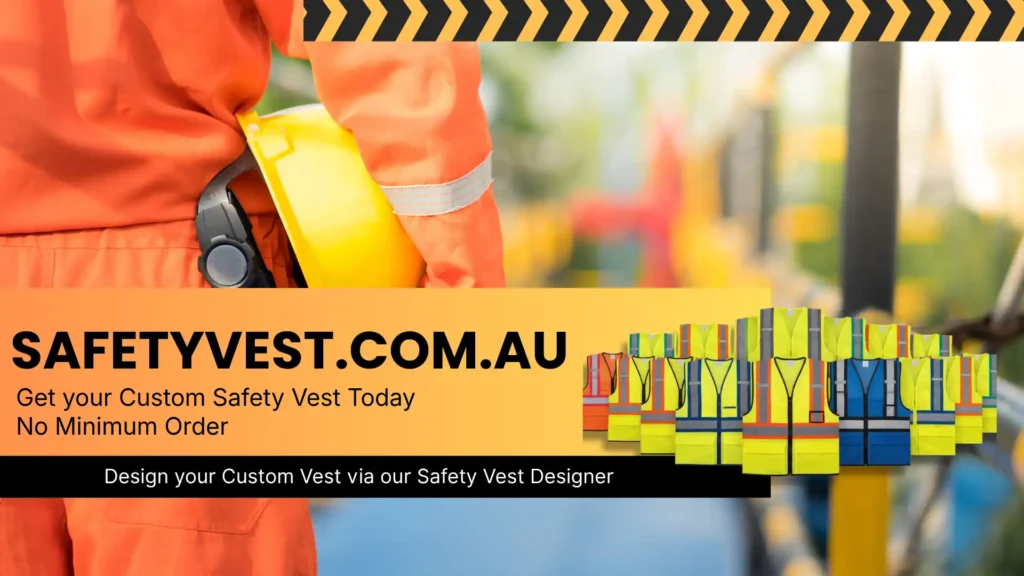
When a forklift wheels past a conveyor of shredded cardboard, a worker in the back‑of‑house aisle leans over to inspect a jam. In that split second the bright yellow‑green of a high‑visibility vest can be the difference between a near‑miss and a serious injury. Recycling plants – with their moving machinery, low lighting and dusty atmosphere – demand more than a cheap “look‑good” shirt. In the next few minutes you’ll discover why the right safety vest matters, which features to prioritise, how Australian standards apply, and what pitfalls site managers commonly fall into. By the end you’ll be able to choose a compliant, comfortable vest that keeps your crew visible on the grind of the recycling loop.
Contents
- What makes a recycling‑plant safety vest essential?
- Choosing the right vest: a step‑by‑step guide
- Compliance and Australian standards for hi‑vis wear
- Common mistakes on Australian worksites
- Industry‑specific context: recycling, construction and beyond
- Frequently Asked Questions
- Key takeaways and next steps
What makes a recycling‑plant safety vest essential?
A recycling plant vest must combine high‑visibility colour, full‑torso retro‑reflective tape and durability for harsh, dusty conditions.
Why does that matter? Workers are often positioned behind conveyor belts, near grinding mills or inside low‑light sorting bays. Daylight can be filtered through skylights, while night shifts rely on artificial lighting that may flicker. A vest that meets the Class D/N requirement – fluorescent yellow‑green or orange‑red fabric with at least 50 mm of reflective tape encircling the torso – ensures a worker is seen from 200 m in daylight and from 150 m when headlights flash.
Beyond visibility, the vest needs to breathe. Open‑weave mesh designs let sweat escape, reducing the risk of heat stress during summer shifts in Queensland or Western Australia. Reinforced stitching protects against snagging on conveyor frames, and pockets keep tools within reach without compromising the reflective surface.
In short, the right safety vest protects the individual and reduces the likelihood of costly plant shutdowns caused by accidents.
Choosing the right vest: a step‑by‑step guide
| Feature | What to look for | Why it matters for recycling work |
|---|---|---|
| Vest class | Class D/N (day + night) | Provides both bright colour and reflective tape for all shifts |
| Fabric type | Mesh hi‑vis or breathable polyester | Keeps workers cool in hot, humid environments |
| Tape width & placement | Minimum 50 mm, full‑torso wrap | Guarantees required retro‑reflectivity around the sides and back |
| Pocket layout | 2–4 large pockets, optional utility loops | Allows tools, radios and PPE to be stored safely |
| Durability | Double‑stitched seams, abrasion‑resistant panels | Withstands snagging on metal frames and frequent wash cycles |
| Custom branding | Screen print, heat transfer or embroidery (no extra setup fee) | Promotes company identity while staying compliant |
| Size range | XS to 7XL | Accommodates every crew member, from apprentice to senior supervisor |
| Order flexibility | No minimum order, single‑vest option | Ideal for small plant upgrades or trial runs |
Step‑by‑step selection process
- Identify the work environment – Is the area primarily indoor with low light, or outdoor with bright sun? Choose mesh for heat, classic zip‑front for cooler zones.
- Determine the required vest class – Most recycling sites need Class D/N; if workers regularly cross roadways to unload trucks, upgrade to Class R.
- Measure your crew – Use the online live vest designer on our site to input chest and torso measurements; the tool shows how each size fits.
- Select customisation – Upload your logo in AI, EPS, PNG, PDF or SVG format. Our screen‑print and embroidery options carry no artwork charges.
- Request a quote – With volume discounts at 25, 50, 100 and 500+ units, you can instantly see price breaks. We ship to metro, regional and remote locations with tracked delivery in 5–7 business days (express available).
By following these steps you’ll end up with a vest that satisfies safety, comfort and brand needs without hidden fees.
Compliance and Australian standards for hi‑vis wear
The short answer is: every recycling‑plant safety vest must comply with AS/NZS 4602.1:2011 – the primary high‑visibility garment standard. This standard dictates colour, reflective tape width, placement and performance testing. For reflective tape, AS/NZS 1906.4 sets the optical performance criteria; the tape must achieve a minimum retro‑reflectivity of 140 cd/(lux·sr) in the 400–700 nm waveband.
In a recycling setting, the SafeWork NSW, WorkSafe Victoria, and WHS Queensland are the enforcement bodies that may inspect your site. If a non‑compliant vest is found, penalties can climb to the WHS Category 2 maximum – $1.5 million for a body corporate in NSW.
Our compliance guide page (Compliance guide) breaks down each requirement in plain English, but here are the essentials for a recycling plant:
- Colour – Only fluorescent yellow‑green or orange‑red are accepted. Plain neon shades without reflection are not sufficient for night work.
- Reflective tape – At least 50 mm wide, placed around the entire torso, with secondary strips on the sleeves if the vest is sleeved.
- Class designation – Class D/N for most indoor/outdoor plant work; Class R if the vest is worn near moving plant traffic or public roadways.
- Arc‑rating – Typically unnecessary in recycling, but if workers also serve a mining‑related division, consider a FR vest meeting AS/NZS 2980.
By sourcing vests that meet these standards, you protect your workers and stay on the right side of the regulator.
Common mistakes on Australian worksites
Here’s the thing: many site managers assume that any bright‑coloured shirt will do the job. The reality on the ground tells a different story.
- Relying on colour alone – A plain fluorescent shirt without retro‑reflective tape looks invisible under a forklift’s headlights. The tape is what makes the vest “see‑through” the darkness.
- Skipping the fit test – A vest that is too loose can flap, exposing the wearer’s back, while one that is too tight may restrict movement and cause heat stress. Conduct a quick “walk‑about” test at the end of a shift to spot issues.
- Using the wrong class – Some supervisors downgrade to Class D for cost reasons, forgetting that night shifts or low‑light sorting bays still require reflective tape.
- Ignoring pocket placement – Poorly positioned pockets can push the reflective tape outward, creating blind spots. Choose vests with pockets that sit within the tape’s coverage area.
- Over‑customising – Large embroidered logos can cover up reflective tape or add thickness that reduces the garment’s flexibility. Keep branding modest and placed on the front centre, away from the tape.
Addressing these pitfalls early saves time, money and, most importantly, prevents avoidable injuries.
Industry‑specific context
Recycling plants sit at the intersection of construction demolition, waste processing and logistics. A typical site might have a demolition crew delivering mixed‑material pallets, a sort line separating ferrous from non‑ferrous metal, and a logistics team loading bales onto trucks.
- Construction & demolition – Workers handling bulky concrete or steel fragments benefit from the Surveyor Multi‑Pocket Vest, which offers ten+ pockets for tools while maintaining Class D/N compliance.
- Traffic control – When trucks enter and exit the plant, a Traffic Control Vest (Class R, AS 1742.3) is mandatory for the driver‑guides steering vehicles around conveyors.
- Warehousing & logistics – The Classic Zip‑Front Hi‑Vis Vest provides a sleek, easy‑on/off design for staff moving pallets in and out of the yard.
For a plant that processes both metal and plastic, you might mix vest types: FR vests for the arc‑welding crew, mesh vests for the sorting crew, and traffic‑control vests for the inbound drivers. The flexibility of ordering single units or bulk packs – with no setup fees – means you can tailor the wardrobe to each crew’s exact needs.
Frequently Asked Questions
Q: Do recycling‑plant workers need a Class R vest if they never work on a public road?
A: Not usually. Class R is required only where workers are exposed to live traffic or high‑risk roadwork. For internal plant traffic, a Class D/N vest that meets AS/NZS 4602.1 is sufficient, provided it has the full‑torso 50 mm reflective tape.
Q: Can I order a small batch of custom vests for a pilot project?
A: Absolutely. We accept single‑vest orders, and there are no minimum order quantities or artwork charges. Use our live vest designer to upload your logo and get an instant quote.
Q: How do I know which size to choose for a crew that includes both junior apprentices and senior supervisors?
A: Our size range runs from XS to 7XL. Measure the chest circumference and torso length of a representative sample, then use the size guide on the product page (Products). The online designer also shows a visual fit preview.
Q: Is mesh breathable fabric compatible with the required reflective tape?
A: Yes. Mesh vests are constructed with woven panels that still support 50 mm retro‑reflective tape. The tape is applied to the front, back and sides, so visibility is unchanged while heat dissipation improves.
Q: What is the turnaround time for a customised order to a remote regional site?
A: Standard delivery is 5–7 business days with tracked shipping to all Australian locations, including remote areas. Express shipping is available if you need the vests sooner.
Key takeaways and next steps
- Visibility first – Choose a Class D/N vest with fluorescent colour and at least 50 mm of retro‑reflective tape that encircles the torso.
- Fit and function matter – Mesh fabrics, pocket layouts and proper sizing keep workers comfortable and productive in the dusty, hot environment of a recycling plant.
- Stay compliant – Meet AS/NZS 4602.1 and AS/NZS 1906.4 standards, and be ready for inspection by SafeWork NSW, WorkSafe Victoria or WHS Queensland.
Ready to equip your crew with vest‑s that tick every box? Visit our custom safety vests page to design yours, or get a no‑obligation quote via our contact us form. Your workers’ safety – and your compliance record – start with the right high‑visibility gear.