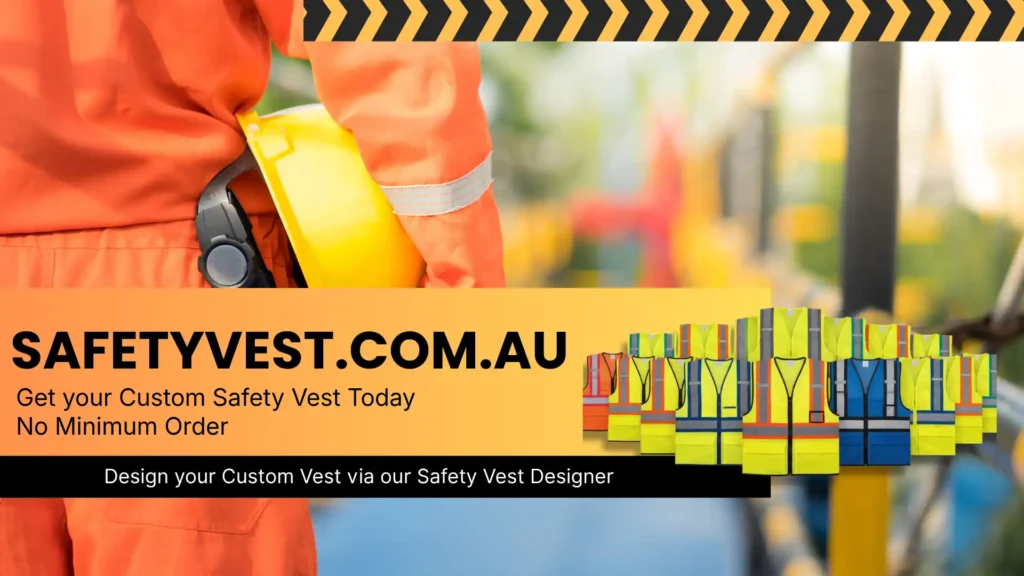
When a geology crew steps out onto a remote mining lease at dawn, the first thing they check isn’t the drill rig—it’s whether every member’s high‑visibility vest is up to code. A missed stripe or the wrong colour can mean the difference between a safe day and a costly incident, especially when heavy plant moves in low‑light conditions. In this article you’ll discover exactly what Hi‑Vis standards for geology field workers in Australian mining require, how to choose the right vest, and which regulations keep you on the right side of SafeWork NSW and its sister agencies.
Contents
- What the standards are and why they matter
- Practical breakdown: selecting the right vest for the field
- Compliance and Australian standards angle
- Common mistakes or misconceptions on Australian worksites
- Industry‑specific context for mining geology teams
- Frequently Asked Questions
- Key takeaways for geology field crews
What the standards are and why they matter
Short answer: Australian mining sites must equip geology field workers with Class D/N high‑visibility vests that meet AS/NZS 4602.1:2011, feature 50 mm reflective tape encircling the torso, and use only fluorescent yellow‑green or orange‑red fabric.
Why does this matter? Geology crews often operate far from the main plant, navigating steep slopes, night‑time surveys, and dusty drill sites. The combination of low ambient light and moving plant creates a high‑risk visual environment. A vest that complies with the national standard delivers the minimum retro‑reflective performance needed for a worker to be seen at a distance of up to 200 m when illuminated by a vehicle headlamp. That visibility protects both the wearer and the operator of the heavy equipment.
The mining sector also faces strict oversight from SafeWork NSW, WorkSafe Victoria, and WHS Queensland. Failure to meet the hi‑vis requirement can trigger Category 2 penalties of up to $1.5 million for a body corporate. In other words, the right vest is not just a safety perk—it’s a legal necessity.
The core elements of the standard
- Class D/N – Day and night visibility, with reflective tape.
- Colour – Only fluorescent yellow‑green or orange‑red are approved.
- Retro‑reflective tape – Minimum 50 mm width, fully encircling the torso.
- Garment size – Must be available from XS to 7XL to maintain fit.
- Material – Durable, breathable fabric for hot Australian conditions; mesh options are popular for field work.
By sticking to these basics, you align with the AS/NZS 4602.1:2011 high‑visibility garment standard and keep your geology team compliant across every state and territory.
Practical breakdown: selecting the right vest for the field
Choosing a vest for a geology crew is more than picking a colour. Below is a step‑by‑step guide that mirrors the real‑world decision‑making process on a mining site.
| Step | What to consider | Why it matters |
|---|---|---|
| 1 | Class requirement – Class D/N for day/night work. | Guarantees reflective tape for low‑light conditions. |
| 2 | Colour selection – Fluorescent yellow‑green for open‑pit, orange‑red for underground. | Matches the background contrast needed for quick detection. |
| 3 | Fabric type – Mesh hi‑vis for hot desert sites; classic zip‑front for cooler underground tunnels. | Breathability reduces heat stress; zip‑front adds extra protection from snagging on rock bolts. |
| 4 | Custom branding – Screen‑print or embroidery of company logo. | Enhances crew identification and satisfies corporate branding without extra fees. |
| 5 | Size accuracy – Use our online live vest designer to input chest and height measurements. | A poorly fitting vest can ride up, exposing skin and reducing visibility. |
| 6 | Order volume – Single‑vest orders are fine; volume discounts apply from 25 units onward. | Keeps budgets tight for small crews while rewarding larger teams. |
| 7 | Delivery timeline – Standard 5–7 business days; express if you need vests before a weekend drill. | Minimises downtime waiting for compliant gear. |
How to place the order: Visit the custom safety vests page, upload your logo in AI, EPS, PDF, PNG, or SVG format, and select the desired colour and fabric. No setup fees, no hidden artwork charges—just a straightforward quote.
Compliance and Australian standards angle
The backbone of any hi‑vis programme for mining geology workers is the AS/NZS 4602.1:2011 standard. This document defines garment classes, colour requirements, and minimum retro‑reflective tape dimensions. For flame‑resistant needs—such as when working near hot‑work equipment—the AS/NZS 2980 standard governs arc‑rated clothing, but most field geology tasks fall squarely under the high‑visibility rules.
Enforcement falls to the state WHS regulators. In New South Wales, SafeWork NSW conducts regular site inspections and can issue improvement notices or hefty fines if vest compliance is lacking. Victoria’s WorkSafe Victoria and Queensland’s WHS Queensland follow the same legislation, referencing the Model WHS Regulations that embed the AS/NZS standards.
For quick reference, the Compliance Guide on our site summarises the key points of each standard and provides a checklist that site supervisors can print and post in the field office. Keeping this checklist on‑hand ensures you can verify:
- Colour and class of each vest
- Tape width and placement (full‑torso coverage)
- Correct sizing for each crew member
By aligning orders with the guide, you eliminate the risk of non‑conforming garments slipping through procurement.
Common mistakes or misconceptions on Australian worksites
Even seasoned site managers get hi‑vis basics wrong. Here are the three most frequent pitfalls we see on mining licences.
-
Mixing colours on the same crew – Some supervisors allow a mix of yellow‑green and orange‑red vests, thinking “more colour equals more visibility.” In practice, it creates confusion for plant operators who rely on colour coding to distinguish traffic controllers from general workers. The rule is simple: pick one approved colour per workgroup and stick with it.
-
Using non‑standard tape widths – A few suppliers cut corners by applying 30 mm tape to save material. That width fails the 50 mm minimum and will not meet the reflective performance required for night‑time surveys. Always check the spec sheet; reputable providers like us list the exact tape dimensions.
-
Relying on worn‑out vests – Vests lose reflective efficiency after repeated washes, especially when harsh chemicals are used to clean mineral dust. A quick “flash test” with a handheld LED can reveal fading. Replace vests every 12–18 months, or sooner if the reflective tape shows wear.
Understanding these mistakes helps you avoid costly stop‑work orders and keeps your geology team visible when they need it most.
Industry‑specific context for mining geology teams
Geology field workers differ from general construction crews in two key ways: they often work at the edge of a lease where plant traffic is sporadic, and they carry specialised equipment such as handheld spectrometers, GPS units, and rock‑core bags. This makes the Classic Zip‑Front Hi‑Vis Vest – Class D/N an ideal base, as the zip provides easy access to pockets while the sturdy fabric withstands snagging on rock bolts.
For crews operating in the Pilbara’s scorching summer, the Mesh Hi‑Vis Vest offers breathable relief without sacrificing reflectivity. When a team is conducting a night‑time seismic survey, a Class R traffic control vest may be required if they are positioned within the defined high‑risk zone near active haul trucks.
Our experience delivering over 5,000 vests in 2025 across remote mining sites shows that the combination of custom branding, on‑site size verification, and rapid 5–7 day delivery keeps projects on schedule. Whether you need a single replacement vest for a field geologist or a bulk order for a new exploration team, the same compliance standards apply.
Frequently Asked Questions
Q: Do geology field workers need Class R vests for night surveys?
A: Only if they are working within the high‑risk traffic zone defined by AS 1742.3. For most remote survey tasks, a Class D/N vest is sufficient, but if plant moves within 30 m of the crew, upgrade to Class R.
Q: Can I order a single custom‑printed vest for a new hire?
A: Absolutely. We accept single‑vest orders with no minimum, so you can get a logo‑embellished garment as soon as the employee’s measurements are confirmed.
Q: How do I verify that the retro‑reflective tape meets the 50 mm requirement?
A: Measure the tape with a ruler or metre stick; it should wrap around the torso with a continuous 50 mm strip. Our product pages list the exact tape width for each vest style.
Q: Are mesh vests compliant for underground mining?
A: Yes, provided they are Class D/N, use an approved colour, and feature the required 50 mm reflective tape. Mesh simply refers to the breathable weave; it does not affect compliance.
Q: What is the lead time for an order of 100 custom vests to a regional site?
A: Standard delivery is 5–7 business days to metro and regional locations, with tracked shipping. Express options are available for an additional fee if you need the gear sooner.
Key takeaways for geology field crews
- Class D/N, 50 mm tape, approved colour – the non‑negotiable baseline for mining geology work.
- Fit and fabric matter – use the live vest designer to lock in the right size and choose mesh for hot conditions.
- Stay audit‑ready – keep a compliance checklist from our Compliance Guide on site and replace vests regularly.
Adhering to these points keeps your team visible, reduces the risk of WHS penalties, and ensures that every survey day runs smoothly. Ready to outfit your geology crew with compliant, custom‑branded hi‑vis gear? Get a no‑obligation quote today via our contact page or explore the full range of options on the custom safety vests section.