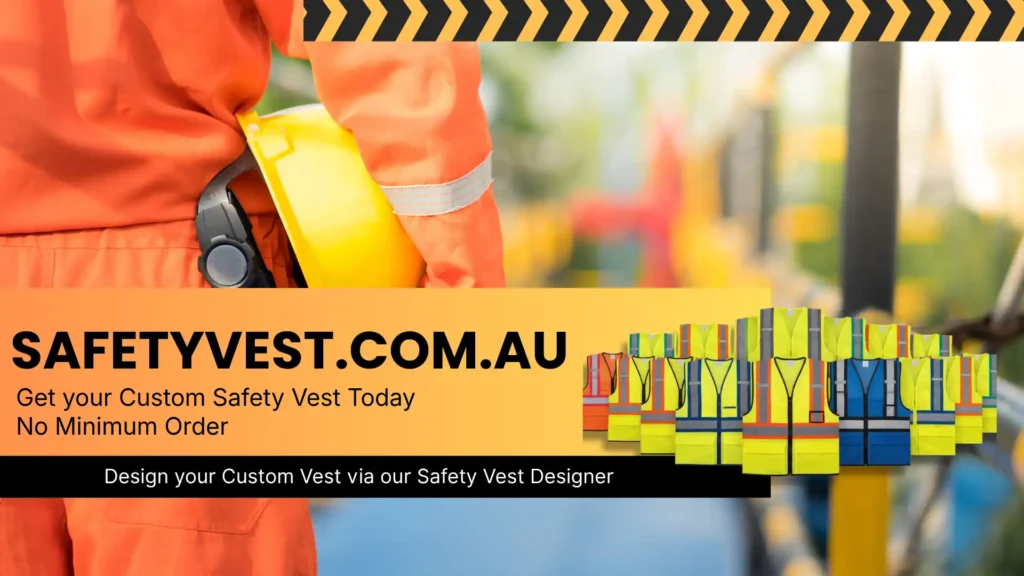
AS/NZS 2980 Flame‑Resistant Vest Requirements for Australian Mining Workers
The night shift on a Queensland mine started with a routine haul‑truck inspection. Halfway through, a spark from the engine ignited a piece of oil on a worker’s jacket. Because his high‑visibility vest wasn’t the right flame‑resistant grade, the fire spread in seconds, resulting in serious burns and an emergency shutdown. That split‑second mistake could have been avoided with the right AS/NZS 2980‑compliant vest. For any mining operation that runs heavy machinery, handles hot metal or works near open‑flame processes, knowing exactly what the standard demands is the difference between a safe shift and a costly incident.
What AS/NZS 2980 Actually Requires
AS/NZS 2980 sets out the performance criteria for flame‑resistant (FR) protective clothing used in high‑risk industries, including mining. In plain English:
- Material – The fabric must self‑extinguish within 5 seconds after exposure to a flame and retain its protective qualities after at least 20 wash cycles.
- Thermal protection – The garment must withstand a minimum of 1 kW radiant heat for 2 seconds without burning through.
- Weight & flexibility – Minimum 1 kg m⁻² to provide protection without restricting movement on the rig.
- Colour & visibility – Must incorporate fluorescent orange‑red or fluorescent yellow‑green base colour with reflective tape that meets AS/NZS 1906.4 (minimum 50 mm width encircling the torso).
When a vest meets these points, it can be classed as FR‑Class R for road‑work environments and FR‑Class D/N when used both day and night on a mine site.
Practical Checklist – Is Your Vest Up to Standard?
| ✅ Item | Requirement | How to Verify on Site |
|---|---|---|
| 1 | FR‑Class D/N or R label on the garment | Check the tag for “AS/NZS 2980 compliant – FR‑Class D/N” |
| 2 | Self‑extinguishing material ( ≤5 s) | Conduct a quick flame‑test on a scrap piece (only authorised personnel). |
| 3 | Reflective tape 50 mm wide, full‑torso coverage | Measure tape and ensure it loops around the chest and back. |
| 4 | Colour compliance – fluorescent orange‑red or yellow‑green | Compare against a colour chart from SafeWork NSW. |
| 5 | Wash durability – 20 + cycles without loss of FR properties | Review the manufacturer’s testing data; keep a log of wash dates. |
| 6 | Fit for the task – allows full range of motion on trucks, drill rigs, etc. | Have a worker perform a typical movement test while wearing the vest. |
| 7 | Documentation – Supplier provides compliance certificate | Store certificates in the site safety folder and on the digital WHS system. |
Where Sites Go Wrong
- Choosing the wrong vest class – A standard Class D hi‑vis vest looks bright but offers no FR protection, leaving workers exposed to flash fires.
- Faded or discoloured reflective tape – Sun‑bleached tape drops reflectivity below the 50 mm, AS/NZS 1906.4 threshold, risking non‑compliance.
- Cheap imports without certification – Some overseas suppliers claim “flame‑resistant” but lack AS/NZS 2980 testing; these can melt or burn through.
- Branding placed over the tape – Logos printed directly on reflective strips block visibility and can create hot‑spots that degrade the FR fabric.
Put simply, the cheapest vest often ends up being the most expensive when a safety breach occurs.
Real‑World Mining Examples
| Sector | Situation | What the Correct Vest Did |
|---|---|---|
| Underground coal mining | A bolt‑drilling crew encountered a sudden gas ignition. | The FR‑Class D/N vest self‑extinguished, giving workers crucial seconds to evacuate. |
| Open‑pit haul‑truck operation | Oil spillage on a truck’s under‑carriage ignited during a night shift. | Reflective tape complied with AS/NZS 1906.4, ensuring the driver remained visible to spotters while the FR material stopped burn‑through. |
| Surface construction of a mine‑site camp | Welding on a scaffolding platform produced sparks that landed on a worker’s vest. | The vest met the 1 kW radiant heat test, preventing a flash fire from reaching the torso. |
| Mineral processing plant | A conveyor belt malfunction caused a burst of hot metal particles. | FR‑Class R vest resisted the thermal load, protecting the worker’s arms and chest. |
These scenarios illustrate why the right vest isn’t just a fashion choice; it’s a legislative requirement enforced by SafeWork NSW, WorkSafe Victoria and WHS Queensland.
Compliance Pathway – How to Keep Your Site Covered
- Audit existing stock – Use the checklist above to tag every vest as compliant or non‑compliant.
- Source from a reputable supplier – Safetyvest (https://safetyvest.com.au) provides a full Compliance Guide and can customise FR vests to match your branding without compromising tape placement.
- Maintain records – Keep certificates, wash logs and test results on‑site and in your WHS management system.
- Train workers – Run a short toolbox talk each shift on recognising vest classes and reporting faded tape.
- Review annually – Re‑test a sample batch after 12 months of use; replace any that no longer meet the 20‑wash durability standard.
For a deeper dive into custom‑design options, see the Custom Safety Vests page.
Quick FAQs
Q: Do I need a separate FR jacket if I wear an FR vest?
A: Not necessarily, as long as the vest meets the thermal protection level required for the task. For extreme heat, pair it with an FR jacket for full‑body coverage.
Q: Can I retrofit reflective tape onto a non‑FR vest?
A: No. Adding tape does not change the material’s flame‑resistant properties, and the combined garment would still fail AS/NZS 2980.
Q: How often should reflective tape be inspected?
A: At least weekly, and any tape that shows cracks, peeling or colour loss must be replaced immediately.
Keeping your workforce safe on a mining site is non‑negotiable. By selecting vests that truly meet AS/NZS 2980, you protect lives, avoid costly shutdowns and stay on the right side of WHS regulators.
If you’re ready to audit your current inventory or need FR‑compliant hi‑vis vests tailored to your operation, get in touch today.
Safety Vest is part of Sands Industries (see https://sandsindustries.com.au/ for more about the group’s manufacturing capability).