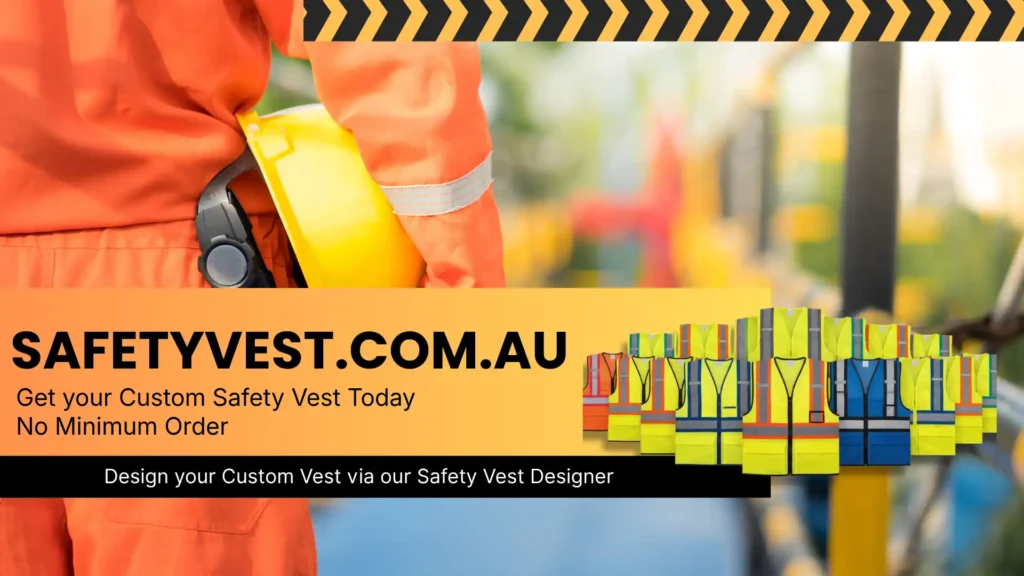
Safety vest for community service workers in outdoor projects
A crew was setting up a temporary footbridge in a regional park when a passing car didn’t see the volunteers on the edge of the work zone. The driver swerved, the bridge slipped, and two workers suffered cuts and bruises that could have been avoided with the right hi‑vis vest. That moment‑to‑moment risk is exactly why every community‑service team that works outside needs a compliant safety vest – not a cheap, faded shirt that barely meets colour‑code requirements.
What makes a compliant safety vest for community work?
On a public‑access site the vest does more than make your team stand out; it must tick every box of AS/NZS 1906.4 and AS/NZS 4602.1.
- Class D – Day‑time work on non‑road sites (the default for most park projects).
- Class N – Night‑time work; reflective tape must encircle the torso and meet the 50 mm minimum width.
- Class D/N – Day‑and‑night duties, such as a weekend clean‑up that runs into dusk.
- Class R – Only when you’re directly managing traffic on roads or highways.
The vest must be made from a fluorescent yellow‑green or orange‑red background (AS 1742.3) with reflective tape that complies with AS/NZS 1906.4. Tape that is narrower than 50 mm, or that doesn’t wrap fully around the torso, fails the standard and can attract fines from SafeWork NSW, WorkSafe Victoria, or WHS Queensland.
Practical tool – Safety‑vest compliance checklist
| ✔ Item | Requirement | How to verify on site |
|---|---|---|
| Vest class | D, N, D/N, or R as required | Look at the label; colour of background indicates class |
| Background colour | Fluorescent yellow‑green OR orange‑red | Compare to AS 1742.3 colour swatch |
| Reflective tape width | Minimum 50 mm | Measure with a ruler or tape measure |
| Tape placement | Encircles torso, at least two strips front/back | Visually inspect; tape must be continuous |
| Condition | No fading, tears, or loose tape | Conduct a quick visual audit each shift |
| Branding | Logos must not cover more than 10 % of the vest surface | Measure logo area against vest surface |
Use this checklist before every shift; a five‑minute look‑over can prevent a costly compliance breach.
Where sites go wrong
- Wrong vest class – A night‑time clean‑up crew used only Class D vests, leaving them practically invisible after sunset.
- Faded hi‑vis – After a few washes, the fluorescent dye lost its punch, and the reflective strips dulled – the vest no longer met AS 1742.3.
- Cheap non‑compliant imports – Some organisations ordered overseas “hi‑vis” shirts that used non‑standard tape widths and colours, resulting in a WorkSafe notice.
- Incorrect branding placement – Large sponsor logos were printed over the reflective panels, cutting the required 50 mm tape width in half.
These slip‑ups are easy to avoid with a proper procurement policy and the checklist above.
Industry examples – community work in action
Construction‑style park refurbishment
A council hired volunteers to replace vandalised park benches. Workers wore Class D vests with bright orange‑red backing. Because the reflective tape wrapped fully around, a passing cyclist could see them from 200 m away, and no incidents were reported.
Traffic control at a community market
When a weekly farmers’ market set up on a suburban road, the volunteer crowd control team used Class R vests. The high‑visibility colour and continuous reflective tape satisfied the road‑work standard, keeping both shoppers and drivers safe.
Warehousing for a charity hub
A regional food bank stored donations in a large outdoor container yard. Staff used Class D/N vests for the early‑morning unload and the late‑evening lock‑up. The dual‑class vest meant they stayed visible even as daylight faded.
Mining‑area community outreach
A mining company runs an outdoor education day for local schools. Guides wore Class D vests with a subtle, compliant logo on the sleeve – the branding stayed within the 10 % limit, keeping the vest’s reflective performance intact.
Event set‑up for a music festival
Volunteers erected the stage in a public park. They selected Class D/N vests with reinforced stitching, because the event ran from midday into night. The vests passed all AS/NZS checks, and the festival ran without any safety‑related incidents.
Choosing the right vest – quick guide
- Identify the work hours – Day only = Class D; night or mixed = D/N.
- Match the environment – Public park = fluorescent yellow‑green; road‑side control = orange‑red (Class R).
- Confirm compliance – Check the label, tape width, and that tape encircles the torso.
- Inspect condition each shift – Use the checklist above.
- Order from a trusted source – Safetyvest.com.au supplies fully compliant, Australian‑made vests and can add custom branding that respects the 10 % rule.
For organisations that need bespoke colours or logos, Safety Vest’s custom‑design service ensures you stay within the standards while still representing your community brand.
Bottom line
A proper safety vest isn’t just a piece of clothing; it’s the first line of defence for community service workers stepping into outdoor projects. By picking the correct class, confirming the reflective tape meets AS/NZS 1906.4, and running a quick pre‑shift checklist, you protect your volunteers, avoid hefty fines, and keep public projects running smoothly.
Got questions about the right vest for your next park clean‑up or community event? Get in touch or explore our custom safety‑vest options today.
Safety Vest is part of Sands Industries, a leading Australian manufacturer of high‑visibility workwear.