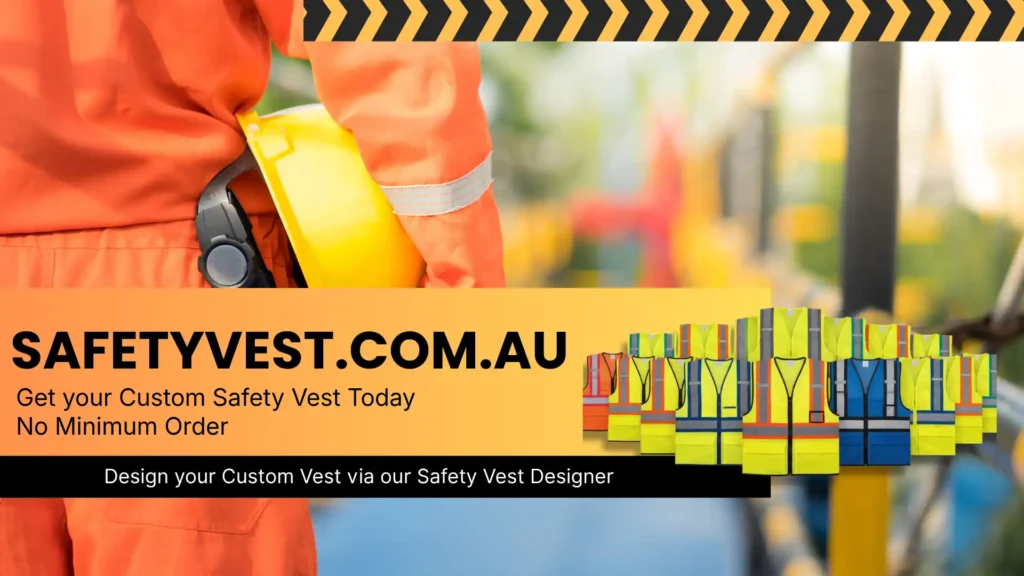
Why a Hi‑Vis Vest with Zip Is the Ultimate Safety Gear: Benefits, Buying Guide & Top Picks for 2024
A site supervisor once let a crew head out to a night‑time road‑work zone in standard, pull‑over hi‑vis jackets. Mid‑shift a gust blew the back flap open, the reflective tape sagged, and a passing driver barely saw the crew. The result? A near‑miss that could have turned into a serious injury and a hefty SafeWork NSW fine for non‑compliant high‑visibility gear. That moment drives home why a hi‑vis vest with a zip – properly classed, correctly fitted and easy to maintain – is the real work‑site lifesaver.
The practical edge of a zip‑front hi‑vis vest
Quick on‑and‑off – When you need to swing between hot plant areas and cooler offices, a full‑length zip saves minutes and reduces the temptation to leave the vest jammed in a locker.
Consistent tape tension – A sturdy zip keeps the vest closed, meaning the reflective tape stays wrapped around the torso as the standard mandates.
Layer‑friendly design – The zip allows you to wear a long‑sleeve shirt underneath in winter or a light tee in summer without sacrificing the required 50 mm tape width.
Durability – Heavy‑duty brass or nylon zippers survive the rigours of construction sites, mining camps and event venues, cutting down replacement costs.
Compliance made simple – When the vest stays closed, you’re far less likely to breach AS/NZS 1906.4 (reflective tape) or AS 1742.3 (colour & class) because the tape remains fully exposed.
Buying guide – what to look for
| Feature | Why it matters on a real site | Minimum spec (per Australian standards) |
|---|---|---|
| Class | Determines suitability for day, night or road work. | Class D, N, D/N or R – never use un‑classed gear |
| Colour | Guarantees the high‑visibility colour that workers expect. | Fluorescent yellow‑green or orange‑red |
| Reflective tape width | Provides the required 50 mm strip that can be seen from a distance. | ≥ 50 mm, encircling the torso |
| Zip quality | Prevents snagging and ensures the vest stays shut. | Heavy‑duty brass or reinforced nylon |
| Fabric | Must endure harsh conditions and frequent washing. | 100 % polyester or polyester‑cotton blend, water‑repellent |
| Size & fit | A loose vest can shift, exposing skin; a tight one restricts movement. | Adjustable side straps or elastic cuffs |
| Certification | Confirms the vest meets AS/NZS 4602.1, 1906.4 and 2980. | Tag stating compliance and class |
Practical tool – Quick compliance checklist
- [ ] Vest labelled with correct class (D, N, D/N, R)
- [ ] Fluorescent colour matches the job’s risk assessment
- [ ] Reflective tape ≥ 50 mm, fully encircles torso
- [ ] Zip operates smoothly, no broken teeth
- [ ] Fabric is breathable yet durable, no frayed seams
- [ ] Size allows full range of motion, no gaps when zipped
- [ ] Tag shows AS/NZS 4602.1, 1906.4 and 2980 compliance
Run this list at the start of every shift; it’s the fastest way to catch a slip before a slip‑and‑fall happens.
Where sites go wrong
- Choosing the wrong class – A night‑shift crew in a Class D vest loses visibility after dark, prompting WHS Queensland citations.
- Faded or dirty reflective tape – Sun‑bleached tape or grime reduces reflectivity, breaching AS/NZS 1906.4.
- Cheap imports without Australian certification – Unknown manufacturers often skip the required testing, leaving you open to fines from WorkSafe Victoria.
- Branding placed over the tape – Logos printed directly on reflective strips block the signal, a frequent error on event‑staff uniforms.
- Using pull‑over jackets instead of zip vests – The extra step to fasten the front leads workers to skip the garment when rushed, undermining safety.
Industry examples – zip vests in action
| Industry | Typical scenario | How a zip vest solves it |
|---|---|---|
| Construction | Tradespeople move between high‑rise scaffolding and ground‑level plant rooms, often in wet weather. | Zip keeps the vest sealed against rain; tape stays taut for night‑time inspections. |
| Traffic control | Controllers stand on asphalt at 70 km/h while swapping shifts. | Quick zip on/off means they’re never without visibility during hand‑over. |
| Warehousing | Forklift operators need to step into cold storages and back out to bright aisles. | Layer‑friendly zip allows a thermal shirt underneath without compromising Class D compliance. |
| Mining | Workers rotate between underground pits (low light) and surface roads. | Class D/N zip vest covers both environments; the zip prevents dust from catching on the front. |
| Events | Security staff patrol night festivals where crowds shift quickly. | Easy zip removal for bathroom breaks keeps the crew constantly visible, avoiding AS 1742.3 breaches. |
Top picks for 2024
- Sands Industries Pro‑Zip Class R – Heavy‑duty brass zip, 100 % polyester, meets AS/NZS 4602.1. Ideal for roadwork and traffic control.
- SafetyVest Custom Elite D/N – Fully customisable logo placement that avoids reflective zones; available in fluorescent yellow‑green.
- MiningMate Heavy‑Duty N‑Class – Reinforced stitching, night‑time reflective tape, water‑repellent finish for underground shifts.
All three models are listed in the [Compliance guide] and can be personalised via the [Custom safety vests] page.
Bottom line
A hi‑vis vest with a zip isn’t just a convenience feature; it’s a compliance ally that keeps reflective tape in place, speeds up dressing, and endures the daily grind of Australian worksites. Use the checklist, avoid the common pitfalls, and choose a vest that matches the class and colour required for your specific environment.
Need a tailored solution for your crew? Get in touch through the [contact us] page or explore a bespoke design at [custom safety vests]. Your workers’ visibility is non‑negotiable – make sure the gear you supply lives up to it.