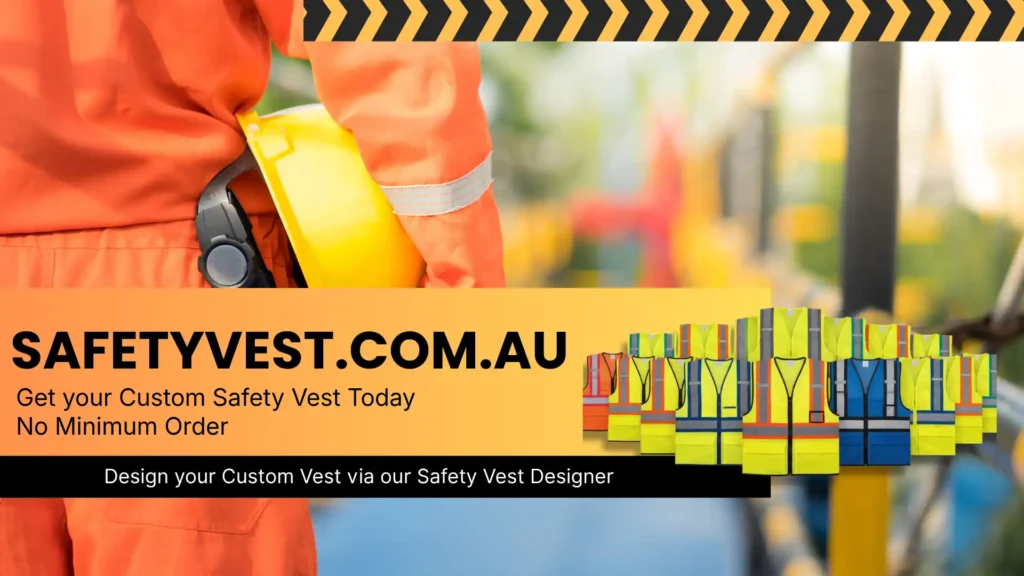
Safety Vest for Sole Traders in Australia: What You Actually Need
When a sole‑trader electrician showed up on a construction site wearing a faded orange tee with a half‑hearted reflective strip, the foreman stopped work on the spot. The risk wasn’t just a bruised ego – it was a breach of AS/NZS 1906.4 that could have led to a serious accident or a hefty fine from SafeWork NSW. That kind of slip‑up is avoidable, but only if you know exactly which safety vest meets the law and the realities of your day‑to‑day job.
The Basics: Which Vest Class Does a Sole Trader Need?
Most sole traders operate either in daylight or on mixed‑hour jobs. Australian standards split hi‑vis apparel into four classes:
| Vest Class | When to Use | Minimum Tape Width | Required Colours |
|---|---|---|---|
| Class D (Day) | Day‑time work in low‑light environments | 50 mm (encircling torso) | Fluorescent yellow‑green or orange‑red |
| Class N (Night) | Dark or night‑time work, no vehicle traffic | 50 mm (encircling torso) | Same fluorescent colours, reflective tape only |
| Class D/N | Jobs that swing between day and night | 50 mm (encircling torso) | Fluorescent base, reflective tape |
| Class R (Roadwork) | Any work on or near roadways | 50 mm (encircling torso) | Fluorescent orange‑red, reflective tape |
Put simply, if you run a solo carpentry business that mostly works in daylight, a Class D vest covers you. If you occasionally do night‑time repairs, step up to a Class D/N. Road‑side trades such as traffic control must wear Class R.
All reflective tape must comply with AS/NZS 1906.4 and be sewn or welded so the strip completely encircles the torso. The base fabric must meet AS/NZS 4602.1 (flame‑resistant if required) and AS 1742.3 for colour and luminance.
Practical Tool: Solo‑Trader Safety Vest Checklist
Use this quick checklist before you order or wear a vest on site.
- [ ] Determine work hours – Day only, night only, or mixed?
- [ ] Select correct class – D, N, D/N or R.
- [ ] Verify colour – Fluorescent yellow‑green or orange‑red.
- [ ] Check tape width – Minimum 50 mm, encircling torso.
- [ ] Confirm compliance – Tag or documentation referencing AS/NZS 1906.4 and AS/NZS 4602.1.
- [ ] Inspect condition – No fading, tears, or missing strips.
- [ ] Branding placement – Logos must not cover reflective tape or exceed 5 % of vest surface.
- [ ] Fit – Comfortable range of motion; not too loose to snag, not too tight to restrict.
Keep the checklist on your phone or in your tool box; a quick glance can prevent a compliance nightmare.
Where Sites Go Wrong: Common Mistakes by Sole Traders
- Wrong vest class – Using a Class D vest for night‑time roadwork (should be Class R).
- Faded hi‑vis – Sun‑bleached colours lose the required luminance after a few washes.
- Cheap imports – Some overseas “high‑vis” shirts don’t meet AS/NZS 1906.4; they lack the proper tape width or colour saturation.
- Branding over tape – Large logos placed over reflective strips defeat the purpose of visibility.
- Skipping documentation – Not keeping a compliance certificate can mean you’re unable to prove the vest meets standards during an audit.
That’s where most sites get it wrong – the cost is not just a fine, it’s lost credibility with clients and insurers.
Industry Snapshots: How Different Trades Use Their Vests
Construction (Residential Renovations)
A sole‑trader carpenter often works on scaffolding during daylight. A Class D vest with a bright yellow‑green base and 50 mm reflective tape around the chest and back keeps the carpenter visible to site supervisors and passing plant. When the job extends into dusk, swapping to a Class D/N vest avoids a compliance breach.
Traffic Control (Roadside Booths)
A freelance traffic marshal setting up a detour for a local council project must wear a Class R vest. The orange‑red colour is mandated under AS 1742.3 for roadwork, and the reflective tape must circle the torso to stay visible to drivers in low‑light conditions.
Warehousing (Order‑Picking)
Even in a warehouse, a solo contractor moving pallets near forklift lanes benefits from a Class D vest. The fluorescent yellow‑green base contrasts with the typically grey floor, while the reflective tape catches the spotlights that forklifts use.
Mining (Surface Services)
A contract electrician providing maintenance on a surface mine must meet AS/NZS 2980 for high‑visibility in high‑risk environments. A Class D/N vest with extra reflective strips on the sleeves is common practice.
Events (Stage Setup)
A freelance rigging technician working behind the scenes at an outdoor concert needs a Class D vest. The bright colour helps crew spot each other quickly when the stage lights dim for a show.
Frequently Asked Questions
Q: Can I reuse a vest after it’s been washed?
A: Yes, provided the colour and reflective tape still meet the luminance standards. Replace the vest once tape starts peeling or colour fades noticeably.
Q: Do I need a separate vest for each job type?
A: Not necessarily. A Class D/N vest works for most day‑to‑night jobs, while a dedicated Class R vest is required for any roadwork.
Q: How quickly can I get a custom‑branded vest?
A: Safety Vest offers a fast turnaround through their custom safety vests service – usually 7‑10 business days once artwork is approved. See the Custom Safety Vests page for details.
Q: What if a client insists on a non‑compliant colour?
A: Explain that Australian law (AS 1742.3) limits hi‑vis colours to fluorescent yellow‑green or orange‑red. Non‑compliant apparel can lead to penalties and increased risk.
Bottom Line
A solo trader’s safety vest isn’t just a piece of clothing – it’s a legal requirement that protects you, your clients, and your reputation. Choose the right class, keep the garment in good condition, and avoid the common pitfalls that lead to fines or accidents.
Need a compliant vest that bears your logo without compromising visibility? Get a quote or ask a question via the contact page or explore the range of options on the Products section.
Built on the expertise of Sands Industries, safetyvest.com.au delivers gear you can trust on every Australian jobsite.