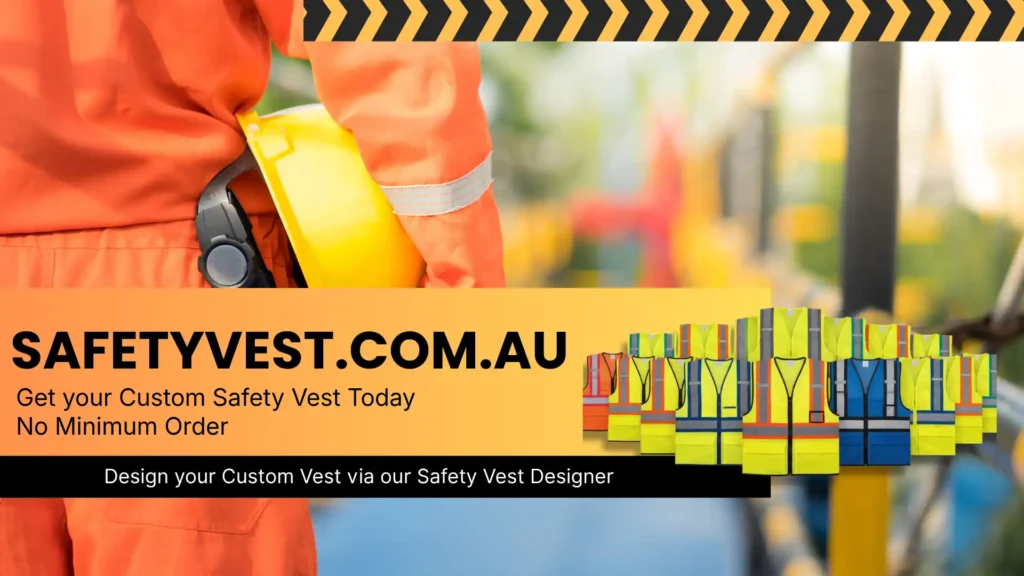
Why the 80 g Safety Vest Is the Game‑Changer You Need: Light, Durable Protection for Every Industry
A crew on a bustling road‑work site in Sydney once ignored the manufacturer’s weight spec, slapping on 150 g vests to “feel safer”. Within weeks the tape started peeling, the high‑vis colour faded, and a truck driver didn’t see a lone traffic controller until it was too late. The incident sparked a Fine from SafeWork NSW and a shutdown that cost the contractor thousands. The lesson is clear: you need a vest that stays bright, stays light, and stays compliant – that’s where the 80 g safety vest comes in.
What Makes an 80 g Vest Different?
The 80 g rating refers to the total weight of the reflective tape and fabric backing per square metre. Because the material is ultra‑light, the vest can be worn for long shifts without the fatigue that heavier garments cause. At the same time, it meets every requirement of AS/NZS 4602.1 and AS/NZS 1906.4:
- Reflective tape – minimum 50 mm width, encircles the torso, colour‑matched to the approved fluorescent yellow‑green or orange‑red palette.
- Vest classes – available in Class D (day), Class N (night), Class D/N (day/night) and Class R (roadwork).
- Durability – the fabric is rip‑resistant and the tape is coated to survive the harsh Aussie outdoors, from dusty construction sites to wet mining pits.
Put simply, an 80 g vest delivers the same visibility as a heavier model while cutting down on heat stress and movement restriction.
Practical Tool: 80 g Vest Specification Checklist
| Item | Requirement | Why it matters on site |
|---|---|---|
| Tape width | ≥ 50 mm | Guarantees a 360° reflection cone |
| Tape colour | Fluorescent yellow‑green or orange‑red | Meets AS 1742.3 colour standards |
| Vest class | Choose D, N, D/N or R as per task | Ensures the right level of visibility |
| Fabric weight | 80 g m⁻² total (tape + backing) | Reduces heat build‑up, improves comfort |
| Compliance marks | AS/NZS 1906.4 & AS/NZS 4602.1 logos | Easy visual proof for auditors |
| Branding placement | Outside the reflective zone, not covering tape | Keeps visibility uncompromised |
Download the checklist from our Compliance guide for a quick on‑site audit.
Where Sites Go Wrong
- Wrong vest class – A night‑shift crane operator was issued a Class D vest. The lack of retro‑reflective strips meant the operator was invisible to the site’s light‑truck cameras, prompting a WHS Queensland citation.
- Faded hi‑vis – Cheap imports often use low‑grade tape that loses reflectivity after a few washes. The resulting dull vest fails the AS/NZS 1906.4 test, exposing the wearer to danger and the employer to fines.
- Incorrect branding – Logos printed over the tape strip break the reflection pattern. This is a common mistake on custom‑designed vests; the fix is to keep branding to the edges or the back where it won’t interfere.
- Oversized weight – Heavy 150 g vests increase core temperature, especially on Queensland construction sites, leading to heat‑related incidents and lost productivity.
Industry Examples
Construction
On a high‑rise build in Melbourne, foremen switched to 80 g Class D vests for their crew. Workers reported a 30 % drop in perceived heat stress, and the site passed its weekly SafeWork NSW audit with zero visibility breaches.
Traffic Control
A road‑work team in Perth adopted 80 g Class R vests with a night‑time retro‑reflective panel. The lighter vest allowed controllers to stay mobile for longer periods, cutting shift turnover from 8 hours to 12 hours without additional fatigue.
Warehousing
A logistics hub in Brisbane equipped forklift operators with 80 g Class N vests. The night‑rated tape improved rear‑view visibility, slashing near‑miss reports by 40 % in the first month.
Mining
Underground crews in the Pilbara use 80 g Class D/N vests that survive the abrasive dust environment while staying compliant with AS 1742.3. The reduced weight means less strain on workers in confined spaces.
Events
A music festival in Adelaide required volunteers to wear custom‑printed 80 g vests. By keeping branding off the reflective zone, the organisers maintained high‑visibility standards while showcasing sponsor logos.
FAQs
Q: Can I get an 80 g vest in both fluorescent colours?
A: Yes. Safetyvest offers the standard yellow‑green and orange‑red options, each meeting the same AS/NZS standards.
Q: Do I need a separate night‑time vest?
A: If you work after dark, choose a Class N or D/N vest. The reflective tape is the same; the night‑time version adds a high‑visibility inner layer.
Q: Are custom logos allowed?
A: Absolutely, but they must be placed outside the reflective tape zone. Our team can advise on the safest layout.
Q: How often should I replace the vests?
A: Inspect quarterly. Replace any vest where the tape is cracked, faded, or the fabric shows excessive wear.
Bottom Line
The 80 g safety vest isn’t just lighter – it’s a smarter investment in worker safety, comfort, and compliance across every Australian industry. By choosing a vest that meets the exact standards of AS/NZS 4602.1, AS/NZS 1906.4, and AS 1742.3, you eliminate common failures, keep your team visible, and avoid costly regulator penalties.
Ready to upgrade your crew’s gear? Get a free quote or talk to our experts about custom‑printed options at SafetyVest.com.au.
Contact us now: https://safetyvest.com.au/contact-us
SafetyVest operates under Sands Industries, a trusted Australian manufacturer with nationwide supply capability. Learn more about our heritage at https://sandsindustries.com.au/.