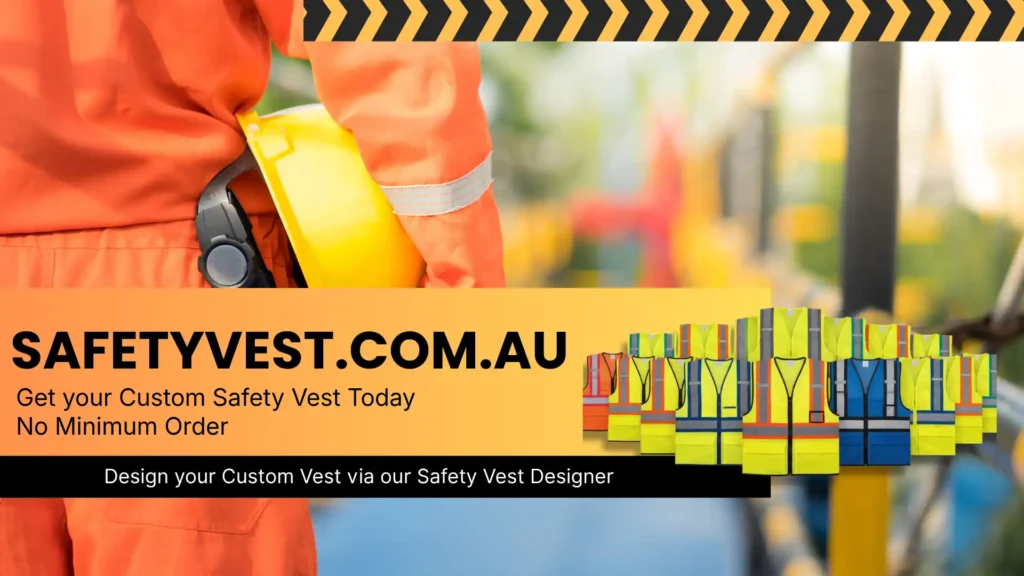
Stand Out & Stay Safe: How Custom Logo Safety Vests Boost Brand Visibility and Workplace Protection
When a construction crew on the eastern seaboard skidded into a live traffic lane, the investigation found something simple: the workers’ hi‑vis vests were faded, the reflective tape had split, and the company logo was missing altogether. Not only did the lack of visibility expose the crew to a high‑risk incident, it also meant the client lost a valuable branding moment on camera. In Australia, a vest that fails to meet AS/NZS 4602.1 or the state WHS regulator can invite hefty fines, work stoppages, and, worst of all, serious injury. Adding a durable, compliant logo to the right class of safety vest does two things at once – it keeps people seen and reminds everyone on site whose safety standards are being upheld. That’s why custom logo safety vests have become a must‑have for Aussie businesses that want both protection and brand recall.
Why the Right Vest Class Matters
| Vest Class | Typical Use | Minimum Tape Width* | Required Colours |
|---|---|---|---|
| Class D (Day) | General construction, warehouses | 50 mm | Fluorescent yellow‑green or orange‑red |
| Class N (Night) | Low‑light sites, night shifts | 50 mm | Same fluorescent base + reflective tape |
| Class D/N (Day/Night) | Sites that run 24 hours | 50 mm | As above, with tape encircling torso |
| Class R (Roadwork) | Traffic control, road‑maintenance crews | 50 mm | Fluorescent orange‑red, full‑torso tape |
*Tape must meet AS/NZS 1906.4 and be continuous around the torso.
Choosing the wrong class, or using a vest that only meets a “day” requirement on a night‑time road‑work shift, instantly defeats the purpose of a hi‑vis garment.
Practical Tool: Custom Logo Vest Checklist
| ✔️ Item | What to Verify on Site |
|---|---|
| Vest class matches the task (D, N, D/N, R) | Confirm with the site‑specific JSA or safe work method statement |
| Reflective tape ≥ 50 mm, continuous, AS/NZS 1906.4 compliant | Run a quick tape‑width check with a ruler; look for wear or delamination |
| Fluorescent base colour – yellow‑green or orange‑red | Use a colour chart – no pastel or faded shades |
| Logo placement follows AS 1742.3 (no obstruction of reflective zones) | Logo should be on the chest/upper back, not covering tape |
| Stitching and seams are double‑stitched, no frayed edges | Tug gently; any unraveling means the vest is out of service |
| Size fits the wearer comfortably, no excess slack | Worker should be able to move freely – test a squat and a reach |
Use this checklist each morning before the crew heads out.
Where Sites Go Wrong
- Wrong vest class – A traffic‑control team using a Class D vest at night leaves workers invisible to drivers.
- Faded hi‑vis – Sun‑bleached orange‑red vests lose fluorescent intensity after a few months, reducing contrast.
- Cheap non‑compliant imports – Overseas knock‑offs often skip the 50 mm tape requirement, putting the entire site at risk of an offence from SafeWork NSW.
- Incorrect branding placement – Large logos printed over the reflective strip break the continuity required by AS 1742.3, meaning the vest is technically non‑compliant.
Put simply, a non‑compliant vest is a ticking time‑bomb for both safety and reputation.
Industry Examples
Construction – A Melbourne high‑rise contractor ordered custom logo vests in Class D/N with its company emblem stitched on the left chest. The logo’s muted colour was deliberately chosen to contrast with the fluorescent background, so workers were still 100 % visible while the brand name appeared on every site photo.
Traffic Control – On a busy Sydney motorway, a road‑work crew uses Class R vests with a bold, reflective logo on the back. The logo is printed using reflective thread, so it adds visibility rather than detracts from it, satisfying both WorkSafe Victoria and the client’s marketing brief.
Warehousing – A logistics hub in Brisbane swapped generic orange vests for custom logo versions that include QR codes linking to the company’s safety training portal. Workers scan the code during induction, reinforcing brand familiarity and safety knowledge in one go.
Mining – At a Western Australia open‑pit mine, high‑visibility vests must survive harsh dust and UV exposure. The miner’s custom logo is laser‑etched onto a silver‑striped Class D vest, ensuring the branding never peels and the vest stays compliant with AS/NZS 2980 for durability.
Events – A music festival’s security team uses lightweight Class D vests with the festival’s logo on the back. The colour scheme mirrors the event’s branding, turning every staff member into a walking billboard while meeting Queensland WHS standards.
Keeping Compliance Simple
- Match the class to the task – Always reference the site‑specific risk assessment.
- Audit the tape – Minimum 50 mm, continuous, AS/NZS 1906.4.
- Mind the colour – Stick to the two approved fluorescent shades.
- Place the logo wisely – No covering of reflective strips; use stitching or reflective printing.
- Inspect regularly – Weekly visual checks catch fading or damage before a regulator spots it.
For a deeper dive into Australian hi‑vis requirements, see our Compliance Guide.
Bottom Line
Custom logo safety vests do more than just make a company look sharp—they keep workers seen, meet every state regulator’s standards, and turn each employee into a mobile brand ambassador. By selecting the correct vest class, guaranteeing compliant reflective tape, and positioning the logo correctly, you protect people, avoid costly fines, and boost brand visibility on every site.
Need a set of compliant, eye‑catching vests for your crew? Get in touch with the specialists at Safety Vest and let us tailor a solution that meets AS/NZS 4602.1, satisfies SafeWork NSW, and puts your logo front‑and‑centre.
Contact us today or explore our custom safety vests to start protecting your people and your brand.
Safety Vest is part of Sands Industries, a trusted Australian manufacturer with over 30 years of expertise in work‑wear production.