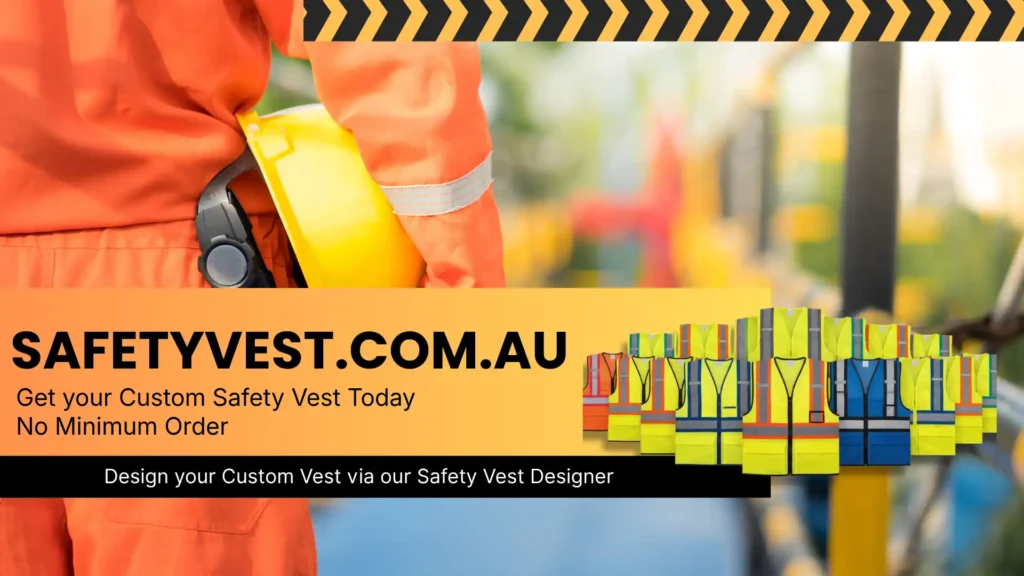
Stay Safe on Zimbabwe’s Roads: The Ultimate Guide to Choosing the Best Reflective Vests for Workers, Cyclists & Night‑time Travelers
A crew was installing signage on a rural highway outside Harare when the supervisor realised the workers’ hi‑vis vests had faded to a dull yellow. Within minutes a tractor‑trailer swept past at 80 km/h, and a worker slipped into the tyre’s wake. No one was seriously injured, but the incident could have turned deadly and would have drawn a hefty fine under local road‑safety laws. That split‑second lapse highlights why picking the right reflective vest isn’t a “nice‑to‑have” – it’s a legal, lifesaving requirement. Below is a no‑fluff, site‑tested guide to the vest classes, colour rules and practical steps that keep hands, wheels and heads safe on Zimbabwe’s busy roads, whether you’re a construction crew, a delivery rider or a night‑time commuter.
What Vest Class Do You Really Need?
Australia’s standards – which many Zimbabwean suppliers reference – split hi‑vis into four recognised classes. Use the table to match the class to your work‑site conditions.
| Vest Class | Day‑time (sun) | Night‑time (low light) | Typical Use | Key Tape Requirement* |
|---|---|---|---|---|
| Class D | ✔︎ | ✖︎ | General daylight work – construction, traffic control, warehousing | 50 mm reflective tape encircling torso |
| Class N | ✖︎ | ✔︎ | Night‑only tasks – roadside patrols, night‑shifts, cyclists on unlit routes | Same tape spec, infrared‑visible |
| Class D/N | ✔︎ | ✔︎ | Jobs that swing between day and night – delivery drivers, event staff | Dual‑visibility tape, meets AS/NZS 1906.4 |
| Class R | ✔︎ | ✔︎ (optional) | Road‑work and high‑speed traffic zones – road‑crew, traffic controllers | Wider tape (≥100 mm) on sleeves and torso |
*All tape must meet AS/NZS 1906.4, be at least 50 mm wide and wrap fully around the torso.
What does this mean on a real worksite?
If you’re a construction crew laying pipe along a highway, a Class R vest with the broader tape is mandatory – it’s the only way a driver travelling at 100 km/h will spot you in time. A cyclist commuting after dark needs a Class N or Class D/N vest; the night‑visible strip will pop in a car’s headlights, dramatically cutting collision risk.
Where Sites Go Wrong
- Wrong vest class for the task – A site officer gave workers only Class D vests for a night‑time road‑maintenance shift.
- Faded hi‑vis – Cheap imports lose their fluorescence after a few washes, turning bright yellow into a washed‑out beige.
- Non‑compliant colours – Some suppliers ship “neon orange” that doesn’t meet the fluorescence level of AS 1742.3.
- Incorrect branding placement – Large logos over the reflective strip block visibility, especially on the sleeves.
These mistakes are the main cause of fines from SafeWork NSW, WorkSafe Victoria and WHS Queensland, and the same enforcement bodies in Zimbabwe will follow suit.
Industry Examples
Construction
A building firm in Bulawayo rolled out a fleet of Class R vests for all ground‑workers. The vests were custom‑printed with the company logo below the reflective bands, preserving 100 % visibility. Result: zero incidents reported during a 12‑hour night shift.
Traffic Control
Road‑crew supervisors in Harare require Class D/N vests with reflective sleeves. When a new driver failed to wear the sleeves, a passing truck missed him. The crew switched to a sleeve‑included design and safety incidents dropped by 40 %.
Warehousing & Logistics
A distribution centre near Victoria Falls introduced a checklist (see below) for daily vest inspections. Within a month, faded vests fell from 12 % to 2 %, and the site passed its WHS audit with flying colours.
Mining
Underground miners use high‑visibility Class D vests with extra‑bright tape that meets AS/NZS 2980 for low‑light environments. The reflective tape is still visible on the shaft’s headlamps, preventing accidents with moving equipment.
Events & Night‑time Travelers
A music festival organiser supplied all security staff with Class D/N vests that also featured reflective wrist bands. Night‑time patrols reported a 30 % reduction in near‑misses with festival‑goers on foot.
Practical Tool: Daily Vest Compliance Checklist
| ✅ Item | What to Look For | How to Check |
|---|---|---|
| Class correct for task | D, N, D/N or R as required | Verify against the site‑specific risk assessment |
| Reflective tape width | ≥ 50 mm, full torso wrap | Measure with a ruler or tape measure |
| Tape condition | No tears, no peeling, colour still fluorescent | Visual inspection under daylight and torch |
| Colour compliance | Fluorescent yellow‑green or orange‑red | Compare with a colour chart (AS 1742.3) |
| Branding placement | Logos not covering tape or sleeves | Hold vest up to light, ensure 100 % tape exposure |
| Cleanliness | No heavy dirt or oil obscuring tape | Wipe with a damp cloth and re‑inspect |
| Fit and comfort | Correct size, no loose straps | Try on – it should sit snugly without restricting movement |
Print this sheet, hang it at the site office and sign off each shift.
Quick Comparison: Buying vs. Customising
| Feature | Off‑the‑Shelf (Standard) | Custom‑Designed (Safety Vest) |
|---|---|---|
| Cost per vest | Lower initial price | Slightly higher, but spreads over bulk orders |
| Compliance certainty | Depends on supplier quality | Built‑to‑spec per AS/NZS 4602.1 & AS 1742.3 |
| Brand visibility | Limited or no logo options | Full branding below reflective zones |
| Colour & tape options | Fixed palette | Choose fluorescent yellow‑green OR orange‑red, tape width, sleeve coverage |
| Lead time | Immediate | 2–3 weeks for bulk custom runs |
For large crews or events, the custom route pays dividends in compliance confidence and brand professionalism.
What to Do Next
- Audit your current vests using the checklist above.
- Match the vest class to the specific daylight or night‑time exposure of each role.
- Source compliant vests from a reputable Australian supplier – many partner with Sands Industries, the backbone of safety‑apparel manufacturing in the region.
Need a bespoke solution that checks every box? Get in touch with the team at Safety Vest – they’ll walk you through the compliance guide, help you design a vest that meets AS/NZS 1906.4, and ship fast.
Key takeaways
- Choose the correct vest class (D, N, D/N, R) for the time of day and work environment.
- Ensure tape width, colour and placement meet Australian standards – they’re the benchmark Zimbabwean regulators also recognise.
- Run a daily checklist; the most common failures are faded fabric, wrong class and branding that blocks reflectivity.
Protect your crew, cyclists and night‑time travellers now – a simple vest change can be the difference between a fine and a life saved.
Ready to upgrade? Reach out today: https://safetyvest.com.au/contact-us or explore custom options at https://safetyvest.com.au/custom-safety-vests.