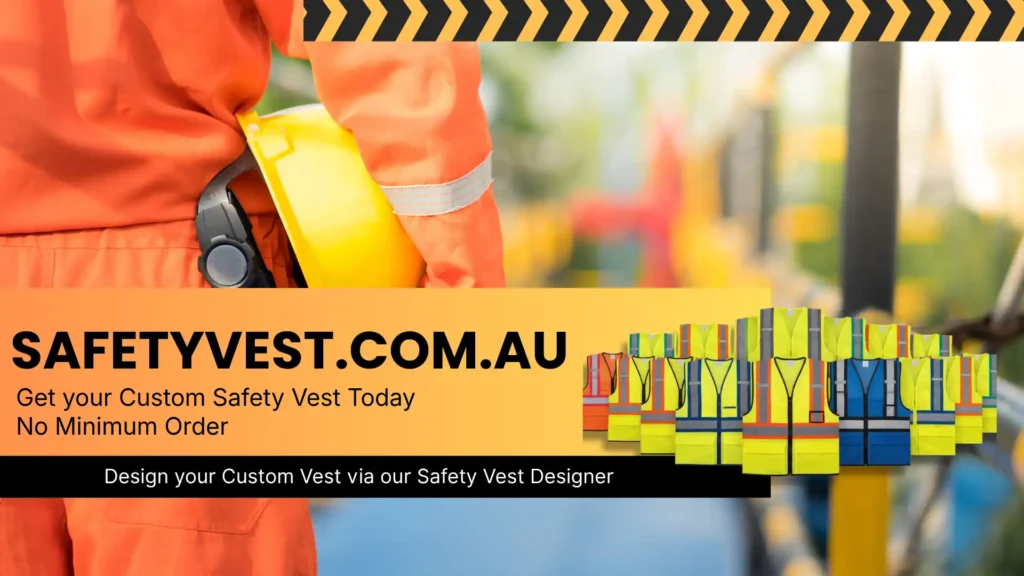
Ultimate Guide to 4‑Pocket Safety Vests: Boost Visibility, Organisation & Workplace Protection
When a crew member on a busy highway construction site reached for a spare hammer, the bright orange‑fluoro vest he was wearing slipped off his shoulders. The tool fell onto the traffic lane, forcing two trucks to brake hard and almost causing a serious collision. The incident could have been avoided with a properly fitted, compliant 4‑pocket hi‑vis vest that keeps essential tools within arm’s reach while staying securely on the wearer. In Australia, the difference between a vest that meets AS/NZS 4602.1 and one that doesn’t can mean the difference between a smooth shift and a hefty fine from SafeWork NSW. This guide breaks down everything you need to know about 4‑pocket safety vests – from the right class of vest to practical organising tips – so your team stays visible, organised and protected on‑site.
1. Which Class of Vest Do You Really Need?
| Vest Class | Typical Use | Minimum Tape Width | Required Colour(s) |
|---|---|---|---|
| Class D (Day) | Construction, warehousing, events | 50 mm reflective tape encircling torso | Fluorescent yellow‑green or orange‑red |
| Class N (Night) | Night‑time traffic control, mining night shifts | 50 mm reflective tape encircling torso | Same fluorescent colours, plus retro‑reflective strips |
| Class D/N (Day/Night) | Sites that run 24 hours, such as mining camps | 50 mm tape + high‑visibility night‑reflection | Fluorescent base colour, reflective tape |
| Class R (Roadwork) | Road construction, traffic management | 50 mm tape, plus additional reflective strips on sleeves | Fluorescent orange‑red base, reflective tape |
What this means on a real worksite:
If your crew is only working daylight hours on a warehouse loading bay, a Class D 4‑pocket vest satisfies AS/NZS 4602.1 and keeps the team compliant. Slip into a Class R vest for any road‑work scenario, and you’ll meet the extra reflective‑strip requirements mandated by WorkSafe Victoria and WHS Queensland.
2. Practical Tool‑Organisation Checklist
- Pocket Layout – Verify the vest has two front, one right‑chest and one left‑chest pocket; each should be at least 150 mm wide and 80 mm deep.
- Secure Closures – Zippers or hook‑and‑loop fasteners must stay closed when the wearer moves vigorously.
- Tool Allocation – Assign a specific pocket for each item (e.g., front‑right for pens & radios, front‑left for tape measures, chest pockets for small power tools).
- Weight Distribution – Keep heavy items (e.g., multi‑tools) low and centred to avoid pulling the vest off the shoulders.
- Visibility Check – Ensure reflective tape fully encircles the torso and is not hidden by pockets or branding.
On‑site tip: Run a quick “pocket test” each morning – ask the wearer to lift both arms overhead. If the vest rides up or the pockets gape, tighten the adjustable straps before work starts.
3. Where Sites Go Wrong
- Choosing the Wrong Vest Class – A night‑shift logistics team fitted with only Class D vests end up with poor retro‑reflection, prompting WHS Queensland to issue improvement notices.
- Faded Hi‑Vis Tape – After six months of harsh sun exposure, the reflective strips lose brightness, breaching AS/NZS 1906.4.
- Cheap Non‑Compliant Imports – Some overseas suppliers cut corners on tape width; 40 mm strips slip past the eye of an inspector but fail an audit.
- Incorrect Branding Placement – Large logos printed over reflective tape destroy its reflectivity, leading to a SafeWork NSW fine for non‑conformity.
What to do: Conduct a monthly vest audit using the checklist above, and replace any vest that shows pigment fade or tape wear.
4. Industry Examples
Construction
A multi‑storey residential build used 4‑pocket Class D vests with reinforced stitching. The fore‑arm pockets held multi‑tools, while the chest pockets stored site‑specific QR codes for daily safety briefings. By keeping tools handy, crew members reduced “stop‑and‑reach” incidents by 30 %.
Traffic Control
During a weekend road closure on the Pacific Highway, traffic controllers wore Class R 4‑pocket vests. The high‑visibility colour and reflective strips on the sleeves ensured drivers could spot controllers from a distance, while the right‑chest pocket safely housed hand‑held stop‑signs that could be accessed without removing the vest.
Warehousing
In a Sydney distribution centre, warehouse operatives fitted with Class D/N vests stored barcode scanners in the left chest pocket and a small first‑aid kit in the rear pocket. The night‑shift crew benefitted from the extra reflective tape, meeting both AS/NZS 4602.1 and the centre’s internal safety policy.
Mining
A Pilbara iron‑ore mine equipped its night‑crew with Class D/N 4‑pocket vests. The robust front pockets carried portable gas detectors, while the rear pocket held a compact flashlight. The consistent use of compliant hi‑vis gear helped the operation avoid a recent AS 1742.3 audit notice.
Events
A music festival on the Gold Coast used custom‑printed Class D vests for security staff. The front‑right pocket held two‑way radios; the left pocket carried a disposable tourniquet. Because the branding was placed outside the reflective strip area, the vests stayed fully compliant with AS/NZS 1906.4.
5. How to Choose the Right 4‑Pocket Vest for Your Site
- Identify the work environment – Day‑only, night‑only, or mixed?
- Match the vest class – Use the table in Section 1 as a quick reference.
- Check pocket durability – Look for double‑stitched seams and reinforced corners.
- Confirm compliance – Verify tape width (≥50 mm) and that it encircles the torso.
- Consider custom branding – Keep logos away from reflective zones; have them printed on the back or on a non‑reflective strip.
For a deeper dive into compliance, visit our Compliance Guide.
6. Getting the Right Fit and Finish
A vest that slides off the shoulders is a safety risk. Measure the wearer’s chest (around the fullest part) and add 5–10 cm for comfort. Most Australian manufacturers, including those behind Safety Vest, use adjustable shoulder straps and side sliders for a secure fit.
Bottom Line
Choosing the correct class, maintaining the reflective tape, and organising tools with the built‑in pockets are the three pillars of an effective 4‑pocket safety vest programme. Follow the checklist, avoid the common pitfalls, and tailor the vest to the specific demands of construction, traffic control, warehousing, mining or events. Your crew will stay visible, their tools will stay where they need them, and you’ll keep the regulators happy.
Ready to upgrade your fleet? Get in touch with the experts at Safety Vest for customised, compliant 4‑pocket hi‑vis solutions: Contact us today or explore our custom safety vests.
Safety Vest operates under Sands Industries, a trusted Australian manufacturer with a nationwide supply network. Learn more about the company’s capabilities at Sands Industries.