What Is a Reflective Safety Vest? The Ultimate Guide to High‑Visibility Gear, Benefits, and Buying Tips
A mate on a construction crew once walked off a concrete slab in broad daylight because his vest was the wrong colour‑class for the job. He wasn’t visible to the crane‑operator, the site shut down, and the crew earned a hefty fine from SafeWork NSW. That kind of mistake could have been avoided with a proper reflective safety vest that meets Australian standards. Below we break down exactly what makes a vest compliant, why it matters on every site, and how to pick the right one for your crew.
Reflective Safety Vest Basics: Classes and Compliance
In Australia high‑visibility (hi‑vis) vests are categorised by Class D (Day), Class N (Night), Class D/N (Day/Night), and Class R (Roadwork). Each class is defined in AS/NZS 4602.1 and must use reflective tape that complies with AS/NZS 1906.4 – at least 50 mm wide and wrapped around the torso.
Only the following fluorescent colours are accepted: yellow‑green and orange‑red. Any vest that doesn’t encircle the torso, or that uses non‑compliant tape, fails the test under AS 1742.3 and can be pulled from the site by WorkSafe Victoria, WHS Queensland, or SafeWork NSW.
What does this mean on a real worksite? A night‑shift operator in a mine will need a Class N vest with full‑width reflective bands, while a traffic‑control team on an open road must wear a Class R vest that is visible from both directions.
Why High‑Visibility Gear Matters on Australian Sites
Put simply, a reflective safety vest is the first line of defence against accidents. The bright fluorescent background catches the eye in daylight, and the reflective strips bounce back light from vehicle headlights in low‑light conditions.
- Reduced collision risk: Studies from the Australian Road Safety Foundation show a 30 % drop in vehicle‑worker incidents when workers wear compliant hi‑vis gear.
- Regulatory compliance: Failing to provide the correct vest class can result in fines up to $22 000 per breach and a shutdown of the work area.
- Improved morale: Workers who feel protected are more focused and less likely to take shortcuts that could endanger the team.
Buying Tips: Picking the Right Vest for Your Work
When you’re shopping for a reflective safety vest, ask yourself these questions:
- What class does the job require? (Construction = Class D, Roadwork = Class R, Night‑shift = Class N.)
- Is the colour approved for the environment? Yellow‑green for most sites, orange‑red for traffic‑control zones.
- Does the tape meet AS/NZS 1906.4 and encircle the torso?
- Will the vest need custom branding? If so, positioning must not obscure the reflective strips.
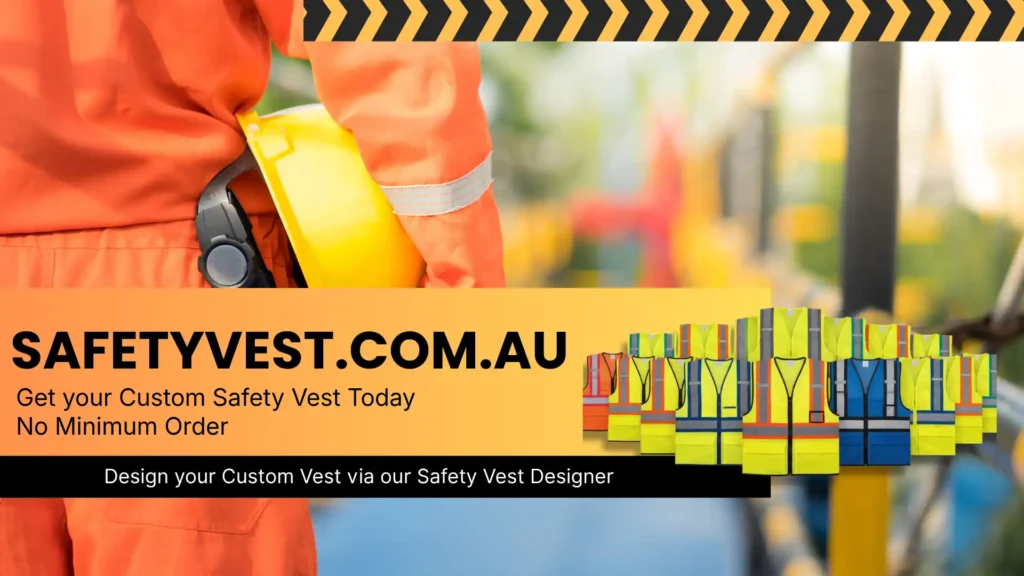
For sites that need a uniform look, Safety Vest offers custom‑designed hi‑vis vests that keep the reflective zones intact while showcasing your logo. Learn more on the custom safety vests page.
Practical Checklist: Vetting a Reflective Safety Vest
| ✔️ Item | What to Look For | Why It Matters |
|---|---|---|
| Correct class (D, N, D/N, R) | Verify label against job risk assessment | Ensures legal compliance |
| Approved colour (fluorescent yellow‑green/orange‑red) | Check fabric colour under daylight | Maximises visibility |
| Reflective tape ≥ 50 mm, AS/NZS 1906.4 | Measure tape width; ensure full‑wrap | Provides required night‑time return |
| Durable material (tear‑resistant, UV‑stable) | Feel for grit‑resistant weave | Longer life, less replacement cost |
| Branding placement | Logo must not cover reflective zones | Keeps compliance intact |
| Certification documentation | Request AS/NZS 4602.1 test report | Proves compliance to regulators |
Use this checklist when you receive a sample or place an order. It’s a quick way to avoid the common pit‑falls that can cost time and money.
Where Sites Go Wrong with Hi‑Vis Vests
That’s where most sites get it wrong:
- Wrong vest class: A night‑shift crew using a Class D vest, leaving them invisible to driver headlights.
- Faded reflective tape: After months of exposure, the tape loses its sparkle, reducing night‑time visibility.
- Cheap non‑compliant imports: Overseas vests often lack the 50 mm tape or use unapproved colours, inviting regulatory action.
- Incorrect branding placement: Logos printed over the reflective strip defeat the vest’s purpose.
If any of these sound familiar, it’s time to audit your current stock against the checklist above and replace the non‑compliant items.
Industry‑Specific Examples of Correct Vest Use
| Industry | Typical Vest Class | Key Application |
|---|---|---|
| Construction | Class D (Day) | Workers on scaffolding, concrete pours, and site walkthroughs. |
| Traffic control | Class R (Roadwork) | Flaggers and lane‑clearance crews on highways. |
| Warehousing | Class D/N (Day/Night) | Fork‑lift operators working in low‑light aisles. |
| Mining | Class N (Night) | Underground drill crews and surface contractors during night shifts. |
| Events | Class D (Day) | Security and crowd‑control staff at festivals and sporting venues. |
Each scenario shows how the correct class and colour keep workers safe while satisfying the local regulator – be it SafeWork NSW, WorkSafe Victoria, or WHS Queensland.
FAQs about Reflective Safety Vests
Q: Can I wash a hi‑vis vest without damaging the reflective tape?
A: Yes. Use a gentle cycle with cold water and avoid bleach. Let it air‑dry; tumble‑dry can melt the tape.
Q: How often should I replace a reflective safety vest?
A: Inspect monthly. Replace when tape is cracked, faded, or the garment shows excessive wear – typically every 2–3 years for high‑usage sites.
Q: Are custom‑printed vests still compliant?
A: Absolutely, provided the branding does not cover any part of the reflective strip or alter the colour of the background fabric.
Q: Where are these vests manufactured?
A: Safety Vest’s products are produced in Australia under the umbrella of Sands Industries, a leading manufacturer with a track record of meeting AS/NZS standards. More about their capabilities can be found at Sands Industries.
A reflective safety vest isn’t just a piece of bright clothing – it’s a legally‑required safety tool that can mean the difference between a smooth shift and a costly shutdown. Use the checklist, verify the correct class, and keep an eye on wear and branding. Got questions or need a custom solution? Reach out via the contact page or explore our range of compliant hi‑vis gear on the products page. Stay visible, stay safe.