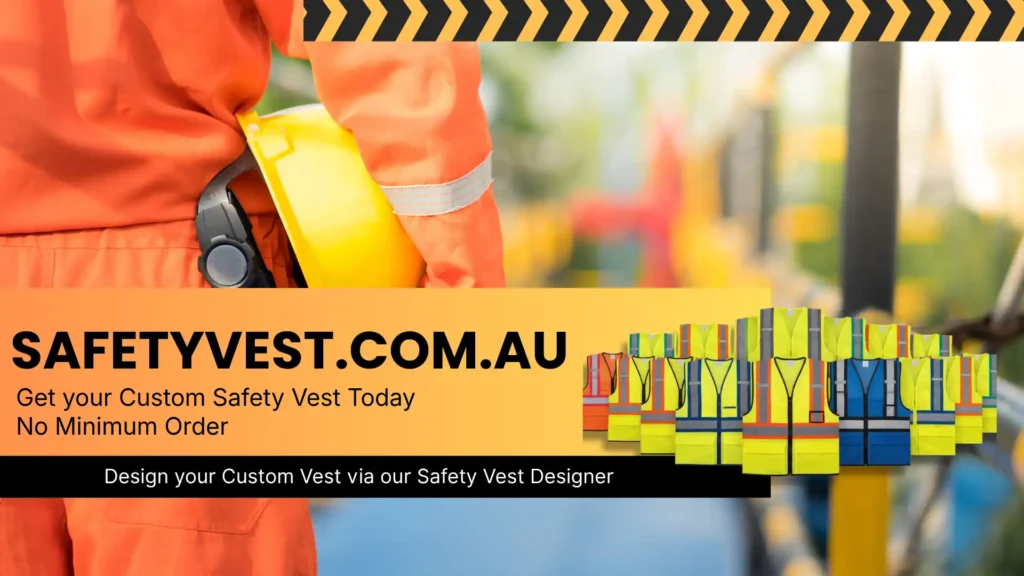
Safety Vests Australia: The Ultimate Guide to Selecting, Styling, and Staying Compliant with High‑Visibility Workwear
On a bustling construction site in western Sydney, a newly‑inducted apprentice’s orange‑red vest had faded to a dull pink after just two weeks. He missed a low‑clearance sign, slipped, and caused a near‑miss that could have shut the whole precinct down. The incident wasn’t a lack of skill – it was a compliance failure. When a vest doesn’t meet the AS/NZS standards, the risk of injury spikes, fines from SafeWork NSW or WorkSafe Victoria mount, and productivity stalls. That’s why getting the right safety vests Australia right the first time is non‑negotiable. Below is a hands‑on guide that walks you through the classes, the colour and tape rules, practical styling tips and the common pitfalls that bite most sites.
Understanding the Classes of Safety Vests
| Vest Class | When to Use | Key Tape Requirement* |
|---|---|---|
| Class D (Day) | General site work, daylight hours | 50 mm reflective tape encircling torso |
| Class N (Night) | Low‑light or night‑time tasks | Same tape width, night‑time luminescent colour optional |
| Class D/N (Day/Night) | Shifts that span daylight into dark | Combines D and N requirements |
| Class R (Roadwork) | Traffic control, road‑work zones | 50 mm tape, high‑visibility orange‑red or yellow‑green, must wrap torso and sleeves |
*Tape must meet AS/NZS 1906.4 and be applied in a continuous band around the torso.
What does this mean on a real worksite?
If you’re supervising a night‑shift crew in a mining depot, a Class N vest is the only legal option. Slip a Class D onto a night crew and you’re exposing them to a breach of AS/NZS 4602.1 and a potential hefty fine.
Compliance Checklist for High‑Visibility Workwear
- Colour – Fluorescent yellow‑green or orange‑red only (AS 1742.3).
- Reflective Tape – Meets AS/NZS 1906.4, minimum 50 mm width, encircles torso.
- Class Matching – Vest class aligns with the task (Day, Night, Day/Night, Roadwork).
- Durability – Fabric must pass AS/NZS 2980 (tear resistance, colour fastness).
- Branding – Logos or text must not obscure reflective strips or cover more than 10 % of the surface.
- Inspection – Weekly visual check for fading, tears, or delamination.
Use this checklist on every site entry point; a quick 5‑minute glance can stop a compliance breach before it costs a day’s work.
Where Sites Go Wrong
That’s where most sites get it wrong:
- Wrong Vest Class – Plugging a Class D vest onto a night‑time traffic controller because it “looks good”.
- Faded Hi‑Vis – Cheap imports lose fluorescence after a few washes, yet crews keep wearing them.
- Non‑Compliant Imports – Some overseas suppliers claim “high‑visibility”, but the tape doesn’t meet AS/NZS 1906.4.
- Branding Overload – Large company logos printed over reflective tape defeat the purpose of visibility.
The result? Increased incident reports, non‑conformity notices, and, in worst cases, site shutdowns.
Industry‑Specific Vest Choices
- Construction – Class D for daytime builds, Class D/N for sites that run 24 hours. Sleeved vests are popular for crane operators.
- Traffic Control – Class R is mandatory; sleeves and reflective cuffs protect road workers from passing vehicles.
- Warehousing – Class D with high‑visibility sleeves, especially where forklifts operate in low‑light aisles.
- Mining – Class N for underground shifts; heavy‑weight fabric resists abrasions.
- Events – Custom‑designed vests with event branding, but keep logos under 10 % to stay compliant.
Each sector can find ready‑made options on the products page, or request a bespoke cut through the custom safety vests service.
Practical Steps to Choose and Style Your Vest
- Identify the Work‑type – Day, night, mixed, or roadwork.
- Select the Correct Class – Match the class to the identified work‑type.
- Pick an Approved Colour – Yellow‑green for general sites, orange‑red for road zones.
- Check Tape Width & Placement – Verify at least a 50 mm band wraps around the torso.
- Fit for Comfort – Ensure the vest allows full range of motion; a loose fit can snag on equipment.
- Add Minimal Branding – Use reflective‑compatible printing or embroidered patches placed away from the tape.
Put simply, a well‑chosen vest is a small investment that saves you from costly compliance breaches and, more importantly, keeps your crew visible and safe.
Frequently Asked Questions
Q: Can I use a Class D vest for night‑time work if I add a reflective hat?
A: No. The vest class is mandated by the work‑time, not the accessory. You need a Class N or D/N vest.
Q: How often should reflective tape be inspected?
A: At least once per shift change. Look for cracks, peeling or loss of reflectivity.
Q: Are locally‑manufactured vests better than imports?
A: Generally, yes. Australian makers follow AS/NZS standards from the factory floor. Sands Industries, the parent of Safety Vest, sources all fabric and tape from accredited Aussie suppliers, ensuring compliance from the start.
Key Takeaways
- Choose the correct vest class (D, N, D/N, R) for the task and time of day.
- Stick to the two approved fluorescent colours and the 50 mm reflective tape rule.
- Run the compliance checklist weekly; a quick visual inspection prevents fines and injuries.
- Avoid common pitfalls like faded vests, oversized logos, and non‑compliant imports.
Ready to lock down compliance before the next safety audit? Get a free fit‑check and quote from the experts at safetyvest.com.au or contact us directly through the contact us page. Your crew’s visibility is only as good as the vest they wear – make sure it’s the right one.