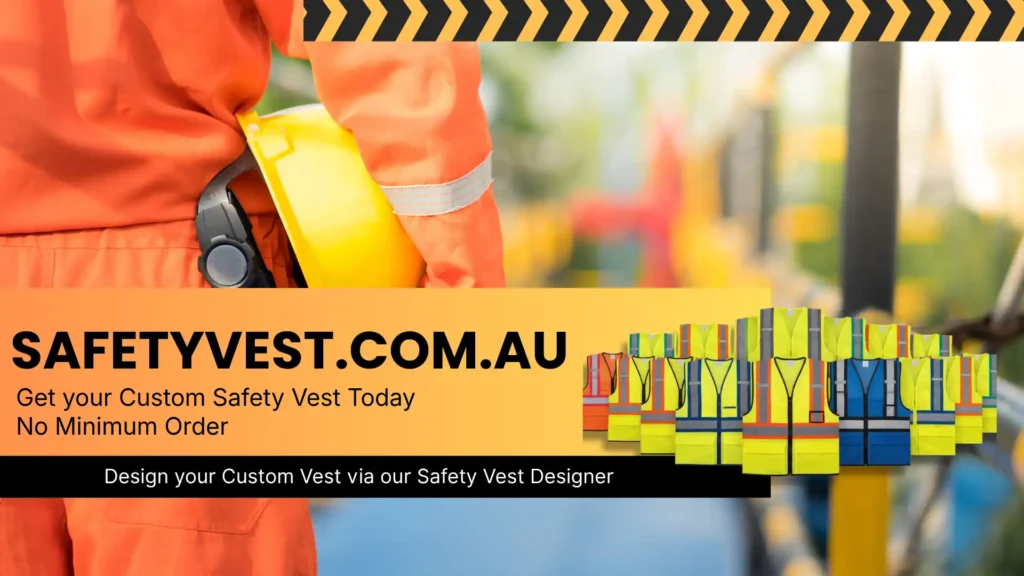
Hi Vis Vest High Quality: The Ultimate Guide to Choosing Durable, Safe & Bright Workwear for Maximum Protection
When the Wrong Vest Leads to a Near‑Miss
On a busy construction site in Sydney, a scaffold erector slipped on a wet steel deck because his hi‑vis jacket had faded to a dull yellow after just two weeks. The reflective tape no longer met the 50 mm width required by AS/NZS 1906.4, and the supervisor was forced to stop work while a compliant hi vis vest high quality replacement arrived. The shutdown cost the crew thousands and highlighted how a cheap, non‑compliant vest can turn a routine task into a safety incident.
Understanding Australia’s Hi‑Vis Classifications – Compliance Basics
A high‑quality vest starts with the correct class:
| Class | Typical Use | Minimum Day‑time Visibility | Night‑time Visibility |
|---|---|---|---|
| D | General site work, low‑risk traffic | Fluorescent yellow‑green or orange‑red with reflective tape | – |
| N | Night or low‑light tasks | – | Fluorescent background plus reflective tape |
| D/N | Jobs that swing between day and night | Combination of D and N features | – |
| R | Roadwork and traffic control | Wider reflective bands (minimum 63 mm) | – |
All tape must meet AS/NZS 1906.4, be at least 50 mm wide, and wrap fully around the torso. Colours must be fluorescent yellow‑green or fluorescent orange‑red and comply with AS/NZS 4602.1, AS/NZS 2980, and AS 1742.3. Enforcement bodies such as SafeWork NSW, WorkSafe Victoria and WHS Queensland routinely audit these standards.
Why a Hi Vis Vest High Quality Matters on Site
A high‑quality vest does more than glow.
- Durability – Heavy‑weight polyester/cotton blends resist tearing, even when snagged on rebar or conveyor belts.
- Colour retention – UV‑stable dyes keep the background bright after months of sun exposure.
- Reflective integrity – Double‑sided tape and reinforced stitching ensure the tape stays in place through washes and abrasive conditions.
- Fit and comfort – Ergonomic cuts and breathable mesh panels reduce fatigue, encouraging personnel to wear the vest for the whole shift.
When these factors combine, the vest becomes a reliable line of defence, not a fashion afterthought.
Practical Checklist – Picking the Right Vest for Your Site
| Item | What to Look For | Real‑World Impact |
|---|---|---|
| Class suitability | Confirm D, N, D/N or R matches the task | Prevents regulatory breaches |
| Fabric weight | ≥ 300 gsm for high‑wear environments | Extends service life |
| Reflective tape width | Minimum 50 mm, fully encircling torso | Guarantees visibility from all angles |
| Colour fastness | UV‑treated dye, no fading after 6 months | Maintains high‑visibility |
| Stitch quality | Reinforced double‑needle seams on tape edges | Stops tape peeling under stress |
| Branding placement | Logos positioned away from reflective zones | Keeps visibility uncompromised |
| Compliance certification | Labels referencing AS/NZS 1906.4 & AS/NZS 4602.1 | Easy audit proof for SafeWork inspectors |
Use this checklist on every purchase – it’s the easiest way to ensure you’re getting a hi vis vest high quality product that won’t let you down when the rubber meets the road.
Where Sites Go Wrong
- Choosing the wrong class – A traffic‑control crew using a Class D vest at night loses visibility, inviting fines from WorkSafe Victoria.
- Faded hi‑vis after a few washes – Cheap imports often use non‑UV‑stable dyes; the vest looks bright in the store but turns pastel after exposure.
- Cheap non‑compliant imports – Some overseas suppliers ignore AS/NZS 1906.4, delivering tape that peels after a single wash.
- Branding placed over reflective tape – Logos printed directly on the tape block reflection, reducing the wearer’s conspicuity.
These mistakes are easy to avoid when you stick to a proven supplier and run the checklist above.
Industry Snapshots – How Different Sectors Choose Their Vests
Construction – Workers on multi‑storey sites prefer Class D/N vests with reinforced shoulder panels for tool‑belt clearance.
Traffic Control – Highway crews opt for Class R vests with extra‑wide rear tape (≥ 63 mm) to meet AS 1742.3 road‑work specifications.
Warehousing – Forklift operators favour lightweight, breathable Class D vests that stay cool during long shifts.
Mining – Underground crews require robust, flame‑retardant fabrics; a hi vis vest high quality for mining must also meet AS 4501‑2 for fire resistance.
Events – Security staff use Class D vests in fluorescent orange‑red for crowd‑control visibility, paired with night‑time reflective strips for after‑dark patrols.
All these sectors rely on the same compliance backbone, but tweak fabric weight, pocket placement and colour to suit their unique hazards.
Frequently Asked Questions
Q: Do I need a separate night‑time vest?
A: If work extends past sunset, a Class N or D/N vest is required. Some high‑quality vests integrate both day‑time colour and reflective tape, simplifying inventory.
Q: How often should I replace a hi‑vis vest?
A: Inspect for torn seams, peeled tape or faded colour every three months. Replace when any of these signs appear – the cost of a new vest is far less than a potential fine.
Q: Can I customise the vest with my company logo?
A: Yes, but ensure the logo sits on the fabric, not on the reflective tape. Our custom safety vests service respects this rule while letting you maintain brand visibility.
Getting the Right Vest for Your Team
When you source from a reputable Australian manufacturer, you benefit from local testing against AS/NZS 4602.1 and AS/NZS 1906.4. Sands Industries, the parent of Safety Vest, runs a state‑of‑the‑art production line that guarantees each batch meets every standard – from colour fastness to tape durability. Learn more about their capabilities at 👉 https://sandsindustries.com.au/.
If you’re ready to equip your crew with a hi vis vest high quality solution, start with the checklist above and reach out to the experts at safetyvest.com.au. A quick chat can clarify class needs, custom branding options and bulk pricing – all aimed at keeping your site safe and compliant.
Key takeaways
- Match the vest class (D, N, D/N, R) to the exact work conditions.
- Verify fabric weight, UV‑stable colour and 50 mm reflective tape that encircles the torso.
- Use the practical checklist to weed out cheap, non‑compliant imports.
- Tailor the choice to industry‑specific hazards, but never compromise on the core standards.
For a personalised quote or to discuss custom designs, visit our contact page now: https://safetyvest.com.au/contact-us. Your workers’ safety—and your peace of mind—starts with a high‑quality hi‑vis vest.