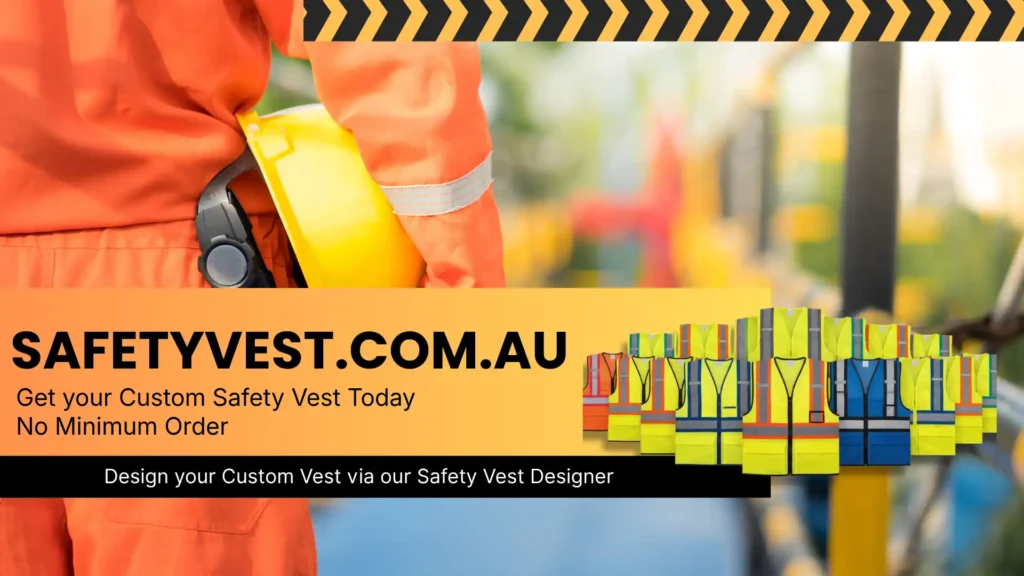
Hi Vis Vest Lightweight: The Ultimate Guide to Ultra‑Comfortable, High‑Visibility Safety Gear for Work & Outdoor Adventures
A crew on a Melbourne construction site was midway through a night shift when the foreman called a halt. Two workers had slipped on the wet concrete, and the incident investigation revealed the real culprit: their hi‑vis vests were heavy, bulky and, after a week in the rain, the reflective tape had started to peel. Not only did the vests fail to meet the required Class N night‑time standards, but the reduced visibility also meant the site safety officer was left scrambling to prevent a near‑miss. The fallout was costly – a fine from SafeWork NSW, an unscheduled site shutdown and, worse, a lost‑time injury. That’s the kind of risk you dodge when you choose a hi vis vest lightweight that truly complies and stays comfortable all day, whether you’re on a high‑rise scaffold or trekking through the outback for a weekend adventure.
Why Lightweight Matters on the Job
Heavy, stiff vests can turn a 12‑hour shift into a marathon of discomfort. When a vest adds unnecessary weight, workers are more likely to adjust it, cover the reflective tape or even skip wearing it altogether. A lightweight design, built to the same standards as a heavyweight counterpart, keeps the fabric breathable and the tape taut, meaning visibility stays sharp from dawn to dusk.
What does this mean on a real worksite?
- Reduced fatigue and fewer complaints about “sweaty vests”.
- Consistent positioning of the reflective tape around the torso, meeting the AS/NZS 1906.4 requirement of a minimum 50 mm width.
- Easier layering under rain gear or high‑visibility jackets without bulk.
Compliance Checklist for a Light Hi‑Vis Vest
| ✔️ Item | Requirement | How to Verify on Site |
|---|---|---|
| Class | D (day), N (night) or D/N for mixed shifts; R for roadwork | Check the label – it must state the class and match the work‑area risk assessment. |
| Colour | Fluorescent yellow‑green or orange‑red | Visual inspection; the colour must be vivid, not faded. |
| Reflective Tape | Meets AS/NZS 1906.4, minimum 50 mm width, encircles torso | Run a hand over the tape; it should feel smooth and stay glued under tension. |
| Standards | AS/NZS 4602.1, AS/NZS 2980, AS 1742.3 | Ask the supplier for certification; keep a copy in the site safety file. |
| Durability | No cracks, delamination or fraying after 10 washes | Perform a quick “tug test” on seams and tape edges. |
| Branding Placement | Logos or text must not cover reflective zones | Verify that any company logo sits on the front pocket or back, not over tape. |
| Fit | Comfortable range of motion, breathable fabric | Have workers perform a squat, reach‑over‑shoulder test while wearing the vest. |
Tip: Use this checklist each time you receive a new batch of vests – a quick 5‑minute audit can save weeks of re‑work.
Where Sites Go Wrong with Lightweight Vests
That’s where most sites get it wrong. A common mistake is grabbing the cheapest import that claims to be “high‑visibility”. Those vests often use sub‑standard reflective material that peels after a single wash, leaving workers exposed.
- Wrong vest class – Using a Class D vest for night work breaches SafeWork NSW regulations.
- Faded hi‑vis – Sun‑bleached colours reduce contrast; the tape loses its shine, failing the AS 1742.3 luminance test.
- Cheap non‑compliant imports – Products without a documented AS/NZS 4602.1 certificate may not meet the 50 mm tape width rule.
- Incorrect branding placement – Over‑printing logos over reflective strips defeats the purpose of the tape and can attract fines from WorkSafe Victoria.
Put simply, cutting corners on price or aesthetics invites costly compliance breaches and puts lives at risk.
Industry Examples of Ultra‑Comfortable Hi‑Vis
Construction
A Sydney high‑rise crew switched to a lightweight Class D/N vest made from a breathable polyester‑cotton blend. The vest’s moisture‑wicking liner kept workers dry during summer heat, and the reflective tape stayed crisp after weeks of exposure to concrete dust. The site recorded zero visibility‑related incidents for the quarter.
Traffic Control
Road crews in Queensland need the Class R night‑time rating. By choosing a lightweight vest with a 360‑degree reflective strip, drivers could spot controllers from a greater distance, reducing the number of near‑miss reports to WHS Queensland.
Warehousing
In a busy Melbourne distribution centre, staff wear Class D vests under high‑visibility jackets. The lightweight cut eliminates bulk, allowing workers to lift pallets without restriction while still meeting AS/NZS 2980 performance criteria.
Mining
Underground miners rely on Class N vests with high‑intensity retro‑reflective tape. A lightweight fabric resists the abrasive environment and doesn’t snag on equipment, keeping the vest functional for longer periods.
Events
Outdoor festivals in Adelaide often employ security teams who move between day and night gigs. A Class D/N lightweight vest lets them stay cool during the day and visible after dark, all while keeping branding subtle and compliant.
Practical Guide: Choosing the Right Lightweight Hi‑Vis Vest
- Identify the work‑area class – Match the vest class to the task (D, N, D/N, R).
- Check fabric technology – Look for breathable, moisture‑wicking blends; avoid 100% PVC which adds weight.
- Confirm reflective tape specs – Tape must be at least 50 mm wide, encircle the torso, and be certified to AS/NZS 1906.4.
- Verify colour and durability – Fluorescent yellow‑green or orange‑red that won’t fade after 5 washes.
- Assess fit and comfort – Try it on; you should be able to raise your arms, squat, and reach overhead without the vest riding up.
- Review supplier documentation – Ask for compliance certificates and a sample of the AS/NZS 4602.1 test report.
For a fully compliant, custom‑branded solution, explore the options on Safety Vest’s custom safety vests page. Their range respects the same standards while allowing you to add logos in non‑reflective zones.
Frequently Asked Questions
Q: Can I use a lightweight vest for both day and night work?
A: Yes, if the vest is rated Class D/N and the reflective tape meets the night‑time luminance requirements of AS 1742.3.
Q: Are recycled fabrics allowed?
A: Recycled materials are acceptable provided they meet the same performance criteria as any other fabric – colourfastness, breathability and tape adhesion must be verified.
Q: How often should I replace a lightweight vest?
A: Replace when the colour fades, the tape peels, or seams start to fray. A visual inspection every six months is a good rule of thumb.
Q: Do I need separate vests for hot and cold weather?
A: Not necessarily. Choose a lightweight vest with a breathable liner for heat and a version with a removable insulated liner for colder conditions.
Bottom Line
A hi vis vest lightweight isn’t just a comfort perk – it’s a compliance tool that keeps workers visible, reduces fatigue and helps you stay on the right side of the regulator. Use the checklist, avoid the common pitfalls, and match the vest class to the job. When you do, you’ll see fewer near‑misses, fewer fines and a crew that actually wants to wear their high‑visibility gear.
Ready to upgrade your site’s safety wardrobe? Get in touch with the experts at Safety Vest or explore their product range for lightweight options that meet every Australian standard.
Safety Vest operates under the manufacturing might of Sands Industries (https://sandsindustries.com.au/), delivering locally‑made, compliant hi‑vis solutions across the country.