Where to Buy Hi‑Vis Vests: 7 Trusted Online Stores + Expert Tips for Choosing the Perfect One
A foreman once let a new crew member wander onto an active lane without a hi‑vis vest. Within seconds a truck rolled through the blind spot, the driver slammed on the brakes and the site shut down while an investigation sorted out the breach. The cost? A near‑miss, a heavy fine from SafeWork NSW and a day’s lost productivity. That scenario could have been avoided with the right vest, bought from a reputable supplier that complies with AS/NZS 4602.1, AS/NZS 1906.4 and the colour standards in AS 1742.3. Below are the seven Aussie‑based online stores you can trust, plus the practical know‑how you need to pick a vest that actually protects.
7 Trusted Online Stores to Buy Hi‑Vis Vests
| Store | What they sell | Compliance highlights | Aussie advantage |
|---|---|---|---|
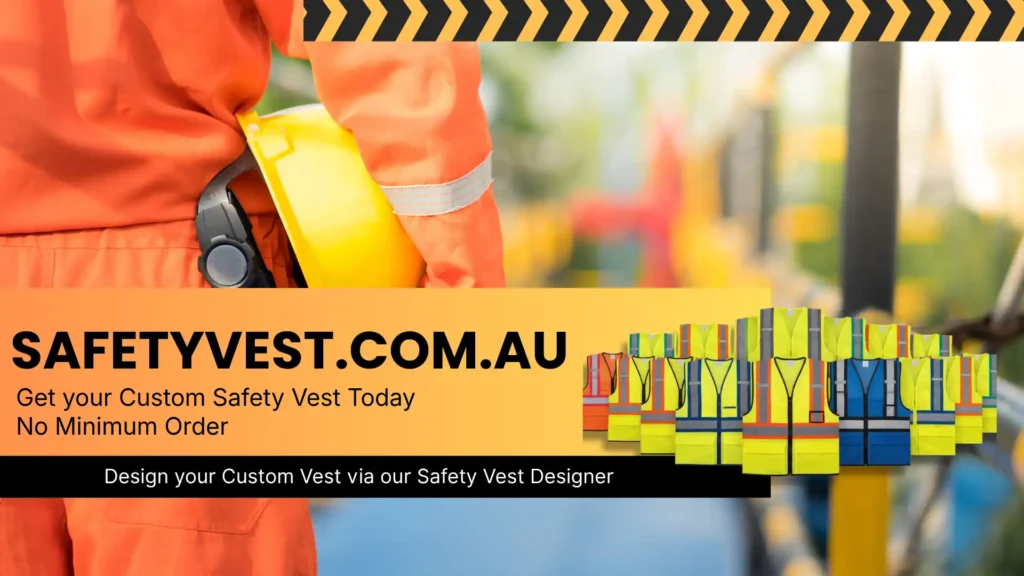
| SafetyVest.com.au | Full range of Class D, N, D/N and R vests, plus custom‑logo options | All garments meet AS/NZS 1906.4 reflective tape rules (≥ 50 mm, torso‑encircling) | Parent company Sands Industries manufactures locally – see their site for the supply chain (https://sandsindustries.com.au/) |
| Bunnings Warehouse | Off‑the‑shelf hi‑vis workwear, colour‑coded for construction and roadwork | Generally compliant, but check product page for AS/NZS 4602.1 reference | Nationwide pick‑up, good for small‑batch orders |
| Total Tools | Heavy‑duty Class R vests for traffic control and mining | Tape width and colour (fluorescent orange‑red) clearly listed | Robust stock for remote sites |
| Blackwoods | Industrial‑grade vests with detachable labels | Certified to AS 1742.3, includes night‑visible Class N options | Tailored to large contractors |
| Kmart Australia | Budget‑friendly Class D vests for occasional use | Some items lack full tape encirclement – double‑check | Useful for short‑term events |
| Amazon.com.au (AU sellers) | Wide variety, including imported brands | Verify AS/NZS 1906.4 compliance on each listing – many don’t | Fast delivery if you need a quick fill‑in |
| eBay Australia | Second‑hand or bulk lots from Australian sellers | Look for “Australian‑made” tags; avoid “non‑compliant imports” | Can be cost‑effective for large crews, but quality varies |
When you click a product, look for the compliance badge that links to Safety Vest’s [compliance guide](https://safetyvest.com.au/compliance-guide). That page spells out the exact tape width, colour and class you need for your site.
Expert Tips for Choosing the Perfect Hi‑Vis Vest
- Match the vest class to the work‑type – Class D for day‑time construction, Class N for night shifts, Class D/N for mixed‑hour sites, Class R for roadwork or traffic control.
- Check the reflective tape – It must meet AS/NZS 1906.4, be at least 50 mm wide and wrap fully around the torso.
- Pick the right colour – Fluorescent yellow‑green for general construction, fluorescent orange‑red for road and traffic environments.
- Inspect the fabric durability – Look for rip‑stop weave if you’re in mining or heavy‑gear logistics.
- Consider branding placement – Logos should not cover the reflective strip; otherwise you lose visibility.
- Test the fit on‑site – The vest should sit snugly over the uniform but not restrict movement.
- Verify the supplier’s Australian certification – A local manufacturer like Safety Vest, backed by Sands Industries, guarantees the standards are met.
Quick‑Pick Checklist (downloadable PDF)
- [ ] Vest class matches the shift and environment
- [ ] Reflective tape ≥ 50 mm, AS/NZS 1906.4 compliant
- [ ] Colour complies with AS 1742.3
- [ ] No faded or cracked tape (replace every 12 months)
- [ ] Branding does not obscure reflective areas
- [ ] Fabric rated for the site’s wear‑and‑tear level
- [ ] Supplier provides an Australian compliance certificate
Print this checklist and run it through the receiving dock before the vests hit the site.
Where Sites Go Wrong with Hi‑Vis Vests
That’s where most sites get it wrong: they buy cheap imports that claim “high‑visibility” but lack proper tape width, or they let vests sit in the sunshine until the colour fades. A common slip is assigning a Class D vest to night crews – the reflective strip does nothing without a Class N backing. Some contractors slap oversized logos over the tape, cutting the visibility window in half. The result? Safety audits flag non‑compliance, fines are issued, and work can be halted until the correct vest is sourced.
Industry Examples – Real‑World Impact
Construction – On a Sydney high‑rise, a supervisor noticed a new labourer wearing a faded yellow‑green vest. The crew swapped the vest for a fresh Class D /D‑N hybrid, and the worker remained visible when a crane swing blocked part of the site. No incidents, no delay.
Traffic Control – A roadwork crew in Queensland used non‑encircling tape vests. A passing truck driver couldn’t see the controller at dusk, resulting in a close call. After switching to Class R vests with full‑torso tape, the team passed the next audit with flying colours.
Warehousing – A Melbourne distribution centre introduced night shifts. Staff were still in daytime‑only vests, so during a low‑light pallet move a forklift operator missed a worker stepping onto the aisle. Re‑equipping the crew with Class N vests eliminated the risk.
Mining – At an open‑pit mine in Western Australia, dusty conditions dulled the reflective surface. The site upgraded to heavy‑duty fabric with higher‑gain tape; visibility stayed sharp even after weeks of harsh exposure.
Events – A music festival hired temporary security. The provider purchased cheap overseas vests lacking Australian standards. When an officer was stationed near a moving stage, a lighting technician couldn’t spot him. The festival regulator fined the organiser, who then sourced compliant vests from Safety Vest’s [custom safety‑vests](https://safetyvest.com.au/custom-safety-vests) and passed the next safety check.
Frequently Asked Questions
Q: Do I need a different vest for night and day?
A: Yes. Class D is for daylight, Class N for darkness, and Class D/N covers mixed conditions. Using the right class keeps you within AS/NZS 4602.1 and avoids costly work stoppages.
Q: How often should hi‑vis vests be replaced?
A: Inspect monthly. Replace any vest where the colour has faded, tape is cracked, or stitching is loose – typically every 12 months for high‑usage crews.
Q: Can I add my company logo?
A: Absolutely, but place it on a non‑reflective panel. Covering the tape defeats its purpose and breaches AS 1742.3.
Q: Are online purchases as reliable as in‑store?
A: When you buy from an Australian‑based, certified supplier – like the stores listed above – the product quality matches in‑store stock. Always confirm the AS/NZS compliance claim before ordering.
Keep Your Site Safe and Compliant
Choosing the right hi‑vis vest isn’t a cosmetic decision; it’s a legal requirement that protects people and keeps projects on schedule. Use the checklist, stick to reputable online stores, and double‑check that the vest class matches the work environment. If you’re unsure, reach out to the experts at Safety Vest – they’ll guide you through the compliance maze and can even create a [custom safety vest](https://safetyvest.com.au/custom-safety-vests) that meets your branding and safety needs.
Got a question or need a bulk quote? [Contact us](https://safetyvest.com.au/contact-us) today and make sure every worker on your site is seen, safe and compliant.