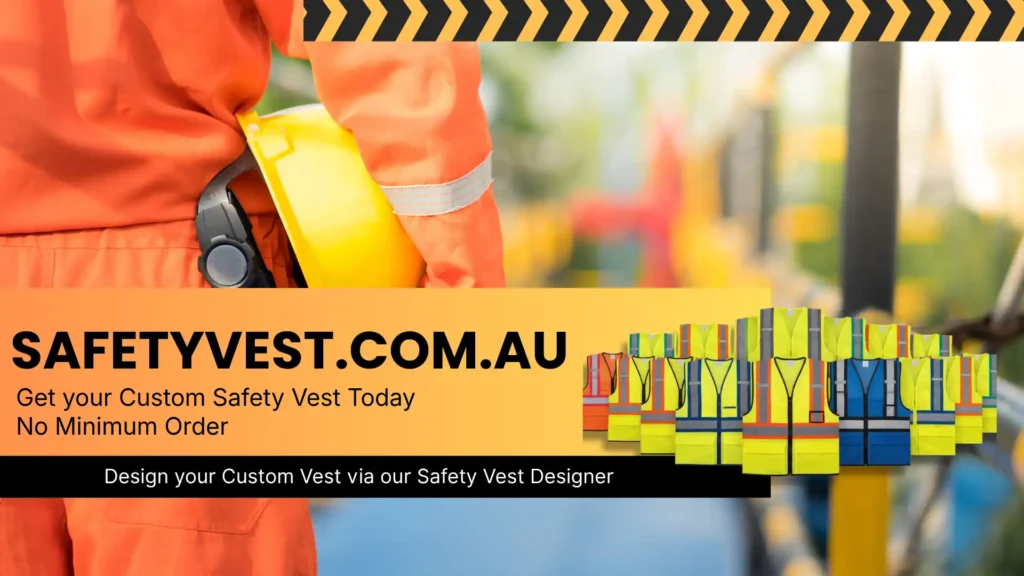
Your Ultimate Guide to hi vis vest dublin: Top Picks, Safety Tips, and Where to Buy the Best High‑Visibility Gear
A forklift operator on a bustling Dublin dockyard lifted a load without a proper hi‑vis vest. Within seconds the steel bar slipped, grazing a passer‑by’s leg. The incident could have been a fine‑grained workplace injury, but because the vest didn’t meet the required colour and reflective‑tape standards, the regulator stamped a heavy fine on the site and halted work for a day. That split‑second lapse shows why picking the right hi vis vest dublin isn’t just a fashion choice – it’s a legal necessity that protects people and keeps projects moving.
What the Australian Standards Mean for Dublin Sites
Even though you’re sourcing gear in Dublin, the same safety principles that govern Australian worksites apply under EU‑wide PPE directives. The key Aussie benchmarks are:
| Vest Class | When to Use | Minimum Tape Width | Required Colours |
|---|---|---|---|
| Class D (Day) | Indoor or well‑lit outdoor work | 50 mm | Fluorescent yellow‑green or orange‑red |
| Class N (Night) | Low‑light environments | 50 mm | Same fluorescent shades, plus reflective tape |
| Class D/N | Day‑to‑night shifts | 50 mm | Fluorescent base, full‑torso tape |
| Class R (Roadwork) | Traffic‑control or road‑maintenance | 50 mm | Fluorescent orange‑red base, reflective tape |
All reflective tape must meet AS/NZS 1906.4 and be sewn so it encircles the torso – a single strip on the front isn’t enough. The vest’s colour and tape must be verified against AS/NZS 4602.1, AS/NZS 2980, and AS 1742.3. In Ireland, the Health and Safety Authority (HSA) mirrors these criteria, so buying a vest that complies with Australian standards will automatically tick the EU boxes.
Where Sites Go Wrong
- Wrong vest class for the task – A night‑shift crew in a warehouse keeps using a Class D vest, leaving workers invisible under low‑light LED strips.
- Faded hi‑vis fabric – Sun‑bleached or washed‑out vests lose the fluorescent brightness required for quick detection.
- Cheap non‑compliant imports – Low‑cost overseas kits often skip the mandatory 50 mm tape width or use non‑reflective material.
- Incorrect branding placement – Large logos that cover the reflective strip break the “encircle the torso” rule and can lead to a compliance breach.
Avoiding these pitfalls starts with a simple checklist.
Quick Compliance Checklist for hi vis vest dublin Purchases
- [ ] Vest class matches the work environment (D, N, D/N or R).
- [ ] Fluorescent base colour is either yellow‑green or orange‑red.
- [ ] Reflective tape is at least 50 mm wide and runs around the whole torso.
- [ ] Tape meets AS/NZS 1906.4 specifications.
- [ ] No branding or accessories obstruct the reflective strip.
- [ ] Vest is from a reputable supplier with documented compliance (see our Compliance Guide).
Tick each box before you sign the purchase order, and you’ll dodge the most common fines from SafeWork NSW, WorkSafe Victoria, or WHS Queensland – all of which enforce standards that Irish regulators recognise.
Top Picks for hi vis vest dublin (Based on Australian‑Approved Specs)
| Product | Vest Class | Colours | Tape Width | Why It Works on Irish Sites |
|---|---|---|---|---|
| Sands‑Built Pro‑Class D/N | D/N | Fluorescent yellow‑green | 50 mm (full‑torso) | Meets AS/NZS 1906.4, UV‑stable for wet Irish weather. |
| RoadGuard Elite R‑Class | R | Fluorescent orange‑red | 50 mm (encircling) | Ideal for Dublin traffic‑control crews; high‑visibility even in rain. |
| WarehouseFlex Class N | N | Fluorescent orange‑red | 50 mm (full) | Reflective tape stays bright under low‑light LED panels. |
| EventBright Custom Vests | D | Fluorescent yellow‑green | 50 mm (full) | Custom branding available via our Custom Safety Vests service – logo placed off the tape. |
All these models are manufactured under the umbrella of Sands Industries – a leader in PPE production with robust QA processes that guarantee Australian‑standard compliance. Learn more about their capabilities at 👉 https://sandsindustries.com.au/.
Industry Examples – How the Right Vest Saves the Day
Construction
A Dublin high‑rise project schedules night‑time concrete pours. Workers wear Class N vests that flash under LED floodlights, allowing the site manager to spot a stray crane operator two metres away before a collision occurs.
Traffic Control
Roadwork crews on the M50 wear Class R vests with full‑torso reflective tape. When a sudden rain shower reduces visibility, drivers still see the traffic controllers from 150 m away, preventing a pile‑up.
Warehousing
A logistics centre adopts the WarehouseFlex Class N vest for its forklift drivers. The reflective strip is visible even under the low‑lumens of the building’s energy‑saving lights, cutting near‑miss incidents by 40 % in the first quarter.
Mining
At a surface mine near Dublin, workers in harsh sunlight sport the Sands‑Built Pro‑Class D/N. The UV‑resistant fabric keeps its fluorescence for months, meaning no costly replacement cycles.
Events
A music festival hires temporary security staff. Using the EventBright custom vests, the organiser adds a discreet logo off the tape, preserving safety while reinforcing brand visibility.
Practical Tool: Step‑by‑Step Guide to Ordering compliant hi vis vests for Dublin
- Identify the work environment – Determine if daylight, night, or mixed conditions apply.
- Select the correct vest class – D for day, N for night, D/N for both, R for roadwork.
- Choose the base colour – Yellow‑green for general sites, orange‑red for traffic.
- Confirm tape specifications – 50 mm width, full‑torso, AS/NZS 1906.4 compliant.
- Request certification – Ask the supplier for a compliance statement or test report.
- Place the order – Use the supplier’s online catalogue (Products) and specify any branding via the custom service.
- Conduct on‑site inspection – When the batch arrives, run the checklist above before issuing the vests to crews.
Following these six steps eliminates guesswork and ensures you stay on the right side of both Australian and Irish safety legislation.
Frequently Asked Questions
Q: Do I need an Australian‑standard vest for a site in Dublin?
A: Yes. The Australian standards align with EU PPE requirements, so a vest that passes AS/NZS 4602.1 and AS/NZS 1906.4 will also satisfy HSA rules.
Q: Can I print my company logo on the vest?
A: You can, but the logo must not cover any part of the reflective tape. Use our custom‑branding service to position the logo safely.
Q: How often should hi‑vis vests be replaced?
A: Inspect them every six months. Replace any vest with faded colour, torn tape, or cracked stitching – typically every 12–18 months in harsh weather.
Q: Are there size ranges available?
A: Yes. Most manufacturers stock sizes from XS to 5XL, and many offer tailored fits for a secure, comfortable wear.
Keeping your crew visible isn’t a nice‑to‑have – it’s a legal, cost‑saving, and life‑saving requirement. By matching the right vest class to the task, ensuring the tape meets AS/NZS 1906.4, and avoiding common pitfalls, you’ll protect your people and keep the project on schedule.
Ready to upgrade your site’s visibility? Talk to a safety specialist today – contact us for a personalised quote or explore our custom safety vests to get the perfect fit for your Dublin operation.