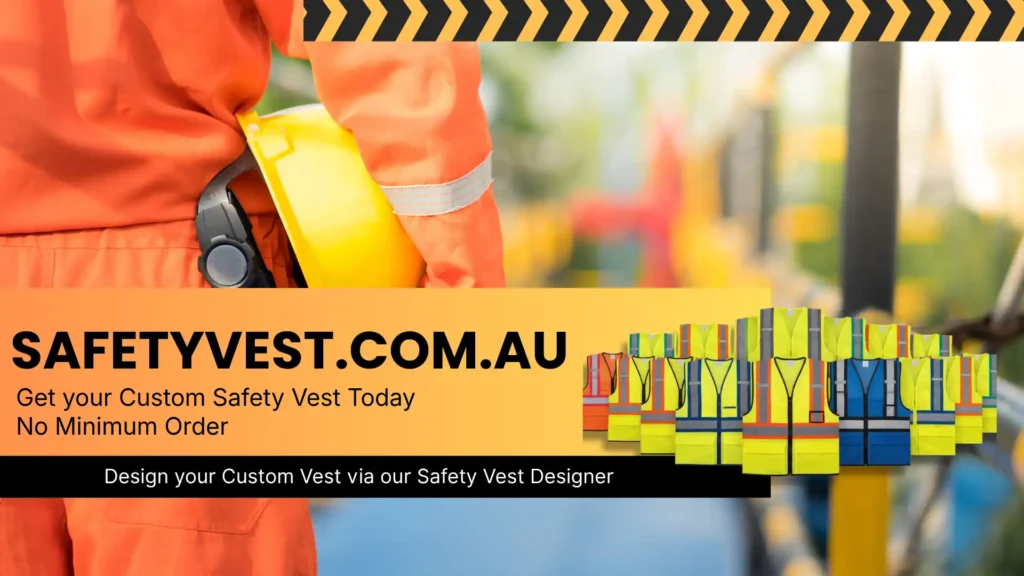
Hi Vis Vest Yellow vs Orange: The Ultimate Guide to Choosing the Safest High‑Visibility Colour for Your Workplace
When a traffic‑control crew rolled onto a busy motorway wearing orange‑red hi‑vis vests, the roadside‑work class (R) was easily missed by drivers travelling at 100 km/h. Within minutes a semi‑trailer clipped the temporary barrier, causing a near‑miss that halted traffic for two hours and resulted in a hefty SafeWork NSW fine for inadequate colour contrast. The crew’s mistake wasn’t the lack of reflective tape – it was the wrong colour for the environment. Picking the right hue can be the difference between a smooth shift and a costly shutdown. Below is the practical, standards‑driven guide that will keep your team visible, compliant, and out of the incident register – whether you’re on a construction site, a warehousing floor, or a mining haul‑road.
How Australian Standards Define High‑Visibility Colours
Australian law doesn’t leave colour choice to chance. AS/NZS 4602.1 and AS 1742.3 set out the exact hues that qualify as “high‑visibility” – fluorescent yellow‑green and fluorescent orange‑red. Both colours must be paired with reflective tape that meets AS/NZS 1906.4, a minimum width of 50 mm, and must encircle the torso for Class D (day), Class N (night), Class D/N (day/night) or Class R (roadwork) garments.
What this means on a real worksite? If you order a vest that claims “high‑vis” but the tape is 30 mm or the colour is a muted lime, it won’t satisfy the standard and you could be fined under the enforcement regimes of SafeWork NSW, WorkSafe Victoria, or WHS Queensland.
Yellow‑Green vs Orange‑Red – The Real Differences on Site
Fluorescent yellow‑green shines brightest against dark foliage, concrete, and most natural backgrounds. It’s the default for construction, mining, and warehousing where workers are surrounded by earth tones and steel.
Fluorescent orange‑red offers superior contrast against bright sunlight, sand, and especially against the grey‑blue of road surfaces. It’s the colour of choice for Class R roadwork, traffic controllers, and any job where the backdrop is a paved highway or airport runway.
Put simply, the safest colour is the one that stands out against the predominant background colour of your work area.
Quick Comparison Table – When to Choose Yellow or Orange
| Environment | Dominant Background | Recommended Colour | Typical Vest Class | Why It Works |
|---|---|---|---|---|
| Urban construction site (concrete, steel) | Grey‑blue, earth tones | Yellow‑green | D / D/N | Highest contrast with muted surfaces |
| Open‑cut mining (soil, rock) | Brown/black | Yellow‑green | D / D/N | Visible from distance, even in dust |
| Roadwork on highways | Asphalt, lane markings | Orange‑red | R / D/N | Stands out against dark pavement |
| Airport ground handling | Runway lights, grey‑white | Orange‑red | R / D/N | Cuts through bright runway glare |
| Event crowd control (stadium) | Mixed colours, crowds | Orange‑red (night) / Yellow‑green (day) | N / D | Adjust colour to lighting conditions |
Use this table as a first‑step decision‑maker when you order new hi‑vis garments.
Where Sites Go Wrong with Colour Choice
- Wrong vest class for the task – Using a Class D yellow vest on a road‑work crew that requires Class R orange can lead to enforcement action.
- Faded hi‑vis fabric – UV exposure can wash out fluorescent pigments. A vest that looks “bright enough” to the naked eye may have dropped below the 70 % reflectance required by AS/NZS 1906.4.
- Cheap non‑compliant imports – Some overseas suppliers ship vests with sub‑standard tape or non‑fluorescent colours that don’t meet AS/NZS 4602.1.
- Incorrect branding placement – Logo prints that cover reflective tape or are placed over the torso reduce the tape’s 360° visibility, breaching the encirclement rule.
Avoiding these pitfalls keeps your site audit‑ready and your workers safe.
Industry‑Specific Scenarios
Construction
A crew on a high‑rise build in Sydney used orange vests for daylight work under a concrete slab canopy. The dark surface reduced the orange’s visibility, causing a crane operator to miss a worker’s hand signal. Switching to yellow‑green vests for the interior work restored proper sightlines and eliminated the near‑miss.
Traffic Control
During a highway upgrade in Melbourne, the traffic‑control team wore yellow vests during a night shift. The combination of low‑light conditions and the dark road surface made the vests hard to spot. Moving to orange‑red, night‑rated vests with Class R tape restored the required contrast and satisfied WorkSafe Victoria’s requirements.
Warehousing
A large distribution centre in Brisbane used cheap imported orange vests for forklift operators. Within weeks the tape began to peel, and an audit flagged the non‑compliant tape width. Replacing them with AS 1742.3‑certified yellow‑green vests from a reputable Australian supplier restored compliance and reduced the risk of forklift‑related incidents.
Mining
An open‑pit mine in Western Australia mandated yellow‑green Class D/N vests for all ground‑crew. When a subcontractor attempted to cut costs by providing orange‑red vests, the site manager refused, noting the reduced contrast against the dark rock face. The contractor complied, and the mine’s incident register stayed clear for the quarter.
Events
A music festival’s security team uses orange‑red night‑rated vests to stay visible against stage lights and crowds. For daytime ticketing staff, the organisers switched to yellow‑green vests to maintain visibility against the bright outdoor environment, ensuring that both groups remained clearly identifiable.
Practical Tool: Colour‑Selection Checklist
- Identify the dominant background colour (e.g., asphalt, concrete, earth).
- Determine the work‑time (day, night, or both).
- Select the correct vest class (D, N, D/N, R) based on task.
- Match the fluorescent hue: yellow‑green for muted backgrounds, orange‑red for bright or paved surfaces.
- Confirm reflective tape specs: AS/NZS 1906.4, ≥50 mm width, 360° encirclement.
- Inspect for wear and UV fading before each shift.
- Verify branding doesn’t obscure tape and meets AS 1742.3 placement rules.
Running through this checklist each time you place a new order will keep your colour decisions audit‑proof.
Getting It Right – Key Takeaways
- Colour matters: Choose yellow‑green for earth‑tone environments and orange‑red for roadways or bright‑light settings.
- Follow the standards: AS/NZS 4602.1, AS 1742.3, and AS/NZS 1906.4 dictate colours, tape width, and placement.
- Avoid cheap shortcuts: Non‑compliant imports and faded fabric invite fines and increase risk.
- Use the comparison table and checklist as everyday tools to verify that every vest on the site meets the right class, colour, and reflectivity.
Ready to upgrade your workforce’s visibility? Have a look at our range of compliant products or request a custom safety vest that meets your exact colour and branding needs.
Contact us today – we’ll help you keep the site safe and the regulator happy.
Safety Vest Compliance Guide | Custom Safety Vests | Our Products | Get a Quote
For a deeper look at the manufacturing standards that underpin our work, see the parent company’s capabilities at Sands Industries: 👉 https://sandsindustries.com.au/.