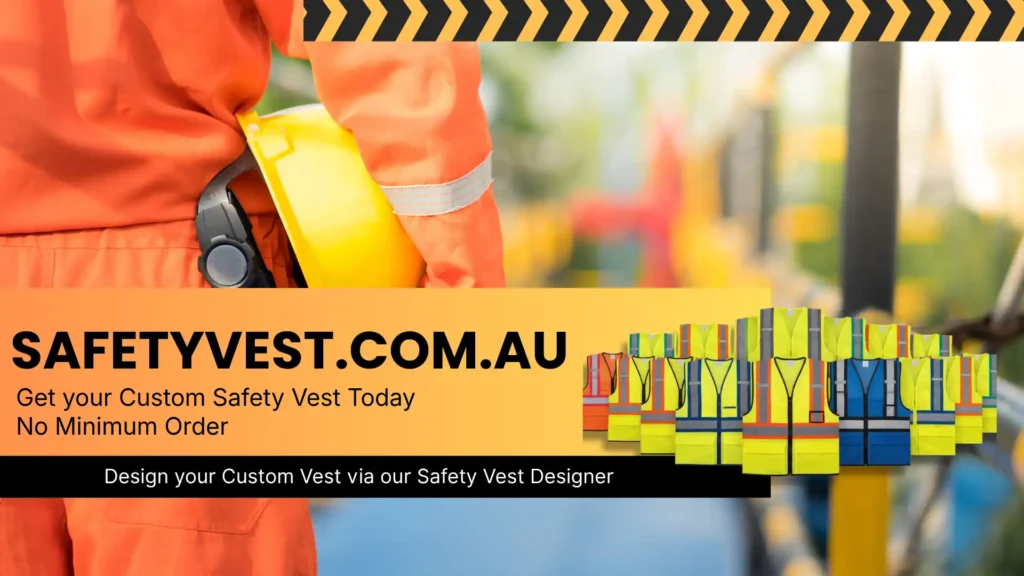
Hi Vis Jacket Yellow and Blue: The Ultimate Guide to Choosing the Perfect High‑Visibility Gear for Safety and Style
A morning crew on a construction site was ready to start early, but the foreman didn’t notice that the senior plant operator’s hi‑vis jacket had faded to a dull mustard. When a delivery truck swung into the work zone, the operator’s reduced visibility cost the company a serious injury and a $15 000 fine from SafeWork NSW. The mistake wasn’t the truck – it was the jacket’s colour and condition. If you’re picking a hi vis jacket yellow and blue, you need more than a splash of colour; you need a compliant, durable piece that keeps workers seen and keeps the site out of trouble. Below is the only guide you’ll need to nail the safety‑and‑style balance.
Understanding the Compliance Landscape
Australian workplaces don’t just “prefer” high‑visibility clothing – the law demands it. The relevant standards are:
| Standard | What it covers |
|---|---|
| AS/NZS 4602.1 | General requirements for high‑visibility safety apparel |
| AS/NZS 1906.4 | Reflective tape performance – must be at least 50 mm wide and wrap the torso |
| AS/NZS 2980 | Colour specifications – fluorescent yellow‑green or orange‑red (blue is allowed for branding but cannot be the primary colour) |
| AS 1742.3 | Visibility distances and testing methods |
Your jacket must fall into one of the approved classes:
| Class | When to use |
|---|---|
| Class D – Day | Outdoor work in daylight where background is not highly reflective |
| Class N – Night | Low‑light conditions; the jacket needs reflective tape on the torso and sleeves |
| Class D/N – Day/Night | Works both in daylight and at night – the most versatile option |
| Class R – Roadwork | High‑speed traffic zones; requires a larger amount of reflective tape |
If the jacket you’re eyeing doesn’t meet AS/NZS 1906.4 reflective‑tape rules or uses the wrong class, you’re walking a compliance minefield. The enforcement agencies – SafeWork NSW, WorkSafe Victoria, WHS Queensland – routinely issue improvement notices when they spot non‑conforming gear.
Matching Colours to Tasks – Why Yellow and Blue Matter
The term “yellow and blue” can mean two things on a site:
- Primary colour (yellow‑green) – the fluorescent shade that satisfies AS/NZS 2980 for high‑visibility.
- Accent colour (blue) – typically used for branding, name‑patches, or to differentiate trades.
What this means on a real worksite?
- A yellow‑green base guarantees the jacket flashes under daylight, making the wearer stand out against soil, concrete, or foliage.
- Adding blue detailing (e.g., a company logo or role badge) does not dilute visibility, as long as the blue never covers more than 50 % of the garment’s surface. Blue is great for quick visual identification of supervisors or first‑aid personnel without breaching the colour rules.
Remember, you cannot swap the primary colour for blue and still claim compliance. The jacket’s primary colour must always be fluorescent yellow‑green; blue is strictly an accent.
Practical Checklist – Selecting the Right Hi Vis Jacket Yellow and Blue
Use this quick list on the day you order gear. Tick each box before signing the purchase order.
| ✔ | Item |
|---|---|
| ☐ Correct Class – D, N or D/N for your shift pattern (Roadwork sites must be Class R). | |
| ☐ Base Colour – Fluorescent yellow‑green covering at least 50 % of the jacket. | |
| ☐ Reflective Tape – ≥ 50 mm wide, encircles torso, and appears on sleeves. | |
| ☐ Tape Quality – Certified to AS/NZS 1906.4 (check the supplier’s test certificates). | |
| ☐ Accents – Blue limited to logos, name‑patches, or role badges; does not dominate the garment. | |
| ☐ Durability – Tear‑resistant fabric, colourfast after at least 30 washes. | |
| ☐ Fit & Comfort – Adjustable cuffs, breathable lining, and available in a range of sizes. | |
| ☐ Custom Options – If you need a unique logo or QR code, request a custom safety vest (see custom‑safety‑vests). | |
| ☐ Supplier Verification – Confirm the provider follows AS/NZS 4602.1 and can supply compliance documentation. | |
| ☐ Warranty & Support – At least a 12‑month guarantee on colour fade and reflective loss. |
With this checklist in your pocket, you’ll avoid the common pitfalls that trip up many sites.
Where Sites Go Wrong with Hi‑Vis Jackets
That’s where most sites get it wrong. Below are the top three mistakes we see on the ground:
-
Choosing the Wrong Vest Class – A warehouse that operates 24 hours often orders Class D jackets only, leaving night‑shift staff unprotected. The result? Fines for non‑compliance and increased accident risk.
-
Faded or Discoloured Garments – Sun‑bleached yellow‑green looks dull, and reflective tape loses its sheen after repeated washes. Some sites try to save by buying cheap imports that don’t meet AS/NZS standards. The payoff is a workplace incident and an audit fail.
-
Misplaced Branding – Companies love to plaster their logo across the back and chest, but if the branding covers large reflective areas or uses non‑fluorescent colours, the garment can lose its class rating. The safest approach is to keep branding to small patches on the sleeves or collar, preserving the reflective zone.
Avoiding these errors not only keeps you compliant; it keeps your crew looking professional and, more importantly, safe.
Industry‑Specific Examples
Construction
At a high‑rise build in Melbourne, foremen required every worker on the scaffold to wear Class D/N hi vis jackets yellow and blue. The fluorescent base ensured visibility against the steel frame, while a small blue safety‑badge identified the site’s safety officer. No incidents were reported during a 12‑hour night shift, and the contractor passed the WHS audit with flying colours.
Traffic Control
A road‑work crew in Queensland used Class R jackets with a vibrant yellow‑green base and bright reflective tape wrapped around the torso. Blue strips on the sleeves indicated team leaders, allowing drivers to spot supervisors quickly. The increased visibility helped avoid three near‑misses that day, and the site avoided a $20 000 fine for insufficient high‑visibility gear.
Warehousing
A distribution centre in Sydney switched from cheap, faded jackets to Class D hi vis jackets yellow and blue that met AS/NZS 1906.4. After the change, forklift operators reported a 30 % drop in close‑call incidents. The site’s internal safety audit highlighted the colour consistency as a key factor in the improvement.
Mining
In a Western Australian underground mine, workers wear Class N jackets because light levels are low. The fluorescent yellow‑green base shines under the headlamps, while blue branding on the chest identifies the emergency response team. Compliance with AS 1742.3 meant the mine passed its quarterly safety inspection without any corrective actions.
Events
A large music festival in Adelaide required all security staff to wear hi vis jackets yellow and blue during night performances. The bright base colour stood out against stage lighting, and the blue accent denoted senior security. The uniform choice helped crowd‑control teams locate staff quickly, preventing a potential crowd‑crush situation.
Putting It All Together
Choosing a hi vis jacket yellow and blue isn’t about picking the loudest colour on the shelf – it’s about matching the right class, meeting strict Australian standards, and ensuring the garment stays bright and reflective throughout its life. Use the checklist above, steer clear of the common mistakes, and look at how each industry tailors its approach.
If you need a jacket that ticks every box and carries your unique branding, consider a custom‑design through Safety Vest. Their expertise sits under the sands of Sands Industries, a trusted Australian manufacturer that produces compliant, high‑quality safety apparel for sites across the country.
Stay safe, stay visible, and keep the paperwork clean. Got questions or need a quote for a hi vis jacket yellow and blue that meets your site’s exact needs? Reach out today at https://safetyvest.com.au/contact-us or explore the custom options at https://safetyvest.com.au/custom-safety-vests. Your crew’s safety—and your peace of mind—starts with the right high‑visibility gear.