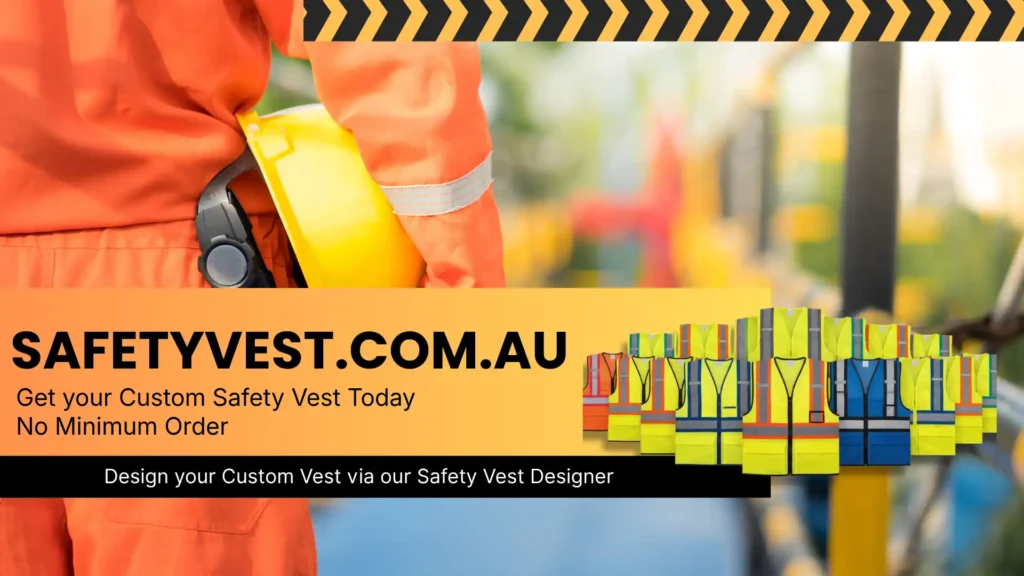
Last month, a Sydney construction site supervisor copped a $14,000 SafeWork NSW penalty after a subcontractor’s labourer was knocked off a scaffold by a reversing forklift. The worker was wearing a faded, imported hi-vis vest with no reflective tape, even though the shift ran past dusk. The worst part? The supervisor thought he’d bought the best hi vis vests for construction Australia had to offer, but he’d skipped checking compliance labels entirely. That’s a costly mistake most site managers can’t afford, especially with WHS inspectors ramping up random audits across NSW, Victoria and Queensland. If you’re sourcing hi-vis for your team, cutting corners on standards doesn’t just put workers at risk of life-changing injury – it can shut your site down overnight. Put simply, you need a clear way to separate pointless marketing fluff from vests that actually meet Australian worksite requirements.
What to look for in the best hi vis vests for construction Australia
All compliant hi-vis vests must adhere to AS/NZS 4602.1, the core standard for high-visibility garments in Australia and New Zealand. You’ll also need to check for AS/NZS 1906.4 (reflective tape performance), AS/NZS 2980 (fluorescent fabric durability) and AS 1742.3 for any roadside work. Only two fluorescent colours are approved: yellow-green and orange-red. No other shades, no matter how bright, count as compliant.
Reflective tape must be at least 50mm wide, encircle the entire torso, and meet AS/NZS 1906.4 standards. Cheap imports often cut corners here, using narrower tape or non-compliant reflective material that fails to show up under headlights. You can find a full breakdown of labelling requirements in our compliance guide, but here’s the quick class rundown:
| Vest Class | Suitable For | Key Features | Compliance Standard |
|---|---|---|---|
| Class D | Day-only worksites (indoor warehouses, day construction) | Fluorescent fabric only, no reflective tape | AS/NZS 4602.1, AS/NZS 2980 |
| Class N | Night-only worksites (security, night events) | Retroreflective tape (AS/NZS 1906.4) only, 50mm min width, encircles torso | AS/NZS 4602.1, AS/NZS 1906.4 |
| Class D/N | Day/night worksites (most construction, traffic control, mining) | Fluorescent fabric + 50mm reflective tape encircling torso | AS/NZS 4602.1, AS/NZS 1906.4, AS/NZS 2980 |
| Class R | Roadwork, traffic control, high-speed road sites | Class D/N base + additional retroreflective requirements for roadside work | AS/NZS 4602.1, AS 1742.3, AS/NZS 1906.4 |
Where sites go wrong with hi-vis selection
That’s where most sites get it wrong: they focus on price instead of compliance. The four most common failures we see on Australian worksites are:
- Wrong vest class: Using Class D vests for night shifts, or Class N vests (no fluorescent fabric) for day construction work.
- Faded hi-vis: Fluorescent fabric loses its glow after 6–12 months of regular UV exposure, even if the vest was compliant when purchased.
- Cheap non-compliant imports: Overseas vests that use unapproved colours, narrow tape, or fail to meet AS/NZS standards entirely.
- Incorrect branding placement: Placing company logos over reflective tape, or covering more than 10% of fluorescent fabric, which voids compliance immediately.
A Melbourne traffic control company was fined $9k last year after all their vests had large logos obscuring the reflective tape. For reliable gear, safetyvest.com.au only stocks vests with sewn-in compliance labels that pass inspector checks.
Industry-specific use cases for compliant vests
Every sector has different requirements, and there’s no one-size-fits-all vest. Real-world examples we see weekly include:
- Construction: Most sites need Class D/N vests, or Class R if work is within 10 metres of a public road.
- Traffic control: Class R vests are mandatory for anyone working on roads with speed limits over 40km/h, per AS 1742.3.
- Warehousing: Class D vests are fine for day-only shifts, but add Class D/N if your team works night replenishment.
- Mining: Remote sites almost always use custom Class D/N vests with employee names and emergency contact details.
- Events: Outdoor festivals need Class D/N for day staff, Class N for indoor night security teams.
All vests are manufactured under our parent company Sands Industries, which operates local supply chains to ensure no non-compliant imports slip through. We’ve supplied custom gear to Perth mining sites and Sydney event organisers for over a decade.
Common mistakes when sourcing the best hi vis vests for construction Australia
Even experienced site managers fall for these traps. First, never trust marketing claims without checking the sewn-in label – every compliant vest must have a permanent tag listing AS/NZS 4602.1 and the vest class. Second, avoid vests with velcro tape instead of sewn-on tape: velcro peels off after a few washes, leaving you with non-compliant gear.
Third, don’t over-brand. Our custom safety vest service places logos only on approved areas, so you keep your brand visibility without breaching standards. You can view our full range of compliant stock on our products page, including bulk order options for large construction teams.
Frequently asked questions
Q: Can I use yellow hi-vis vests for night work?
A: Only if they are Class D/N or Class R, with 50mm reflective tape encircling the torso. Plain fluorescent yellow Class D vests are not suitable for night work.
Q: How often should I replace hi-vis vests?
A: Fluorescent fabric fades after 6–12 months of regular UV exposure. Replace vests as soon as the colour looks dull, or immediately if the reflective tape peels or cracks.
Q: Is orange or yellow hi-vis better for construction?
A: Both are approved. Yellow-green is more visible against green foliage, orange-red is better against grey concrete and bitumen, which is why most construction sites use orange.
Q: Can I add my company logo to hi-vis vests?
A: Yes, but logos must not cover more than 10% of the fluorescent fabric, and must not obscure any reflective tape. Our custom vest service ensures all branding meets compliance rules.
If you’re still sourcing the best hi vis vests for construction Australia sites, don’t wait for a WHS audit to realise your current stock is non-compliant. The $14k fine we mentioned earlier? That’s small compared to the cost of a worker injury, or a full site shutdown during a peak project period. Stick to approved Class D, N, D/N or R vests in fluorescent yellow-green or orange-red, check for AS/NZS 4602.1 labelling, and replace any faded or damaged gear immediately. For custom vests that meet all compliance rules, or to audit your current hi-vis stock, reach out to our team via our contact page. We’ve supplied compliant gear to Australian worksites for over a decade, so we know exactly what passes inspector checks.