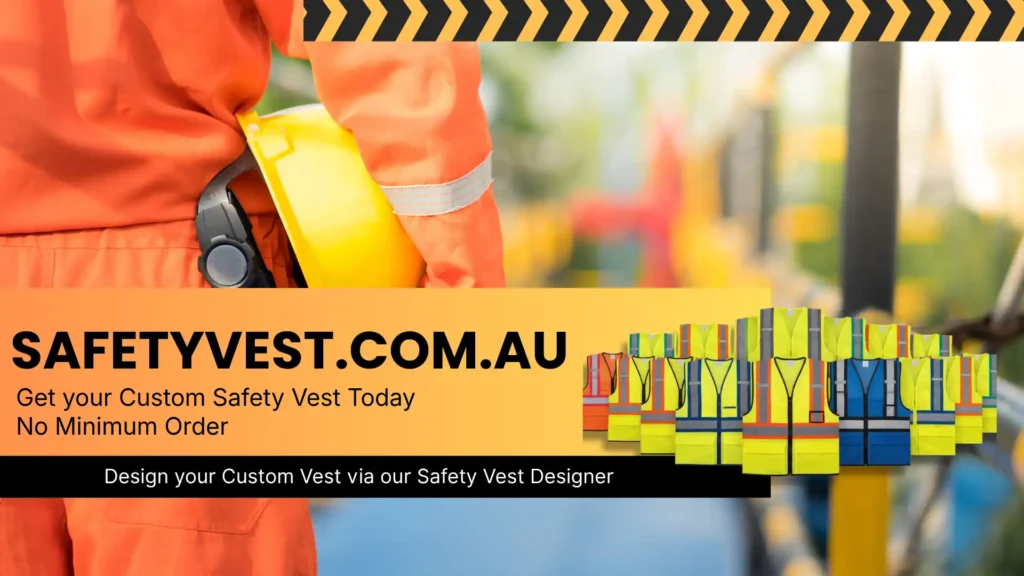
Best hi vis vest guide – top 7 picks for 2025 Australian sites
What’s the best hi vis vest for your crew? If you’ve ever wondered whether a cheap, off‑the‑shelf option really protects your workers, you’re not alone. In 2023 SafeWork Australia recorded *over 1,200 high‑visibility‑related incidents on construction sites alone, many linked to low‑quality garments that failed to meet AS/NZS 4602.1** standards. Choosing the right vest isn’t just about colour; it’s a vital part of your PPE strategy, your legal compliance, and your bottom line. Below you’ll find a buyer‑focused review of the top seven high‑visibility workwear choices for 2025, plus a step‑by‑step guide to help you pick the perfect one for any Australian site.
Why the right hi vis vest matters on Australian worksites
Australian workplaces are subject to some of the world’s strictest visibility requirements. The AS/NZS 4602.1:2011 standard defines three classes of hi‑vis garments (Class 1, 2 and 3) based on the amount of reflective tape and background colour. Failure to match the correct class to the risk level can result in hefty penalties from WorkSafe agencies in NSW, VIC, QLD and beyond, not to mention a higher likelihood of accidents.
SafeWork Australia’s National High‑Visibility Workwear Survey (2022) found that 68 % of incidents involving struck‑by hazards occurred where workers were not wearing a vest that met the required class for that environment. In high‑traffic construction zones, a Class 3 vest is mandatory, while a Class 1 may suffice for warehouse aisles with limited vehicle movement. Understanding these nuances is the first step toward genuine safety.
How to choose the best hi vis vest – a step‑by‑step checklist
- Identify the required class – Review the risk assessment for your site. Class 3 is required for high‑risk traffic environments (e.g., roadwork, large‑scale construction). Class 2 suits moderate traffic (e.g., general construction, mining). Class 1 is for low‑risk indoor tasks.
- Check the fabric blend – Look for a durable, breathable 65 % polyester/35 % cotton mix or a fully synthetic ripstop. It should withstand UV exposure, frequent washing, and harsh weather without losing colour.
- Verify reflective tape quality – The tape must be ISO‑9001 certified and meet the minimum stripe width outlined in AS/NZS 4602.1. Wider, high‑gain tape improves night‑time visibility.
- Consider fit and comfort – Adjustable straps, flat seams, and moisture‑wicking liners reduce fatigue on long shifts. A vest that fits well is more likely to be worn consistently.
- Look for customisation options – Adding your company logo, worker names, or specific colour patches can improve brand consistency and morale. Use the custom safety vest designer to design your own safety vest and see how branding integrates with safety.
- Check compliance documentation – Reputable suppliers provide a certificate of compliance with clear reference to AS/NZS 4602.1. The AS/NZS 4602 compliance guide on our site explains what to look for.
- Evaluate cost versus lifespan – A higher upfront price often means better material and a longer service life, delivering a lower total cost of ownership.
Australian‑specific compliance and buying guide
In Australia, each state enforces the national standard but adds its own nuances. For example, NSW WorkSafe mandates that any vest used on road‑works must display a high‑visibility “traffic control” band of at least 200 mm, while Victoria’s WorkSafe requires a minimum of three reflective strips on Class 3 garments for mining operations. Queensland distinguishes between “general construction” and “high risk” zones, demanding separate colour codes (fluoro‑yellow for the former, orange/red for the latter).
When purchasing, always request the product’s Australian Standards compliance certificate and verify that the supplier’s batch numbers are traceable. Many larger firms in WA and SA now require digital compliance records that integrate with site‑specific safety management software – a feature worth checking before finalising the order.
Common mistakes that reduce visibility effectiveness
- Choosing the wrong class – A frequent error is fitting a Class 1 vest for a high‑traffic site. The reduced amount of reflective material dramatically lowers night‑time detection, breaching both safety and legal obligations.
- Neglecting regular inspection – Over time, tape can peel, seams can split, and colours can fade. Implement a monthly visual check and replace any vest that shows wear.
- Skipping customisation – While it may seem cosmetic, adding high‑contrast logos or name patches actually improves personal identification, especially in emergencies.
- Relying on “budget” vests without certificates – Cheap, non‑certified garments may appear bright but lack the reflective performance required by law, exposing your business to fines and workers’ compensation claims.
Frequently Asked Questions
What class of hi vis vest do I need for a construction site?
For most medium‑to‑large construction projects, a Class 2 hi‑vis vest meets the required visibility for workers near plant and vehicle traffic. If the site has heavy machinery operating at night, upgrade to Class 3.
Can I customise a hi vis vest with my company logo?
Yes. Our custom safety vest designer lets you add logos, employee names, and colour blocks while still meeting AS/NZS 4602.1 standards. Customisation does not affect the reflective performance when done correctly.
How do I verify a vest’s compliance with Australian standards?
Ask the supplier for a certificate of compliance referencing AS/NZS 4602.1. Our AS/NZS 4602 compliance guide details the key elements to look for, including stripe width, retro‑reflective material specifications, and colour ratios.
Where can I order hi vis vests in bulk for my team?
Bulk orders can be placed through our online store, where you can also access common questions about safety vests in the FAQ section for any additional queries about sizing, delivery times, or payment options.
Equip your crew with the right high‑visibility gear today – build your branded vest online and keep safety, compliance and confidence at the forefront of every Australian worksite.