Safetyvest Guide – Top 7 Features to Choose in 2025
A safetyvest isn’t just a bright piece of fabric – it’s the single most effective line of defence for thousands of Australian workers who labour on bustling job sites every day. In fact, SafeWork Australia reports that high‑visibility (hi‑vis) clothing reduces slip‑and‑trip injuries by 38% on construction sites alone. Choosing the right safetyvest can mean the difference between a near‑miss and a life‑changing incident, so let’s cut through the colour‑coded confusion and show you exactly what to look for in 2025.
Why the Right Safetyvest Matters for Australian Workers
The core problem isn’t a lack of hi‑vis options – it’s the overwhelming variety of fabrics, colour‑combinations and compliance claims that flood the market. Many Australian employers still rely on outdated vests that barely meet the minimum requirements of AS/NZS 4602.1:2011, leaving workers exposed to hazards such as moving vehicles, low‑light conditions, and high‑risk machinery.
SafeWork Australia mandates that every high‑visibility garment used in hazardous environments must meet specific retro‑reflective performance levels (class 2, 3 or 4) and be inspected regularly for wear and tear. Yet, a 2023 audit by WorkSafe Victoria found that 23% of surveyed sites were using vests that failed to achieve the required reflective performance. This gap often stems from purchasing decisions driven by price alone, rather than a detailed assessment of the features that truly protect your crew.
When you choose a safetyvest that aligns with the correct standard, you not only safeguard your workforce but also minimise the risk of costly fines and productivity loss. A well‑chosen vest can also boost morale – workers who feel protected are more likely to stay engaged and perform at their best.
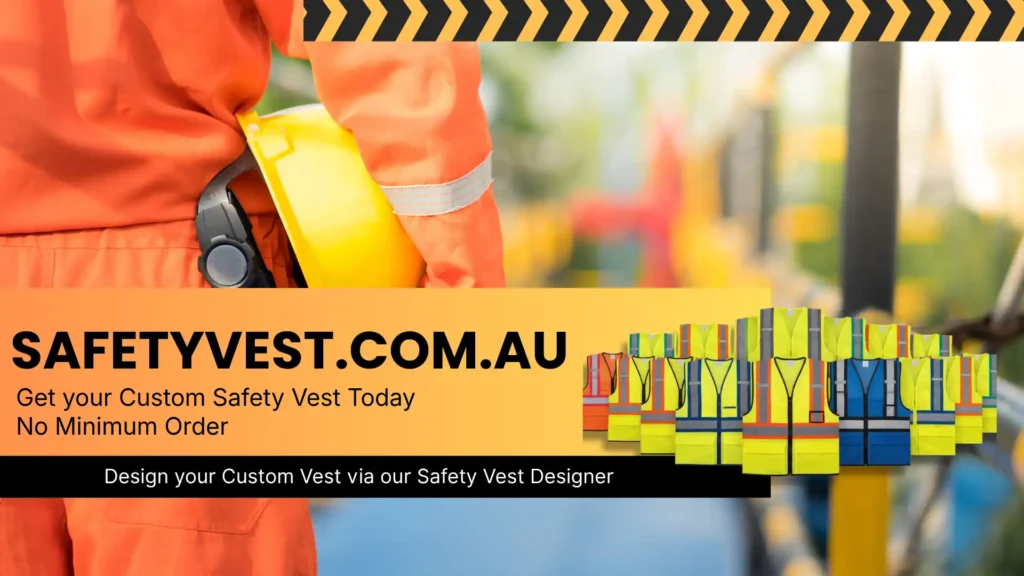
If you’re ready to build a vest that reflects your brand while meeting every legal requirement, you can easily design your own safety vest through the custom safety vest designer and ensure the final product ticks every box.
Top 7 Features to Look for When Buying a Safetyvest in 2025
-
Compliance Class (2, 3, or 4) – Confirm the vest meets the appropriate class for your work environment. Class 2 is typical for most construction sites, while Class 4 is mandatory for high‑speed vehicular zones such as roadworks.
-
Fabric Weight & Durability – Look for a minimum of 275 gsm polyester with a rip‑stop weave. This weight balances breathability with resistance to tears, essential for physically demanding tasks.
-
Retro‑Reflective Tape Quality – Choose micro‑prismatic tape that offers a 60‑degree viewing angle and a high lumen return. This ensures visibility from the side and rear, not just head‑on.
-
Seam Construction – Double‑stitch, flat‑seam construction prevents tape delamination and reduces snagging on scaffolding or machinery.
-
Colour Selection & Zoning – Australian standards prescribe specific colour blocks (fluoro‑yellow, orange, red, or green) depending on the hazard level. Ensure the vest’s base colour and reflective zones match the required high‑visibility coding for your industry.
-
Pockets & Utility Features – Reinforced, zip‑secure pockets enable workers to carry tools, pens, and small safety documents without compromising the vest’s integrity.
-
Custom Branding Options – Adding your company logo or safety messages not only reinforces brand identity but also improves site‑wide visual communication. Use the custom safety vest designer to build your branded vest online with minimal extra cost.
How to Choose the Right Safetyvest – Step‑by‑Step Guide
1. Assess the Hazard Level
Identify whether your crew works near moving plant, at night, or in low‑light indoor areas. This determines the minimum class you must select.
2. Verify AS/NZS 4602 Compliance
Cross‑check the product’s certification against the AS/NZS 4602 compliance guide. Look for a current test report that lists retro‑reflective performance values.
3. Test Fabric Breathability
Ask suppliers for a moisture‑wicking test result. Workers who sweat excessively will find a heavy, non‑breathable vest uncomfortable, leading to non‑compliance in practice.
4. Inspect Stitching and Tape Edge Finishes
Request a close‑up photo of the seam and tape edges. Quality manufacturers double‑stitch seams and seal tape edges with heat‑bonding to prevent fraying.
5. Evaluate Customisation Needs
If you need logos, QR codes, or safety slogans, confirm the printer can apply them without affecting the vest’s reflective performance.
6. Compare Price vs. Lifecycle Cost
A cheaper vest may need replacement every 12 months, while a higher‑grade garment can last 24‑36 months, delivering a better return on investment.
7. Order Samples and Conduct On‑Site Trials
Before committing to a bulk order, obtain a sample batch and have workers wear them during a typical shift to assess comfort and visibility.
Australian‑Specific Compliance and Buying Guide
In Australia, each state enforces the national high‑visibility standard but adds its own nuances. For instance, NSW WorkCover requires all roadwork workers to wear Class 3 vests when operating within 30 m of moving traffic, while Queensland’s Work Health and Safety Act mandates a documented inspection schedule for all PPE, including safetyvests, every six months.
Construction remains the largest user of hi‑vis garments, accounting for roughly 70% of all safetyvest sales across the country. In Victoria, the Building and Construction Industry (BCI) Code of Practice explicitly references AS/NZS 4602.1 for on‑site wear, and many contractors now pair safetyvests with RFID tags to track inspection dates automatically.
When purchasing, always ask the supplier for a certificate of conformity that references the relevant state regulation. This not only satisfies auditors but also protects you from inadvertent breaches that could lead to enforceable improvement notices.
Common Mistakes and How to Avoid Them
-
Choosing the Wrong Class – Many buyers default to Class 2 because it’s cheaper, yet their workers regularly operate near high‑speed trucks. Always match the class to the specific hazard, not the budget.
-
Ignoring Fabric Wear – High‑visibility tape can delaminate after repeated washing. Implement a visual inspection checklist (see our AS/NZS 4602 compliance guide) and retire any vest showing chipping or peeling.
-
Neglecting Colour Coding – Mixing fluoro‑yellow and orange on the same site can cause confusion for drivers and plant operators. Stick to the colour hierarchy stipulated by SafeWork Australia for each activity zone.
-
Over‑Customising – Adding large, non‑reflective logos can obscure critical tape. Keep branding to the back or sleeves, and ensure the printed area does not cover any retro‑reflective zones.
By keeping these pitfalls in mind, you’ll maximise both safety and compliance, and you’ll stand a better chance of securing that coveted “best safety culture” award at the end of the year.
Frequently Asked Questions
What AS/NZS class of safetyvest do I need for construction site work?
Most construction tasks require a Class 2 high‑visibility vest, but if workers are operating near moving plant or vehicles, a Class 3 vest is mandatory under Australian standards.
Can I customise the colour and add my logo without breaking compliance?
Yes – as long as the base colour and reflective zones follow the AS/NZS 4602 colour‑coding rules, you can add logos or text on non‑reflective sections. Use the custom safety vest designer to preview the final layout.
How often should safetyvests be inspected or replaced?
SafeWork Australia recommends a visual inspection at least every six months, and replacement when tape is cracked, faded, or the fabric shows significant wear.
Where can I find answers to other safety vest questions?
Our comprehensive safety vest FAQs page covers everything from sizing to ordering bulk quantities and is a great resource for both managers and site supervisors.
Ready to upgrade your crew’s protection? Build your branded vest online today and experience the difference a compliant, feature‑rich safetyvest can make on site.