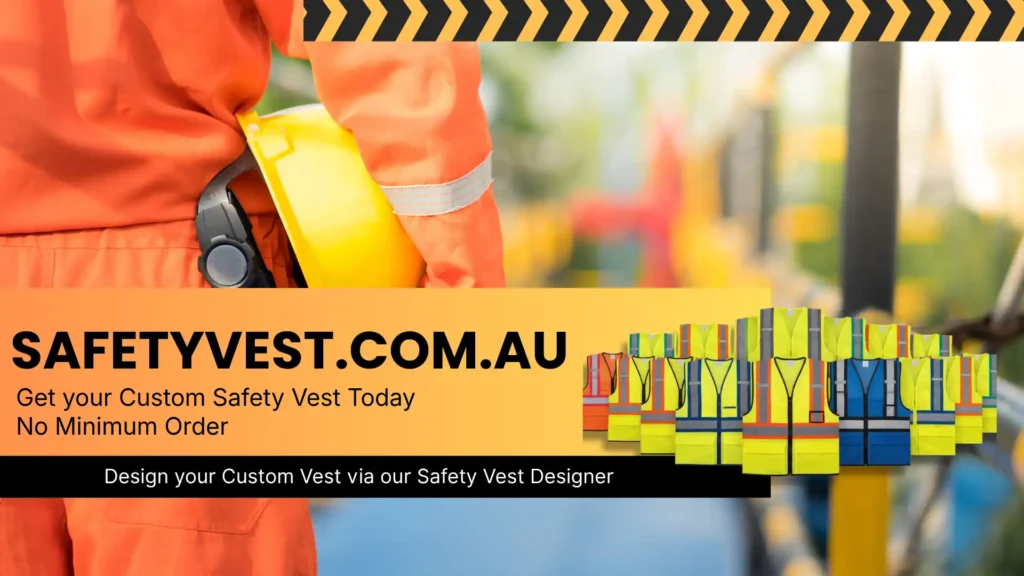
How to Choose Custom High Vis Vests 2025 Guide for Safety
When you need to keep your crew visible on a bustling construction site, custom high vis vests are the most effective PPE you can put on the line. In 2023, SafeWork Australia reported that 32 % of site‑related incidents involved workers who were not sufficiently visible at the time of the accident. Choosing the right vest not only meets legal obligations but can literally be the difference between a close call and a tragic loss.
The visibility challenge on Australian work sites
Australian workplaces—from the sun‑baked outback mines to the busy streets of Sydney’s CBD—are governed by strict visibility standards. The core reference is AS/NZS 4602.1:2011, which dictates colour, retro‑reflective performance and garment size for high‑visibility apparel. SafeWork Australia’s annual safety‑in‑focus report repeatedly flags poor visibility as a leading preventable hazard, especially in construction, roadwork and warehousing environments.
If a vest does not meet the benchmark, it may be deemed non‑compliant and could expose employers to hefty fines under the Work Health and Safety Act. State bodies such as WorkSafe NSW and WorkCover QLD also perform regular site audits, focusing on whether workers are wearing appropriate hi‑vis clothing that matches the risk assessment. A non‑compliant vest can therefore become a costly legal liability as well as a safety risk.
Step‑by‑step guide to selecting the perfect custom high vis vest
-
Identify the required Class – AS/NZS 4602 defines three classes (1, 2, 3). Class 1 suits low‑risk environments, while Class 3 is mandatory for high‑risk activities such as road traffic control or crane operation. Match the class to the specific hazards of your site.
-
Choose the right colour and background – Fluorescent yellow‑green, orange and red are the standard high‑visibility colours. The background (e.g., tape or whole‑garment) determines the reflective surface area. For construction sites with mixed lighting, a whole‑garment yellow‑green with orange tape often delivers the best contrast.
-
Select fabric and durability level – Worksite conditions dictate material choice. Polyester‑cotton blends provide comfort in hot climates, while rip‑stop nylon offers superior tear resistance for rugged environments. Look for a fabric rating of at least 400 g/m² for long‑lasting wear.
-
Design your branding responsibly – Adding logos, employee names or QR codes can enhance site safety by aiding rapid identification. Keep graphics low‑contrast and away from the reflective zones to avoid compromising the vest’s performance. Use the custom safety vest designer to build your branded vest online and preview how it will look in real‑world lighting.
-
Check sizing and fit – Oversized vests can sag, reducing reflective efficiency, while overly tight ones restrict movement. Order a sample size chart and, if possible, trial a few vests on site before committing to a full run.
-
Verify compliance documentation – Reputable suppliers will provide a test report confirming AS/NZS 4602 compliance. Review the AS/NZS 4602 compliance guide to ensure the paperwork includes colour, class, and retro‑reflective performance data.
Australian compliance, industry use case, and buying guide
In Australia, compliance isn’t just a checklist—it’s a legal requirement tied to workers’ compensation premiums. For construction firms operating across states, the safest approach is to adopt the most stringent standard among them. NSW’s WorkSafe, for instance, mandates Class 3 vests for any activity within 30 m of moving plant, while Victoria allows Class 2 in similar circumstances. Aligning your purchase with the highest state demand future‑proofs your PPE inventory.
When budgeting, consider the total cost of ownership: a higher‑grade vest may cost 20 % more upfront but will last longer and reduce replacement frequency. Bulk ordering through a custom safety vest designer often unlocks volume discounts, especially when you standardise colours and sizes across multiple sites. Don’t forget to factor in the time saved by ordering online—shipping to Perth, Brisbane or Hobart is typically 3–5 business days, keeping your site stocked without delay.
Common pitfalls and how to avoid them
A frequent mistake is assuming any bright shirt qualifies as “high‑vis.” Without the required retro‑reflective tape, the garment fails AS/NZS 4602 testing and offers little protection at dusk or in rain. Another error is over‑customising; large logos or bright graphics placed over reflective panels can diminish the vest’s effectiveness.
Many buyers also neglect the importance of proper colour contrast for specific tasks. For example, using orange‑only vests on a construction site where most machinery is orange can create a camouflage effect. Instead, combine a fluorescent base colour with contrasting tape to ensure workers stand out against both natural and artificial backgrounds.
Finally, ignoring the need for regular inspection is a silent risk. High‑visibility fabrics degrade under UV exposure; inspecting vests every six months for tears, fading or loss of reflectivity helps maintain compliance and safety levels.
Frequently Asked Questions
What AS/NZS standard must custom high vis vests meet in Australia?
All custom high vis vests must comply with AS/NZS 4602.1:2011, which sets out colour, Class, and retro‑reflective performance requirements for high‑visibility PPE.
Can I add my company logo without breaching the visibility requirements?
Yes, as long as the logo does not cover any reflective tape or reduce the overall reflective surface. Keep graphics small, low‑contrast, and positioned on non‑reflective panels.
How long does it take to order and receive custom high vis vests?
Using the custom safety vest designer, most Australian orders are produced and shipped within 7–10 business days, with express options available for urgent projects.
Are custom high vis vests more expensive than off‑the‑shelf options?
They can be slightly pricier due to branding and personalised sizing, but bulk discounts and the long‑term durability of compliant vests often make them a cost‑effective choice for large crews.
Ready to protect your team with compliant, eye‑catching apparel? Design your own safety vest today and get the perfect fit for your site.