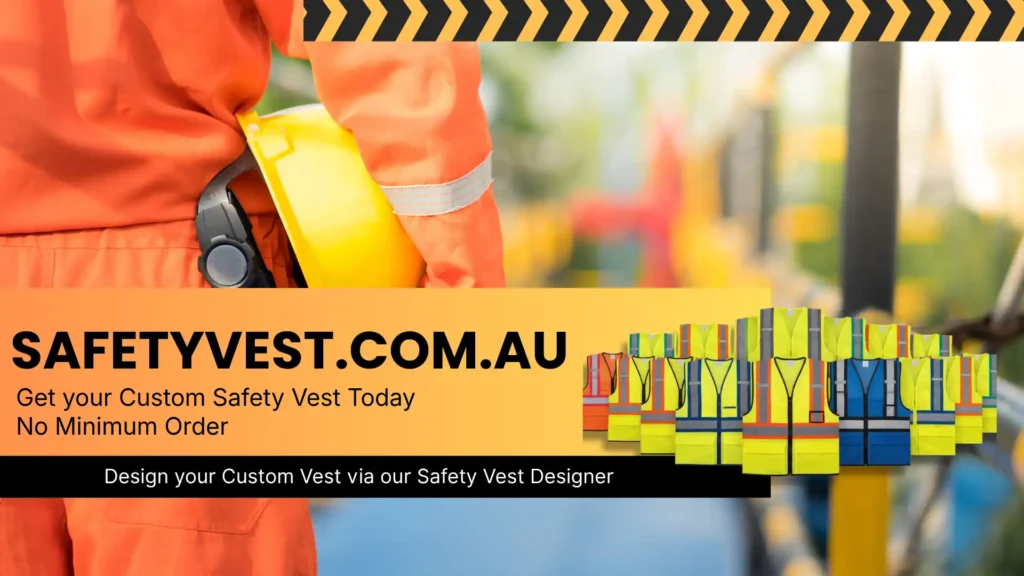
Vestau Safety Vests 2025 The Complete Buyer’s Guide
In 2023, SafeWork Australia reported that 19 % of workplace incidents involved a lack of visibility – the single biggest preventable cause of injury on construction sites, roadworks and warehouses. Choosing the right Vestau safety vest can eliminate that risk, keeping workers seen and compliant with the latest AS/NZS 4602.1 standards. This guide walks Australian employers through everything they need to know before buying Vestau vests for 2025, from legal requirements to real‑world selection tips.
Why visibility matters on Australian worksites
Visibility isn’t just a nice‑to‑have; it’s a legal obligation. The national standard AS/NZS 4602.1:2011 (High‑visibility safety garments) sets out colour, retro‑reflective strip layout and performance classes (R1, R2, R3, R4, R5). SafeWork Australia’s annual report shows that when high‑visibility (hi‑vis) PPE is correctly worn, injury rates drop by up to 30 % in high‑risk environments.
The problem most Australian businesses face is a fragmented approach to compliance. Small contractors may buy generic shirts that look bright but fail the strip‑spacing test, while large firms often over‑specify, paying for R5 vests that never get used on low‑risk tasks. Both scenarios waste money and expose managers to penalties from WorkSafe authorities in NSW, VIC, QLD and WA.
A practical way to bridge the gap is to treat the safety vest as a system component rather than an after‑thought garment. That means aligning the vest’s performance class with the specific hazard – e.g., R2 for daylight construction, R3 for night‑time road control, R5 for heavy‑duty mining – and then ensuring every worker’s vest is correctly sized, colour‑coded for the role, and properly maintained.
If you’re ready to design a vest that ticks every box, you can design your own safety vest using a custom safety vest designer that lets you add logos, reflectivity patterns and colour blocks in line with the AS/NZS 4602 compliance guide.
How to choose the right Vestau safety vest – step by step
-
Identify the work environment and required performance class
Determine whether the job is daytime, night-time, static (e.g., traffic control) or mobile (e.g., forklift operation). Match the environment to the appropriate class – R2 for low‑risk daylight, R3 for high‑risk or night, R5 for hazardous mining or heavy‑plant zones. -
Select colour and retro‑reflective layout
Australia mandates fluorescent yellow, orange or red for high‑visibility garments, with strips conforming to the standard’s colour‑order chart. For mixed‑site work, consider dual‑colour vests (e.g., yellow body with orange reflective stripes) to differentiate crews. -
Check fabric durability and comfort
Look for breathable polyester blends with UV‑stabilised coating. Reinforced seams and double‑stitched edges extend life in dusty, high‑heat environments such as Western Australian mines. -
Size and fit for every worker
Use the manufacturer’s sizing chart and, where possible, let staff try on a sample. A poorly fitted vest reduces the reflective surface area and can become a safety hazard itself. -
Custom branding and QR‑code integration
Adding a company logo or QR code for site‑specific safety resources boosts compliance. The online custom safety vest designer lets you embed these elements without compromising the retro‑reflective strip geometry. -
Maintenance plan
Establish a cleaning schedule that follows the garment’s care label – typically low‑temperature wash, no fabric softeners, and air‑drying. Replace any vest that shows fading, tearing or loss of reflectivity.
Australian compliance, industry use case and buying guide
Australia’s regulatory landscape varies by state, but all jurisdictions reference the national AS/NZS 4602.1 standard. In NSW, WorkSafe NSW routinely audits high‑visibility PPE on construction sites; non‑compliant vests can attract fines of up to AUD 22 000 per breach. Victoria’s WorkSafe Victoria requires R3 garments for any activity within 100 m of moving traffic, while Queensland’s Workplace Health and Safety Act adds a duty of care clause that obliges employers to provide appropriate hi‑vis gear.
A practical example comes from a major Queensland road‑work contractor that switched from generic orange vests to Vestau R3 vests with custom colour‑coding for traffic controllers, supervisors and plant operators. Within six months, the contractor recorded a 22 % reduction in near‑miss incidents and avoided a potential fine after a site audit highlighted their compliance improvements.
When purchasing, consider bulk discounts for large fleets, but also request a sample batch for on‑site fit testing. Verify that the supplier provides a full compliance requirements sheet and can supply test certificates for each performance class. Finally, factor in the total cost of ownership – durability, replace‑ment interval and the ability to re‑brand the vest for future projects.
Common pitfalls and how to avoid them
- Choosing the wrong performance class – Many buyers default to the highest class (R5) assuming “more is better”. This adds unnecessary cost and can create a false sense of security. Match class to risk assessment instead.
- Ignoring colour‑coding rules – Swapping a colour for aesthetic reasons (e.g., navy for a “brand look”) breaches AS/NZS 4602.1 and can confuse other workers or emergency responders.
- Neglecting maintenance – A vest that has been washed with fabric softener loses its reflectivity. Set clear cleaning protocols and keep a log of when each vest was last serviced.
- Failing to train staff on proper wear – Even the best Vestau vest is useless if workers wear it incorrectly (e.g., tucked into trousers or covered by a jacket). Conduct regular briefings and visual checks.
Addressing these mistakes not only safeguards your team but also positions your business as a safety‑first employer – a factor that increasingly influences recruitment and client awards.
Frequently Asked Questions
What AS/NZS standard must my Vestau safety vest meet?
All Vestau vests sold in Australia are manufactured to meet AS/NZS 4602.1:2011. Choose the appropriate performance class (R1‑R5) based on your site risk assessment.
Can I customise the vest with my company logo?
Yes. Using the custom safety vest designer, you can add logos, QR codes or colour blocks while maintaining compliance with the required retro‑reflective strip layout.
How many vests should I order for a medium‑size construction crew?
A good rule is to purchase at least one extra per 10 workers to cover sizing variations and replacements. For 30 crew members, order 35‑40 vests, selecting the correct size range and performance class.
Where can I find answers to other safety‑vest questions?
Our safety vest FAQs page covers topics from cleaning methods to replacement cycles and can help you fine‑tune your procurement plan.
Ready to equip your team with compliant, high‑visibility gear? Build your branded vest online today and keep every worker seen, safe and audit‑ready.