Breathable Mesh Safety Vest Guide: Top 7 Features for 2025
A breathable mesh safety vest isn’t just a fashion statement on the site – it’s a proven way to cut heat stress by up to 30 % in Australian summer conditions, according to SafeWork Australia’s 2024 heat‑related injury report. With the outdoor workforce expanding across construction, mining, and events, choosing a vest that keeps workers cool while staying visible is now a safety imperative.
The Core Problem: Staying Visible Without Overheating
Australian workplaces face a unique clash of extremes: bright, scorching daylight and the need for high‑visibility (hi‑vis) protection. The AS/NZS 4602.1 standard mandates conspicuity levels, yet many traditional 100 % polyester vests trap heat, leading to fatigue, dehydration, and lost productivity.
Recent audits by WorkSafe Victoria showed a 12 % rise in near‑miss incidents where workers removed their vests because they were “unbearably hot”. The solution lies in integrating mesh panels that meet the same reflectivity requirements while allowing airflow.
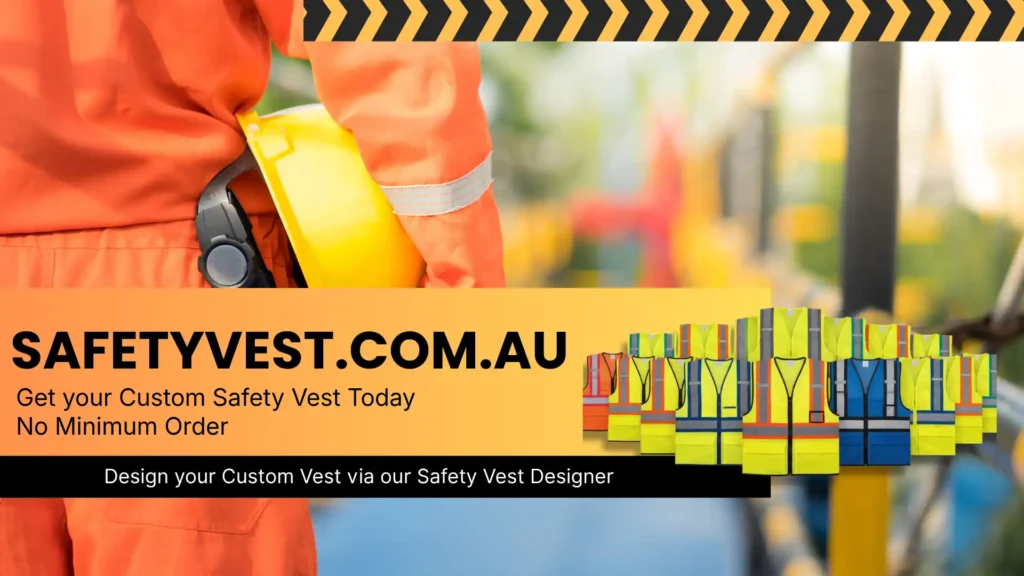
When selecting a vest, you must balance PPE compliance, thermal comfort, and durability for the specific hazards of your site. A custom safety vest designer can help you blend brand colours with the right mesh layout, ensuring both safety and corporate identity are maintained.
Top 7 Features to Look for in 2025
- Full‑Width Reflective Mesh – Mesh panels that meet Class 3 retro‑reflectivity across the entire surface guarantee visibility from 200 m, even in low light.
- Moisture‑Wicking Inner Lining – A thin, quick‑dry layer draws sweat away from skin, reducing the risk of heat rash during long shifts.
- Lightweight, UV‑Stabilised Fabric – Polyester‑blend with UV inhibitors prevents colour fade and maintains tensile strength after 5 years of sun exposure.
- Adjustable Fit System – Dual‑tab snaps or elasticised waistbands allow a snug fit for all body types, crucial for workers moving under ladders or scaffolding.
- Reinforced Stress Zones – Double‑stitched elbows and shoulders resist tearing when workers climb or handle tools.
- Colour‑Coding Options – Choice of neon orange, yellow, or safety green with matching mesh ensures compliance with the appropriate high‑visibility class for each task.
- Easy‑Care Construction – Machine‑washable without compromising reflectivity, saving time for site managers and complying with the AS/NZS 4602 compliance guide.
How to Choose the Right Mesh Vest – Step‑by‑Step
1. Identify the Visibility Class Required
Check the job hazard analysis. For general site traffic, Class 2 may suffice; for road‑work or high‑speed vehicle zones, step up to Class 3.
2. Match Fabric Weight to Climate
Select a vest with a 150 gsm base for cooler regions (Tasmania, VIC winter) or a 120 gsm mesh‑heavy model for the tropics (QLD, NT).
3. Verify Reflective Performance
Look for a reflectivity rating of ≥ 800 cd/lx·sr (Class 3) on the product data sheet; the AS/NZS 4602 compliance guide provides the testing method.
4. Test Fit on Site
Have a sample tried on by workers performing the most physically demanding tasks; ensure the vest does not ride up or restrict movement.
5. Confirm Customisation Needs
If branding or specific colour‑blocking is required, use the custom safety vest designer to upload logos and select mesh patterns before ordering.
Australian‑Specific Compliance and Buying Guide
In Australia, every state references the national AS/NZS 4602.1 standard, but enforcement varies. NSW WorkCover requires Class 3 vests for any activity near moving plant, while WA’s Mines Safety and Inspection Act demands mesh‑integrated hi‑vis for underground crews to prevent heat strain.
Industries such as construction and mining have embraced mesh vests because they reduce the need for frequent cooling breaks, directly impacting labour costs. When purchasing, request a certificate of conformity that cites the specific full compliance requirements for your jurisdiction, and verify that the supplier provides a 12‑month warranty against colour fade and seam failure.
Common Mistakes and How to Avoid Them
- Choosing the cheapest vest over compliance – Low‑cost vests often use non‑retroreflective mesh, failing the AS/NZS 4602.1 test and exposing you to fines.
- Ignoring fit for different body types – A vest that’s too loose will flap, reducing visibility; too tight will compress mesh and trap heat.
- Over‑customising at the expense of safety – Large logos placed over reflective zones can diminish retro‑reflectivity; keep branding to non‑critical areas.
- Skipping care instructions – Harsh detergents can strip reflective coating; follow the manufacturer’s wash guidelines to maintain performance.
Frequently Asked Questions
What standards must a breathable mesh safety vest meet in Australia?
A vest must comply with AS/NZS 4602.1 for high‑visibility clothing, meeting the required class (2 or 3) and retro‑reflectivity levels.
Can I add my company logo without compromising safety?
Yes, if the logo is placed on non‑reflective panels or sized to cover less than 10 % of each reflective zone; use a reputable custom safety vest designer to ensure proper placement.
How long does it take to receive a bulk order of mesh vests?
Typical lead times are 10–14 business days for standard colours and sizes; custom‑coloured or logo‑embellished orders may require 3‑4 weeks.
Do breathable mesh safety vests work in cold weather?
They are ideal for hot conditions, but the lightweight base can be layered with a thermal jacket for colder shifts while still providing visibility.
Stay cool, stay visible – design your own safety vest today and protect your team with the best breathable mesh options available.