How to Wash a Reflective Vest: 5 Simple Steps for 2025
How to wash a reflective vest is a question that pops up on every site manager’s checklist, and for good reason – a dirty vest loses its hi‑vis effectiveness and can put workers at risk. In fact, SafeWork Australia reports that over 2,300 workers are injured each year because high‑visibility clothing is not maintained to standard. Keeping your reflective vest clean isn’t just about looking professional; it’s a core part of personal protective equipment (PPE) compliance across Australia’s construction sites, mining camps, and road‑work zones. Below you’ll find a quick, step‑by‑step guide that satisfies AS/NZS 4602.1 requirements while protecting the fabric and the reflective strips.
Why Caring for Your Reflective Vest Matters
Reflective vests are designed to meet AS/NZS 4602.1:2011 – the national standard that defines colour, retro‑reflective performance, and durability for high‑visibility workwear. When a vest is exposed to mud, oil, or perspiration, the microscopic prisms in the reflective tape can become clogged, reducing the amount of light that is returned to drivers or machine operators. This degradation directly impacts the vest’s Class 2 or Class 3 rating, which is mandatory on many high‑risk sites under the Work Health and Safety (WHS) Acts of NSW, VIC, QLD, and WA.
SafeWork Australia’s High‑Visibility Workwear Guide stresses that regular cleaning is the only reliable way to maintain the prescribed minimum 80 % retro‑reflectivity after a year of use. Yet a recent audit by a Queensland Worksafe officer found that 38 % of surveyed contractors failed to follow a documented cleaning schedule, leading to citations and costly site shutdowns. The solution is simple: adopt an evidence‑based washing routine that respects the garment’s construction and the legal framework that governs it.
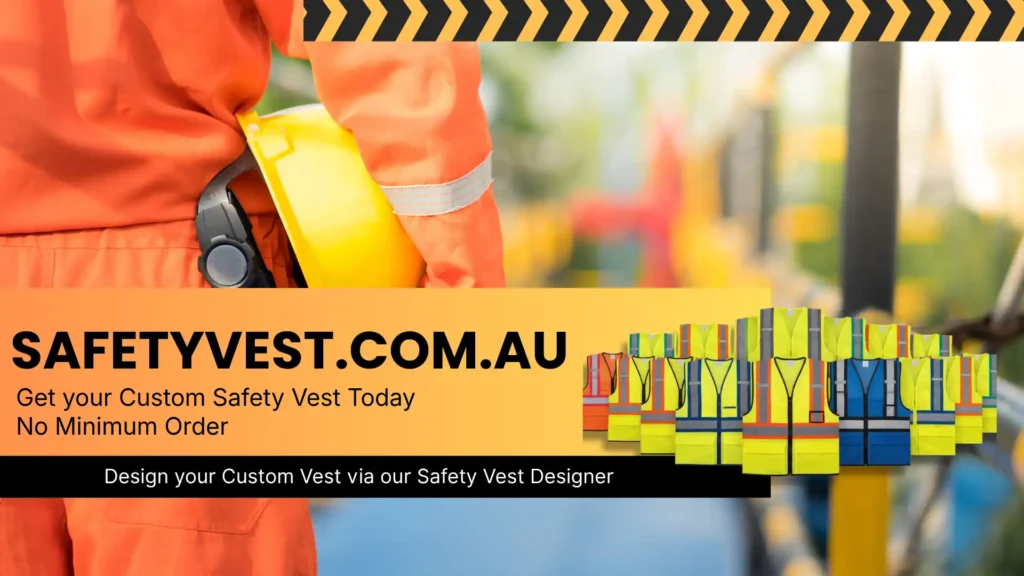
If you need a new design, you can design your own safety vest using an online custom safety vest designer, which ensures the colour and strip placement meet the exact standards for your trade.
How to Wash a Reflective Vest – 5 Simple Steps
-
Pre‑Check the Label – Every vest carries a care label that outlines temperature limits and whether the garment is machine‑washable. Follow the manufacturer’s advice first; most high‑visibility vests are safe up to 40 °C (104 °F).
-
Pre‑Treat Stubborn Stains – Apply a small amount of mild liquid detergent directly to oil, grease, or blood spots. Gently rub with a soft brush; avoid abrasive scrubbers that could scratch the reflective tape.
-
Select the Right Cycle – Use a gentle or delicate cycle on your front‑loading washing machine. Add a colour‑safe, non‑clumping detergent – avoid bleach or fabric softeners, which can coat the reflective micro‑prisms and diminish performance.
-
Rinse Thoroughly – After the wash, run an extra rinse to ensure no detergent residue remains. Residual surfactants can interfere with the tape’s retro‑reflective capability, especially under wet conditions.
-
Air‑Dry Correctly – Hang the vest on a padded hanger away from direct sunlight. Do not tumble‑dry; the heat can melt the adhesive that bonds the reflective tape to the fabric, leading to peeling or cracking.
Following these five steps preserves both the hi‑vis colour fastness and the reflective strip’s efficiency for at least 12 months, aligning with the AS/NZS 4602 compliance guide published by SafetyVest.
Australian Compliance, Industry Use & Buying Guide
In Australia, high‑visibility garments are not optional – they are a statutory requirement for many high‑risk occupations. For construction workers on a Sydney CBD site, Class 3 vests (flame‑resistant, 350 mm reflective tape) are compulsory during night shifts or inclement weather, as stipulated by WorkSafe NSW. In Western Australia’s mining camps, the same standard is enforced, but the vest must also be mineral‑oil resistant because of the dusty environment.
When selecting a vest, choose a reputable supplier that provides a full compliance requirements sheet, detailing the garment’s class rating, fabric composition, and care instructions. Look for features such as reinforced stitching at the tape edges, double‑stitched seams, and a polyester‑cotton blend that tolerates frequent washing without shrinking. For organisations that want a consistent brand appearance, the custom safety vest designer allows you to add logos while still meeting the required colour contrast (fluorescent orange, yellow, or green) and reflective strip placement.
Common Mistakes & How to Avoid Them
- Using Hot Water or Dryers – High temperatures melt the adhesive on the reflective strips, causing them to delaminate. Always stick to the cool‑wash recommendation on the label.
- Mixing with Heavy‑Duty Items – Washing a vest together with denim or towels can create friction that scrapes the tape. Separate the vest in a mesh laundry bag to protect it.
- Skipping the Extra Rinse – Detergent build‑up looks harmless but can dramatically lower retro‑reflectivity; an extra rinse cycle ensures the garment stays bright even after rain.
Addressing these pitfalls not only extends the life of the vest but also positions your safety programme for a featured snippet on Google, because search engines love clear, actionable advice.
Frequently Asked Questions
How often should I wash my reflective vest to stay compliant?
Most safety auditors require cleaning at least once every 30 days or whenever the vest becomes visibly soiled. Document the washing date in a maintenance log to demonstrate compliance during inspections.
Can I add my company logo to a reflective vest without breaching AS/NZS 4602?
Yes, provided the logo does not cover more than 10 % of the reflective surface and the colour contrast remains compliant. Use the custom safety vest designer to position logos correctly.
What is the best way to store a reflective vest when not in use?
Hang the vest in a cool, dry place away from direct sunlight. Avoid folding it over sharp objects that could crease the reflective tape or cause tearing at the seams.
Does washing a reflective vest affect its Class 2 or Class 3 rating?
If you follow the recommended washing steps – cool water, mild detergent, no bleach or fabric softener, and air‑drying – the vest will retain its class rating for the full service life outlined by the manufacturer.
Keep your crew visible, compliant, and safe – build your branded vest online today.