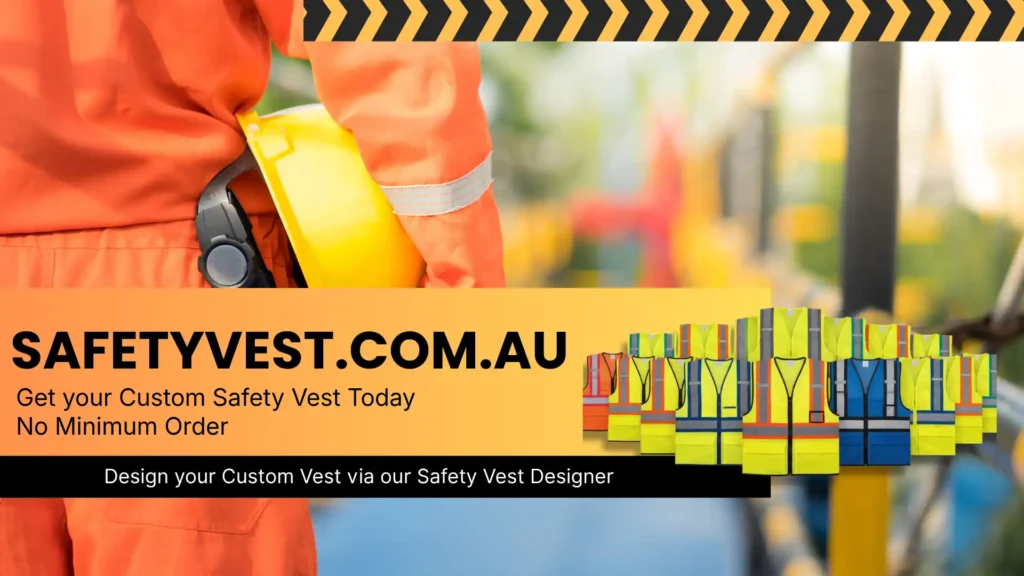
Cropped Construction Worker Vest Guide: 7 Must‑Know Features
A cropped construction worker vest isn’t just a fashion statement – it’s a legal requirement that can shave seconds off a rescue time‑line. In 2023 SafeWork Australia recorded a 12 % rise in high‑visibility‑related injuries on worksites across the country, underscoring why choosing the right vest matters for every tradie. This guide walks you through the seven features you must evaluate before you click “add to cart”, so you stay compliant, visible and comfortable on every job.
Why the Right Vest Is Critical on Australian Construction Sites
Construction sites are a mash‑up of moving plant, shifting loads and workers operating at different heights. Under AS/NZS 4602.1:2011, any person who could be exposed to vehicle traffic or plant must wear high‑visibility (hi‑vis) PPE that meets specific colour and retro‑reflective standards. Failure to comply can trigger penalties from WorkSafe NSW or SafeWork Victoria, and more importantly, it can mean the difference between a close‑call and a fatal incident.
SafeWork Australia’s latest “High‑Visibility Safety Apparel” report shows that 78 % of site‑related incidents involve a loss of visual contact – a statistic that drops dramatically when workers are equipped with properly designed, cropped construction worker vestes that expose the torso while still providing full arm and leg visibility.
Choosing a vest is therefore both a compliance exercise and a risk‑management decision. The right product must satisfy the technical standards, fit the site’s movement patterns, and survive the harsh Australian climate without compromising comfort.
7 Must‑Know Features When Picking a Cropped Construction Worker Vest
-
Colour Class and Retro‑Reflective Ratio
The vest must be Class E (fluoro‑yellow) or Class F (orange/red) with at least 50 % reflective tape on the front, back and sides. This ratio is the minimum for construction work involving vehicle traffic, as defined in the AS/NZS 4602.1 standard. -
Cropped Length for Freedom of Movement
A vest that ends just below the waist reduces bulk around the hips, allowing workers to bend, crouch and climb ladders without the garment catching on tools or guardrails. Look for a length that sits 5–7 cm above the top of the trousers. -
Breathable, UV‑Resistant Fabric
Australian summers can push site temperatures above 40 °C. Choose a polyester‑cotton blend with moisture‑wicking properties and a UPF 50+ coating to prevent overheating while maintaining the vest’s high‑visibility rating. -
Durable Stitching and Reinforced Seams
High‑stress points—especially around the shoulders and side panels—should be double‑stitched or over‑locked. Reinforced seams resist tearing when the vest brushes against scaffolding or plant. -
Adjustable Fit System
A side‑zip with a Velcro strap or a quick‑release buckling system ensures the vest stays snug on workers of varying sizes, from apprentices to senior tradesmen. An adjustable fit also prevents the vest from riding up, keeping the reflective surface in view. -
Pockets and Tool Loops
Practicality matters. At least one front pocket with a secure closure (e.g., zip or snap) and optional loops for a pen, small hammer or respiratory mask keep essential items within reach without compromising the vest’s reflective surface. -
Custom Branding Options
Adding a company logo or safety slogan not only reinforces brand identity but can aid site identification when multiple contractors are present. Use the design your own safety vest tool on the custom safety vest designer to upload vector artwork and preview the final look.
How to Choose and Order the Perfect Cropped Vest – Step‑by‑Step
1. Verify Site‑Specific Compliance Requirements
Check the relevant state WorkSafe guidelines (e.g., WorkSafe NSW’s “High‑Visibility PPE” fact sheet). Use the AS/NZS 4602 compliance guide to confirm the colour class and retro‑reflective ratios needed for your project.
2. Measure Your Workforce
Take a quick torso length measurement from the base of the neck to the top of the waistline. Add 5 cm to accommodate movement. Ensure the vest’s size chart matches this range.
3. Select Fabric Features for Climate Comfort
If you operate in coastal Queensland, prioritise moisture‑wicking and quick‑dry finishes. For inland WA sites, UV‑resistant and breathable fabrics are crucial.
4. Decide on Customisation or Plain Design
Upload your logo via the custom safety vest designer. Choose placement (front centre, back centre) and ensure the artwork does not obscure the reflective bands.
5. Order a Sample Batch
Always order a small pilot run—20 to 30 vestes—to test fit, durability and visibility under site lighting before committing to a larger purchase.
Australian‑Specific Angle: Compliance and Buying Guide
Across Australia, the legal expectation for hi‑vis PPE is uniform, but enforcement nuances differ by state. In New South Wales, WorkSafe requires a written PPE management plan that lists the exact vest class and colour for each work zone. Victoria’s SafeWork mandates that any contractor supplying PPE must keep a record of the batch numbers for audit purposes. Queensland’s Work Health and Safety Act allows a “risk‑based” approach, meaning you can opt for a higher‑class vest if your risk assessment deems it necessary.
When buying, look for suppliers that provide a full compliance requirements statement alongside each product page. This documentation simplifies the audit trail for your site‑specific safety plan and speeds up the approval process with state regulators.
Common Mistakes to Avoid
- Choosing the Wrong Colour Class – Some buyers default to the cheaper Class D (blue) vest, assuming any bright colour will do. On a busy construction site, only Class E or F meets the mandatory visibility level for vehicle traffic.
- Ignoring the Cropped Length Specification – A full‑length vest may seem more protective, but it can restrict movement and increase the risk of snagging on equipment.
- Skipping the Fit Adjustment – A vest that is too loose slides up, hiding the reflective panels; too tight restricts breathing and can cause discomfort, leading workers to remove it.
- Over‑customising the Reflective Surface – Placing large logos over the reflective tape reduces visibility and can invalidate compliance. Keep branding to non‑reflective zones.
Addressing these pitfalls not only keeps you within the law but also boosts worker confidence and site productivity.
Frequently Asked Questions
What AS/NZS standard must a cropped construction worker vest meet?
The vest must comply with AS/NZS 4602.1:2011, which defines colour classes, retro‑reflective ratios and performance tests for high‑visibility PPE.
Can I add my company logo to a cropped vest without breaching compliance?
Yes, as long as the logo does not cover any of the mandatory reflective panels. Use the custom safety vest designer to position artwork in non‑reflective zones.
How many sizes should I order for a mixed‑skill team?
A practical approach is to stock Small, Medium, Large and X‑Large. Order a small trial batch of each size to confirm fit before a full rollout.
Where can I find answers to other safety‑vest questions?
Visit the safety vest FAQs page for comprehensive information on care, washing and replacement cycles.
Upgrade your crew’s visibility today – build your branded vest online and stay ahead of the safety curve.