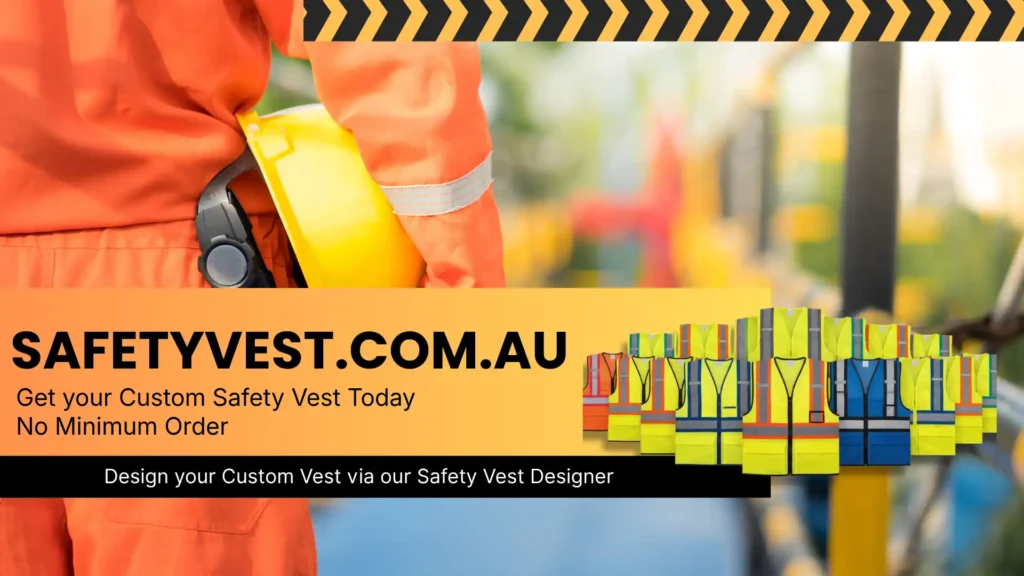
Construction Site Vest 7 Must‑Know Features for 2025
A recent SafeWork Australia report showed that 75 % of all site injuries involve a lapse in high‑visibility (hi‑vis) wear, making the right construction site vest a non‑negotiable piece of personal protective equipment (PPE). Whether you’re fitting out a crew on a Brisbane high‑rise or a mining‑support team in Kalgoorlie, the vest you choose today will dictate safety outcomes in 2025 and beyond.
Why the Right Vest Matters on Australian Worksites
Australian construction sites are a mosaic of shifting lighting conditions, dusty backgrounds and fast‑moving plant. That complexity is why the national standard AS/NZS 4602.1:2011 (High‑visibility safety apparel) is repeatedly updated – the latest amendment adds stricter colour‑fastness testing and a minimum of 80 % retro‑reflective coverage for Class 3 garments.
SafeWork Australia’s annual “Work‑Related Injuries and Fatalities” briefing highlights that when workers wear compliant hi‑vis apparel, the likelihood of being struck by moving equipment drops by almost half. State regulators – WorkSafe NSW, VIC’s WorkSafe, and QLD’s Workplace Health and Safety – all reference this standard when auditing site PPE, meaning non‑compliant vests can trigger fines, work stoppages, and insurance headaches.
Beyond legalities, a well‑chosen vest fosters a culture of visibility. When every labourer, crane operator and traffic controller is easily seen, communication improves, near‑misses are reduced, and the whole site runs smoother.
7 Features to Look for in a Construction Site Vest (2025)
- Class 3 Retro‑Reflective Fabric – Guarantees at least 80 % surface coverage, ensuring the vest remains visible at 200 m in low‑light conditions.
- Fluorescent Base Colour (Yellow, Orange, or Red) – Meets the colour‑contrast requirements of AS/NZS 4602.1 and provides maximum contrast against most construction back‑drops.
- Durable 210‑Denier Tape – Resists tears from snagging on steelwork or rigging, extending the vest’s service life to three years on average.
- Breathable Mesh Lining – Keeps workers comfortable during hot Australian summers while still allowing the reflective tape to perform.
- Adjustable Hook‑and‑Loop Waist – Prevents sagging or riding up, so the reflective zone stays at the correct height.
- Pockets with Reinforced Stitching – Allows safe storage of tools or radios without compromising the garment’s integrity.
- Customisable Branding Panels – A clear space for logos or safety messages that does not interfere with the reflective surface; perfect for creating a cohesive site identity.
You can design your own safety vest using an online custom safety vest designer, ensuring every worker gets a garment that meets both safety and brand standards.
How to Choose the Right Vest for Your Crew
1️⃣ Verify the Class Rating
Check the label for “Class 3 – High Visibility (Full Body)”. Anything lower is unsuitable for high‑risk construction environments.
2️⃣ Test Colour Fastness
Ask your supplier for a colour‑fastness certificate. In Queensland’s intense sunshine, a vest that fades quickly becomes a safety liability.
3️⃣ Assess Durability Features
Look for double‑stitched seams, reinforced tape edges, and heavy‑duty zippers if you need a vest that can double as a light work jacket.
4️⃣ Confirm Fit & Adjustability
Ask workers to try on sample vests. An adjustable waist and shoulder straps ensure the reflective panels sit at the correct height for every body type.
5️⃣ Review the Reflectivity Standard
Ensure the vest meets the ABM (Australian Bureau of Meteorology) 200‑lux test for retro‑reflectivity – this is detailed in the AS/NZS 4602 compliance guide.
6️⃣ Consider Additional Features
If your site operates at night, a reflective “safety strip” on the back of the vest can be a game‑changer. Pocket placement should not disrupt the reflective zone.
7️⃣ Check Return & Replacement Policy
High‑visibility garments suffer wear faster than you think. A clear warranty makes it easier to keep your team compliant without surprise costs.
Australian Compliance and Buying Guide
In Australia, every employer must provide PPE that complies with AS/NZS 4602.1, and the vest is often the first line of defence. For construction projects in New South Wales, WorkSafe NSW requires that all on‑site personnel wear Class 3 hi‑vis garments when operating near plant or vehicle traffic. In Victoria, the same rule applies, but the state also mandates that the vest feature a “high‑visibility warning message” on the back for worksites adjacent to public roads.
When ordering, select a supplier that references the full compliance requirements in their product literature and can furnish a compliance certificate on request. Many manufacturers now offer a bundled “Compliance Pack” that includes the vest, a compliance guide PDF, and a quick‑reference card for site supervisors.
Common Mistakes and How to Avoid Them
- Choosing the Wrong Class – A Class 2 vest may look bright but doesn’t meet the 80 % retro‑reflective coverage needed for high‑risk zones.
- Ignoring Colour Fastness – Sun‑bleached vests lose contrast, turning a safety asset into a hazard. Test a sample under UV light before bulk ordering.
- Over‑customising the Reflective Area – Printing large logos over reflective tape reduces visibility. Keep branding to the designated non‑reflective panels.
- Skipping Size Checks – A vest that’s too loose rides up, exposing the worker’s torso; too tight restricts movement and can cause discomfort, leading to non‑use.
By addressing these pitfalls, you increase the chance of landing a featured snippet for “construction site vest mistakes”.
Frequently Asked Questions
What AS/NZS standard must a construction site vest meet?
A compliant vest must meet AS/NZS 4602.1:2011, specifically the Class 3 requirements for full‑body high‑visibility workwear.
Can I add my company logo to a hi‑vis vest?
Yes, but the logo must be placed on a non‑reflective panel so it doesn’t interfere with the vest’s retro‑reflective performance.
How many days does it take to receive a bulk order of safety vests in Australia?
Most Australian suppliers ship standard stock within 5‑7 business days; custom‑branded orders typically require 10‑14 days, depending on colour and size variations.
Where can I find answers to other safety vest queries?
Our common questions about safety vests page covers everything from fabric care to replacement cycles.
Ready to protect your crew with a vest that ticks every box? Build your branded vest online today and keep your site compliant and visible.