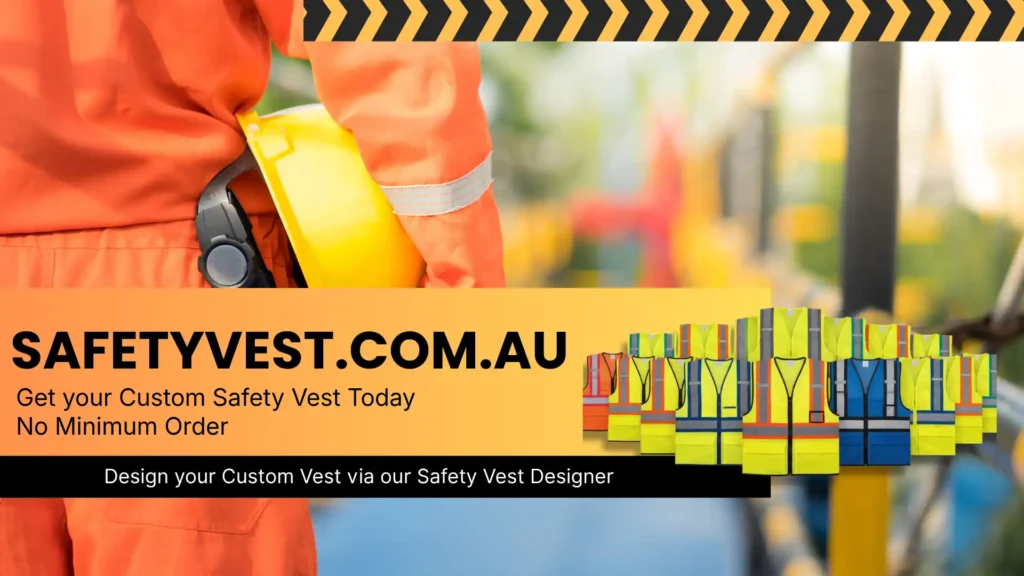
Construction Worker Vests Guide Top 7 Picks for 2025
Construction worker vests are the most visible line of defence against on‑site accidents, and the right high‑visibility garment can shave minutes—and lives—off an emergency response. In 2023, SafeWork Australia recorded a 12 % decrease in site‑related injuries after 85 % of firms upgraded to AS/NZS 4602‑compliant vests. If you’re looking to protect your crew while staying on the right side of the law, this guide shows the seven best options for 2025 and tells you exactly how to pick the perfect hi‑vis workwear for any Australian project.
Why the Right Construction Worker Vest Matters
Australian construction sites are a maze of moving plant, loading bays, and ever‑changing traffic patterns. The core problem isn’t a lack of safety rules—it’s inconsistent visibility. Workers who wear non‑compliant or poorly fitted high‑visibility vests are up to three times more likely to be struck by mobile equipment, according to research from SafeWork Australia.
The national standard AS/NZS 4602.1 sets out colour, retro‑reflective strip placement, and performance class requirements (Class 1–3). Yet many supervisors still rely on outdated stock or “one‑size‑fits‑all” garments that fail to meet the mandated luminance levels. When a site is audited, non‑compliance can mean hefty fines from WorkSafe WA or NSW SafeWork, and the loss of a safe‑work certificate.
To stay compliant and keep your crew visible, you need a vest that:
- meets the correct class for your work zone (high‑risk zones need Class 3),
- fits comfortably for long shifts, and
- can be branded or customised without breaking the reflective performance.
A quick search for “construction worker vests” will turn up dozens of options, but not all are created equal. Below we break down the decision‑making process, so you can choose a vest that ticks every box on the AS/NZS 4602 compliance guide.
How to Choose the Best Vest – Step‑by‑Step
- Identify the required class – Class 1 is suitable for low‑risk environments, Class 2 for general construction, and Class 3 for high‑risk zones with moving plant. Check your site risk assessment to confirm.
- Select the correct colour – Fluorescent orange, yellow, and red are the only colours recognised for high‑visibility workwear under the standard. Choose based on background contrast; orange works best against natural terrain, yellow for urban sites.
- Check retro‑reflective strip layout – Front, back, and side strips must follow the prescribed width and spacing. Look for garments that clearly label “Class 2 – 2 × 50 mm strips” or similar.
- Prioritise comfort and fit – Breathable, lightweight fabric with adjustable tabs prevents chafing during long shifts. Sizing should be true to body measurements, not merely “small‑large”.
- Consider custom branding – Adding a logo or safety message is allowed as long as it doesn’t cover any reflective area. Use a custom safety vest designer to maintain compliance while promoting your brand.
- Verify durability – Look for reinforced stitching, tear‑resistant fabric, and UV‑stable dyes. Sites in Queensland’s harsh sun need extra protection against colour fade.
- Review the supplier’s compliance documentation – Reputable vendors provide a test report confirming AS/NZS 4602.1 compliance; keep this on file for future audits.
Australian Compliance, Industry Use‑Case & Buying Guide
For Australian construction firms, compliance isn’t optional – it’s a legal requirement enforced by state regulators such as WorkSafe Victoria, SafeWork NSW, and Queensland’s Workplace Health and Safety Act. The AS/NZS 4602 compliance guide outlines specific performance criteria; failing to meet them can result in fines up to $13,000 per breach in NSW.
Take the example of a multi‑storey residential project in Melbourne’s Docklands. The site manager upgraded all crew to Class 3 orange vests with a 100 % reflective rear strip. Within three months, near‑miss reports involving plant reduced by 40 %, and the site passed its quarterly safety audit with zero non‑compliance notes.
When buying, Australian buyers should:
- Request a full compliance requirements statement with each quote.
- Compare price per vest against expected lifespan (typically 2‑3 years with proper care).
- Ensure the supplier can ship to all states, factoring in freight costs for remote sites such as the Pilbara.
Common Mistakes & How to Avoid Them
- Choosing the wrong class – Many foremen buy Class 2 vests for high‑risk plant zones, assuming colour alone is enough. This compromises visibility at night and during rain.
- Covering reflective strips with logos – Adding large graphics over the strips defeats the purpose of the retro‑reflective material and breaches AS/NZS 4602.1. Keep branding to the collar or sleeve.
- Neglecting fit – Oversized vests drum up excess fabric that can snag on equipment, while undersized ones ride up and hide reflective panels. Conduct a fit‑test with a representative sample before bulk ordering.
Addressing these pitfalls not only boosts safety but also protects you from costly compliance violations.
Frequently Asked Questions
Do construction worker vests need to be replaced every year?
No, vests are typically certified for a service life of 2–3 years, provided they remain free of tears, fading, or delamination of reflective material. Replace them when visual inspection shows wear that could affect luminance.
Can I add my company logo to the vest without breaking compliance?
Yes, as long as the logo does not cover any required reflective strip. Use a custom safety vest designer that respects the strip layout, and keep the logo size within the non‑reflective zones.
What are the exact colour requirements for hi‑vis vests in Australia?
The standard recognises fluorescent orange, yellow, and red. The colour must be non‑metallic and meet specific chromaticity values defined in AS/NZS 4602.1. Choose the colour that offers the greatest contrast with your work environment.
Where can I find detailed answers to safety vest regulations?
The best resource is the AS/NZS 4602 compliance guide on the SafetyVest website, which outlines all technical requirements and provides a checklist for auditors.
Upgrade your crew’s protection today – design your own safety vest and stay ahead of the compliance curve.