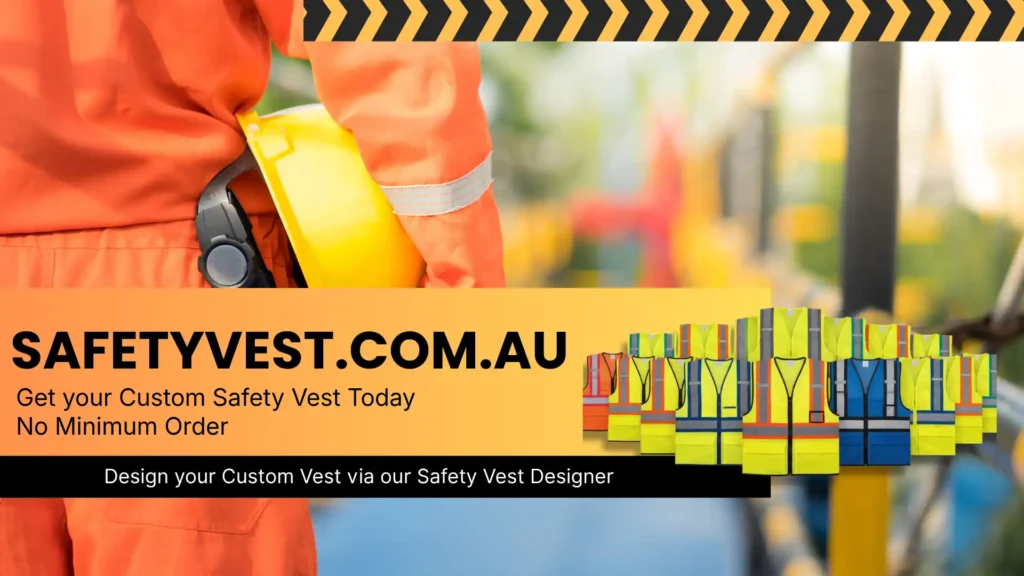
How to Choose a Custom Printed Safety Vest in 2025
How do you pick the right custom printed safety vest for your crew? The answer lies in balancing compliance, visibility, and brand identity. In 2024, SafeWork Australia reported that 96 % of workplace incidents involving moving vehicles could have been prevented with proper hi‑vis PPE. That stark figure underlines why a well‑chosen, compliant safety vest isn’t just a uniform – it’s a life‑saving tool for Australian workers. This guide walks you through the buying process, so you can protect staff, meet legislation, and showcase your logo without guessing.
The core problem: meeting safety standards while staying on brand
Australian workplaces are governed by AS/NZS 4602.1:2011, the national standard for high‑visibility clothing. It specifies colour, fluorescent material, and reflective tape ratios for different classes (Class 1‑3). Yet many employers struggle to find a supplier that can print logos, use corporate colours, and still meet those exact requirements.
SafeWork Australia’s recent audit of construction sites in New South Wales found that 34 % of reported non‑compliances related to ill‑fitted or non‑conforming hi‑vis garments. The root cause is often a “one‑size‑fits‑all” approach that ignores the mix of trades, weather conditions, and site‑specific hazards.
A further complication comes from state‑level bodies such as WorkSafe Victoria and Queensland’s Workplace Health & Safety regulator, which may enforce additional colour‑coding for traffic control or mining environments. Choosing a vest that ticks every box demands a systematic, buyer‑focused approach – one that starts with a clear picture of the worksite and ends with a fully compliant, custom printed product.
Step‑by‑step guide to selecting the perfect custom printed safety vest
-
Identify the required visibility class – Determine whether your crew needs Class 1 (low‑risk indoor), Class 2 (general outdoor) or Class 3 (high‑risk, high‑speed traffic). The class dictates the amount of reflective tape and the colour palette (fluorescent orange, yellow, or green).
-
Match the vest style to the task – High‑visibility jackets, long‑sleeve fleeces, or sleeveless vests each serve different climates and roles. For a construction crew that moves between heated sites and cooler evenings, a layered approach (vest + jacket) often works best.
-
Check fabric durability and comfort – Look for ripstop polyester with moisture‑wicking finishes. Australian summers can be unforgiving; breathable material reduces heat stress while still holding the required fluorescent and reflective strips.
-
Design with compliance in mind – Upload your logo and colour scheme to a custom safety vest designer that flags any non‑compliant placements. Reflective tape must remain on the back and sides; logos are typically allowed on the chest or upper back only.
-
Order samples and verify measurements – Size variations across manufacturers can affect ergonomics. Request a physical sample, check the fit on a range of body types, and confirm that the printed artwork does not obscure safety markings.
-
Confirm the supplier’s AS/NZS 4602 compliance documentation – A reputable vendor will provide a certificate of conformity and a link to an AS/NZS 4602 compliance guide for easy reference.
-
Calculate total cost of ownership – Factor in upfront printing, replacement cycles (usually every 3‑5 years), and any bulk‑order discounts. A modest upfront investment in higher‑quality fabric often reduces long‑term spend.
Australian‑specific compliance and industry guide
In Australia, each state may add nuances to the national standard. For example, NSW WorkSafe requires fluorescent orange for all road‑work crews, while Victoria allows fluorescent yellow for low‑traffic sites but mandates additional reflective tape for night work. In Queensland’s mining sector, the Mining Safety and Health Act obliges Class 3 vests with a minimum of 90 mm of reflective tape on the back.
The construction industry remains the largest consumer of custom printed safety vests. A typical project in Perth will have subcontractors ranging from electricians to plant operators, each needing a distinct visibility class. By consolidating orders through a single supplier, you streamline compliance checks and ensure every worker wears the correct garment, reducing the risk of on‑site fines and, more importantly, accidents.
Common pitfalls and how to avoid them
- Placing logos over reflective zones – This defeats the purpose of hi‑vis. Always keep logos confined to non‑reflective areas such as the left chest or upper back.
- Choosing the wrong colour for the environment – Fluorescent orange works well on construction sites, but in a quarry where yellow is the default, orange can blend with machinery. Align colour choice with site‑specific hazard assessments.
- Ignoring fit and comfort – A vest that’s too loose may ride up, exposing non‑reflective torso. Conversely, a tight fit can restrict movement and cause heat stress. Use a size chart and consider a “relaxed fit” for manual labour.
Addressing these mistakes early not only improves safety outcomes but also boosts worker morale – employees are more likely to wear PPE they find comfortable and professional.
Frequently Asked Questions
What AS/NZS standard must a custom printed safety vest meet?
A custom printed safety vest must comply with AS/NZS 4602.1:2011, which outlines colour, fluorescent material, and reflective tape requirements for each visibility class.
Can I add my company logo without breaking compliance?
Yes, logos can be printed on non‑reflective sections (typically chest or upper back). Use a custom safety vest designer that validates placement against the standard to stay compliant.
How long does it take to order and receive a batch of custom vests?
Standard lead times are 10‑14 business days for design approval, plus 7‑10 days for production and shipping. Bulk orders (500 +) may require an additional week for colour matching and quality checks.
Do I need a separate safety vest for each site I work on?
Not necessarily. As long as the vest meets the highest visibility class required across your sites, it can be used universally. Check any state‑specific colour mandates, such as NSW’s orange requirement for road‑work crews.
Ready to protect your crew while showcasing your brand? Design your own safety vest today and stay compliant across every Australian worksite.