






Black Hi‑Vis Vest: The Ultimate Night‑Work Safety Gear—Features, Benefits, and How to Choose the Perfect One
A senior plant operator once told his crew to “keep it simple” and handed out cheap black jackets with a few strips of reflective tape for a 10‑pm maintenance shift. Within an hour, a forklift driver missed a clear‑way line, clipped the pallet rack and triggered a costly shutdown—plus a near‑miss that could have turned fatal. The truth is simple: a black hi‑vis vest that isn’t compliant or fit‑for‑purpose can turn a night‑time job into a safety nightmare. Getting the right night‑work vest isn’t about colour alone; it’s about meeting the right standards, fit, durability and visibility where it counts. Below, we break down the features that matter, the pitfalls most sites stumble into, and a step‑by‑step guide to picking the perfect black hi‑vis vest for Australian night‑work environments.
What makes a Black Hi‑Vis Vest suitable for night work?
A black‑base garment isn’t a badge of invisibility—it’s a canvas for high‑performance reflective tape that shines under headlights, floodlights and vehicle LEDs. On a real site, this means a worker can be spotted from 100 metres away even when the sky is dark. The key traits are:
| Feature | Why it matters on site |
|---|---|
| Class N classification – meets AS/NZS 4602.1 and AS 1742.3 | Guarantees the vest meets the minimum night‑time visibility requirements mandated by SafeWork NSW, WorkSafe Victoria and WHS Queensland. |
| Reflective tape ≥ 50 mm wide, encircling the torso | Provides a continuous “halo” of light reflecting back to the source, so drivers and crane operators see you from all angles. |
| Durable, tear‑resistant backing (poly‑ester or polyester‑cotton blend) | Night‑time sites can be rugged; a torn vest loses reflective coverage and becomes a liability. |
| Secure, adjustable closures (Velcro, snap‑fasten, or zip) | Ensures the vest stays in place when workers bend, climb ladders or crawl under structures. |
| Colour‑fast black fabric | Prevents fading or bleaching from sun‑exposure during daytime tasks that bleed into night shifts. |
Put simply, a compliant black hi‑vis vest turns the dark into a backdrop where the reflective tape does the talking, keeping workers visible to plant operators and traffic controllers alike.
Key compliance points for night‑time vests
Australian regulations are clear: night‑work high‑visibility apparel must comply with specific standards, and failure can mean fines or a work‑stop order.
-
Class N (Night) – AS/NZS 4602.1
The vest must be labelled “Class N” and feature reflective material that conforms to AS/NZS 1906.4. The tape must be a minimum of 50 mm in width and must wrap around the torso at least once. -
Approved reflective colours
While the base can be black, the reflective tape must be either fluorescent yellow‑green or fluorescent orange‑red. Both meet the required retro‑reflectivity thresholds for night illumination. -
Tape placement
The tape must encircle the torso, and additional horizontal strips on the front and back are recommended for lateral visibility when workers turn. -
Durability test
Vests must pass the abrasion and wash‑fastness tests outlined in AS 1742.3. On a site, this translates to a vest that still reflects after a week of heavy use and multiple washes. -
Enforcement bodies
SafeWork NSW, WorkSafe Victoria and WHS Queensland routinely audit night‑shift sites. Non‑compliant vests can result in improvement notices, fines or a halt to work until corrective action is taken.
For quick reference, you can review the full [compliance guide] on safetyvest.com.au.
Practical checklist: Selecting the right black hi‑vis vest
Before you place an order, run through this on‑site checklist. It helps you verify that the vest you’re about to buy will actually keep your crew safe after dark.
- [ ] Class N label present and visible
- [ ] Reflective tape ≥ 50 mm wide, encircling torso
- [ ] Tape colour: fluorescent orange‑red or yellow‑green
- [ ] Tape meets AS/NZS 1906.4 (check supplier certification)
- [ ] Back material durable (poly‑ester or polyester‑cotton blend)
- [ ] Adjustable closures that stay secure during movement
- [ ] Stitching reinforced at seams, especially under arms
- [ ] Colour fastness – black fabric doesn’t bleach after 5 washes
- [ ] Supplier offers custom branding without compromising tape placement (see [custom safety vests])
If anything on the list is a “no”, walk away and find a compliant alternative.
Where sites go wrong with night‑work vests
That’s where most sites get it wrong: they assume any bright‑coloured vest will do, or they chase cheap imports to save money. The most common blunders include:
| Mistake | Real‑world impact |
|---|---|
| Using a Class D (Day) vest at night | Reflective tape is tuned for daylight; drivers can’t spot workers in low‑light, increasing collision risk. |
| Faded or dirty reflective strips | Dirt and oil reduce retro‑reflectivity, turning a compliant vest into a blind spot. |
| Cheap non‑compliant imports | Often lack the required 50 mm tape width or use low‑grade plastic that cracks after a few washes. |
| Branding placed over reflective tape | Logos or logos printed directly on tape block light return, negating the vest’s purpose. |
| Improper sizing – vest too loose or too tight | Loose vests shift, exposing skin; tight vests restrict movement and may tear at stress points. |
A site that skips the compliance check can face a hefty Improvement Notice from SafeWork NSW, not to mention the hidden cost of an accident.
Industry examples: Black hi‑vis in action
Construction – night‑time concreting
A high‑rise crew worked a 10 pm concrete pour on a windy site. Using black Class N vests with orange‑red reflective tape, the crane operator could see every labourer from the cab, even when the only light came from a single floodlight. No incidents were recorded, and the project stayed on schedule.
Traffic control – after‑hours roadworks
During a weekend highway maintenance, traffic controllers wore black hi‑vis vests that met Class R standards (roadwork) but also included the night‑time tape width. Drivers reported clear visibility of controllers from 150 metres away, reducing the need for additional signage.
Warehousing – night‑shift order picking
A large distribution centre introduced black hi‑vis vests for its 11 pm shift. The reflective tape’s 360° coverage meant forklift drivers could spot pickers even in low‑bay lighting, cutting near‑misses by 70 percent in the first month.
Mining – underground night operations
In a Queensland coal mine, night crews wear black vests with high‑gain reflective tape that complies with AS/NZS 2980 for underground work. The vests survive the harsh, dusty environment and keep workers visible to vehicle operators navigating narrow drifts.
Events – after‑dark crowd management
An outdoor music festival hired security staff for an 11 pm to 2 am slot. Black hi‑vis vests with bright reflective strips allowed the team to coordinate movements across the venue, even when stage lights washed out the surrounding area.
Frequently asked questions
Q: Can I use a black hi‑vis vest for both day and night work?
A: Only if it’s classified as Class D/N (day/night) and meets the reflective requirements for both daylight and low‑light. Pure Class N vests are designed solely for night, so you’d need a separate day‑time garment.
Q: Does the brand logo affect compliance?
A: Yes, if the logo is printed over reflective tape, it reduces retro‑reflectivity. Position branding on non‑reflective sections of the vest.
Q: Are imported black vests ever compliant?
A: Occasionally, but you must verify the supplier’s certification against AS/NZS 1906.4. Many cheap imports fail to meet the 50 mm tape width rule.
Q: How often should reflective tape be inspected?
A: At the start of each shift and after any incident. Look for peeling, dirt build‑up or colour fading. Replace any compromised vest immediately.
Q: Can I customise a black hi‑vis vest with my company colours?
A: Yes, but the reflective tape must remain intact and meet the required width. For colour‑consistent branding, use the [custom safety vests] service.
Bottom line
A compliant black hi‑vis vest isn’t a luxury; it’s a legal and practical safeguard for any night‑shift operation across construction, traffic control, warehousing, mining or events. By insisting on Class N certification, proper reflective tape width and durable construction, you remove a major blind spot that can lead to accidents, fines or work stoppages. Use the checklist above, avoid the common mistakes, and align your procurement with the For an extra‑secure fit‑for‑purpose solution, explore the [custom safety vests] range or get a direct quote today. Our parent company, Sands Industries, has been manufacturing compliant high‑visibility gear for Australian workplaces for over three decades – you can trust the expertise behind every stitch.
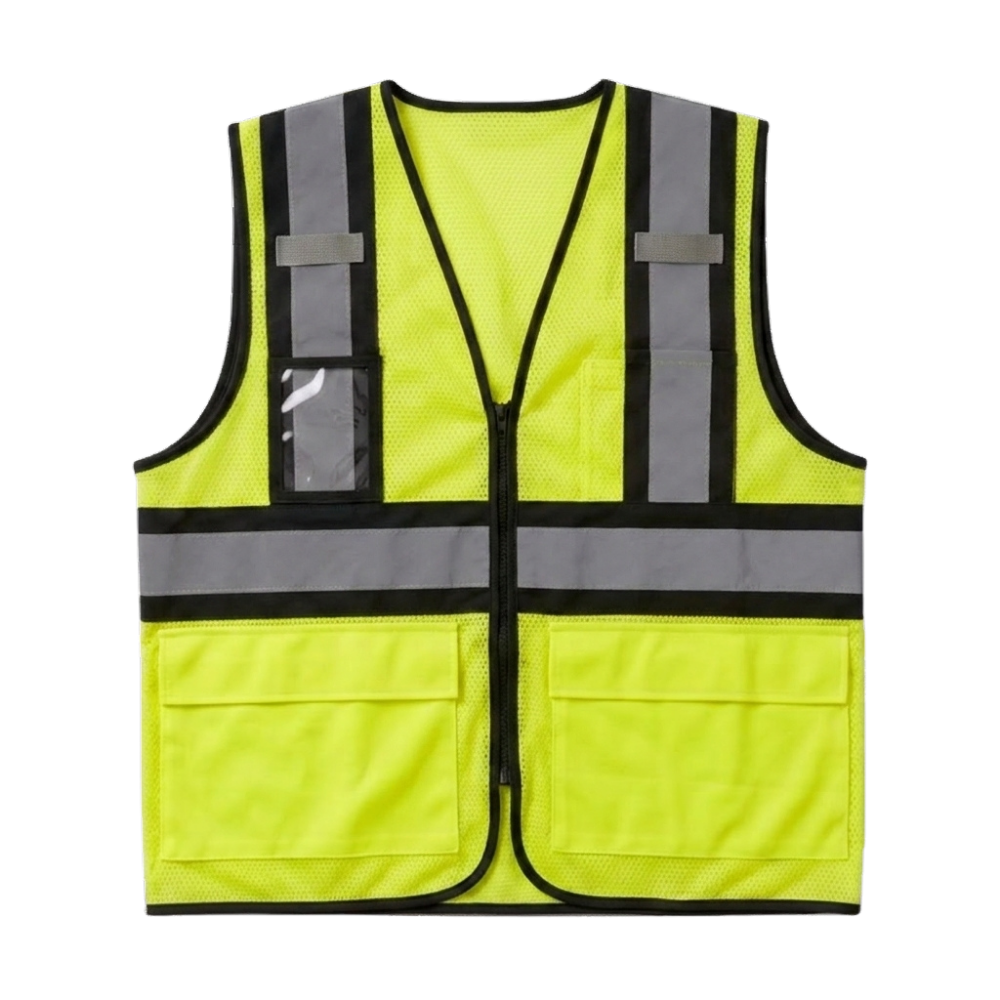
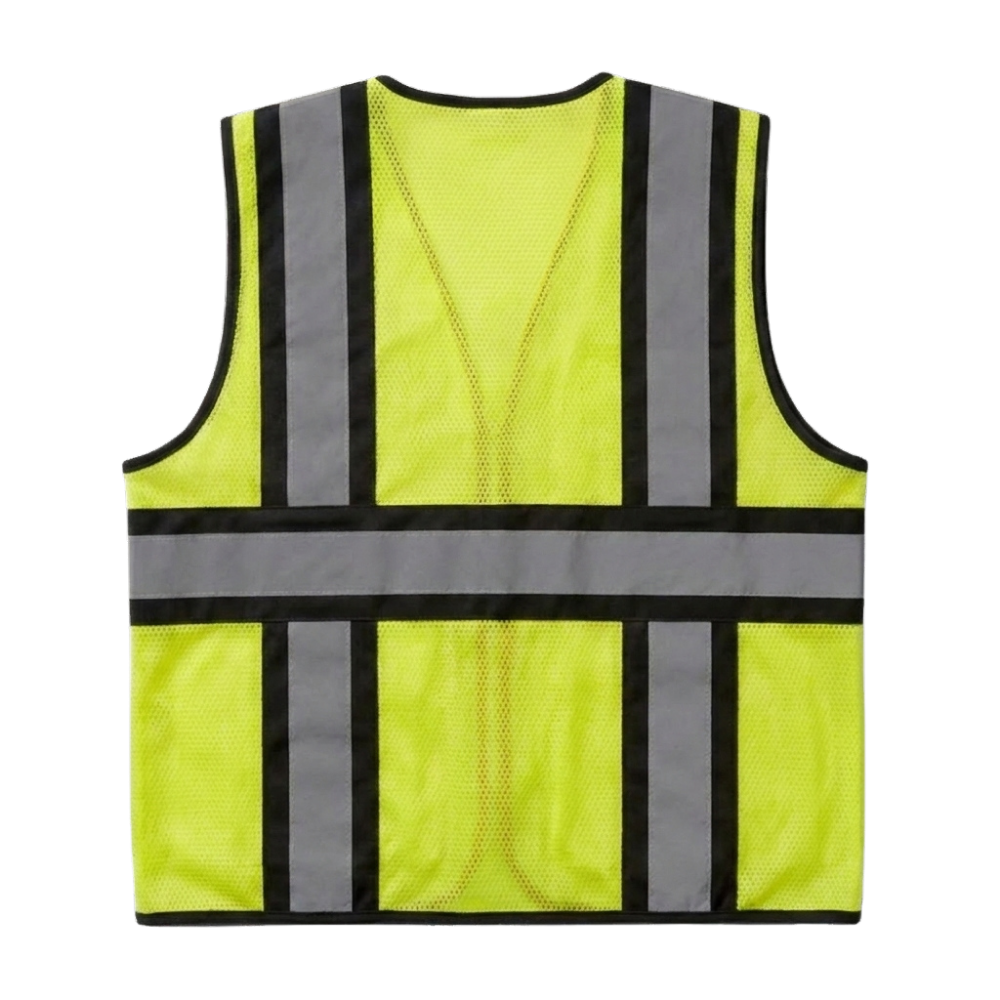
Black Hi-Vis Executive Safety Vest
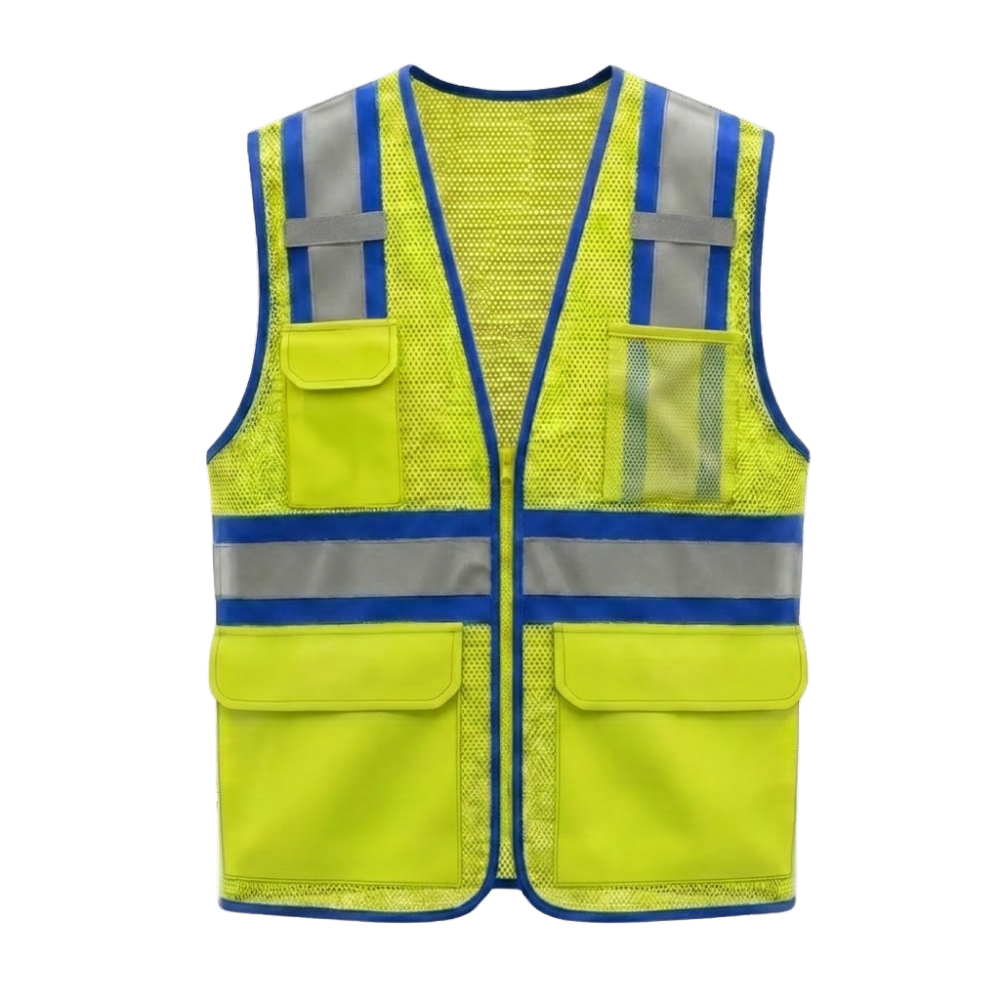
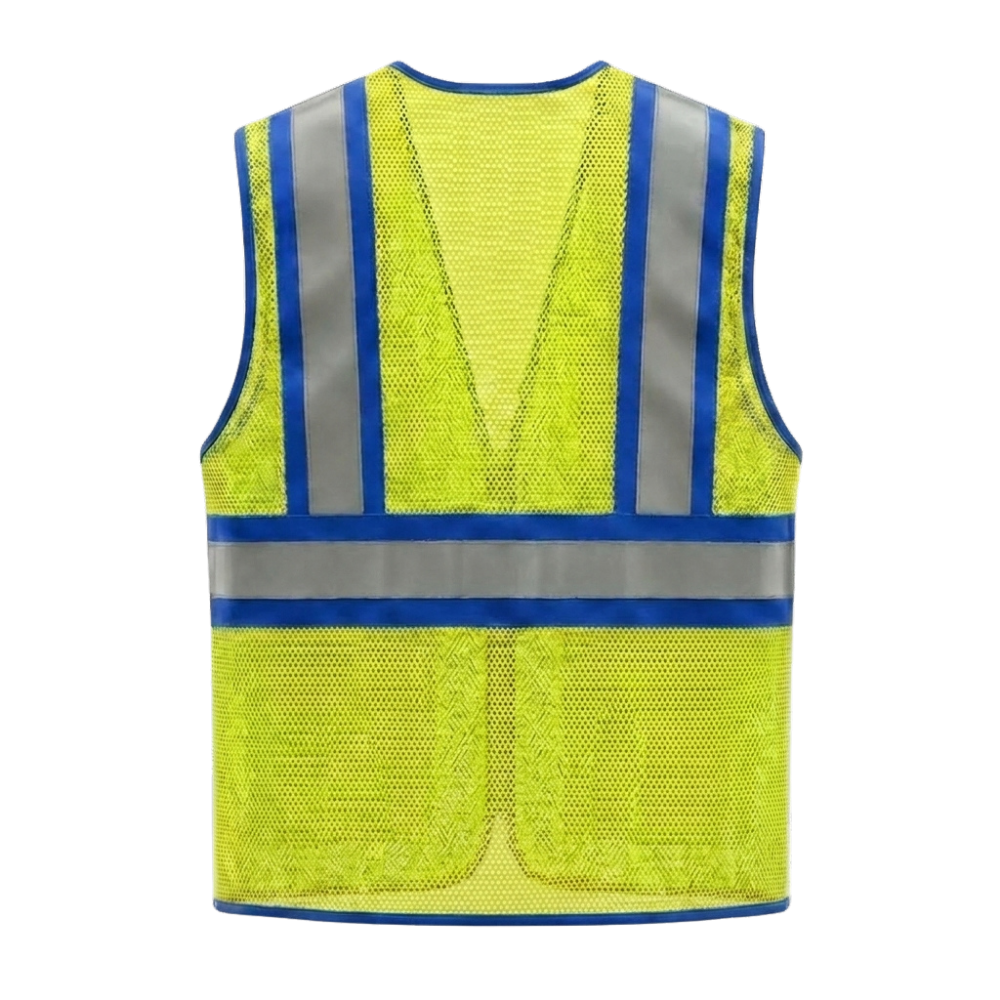
Blue Hi-Vis Executive Safety Vest
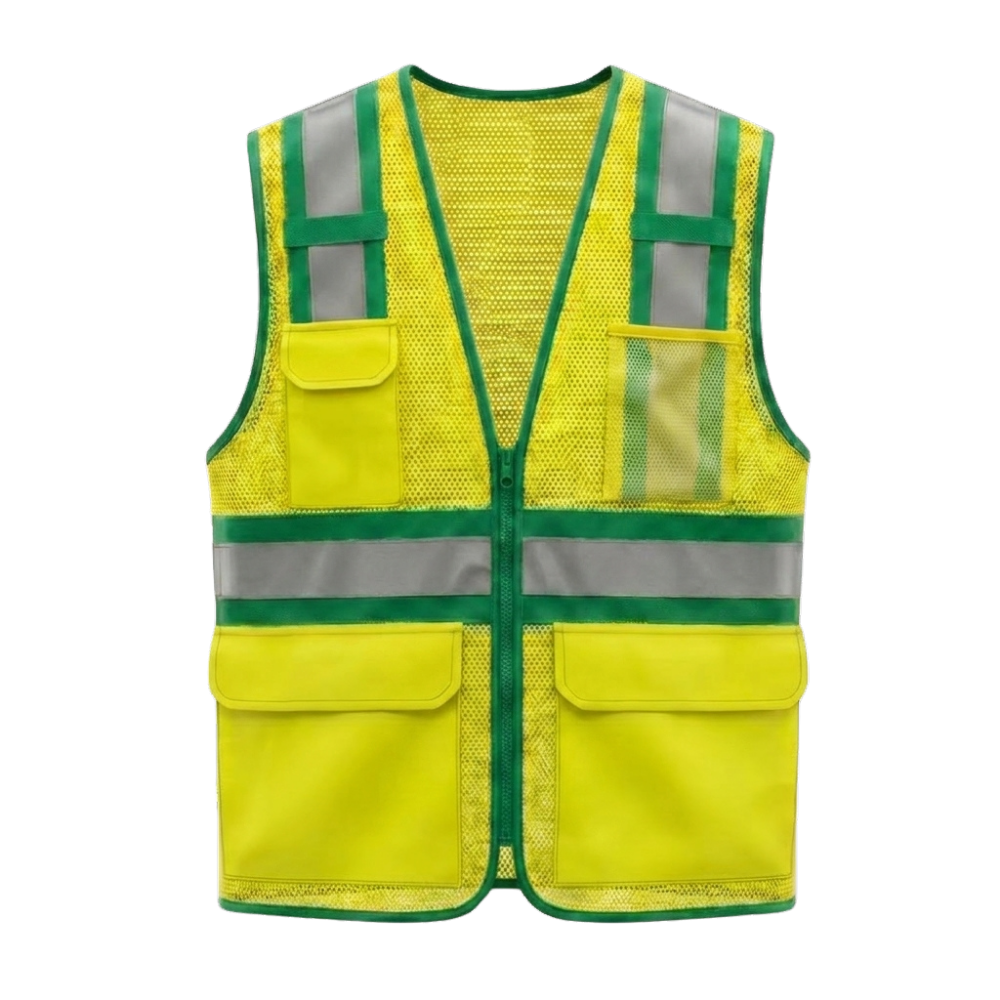
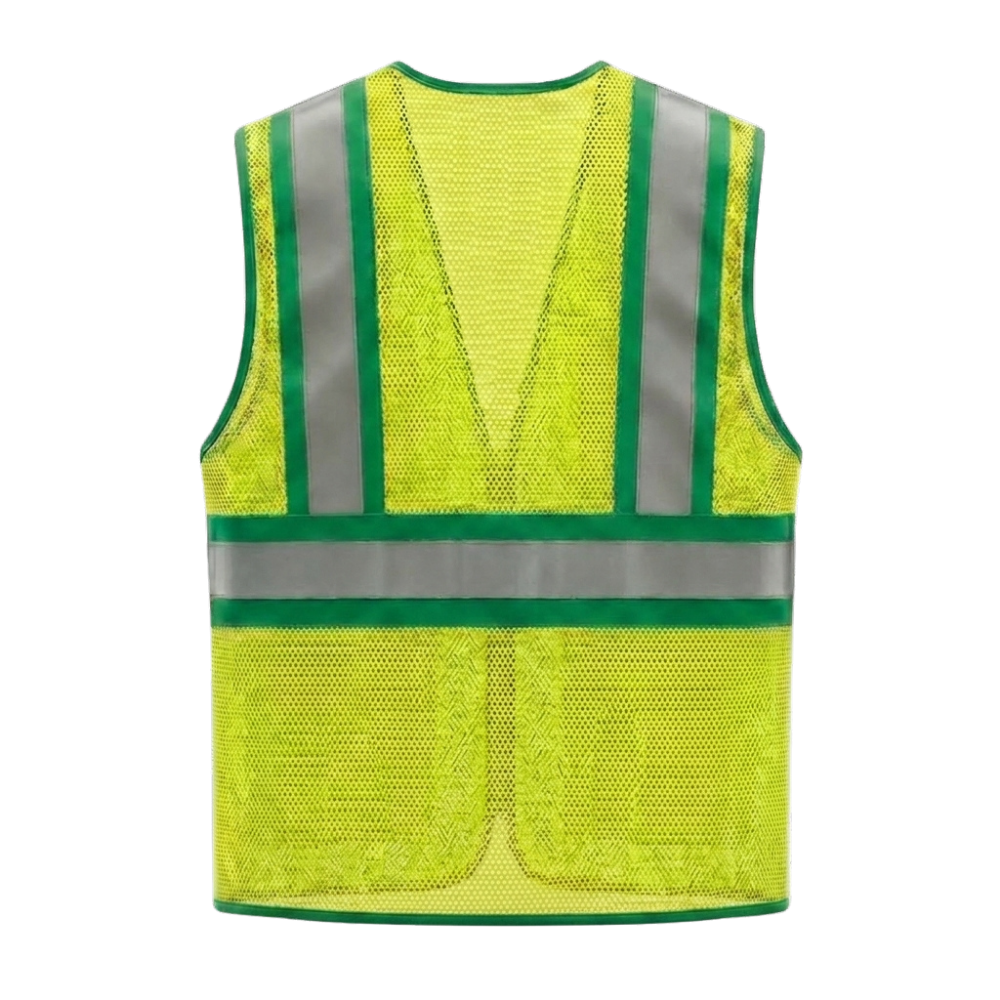
Green Hi-Vis Executive Safety Vest
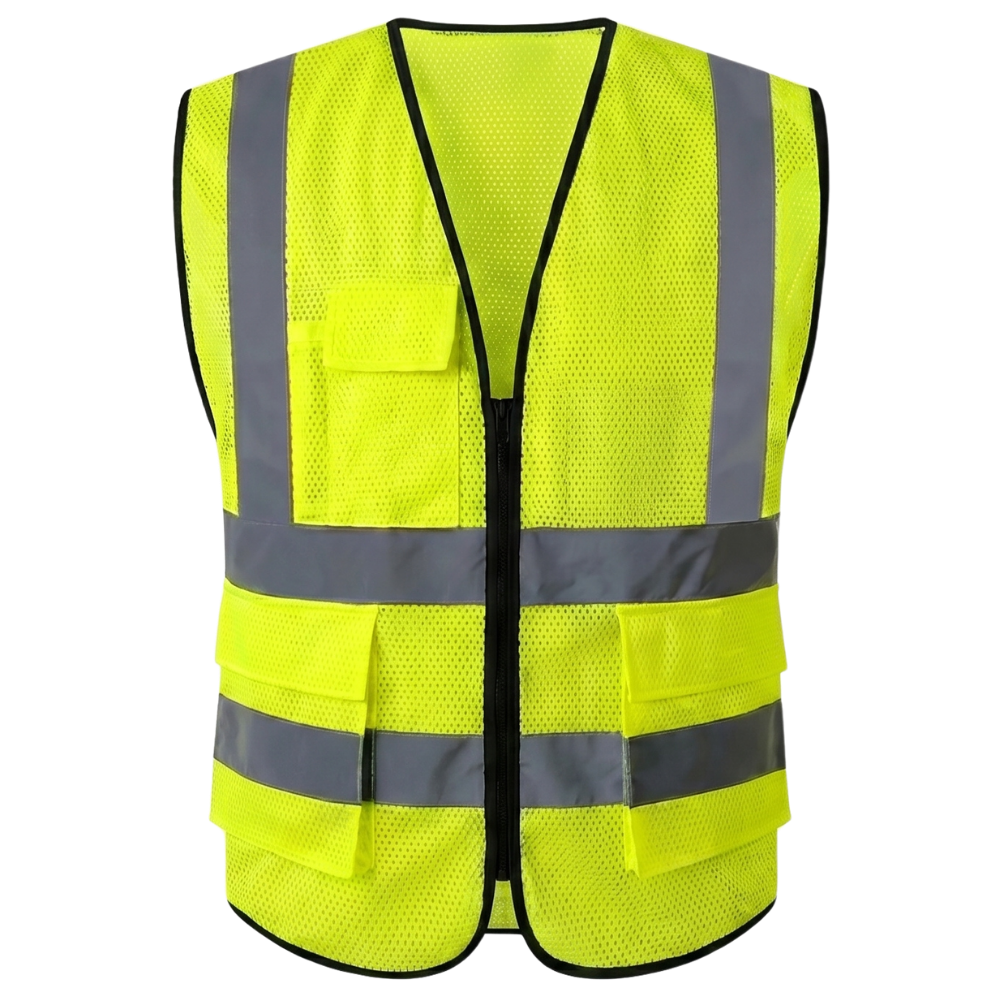
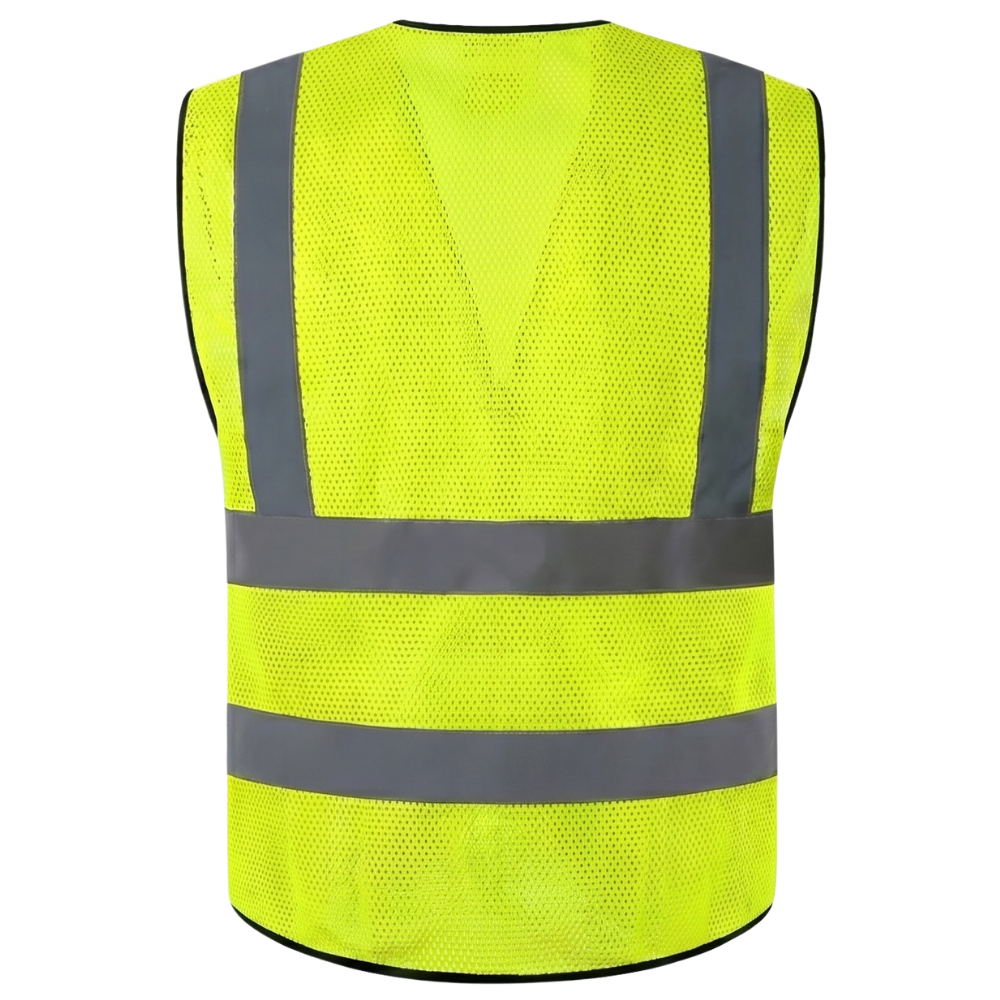
High-Brightness Safety Vest | CE/ANSI Certified | For Delivery Partners/Drivers
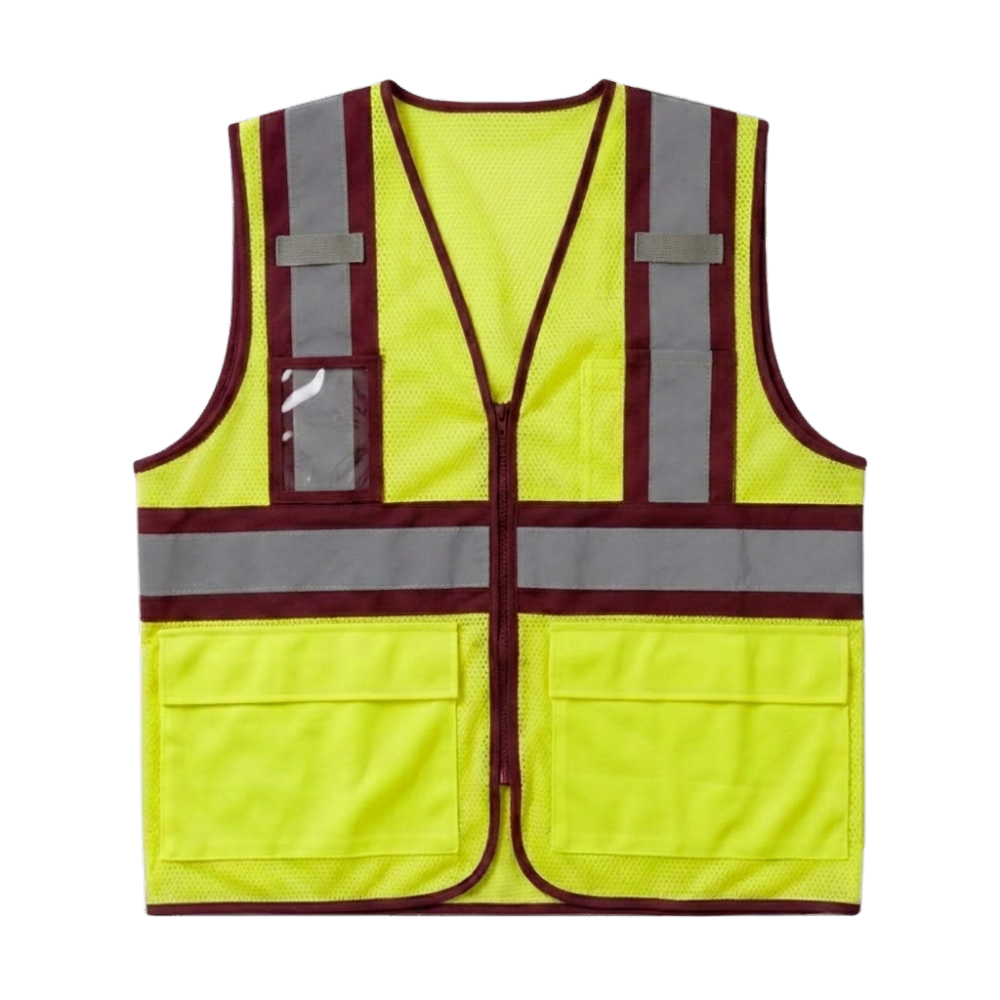
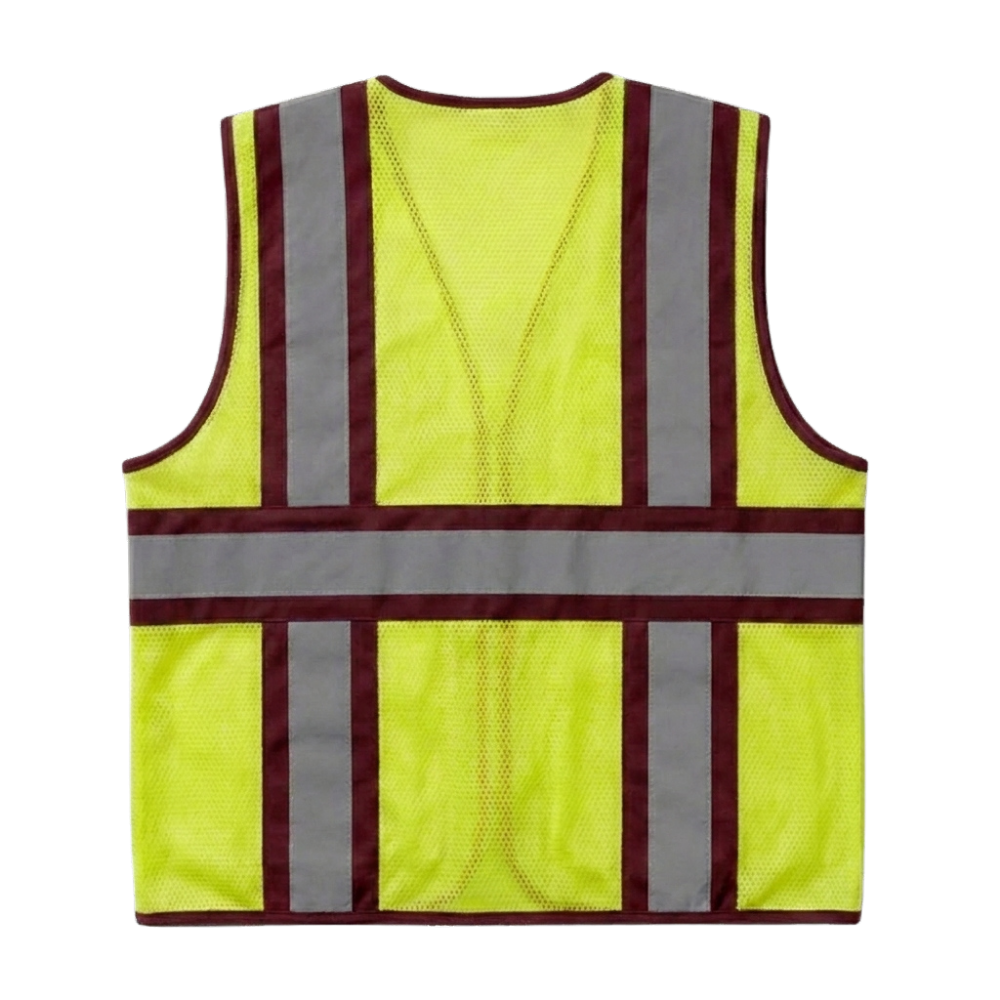
Maroon Hi-Vis Executive Safety Vest
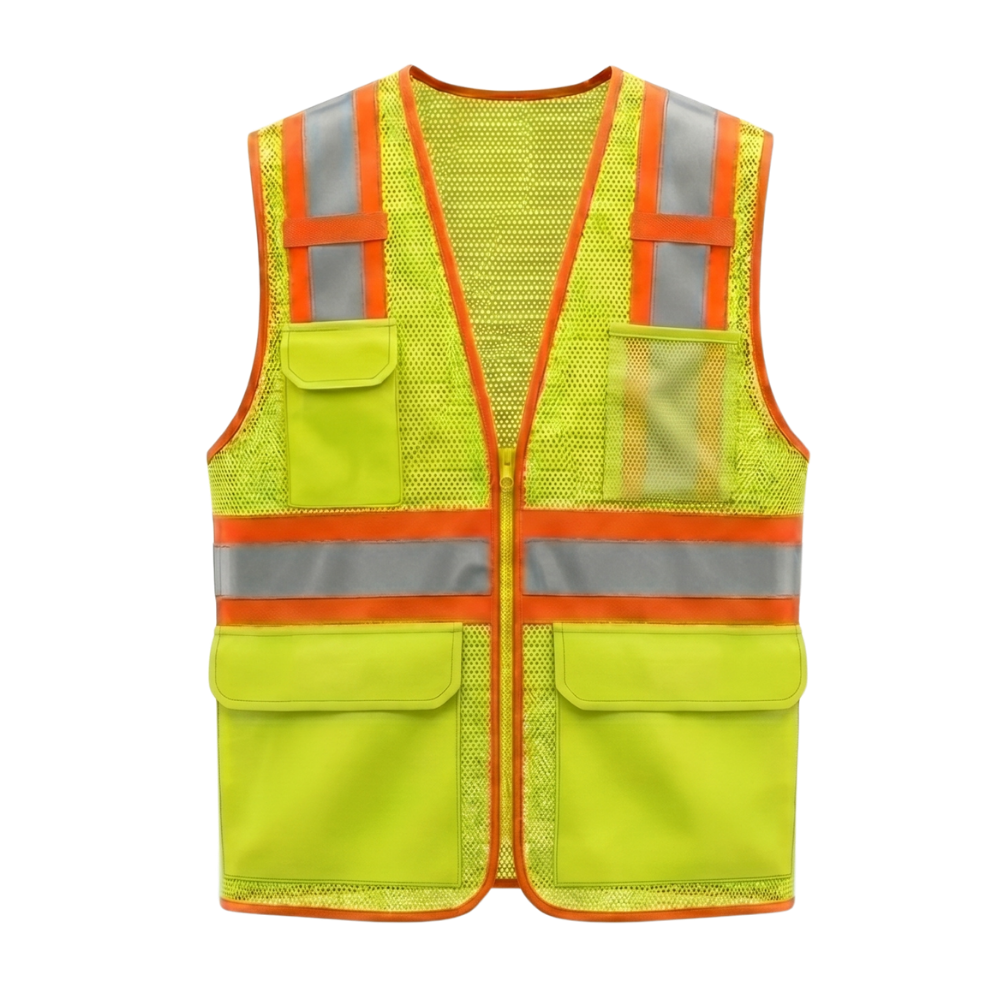
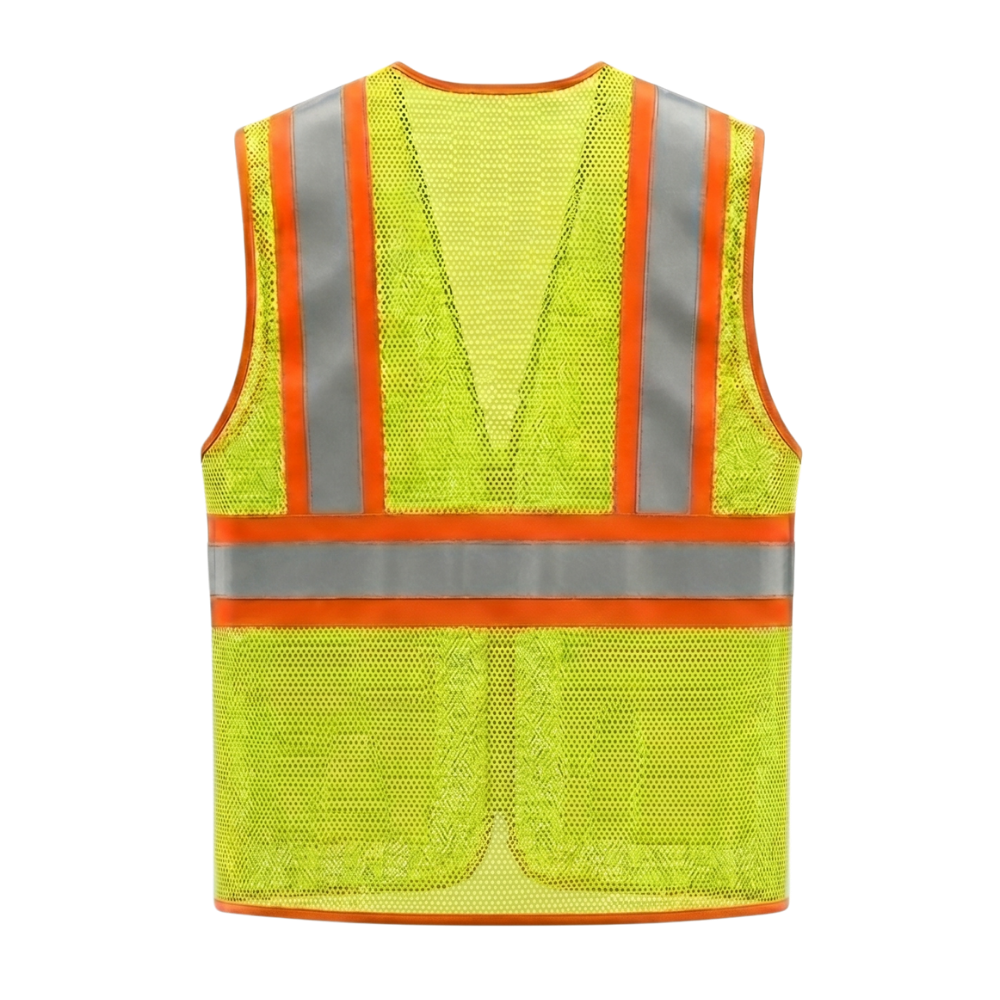
Orange Hi-Vis Executive Safety Vest
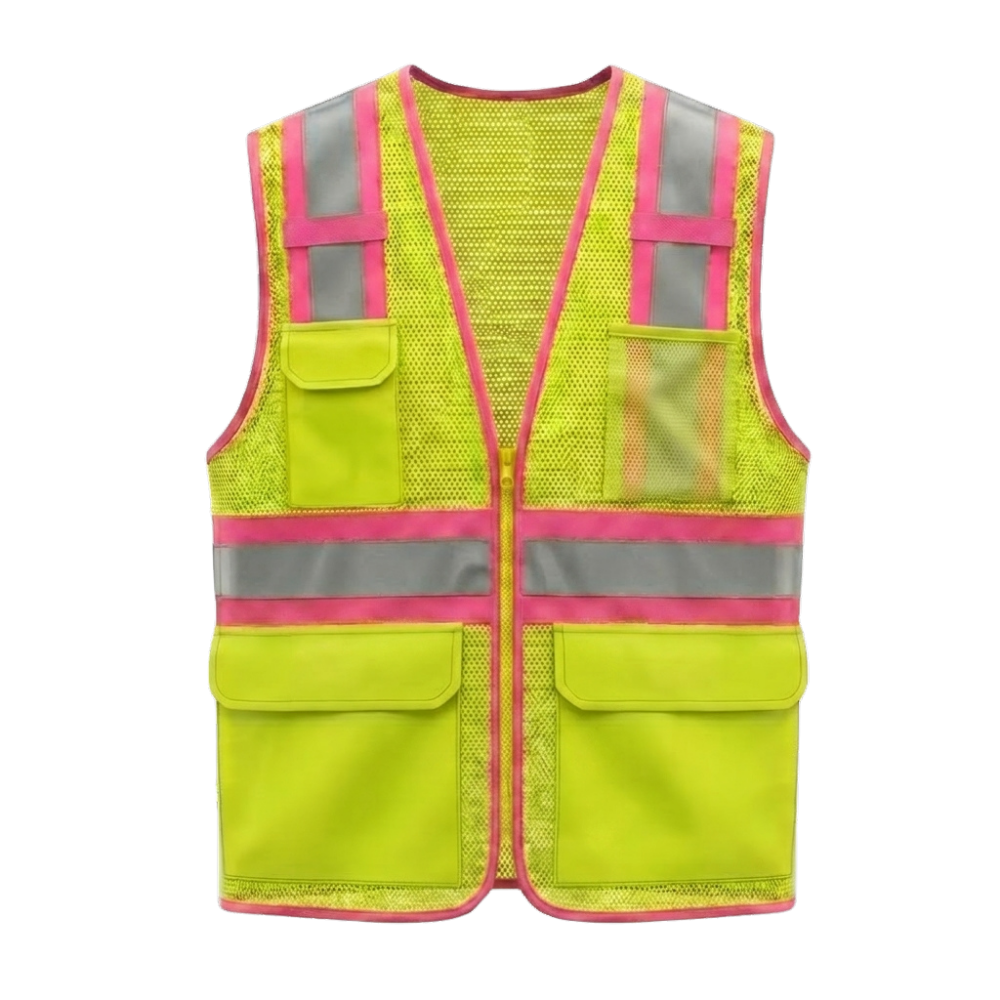
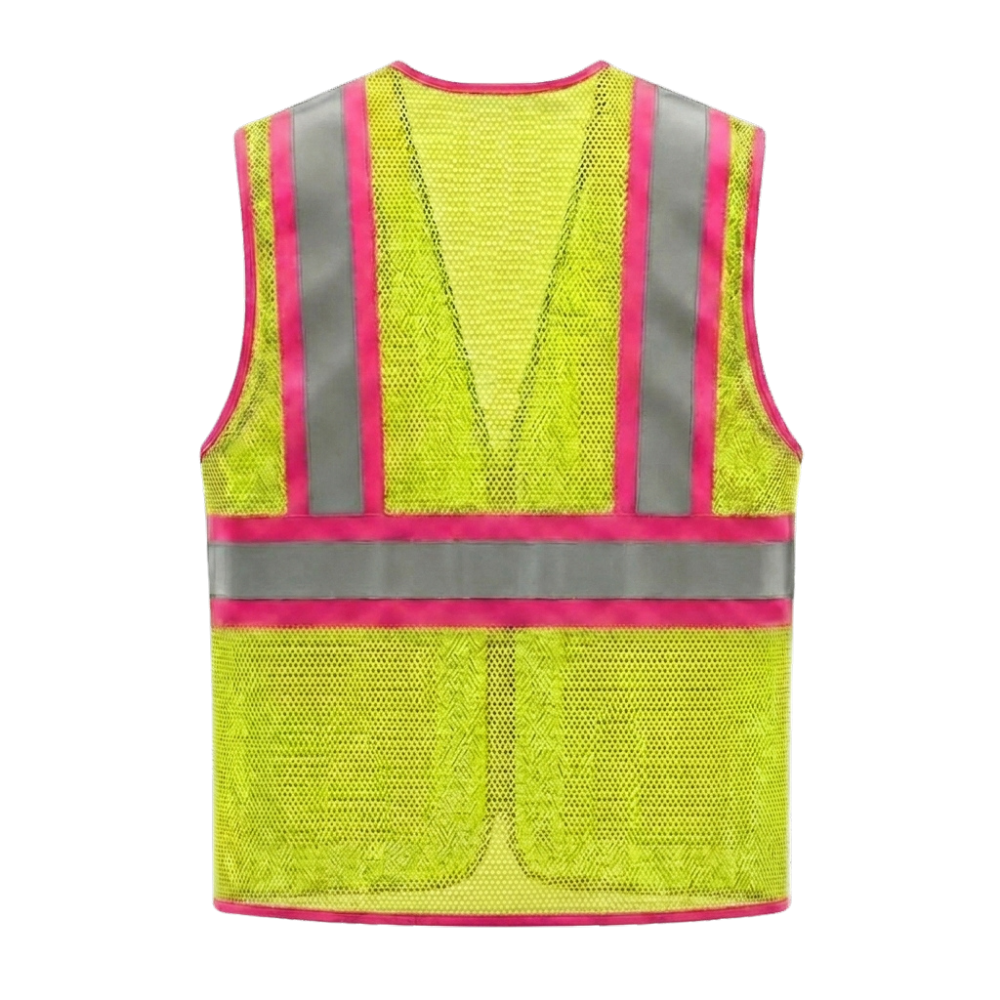
Pink Hi-Vis Executive Safety Vest
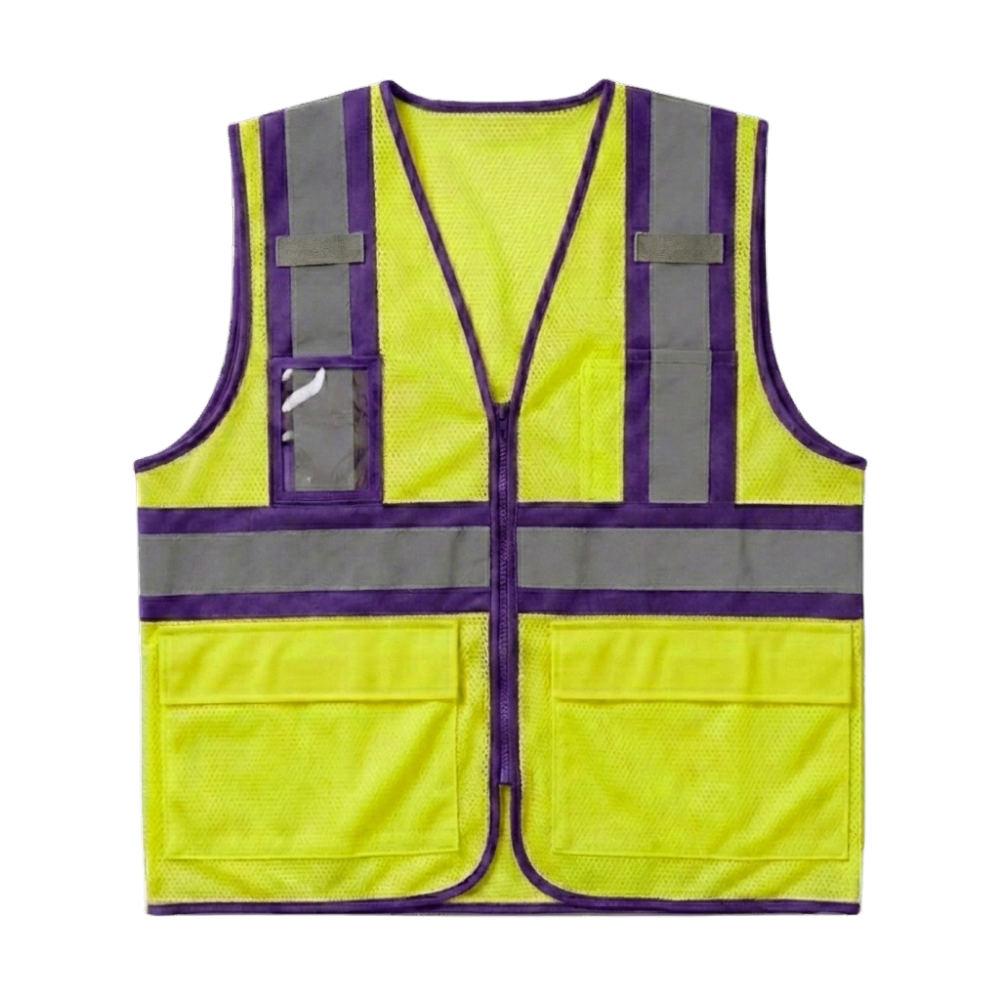
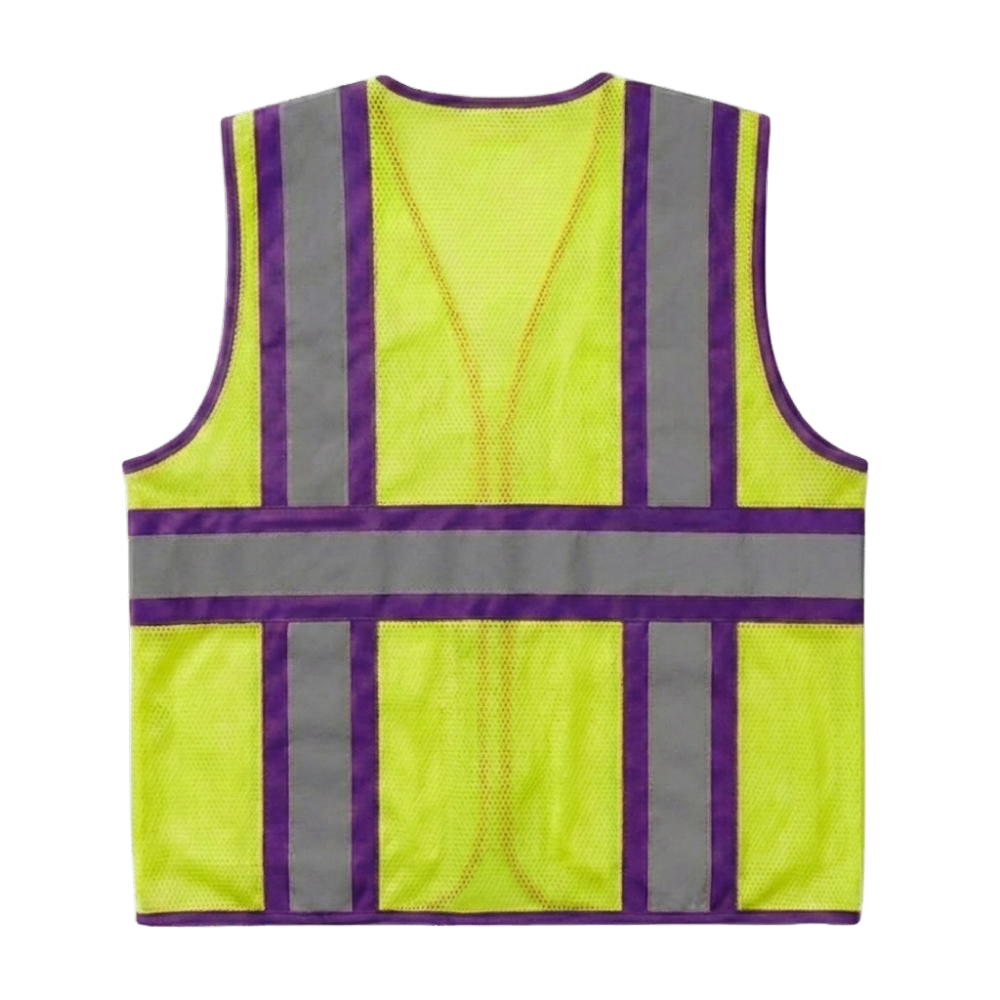
Purple Hi-Vis Executive Safety Vest
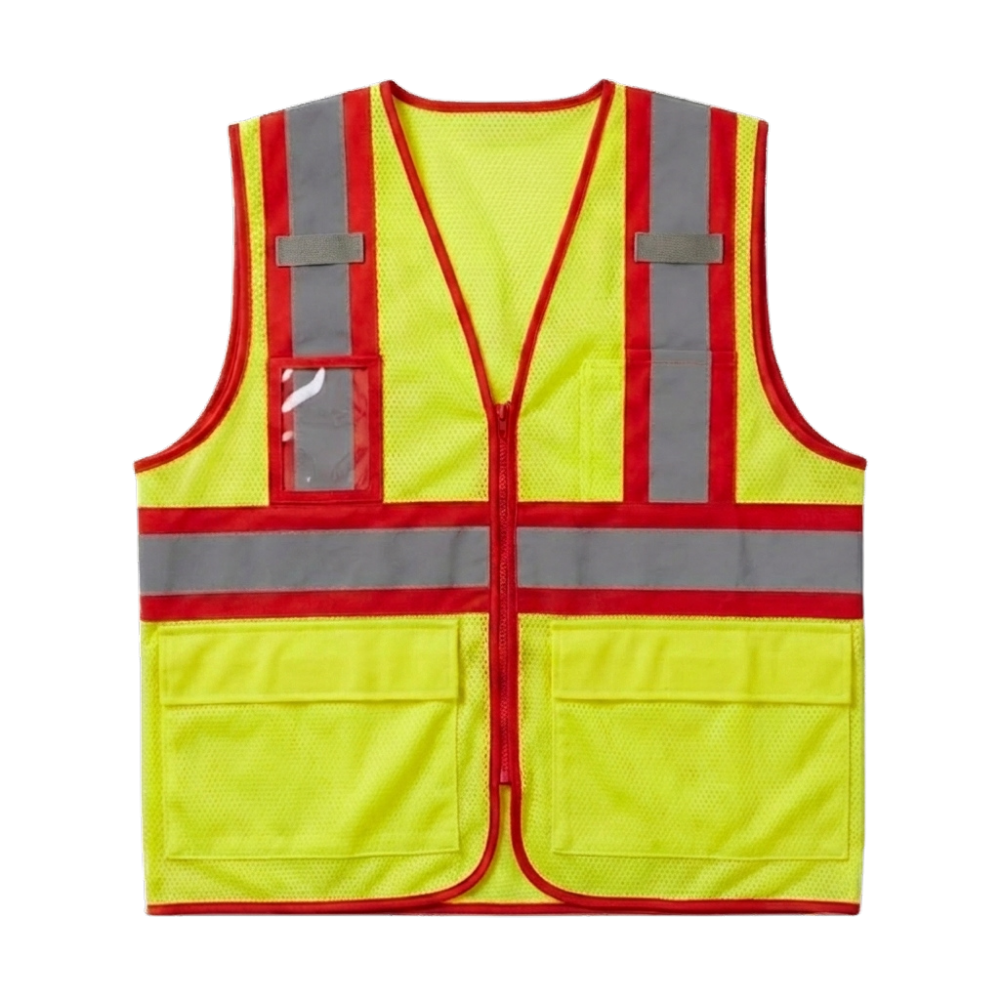
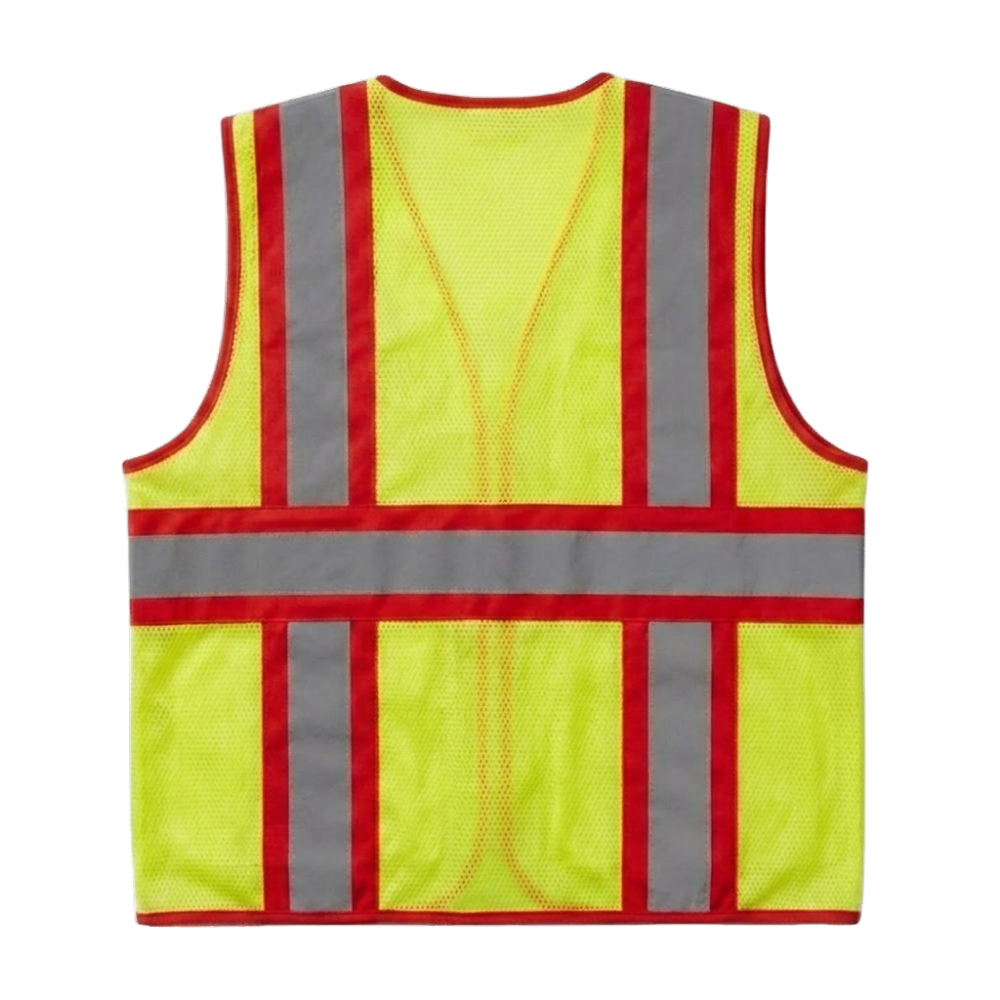
Red Hi-Vis Executive Safety Vest
Test Product
page on safetyvest.com.au or reach out via [contact us] to ensure you’re getting a vest that truly works when the lights go down.