






Bright, Safe & Durable: The Ultimate Guide to Choosing the Perfect hi vis jacket for 2 year old
When a toddler wanders onto a construction site for a family open‑day, the last thing a site‑manager wants is a bright‑coloured play‑toy that looks the same as the crew’s safety gear. Last summer, a two‑year‑old on a school excursion slipped between two plant trucks because his jacket had faded to a dull yellow and the reflective tape was peeling. The result? A near‑miss that could have ended in a costly fine from SafeWork NSW and, more importantly, a serious injury. Choosing the right hi vis jacket for 2 year old isn’t just about a cute colour – it’s about meeting Australian standards, keeping the little one visible, and protecting the whole site from shutdowns.
What the Australian Standards Say About Kid‑Sized Hi‑Vis
Australian law doesn’t make a special class for toddlers, so you still rely on the same standards that apply to adult workwear. The key points are:
| Requirement | Standard | What it means on a real worksite |
|---|---|---|
| Class | AS/NZS 4602.1 – Class D (day), Class N (night) or Class D/N (day/night) | For a playground or site‑tour in daylight, pick Class D. If the event runs into dusk, a Class D/N jacket keeps the child visible. |
| Colour | AS 1742.3 – Fluorescent yellow‑green or orange‑red | Bright orange‑red is most recognisable for kids; it also stands out against construction backdrops. |
| Reflective tape | AS/NZS 1906.4 – Minimum 50 mm width, must encircle the torso | Tape that runs around the whole jacket means a car’s headlights can spot the child from any angle. |
| Durability | AS/NZS 2980 – Seam strength and colourfastness | Kids are messy – the jacket should survive mud, water and a tumble without losing its brilliance. |
Remember, the jacket still needs to be AS/NZS 4602.1‑compliant, even if it’s a size‑2‑year‑old’s. Non‑compliant imports often cut corners on tape width or use the wrong fluorescent shade, putting both the child and the site at risk.
Practical Checklist – Buying the Right hi vis jacket for 2 year old
| ✅ Item | Why it matters |
|---|---|
| Class D or D/N | Matches daylight worksite conditions; D/N covers early evenings. |
| Fluorescent orange‑red colour | Most visible against earth tones and machinery. |
| Reflective tape ≥ 50 mm that wraps the torso | Guarantees 360° visibility for drivers and plant operators. |
| Seam‑taped, wash‑able fabric | Stands up to playground mud and site rain. |
| Adjustable snap‑fastening (no small buttons) | Keeps the jacket secure on a squirming toddler. |
| Tag‑free label inside | Prevents irritation on sensitive skin. |
| Made in Australia or from a reputable supplier | Ensures compliance with AS/NZS 1906.4 and AS 1742.3. |
| Optional custom print (logo, name) – place on back only, not over reflective tape | Personalises without compromising visibility. |
Use this checklist on the day you shop, whether you’re browsing the That’s where most sites get it wrong:
Fixing these mistakes isn’t just about avoiding a ticket; it protects the little ones who are increasingly present on worksites for community events and school visits. A Brisbane builder invited a local primary school to tour a near‑finished block. The kids wore bright orange‑red Class D jackets with full‑torso tape. When a crane swung a load, the supervisor could spot the youngest child from 30 m away, stopping the lift before anyone got too close. During a site‑specific road safety lesson, a group of four‑year‑olds (including a two‑year‑old sibling) wore Class R jackets. The reflective tape on the front and back let the traffic controller see them through a dusty night, preventing a near‑collision with a passing delivery truck. A logistics hub hosted a community picnic beside the loading dock. Kids in durable Class D/N jackets stayed clearly visible when a forklift operator turned on the headlights for a night‑time tour. A mining operation in Western Australia organised a “mining for kids” day. The small‑size hi‑vis jackets complied with AS 1742.3, making the children stand out against the grey backdrop of machinery, allowing the site‑safety officer to maintain a safe perimeter. During a regional music festival, toddlers wore custom‑printed orange‑red jackets. Because the branding was limited to the back pocket, the reflective tape was uninterrupted, and security could spot the little wanderers even in the low‑light crowd. These stories show that a compliant hi vis jacket for 2 year old isn’t a nice‑to‑have accessory – it’s a core part of site‑wide safety planning. When you order a jacket for a toddler, ask the supplier to authorise the fabric’s colourfastness and seam strength. At Safety Vest, the manufacturing is handled by [Sands Industries](https://sandsindustries.com.au/), a partner that adheres to AS/NZS 1906.4 and conducts batch testing for reflective performance. If you need a name or school logo, request placement solely on the back and keep the front free for uninterrupted tape. This small tweak maintains visibility while giving the child a sense of pride.
Ready to protect the youngest members of your crew or community? Get in touch via the [contact page](https://safetyvest.com.au/contact-us) or explore bespoke options on [custom safety vests](https://safetyvest.com.au/custom-safety-vests). Keeping kids visible keeps everyone safe – and that’s the bottom line on any worksite.
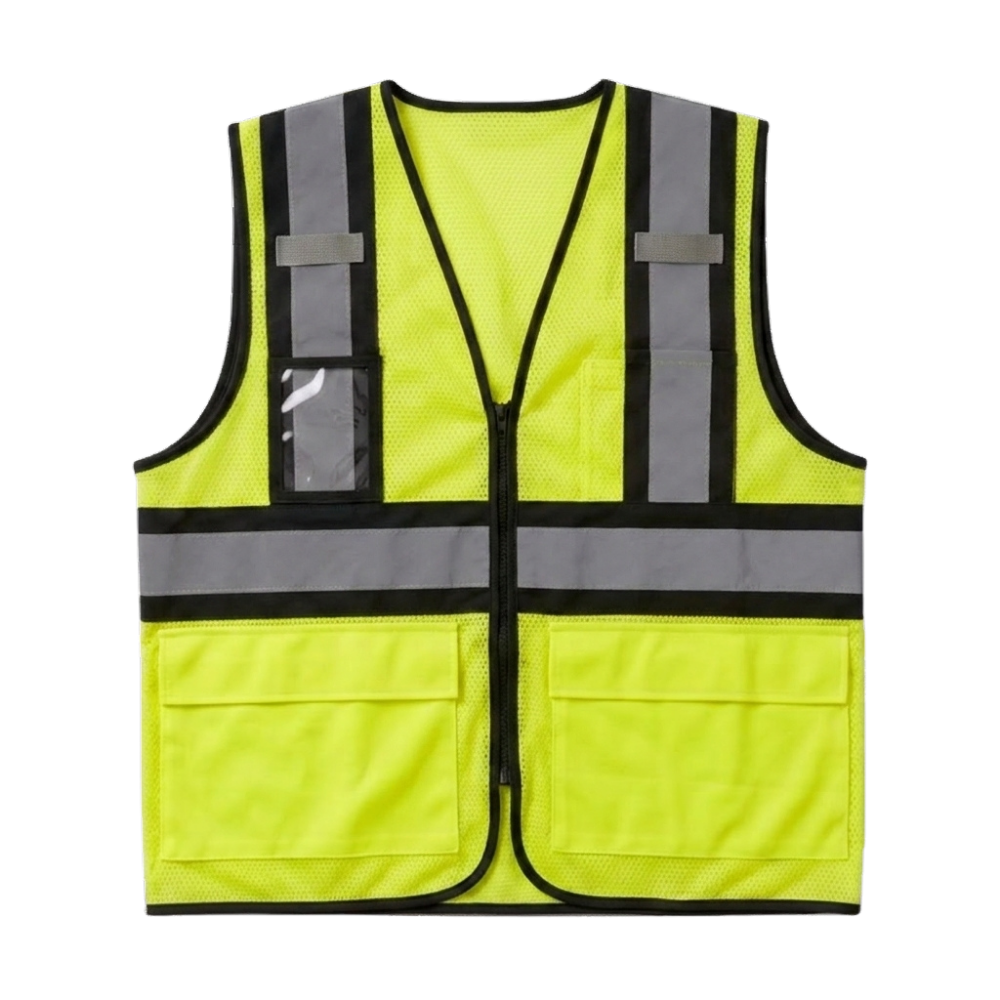
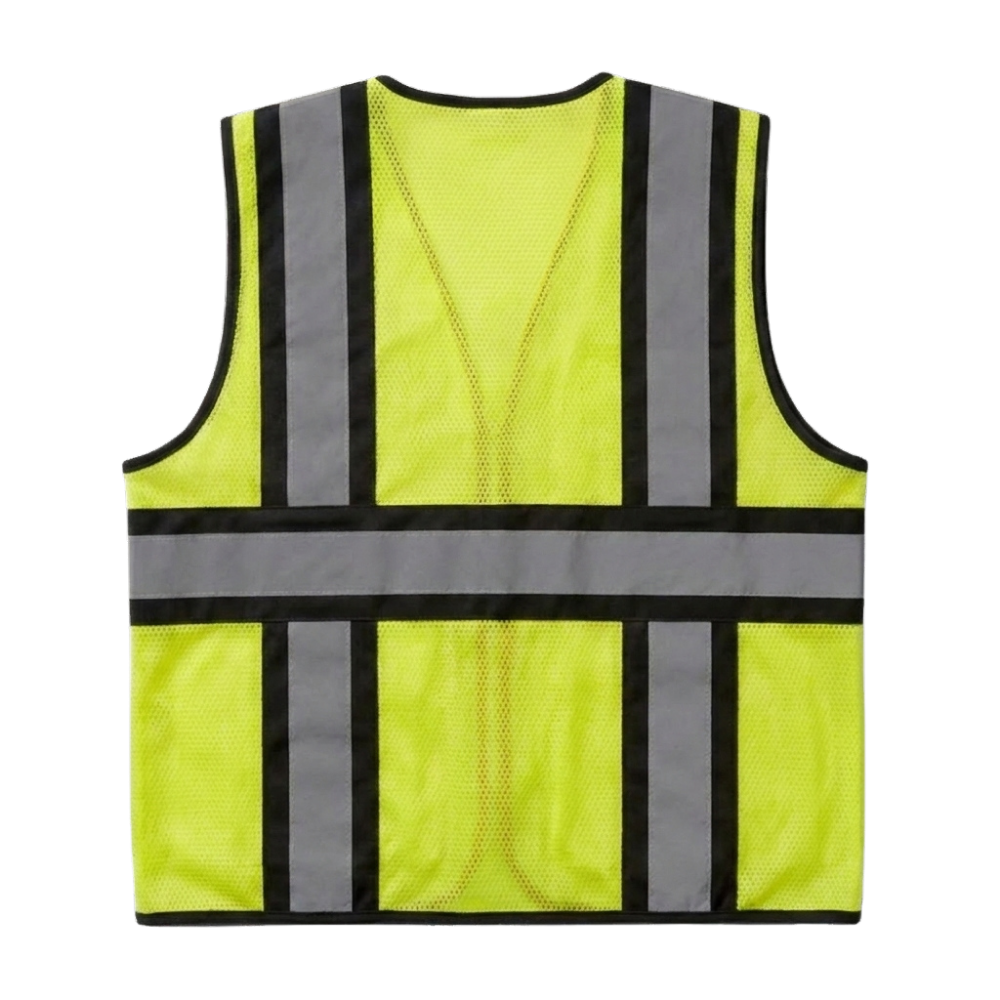
Black Hi-Vis Executive Safety Vest
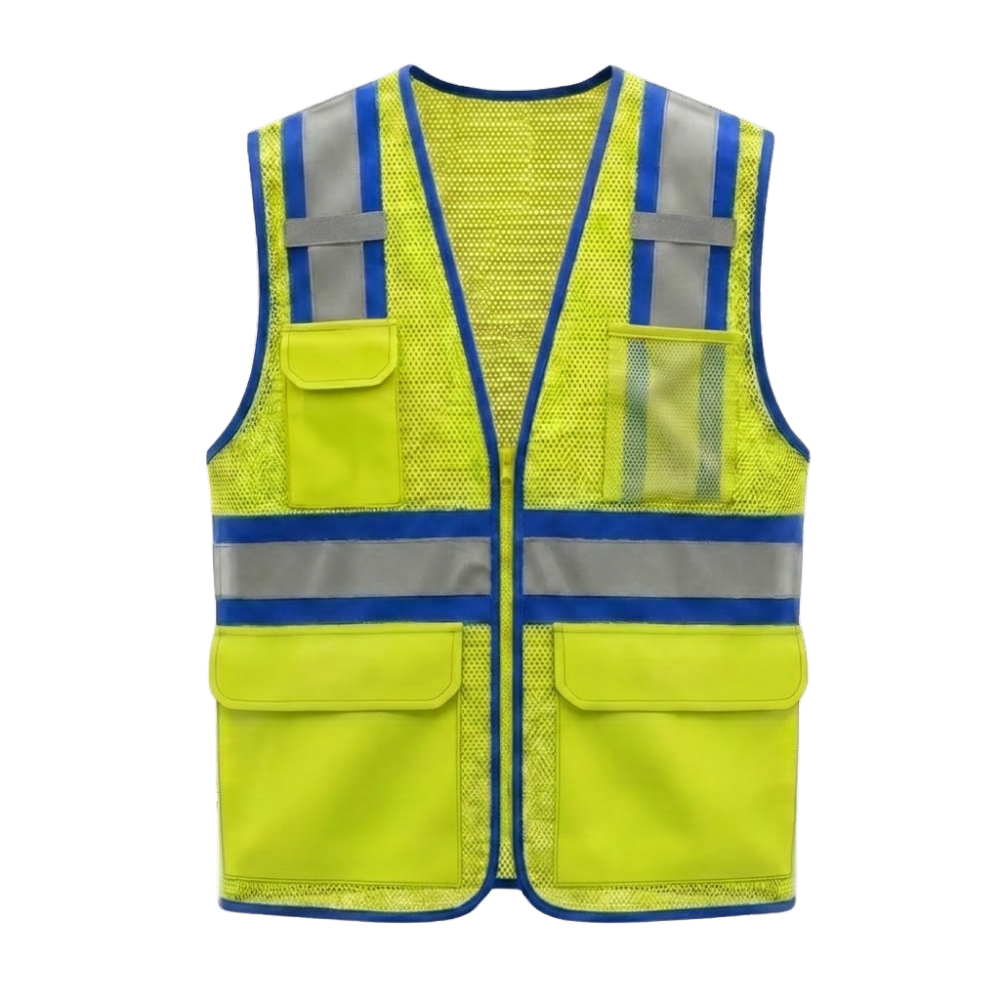
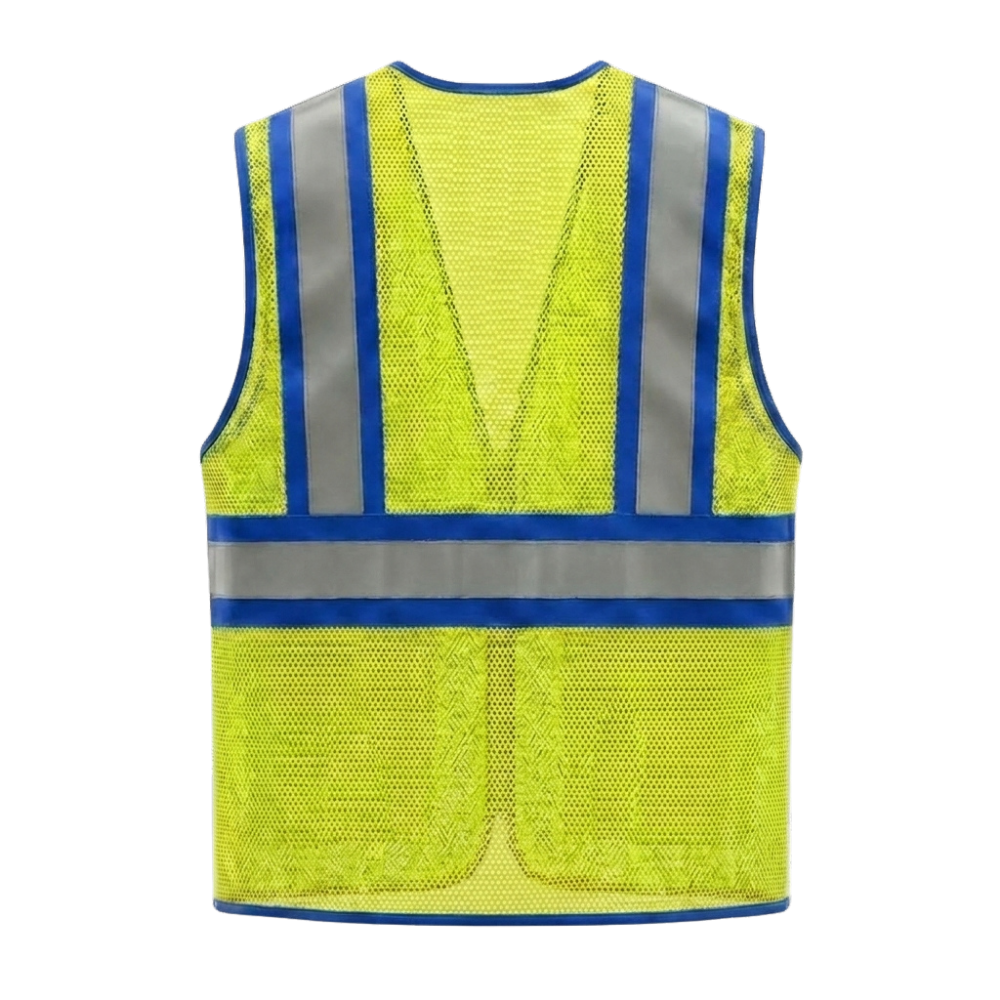
Blue Hi-Vis Executive Safety Vest
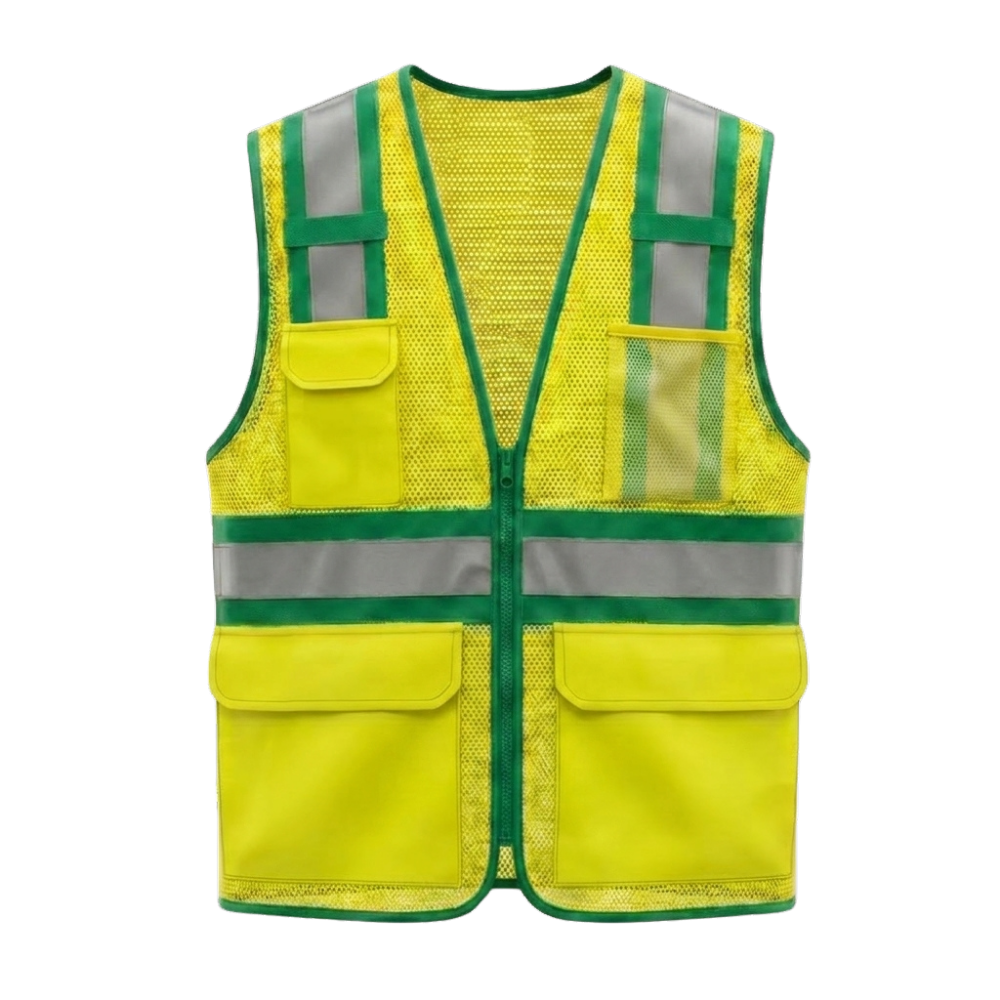
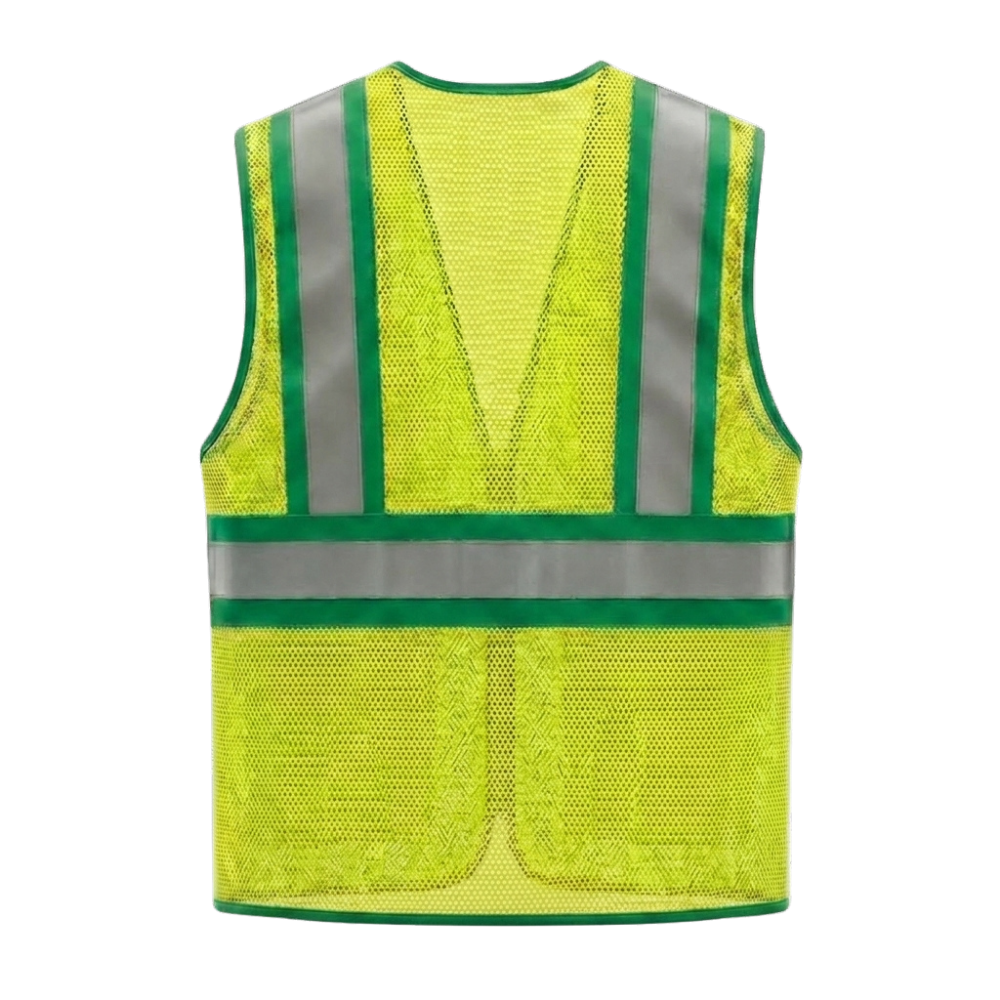
Green Hi-Vis Executive Safety Vest
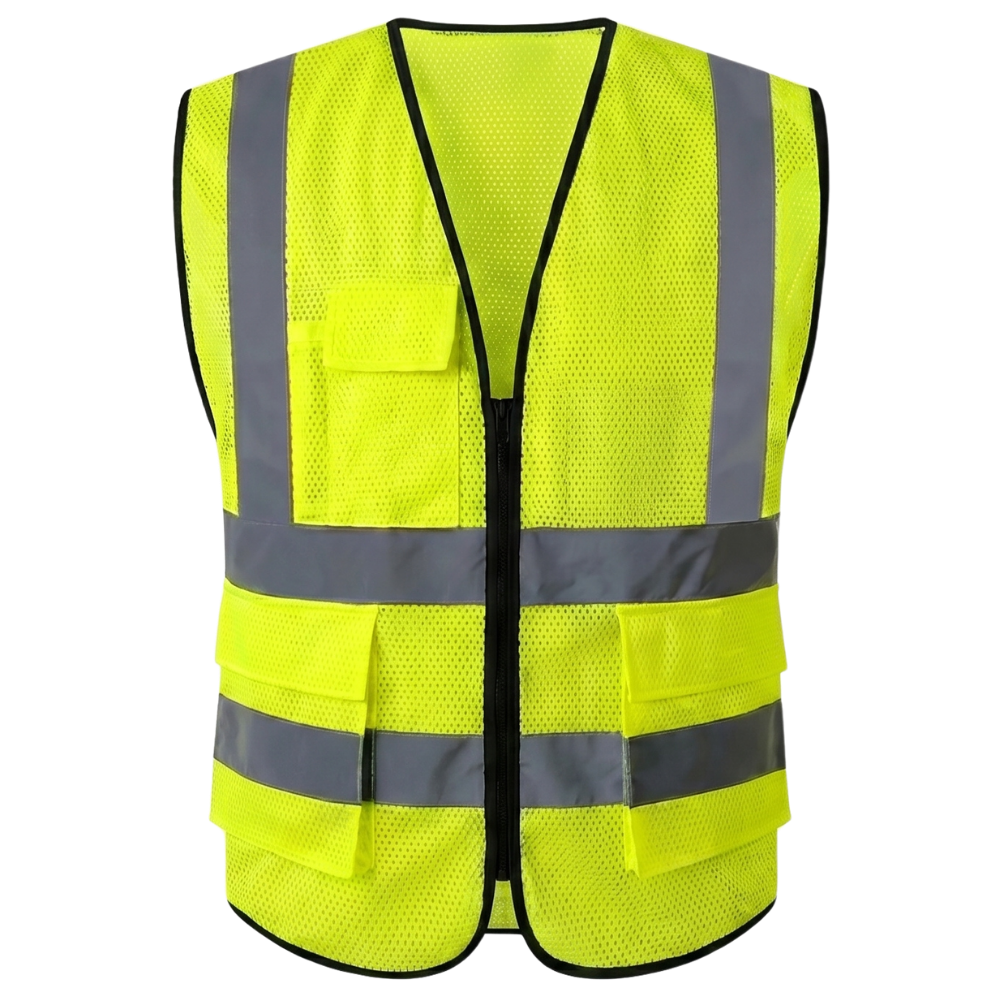
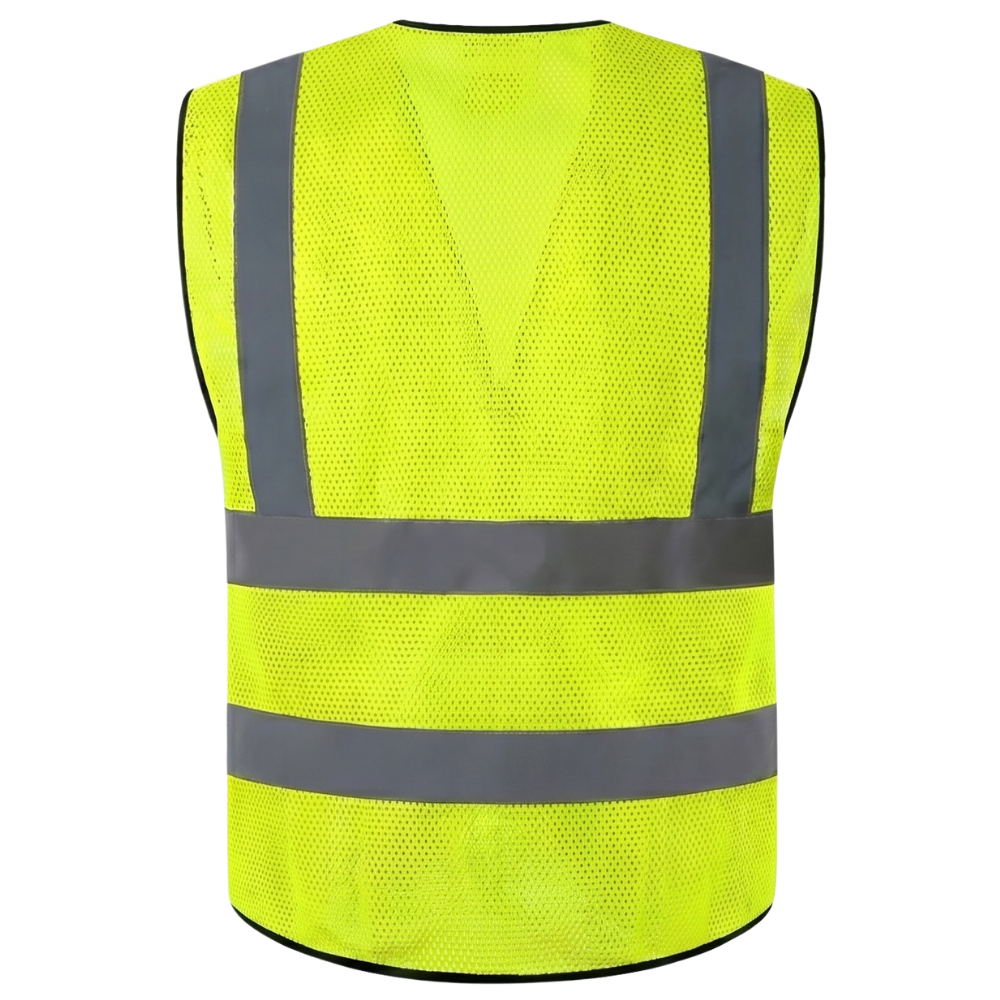
High-Brightness Safety Vest | CE/ANSI Certified | For Delivery Partners/Drivers
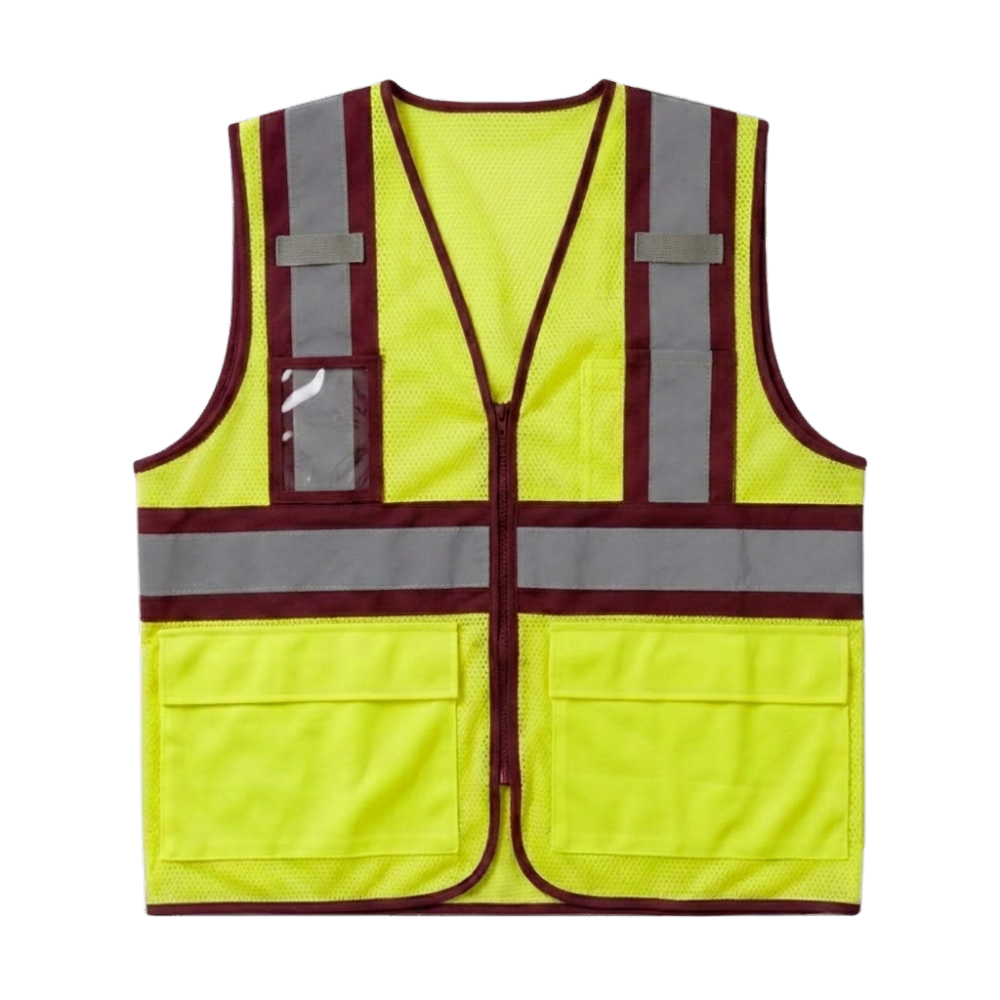
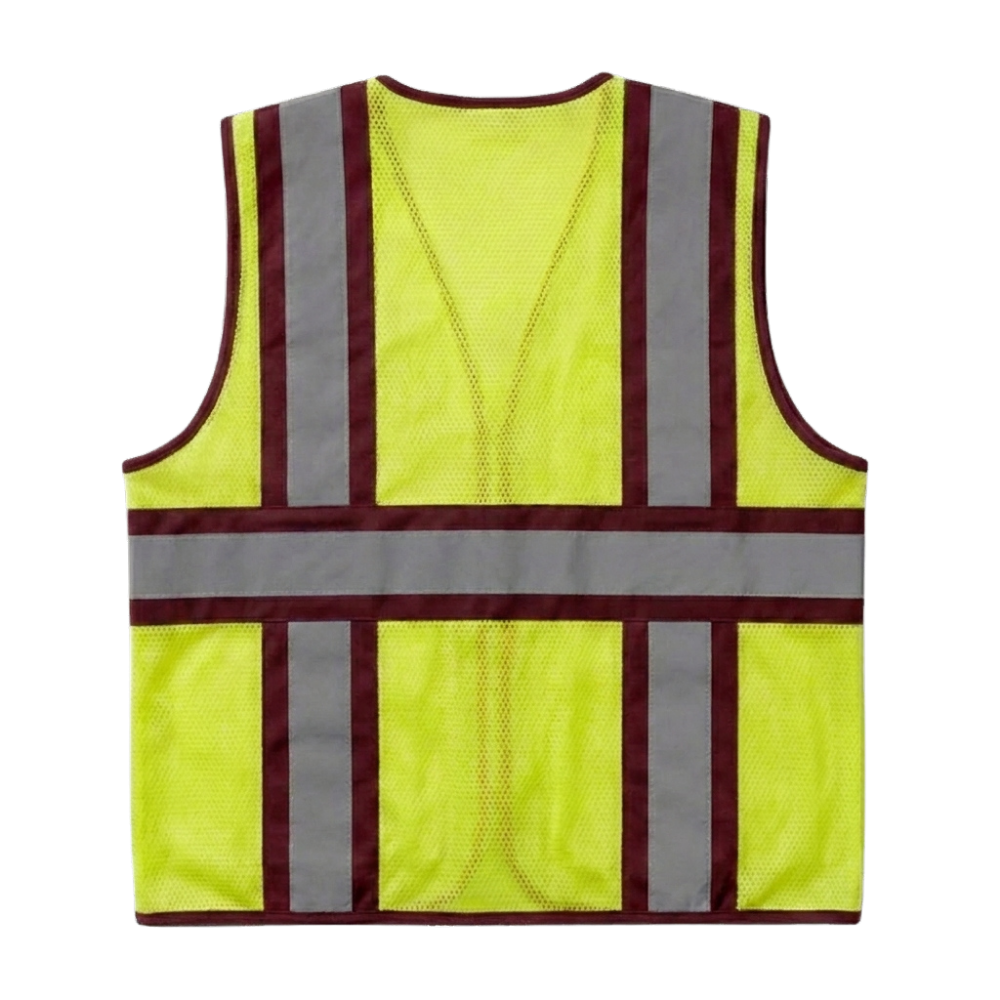
Maroon Hi-Vis Executive Safety Vest
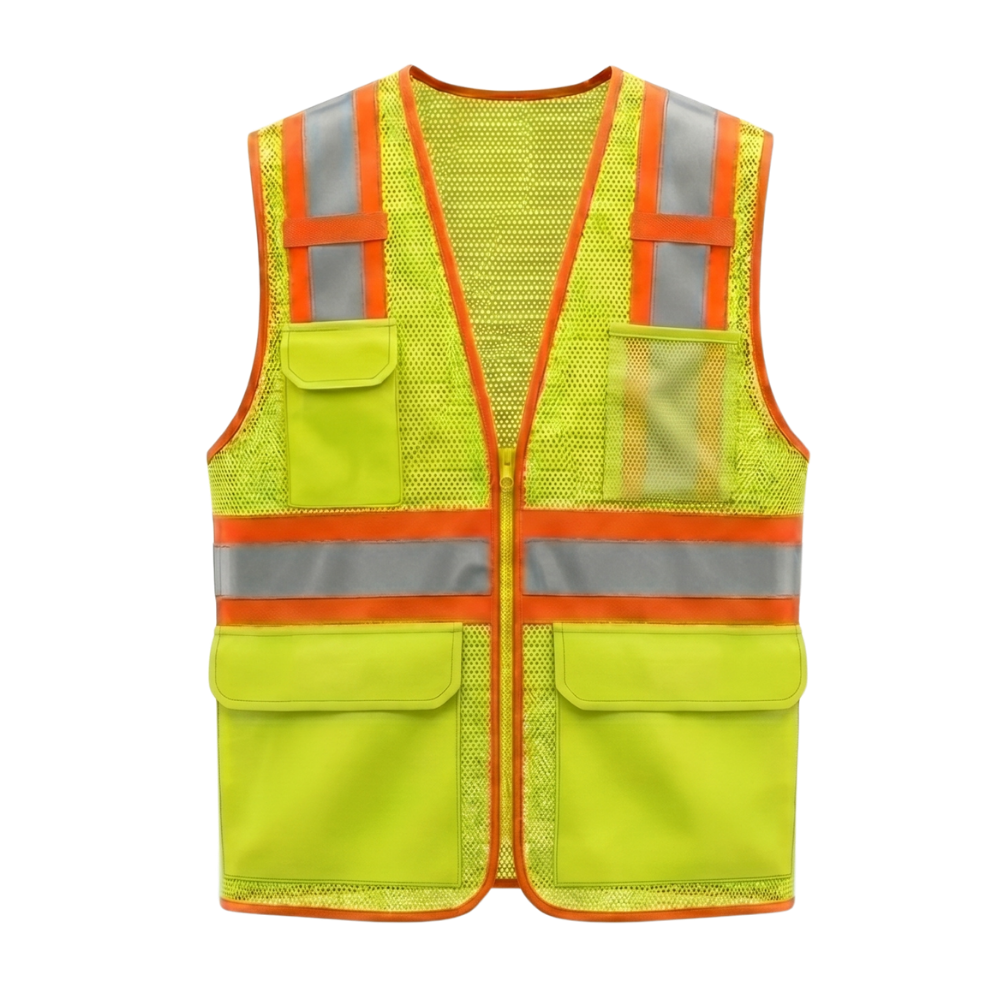
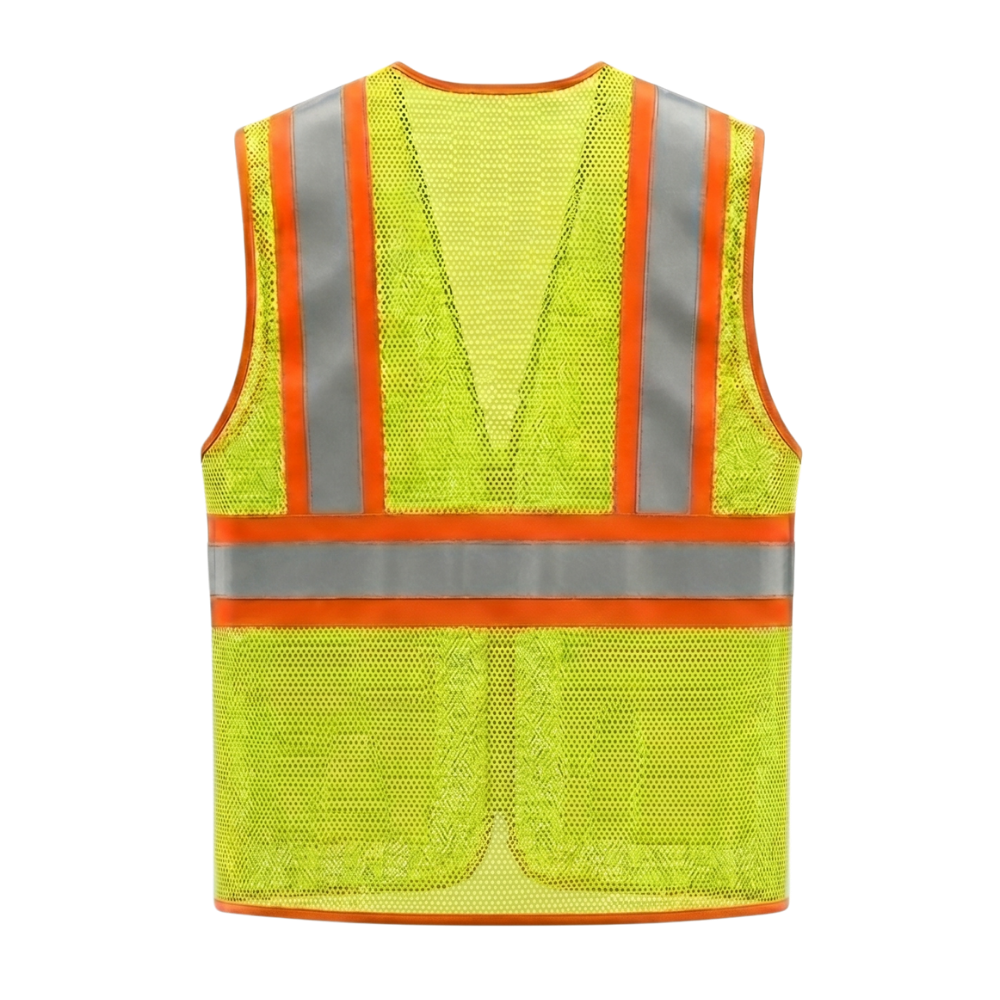
Orange Hi-Vis Executive Safety Vest
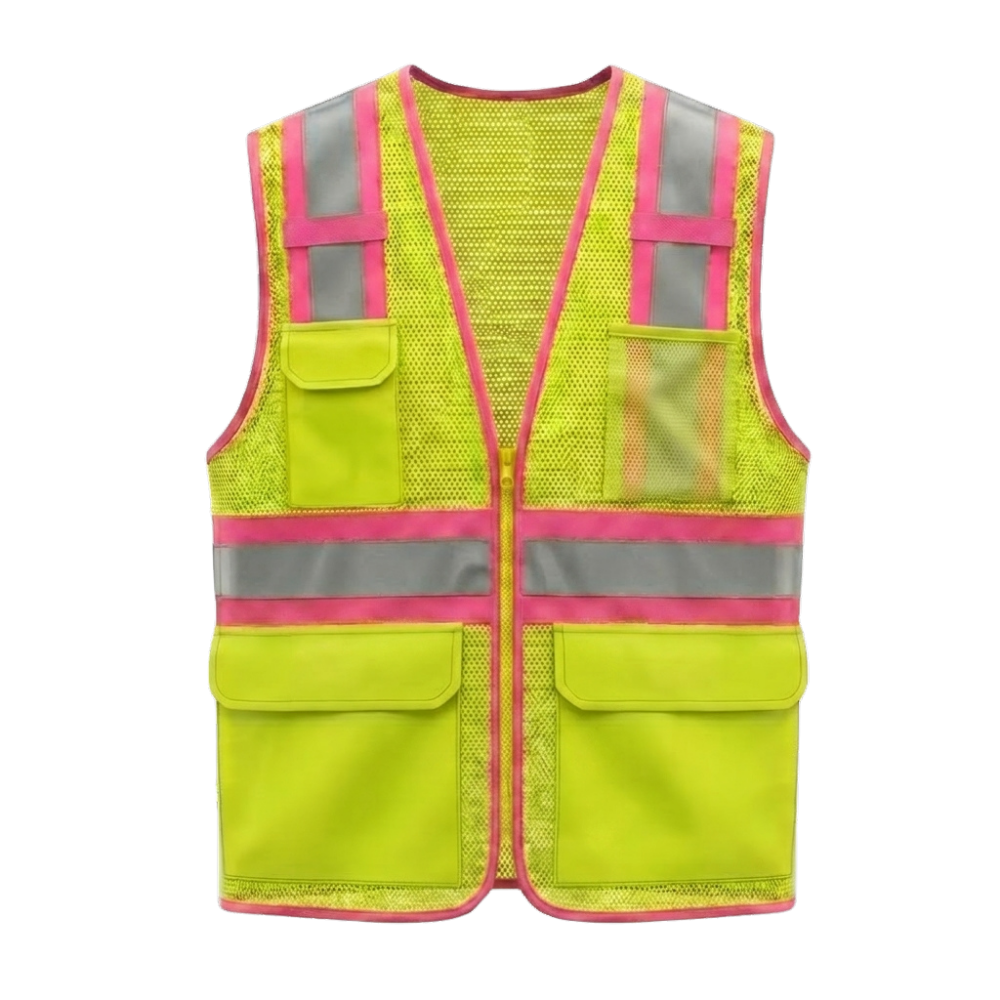
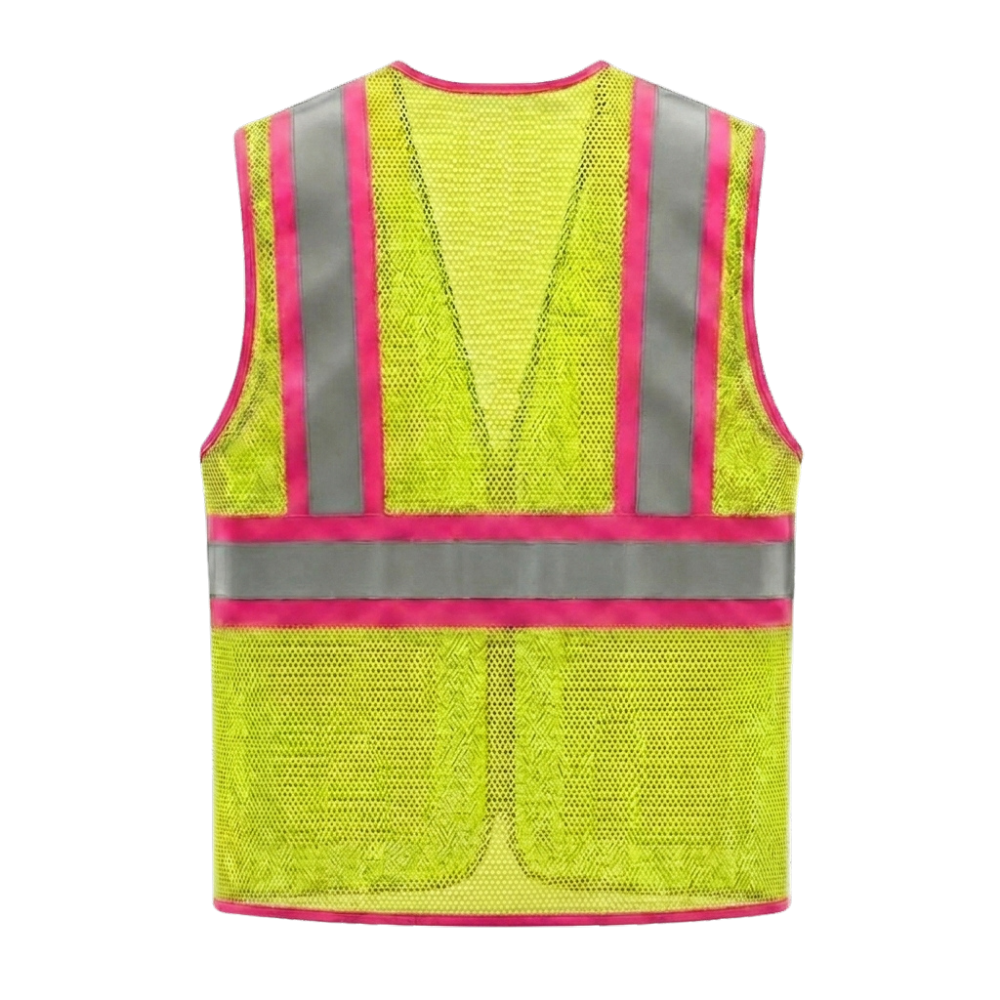
Pink Hi-Vis Executive Safety Vest
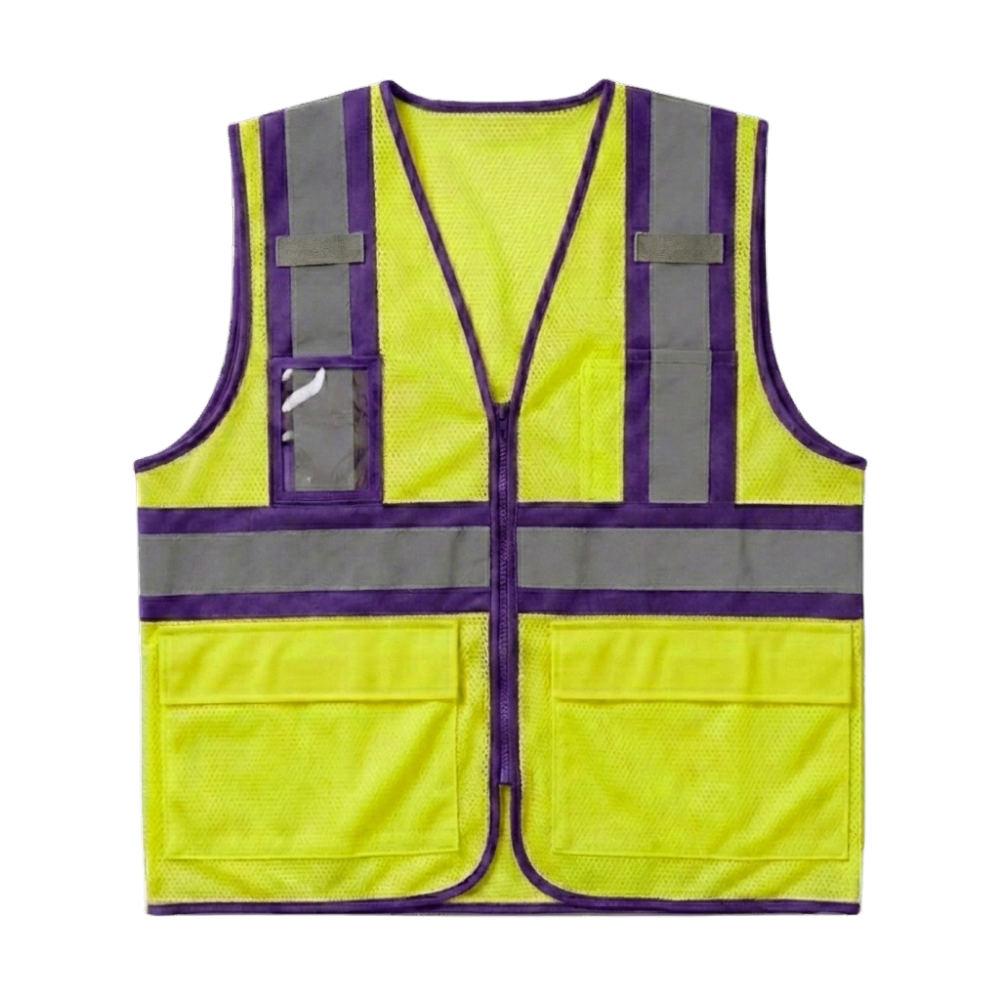
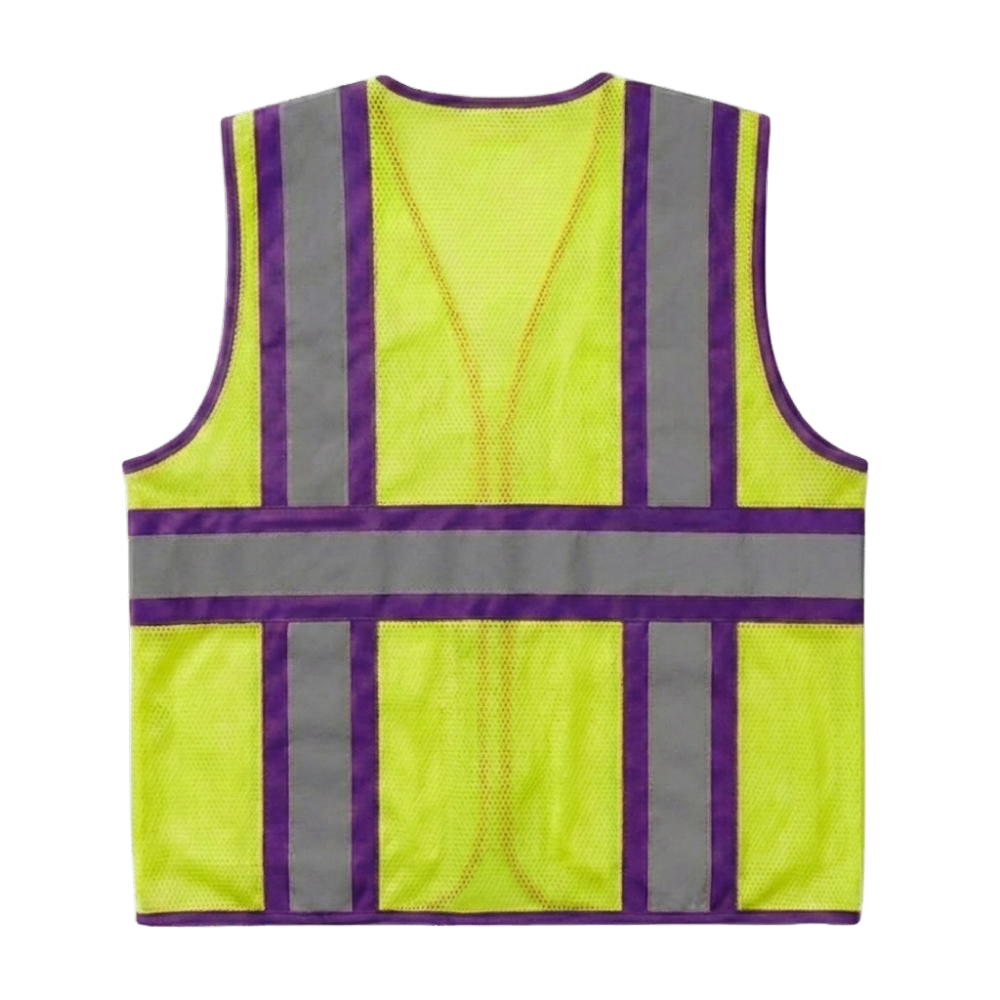
Purple Hi-Vis Executive Safety Vest
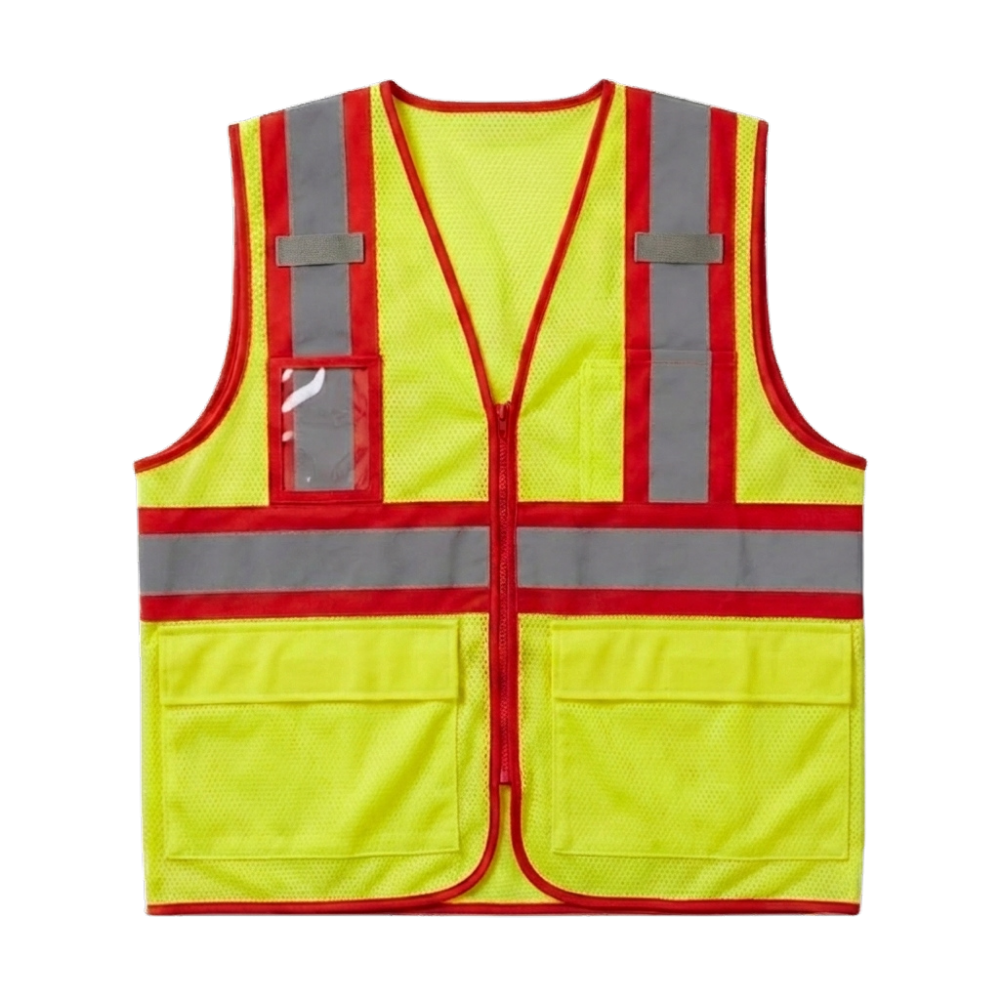
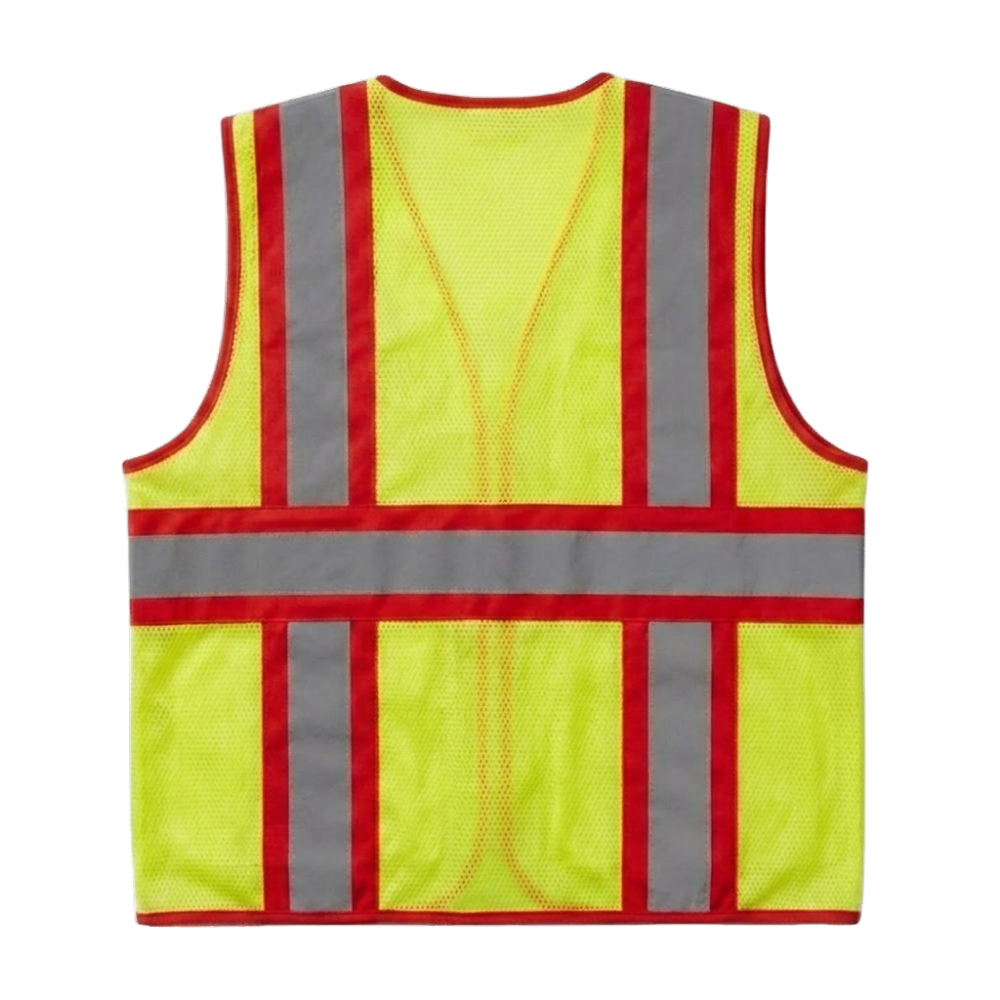
Red Hi-Vis Executive Safety Vest
Test Product
(https://safetyvest.com.au/products) or ordering a bespoke piece via [custom safety vests](https://safetyvest.com.au/custom-safety-vests).
Where Sites Go Wrong with Children’s Hi‑Vis
Real‑World Scenarios That Show Why It Matters
Construction – Family Open‑Day
Traffic Control – Road‑work School Field Trip
Warehousing – Loading‑Dock Picnic
Mining – Community Awareness Day
Events – Outdoor Festival
Keeping It Comfortable and Compliant
Quick recap