


Stay Visible & Dry: The Ultimate Guide to Choosing the Perfect Hi‑Vis Jacket with Hood for Safety and Comfort
A crew on a highway‑work zone stopped for a coffee break. The foreman slipped a cheap, faded jacket over his shirt, the reflective tape barely clinging to the seams. Within minutes a passing truck driver, dazzled by the low‑light, mis‑read the colour and the foreman was knocked flat. Aside from the injury, the site was hit with an immediate shutdown order from SafeWork NSW for breaching AS/NZS 1906.4.
That split‑second decision to cut corners on a hi‑vis jacket with hood could have cost lives, fines and weeks of lost productivity. Picking the right jacket isn’t just about looking the part – it’s about meeting the exact standards that keep you visible, dry and legally compliant on any Australian worksite.
What Makes a Hi‑Vis Jacket with Hood Compliant?
Class and Colour Requirements
- Class D – day‑time work, fluorescent yellow‑green or orange‑red.
- Class N – night‑time work, retro‑reflective only.
- Class D/N – day and night use, combines both.
- Class R – road‑work, must be the same as Class D but with added reflective tape around the sleeves.
Only the approved fluorescent shades are allowed; any “neon” or “bright orange” not matching the standard fails compliance.
Reflective Tape Standards
- Must meet AS/NZS 1906.4.
- Minimum tape width: 50 mm.
- Tape must encircle the torso and run continuously down the sleeves.
Fabric and Weather Protection
- Base material must be water‑repellent and breathable, meeting AS/NZS 2980 for protective clothing.
- Hood must be attached with a sealed seam to stop water ingress while still allowing full head movement.
Regulatory Oversight
- SafeWork NSW, WorkSafe Victoria, WHS Queensland all inspect for the above standards during site audits. Failure can lead to on‑the‑spot fines or a site‑stop order.
Where Sites Go Wrong
| Common Mistake | Real‑World Impact |
|---|---|
| Wrong class selection – using a Class D jacket on a night‑only site | Workers become invisible after dark, increasing collision risk. |
| Faded hi‑vis – jackets past their service life | Reflectivity drops below 50 % of original, breaching AS/NZS 1906.4. |
| Cheap imports – non‑Australian‑certified tape | Tape may not meet 50 mm width or durability, leading to compliance notices. |
| Incorrect branding – logos covering reflective strips | Reduces visibility, can be flagged as non‑compliant during audits. |
| Improper hood fit – loose or non‑sealed hoods | Water seeps in, workers get cold, and the reflective surface on the hood can billow, distorting visibility. |
Industry‑Specific Scenarios
Construction
A high‑rise crew works early mornings and late evenings. A Class D/N jacket with hood offers day‑time fluorescence and night‑time retro‑reflection, while the water‑repellent fabric keeps workers dry during unexpected rainstorms.
Traffic Control
Road crews need a Class R jacket. The extra 50 mm tape around the sleeves and torso, plus a high‑visibility hood, ensures drivers see the crew from every angle, even when the sun is low.
Warehousing
Inside large distribution centres, lighting can vary. Class N jackets with a bright reflective hood protect night‑shift pickers from forklift strikes while the hood shields against condensation from refrigerated zones.
Mining
Underground pits are damp and dark. A Class D/N jacket with a sealed hood made from heavy‑duty, flame‑resistant fabric meets AS 1742.3 for high‑visibility and AS 4602.1 for protective clothing, keeping miners both seen and safe from splashes.
Events
Concert crews often work late into the night. A Class N jacket with a soft‑lined hood provides comfort, easy movement and the necessary retro‑reflective visibility for crowd‑control officers.
Practical Tool: Choosing the Right Jacket – A Quick Checklist
- ☐ Identify the work shift (day, night, or both).
- ☐ Select the correct class (D, N, D/N, R).
- ☐ Verify colour matches the approved fluorescent palette.
- ☐ Confirm reflective tape meets AS/NZS 1906.4, 50 mm width, continuous around torso.
- ☐ Check fabric rating – water‑repellent, breathable, and compliant with AS/NZS 2980.
- ☐ Inspect the hood – sealed seam, reflective strip on the front, no logos covering tape.
- ☐ Review the manufacturer’s certification and keep a copy of the compliance documentation on‑site.
Use this list before each bulk purchase or when re‑stocking the site’s safety wardrobe.
Customising for Your Site
Many Australian businesses need branding that doesn’t compromise safety. Safety Vest can apply high‑visibility logos outside the reflective zones, keeping the tape intact while still promoting your company’s colours. Learn more about the process in the [custom safety vests] section.
Compliance Resources
For a deeper dive into the standards that govern hi‑vis apparel, visit our [Compliance Guide]. It walks you through the legislation, testing requirements and record‑keeping you’ll need to stay audit‑ready.
Bottom Line
Choosing a hi‑vis jacket with hood isn’t a fashion decision; it’s a safety imperative. Match the class to the work shift, stick to the approved colours, and never sacrifice reflective integrity for a cheaper price tag. When you get it right, the jacket does the heavy lifting – keeping your crew visible, dry and compliant, no matter the conditions.
If you’re ready to upgrade your site’s visibility gear, get in touch with our experts. We’ll help you pick the right jacket, stamp it with a compliant logo and keep your paperwork in order.
[Contact us] today or explore our range of
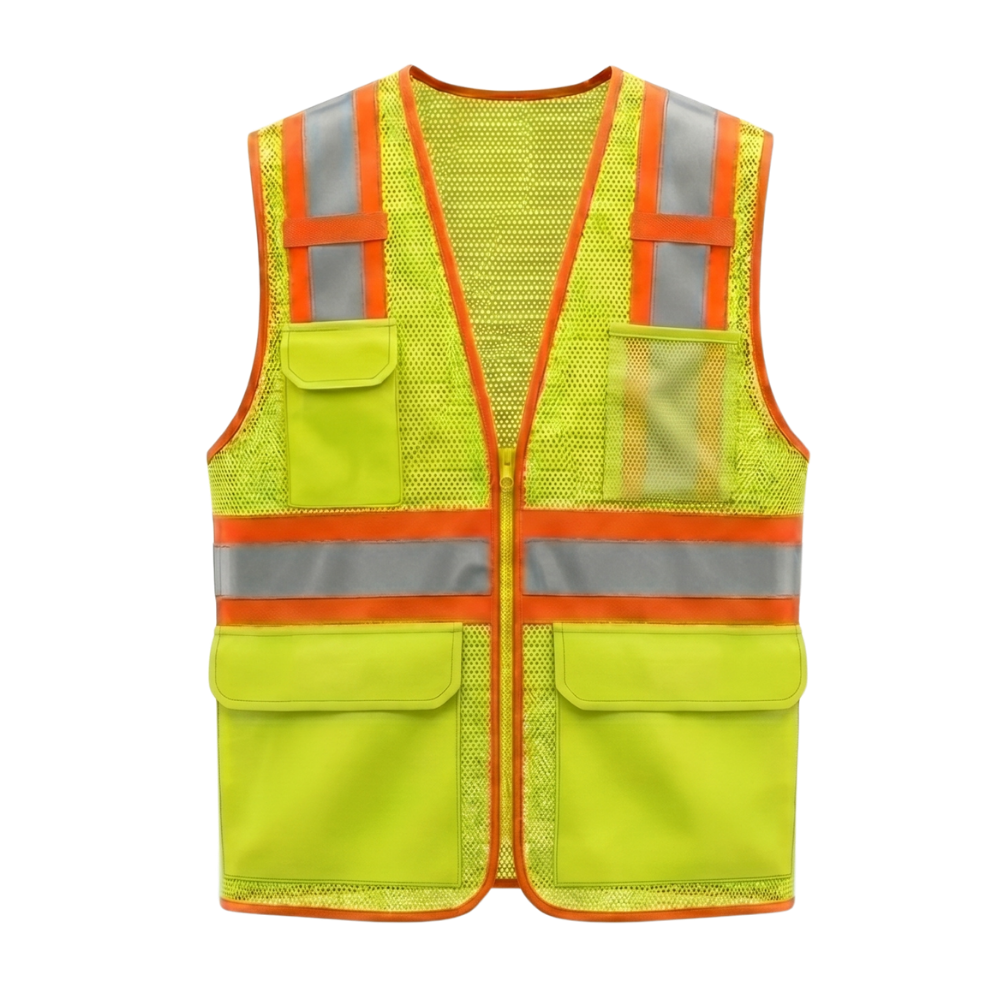
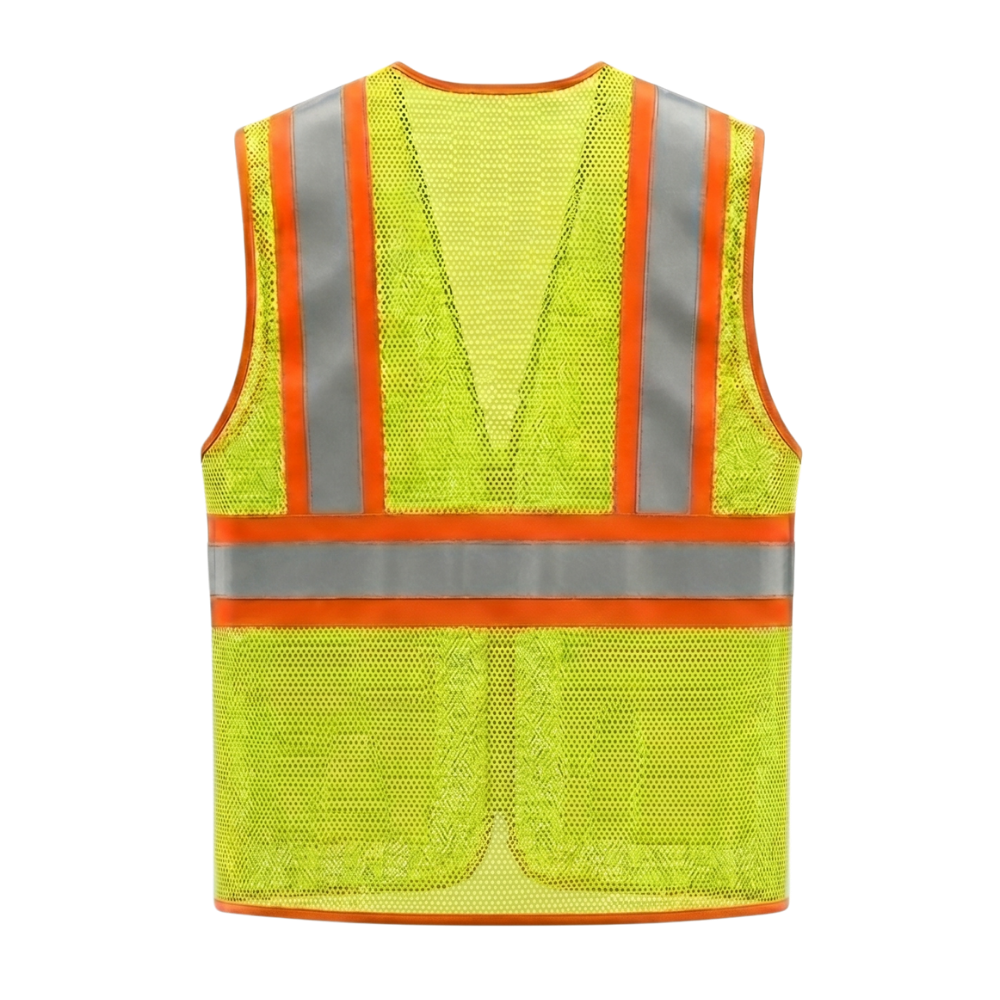
Orange Hi-Vis Executive Safety Vest
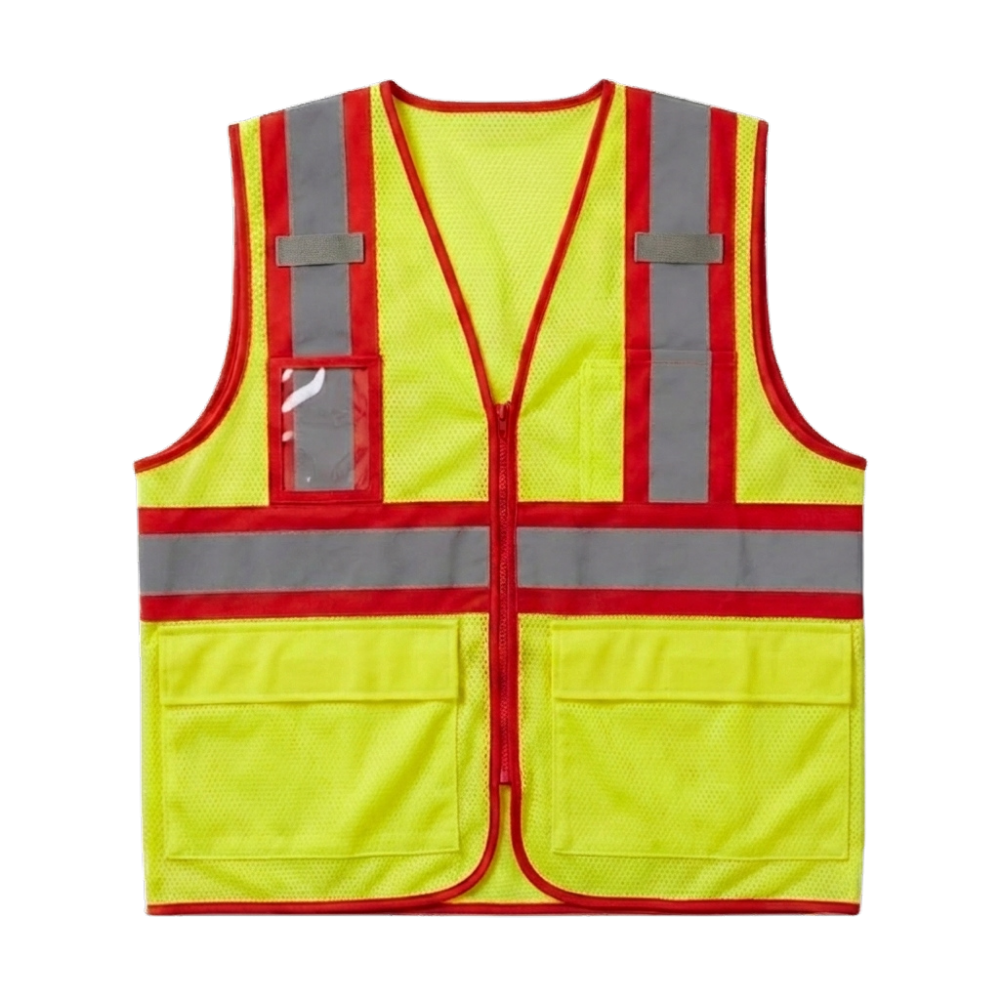
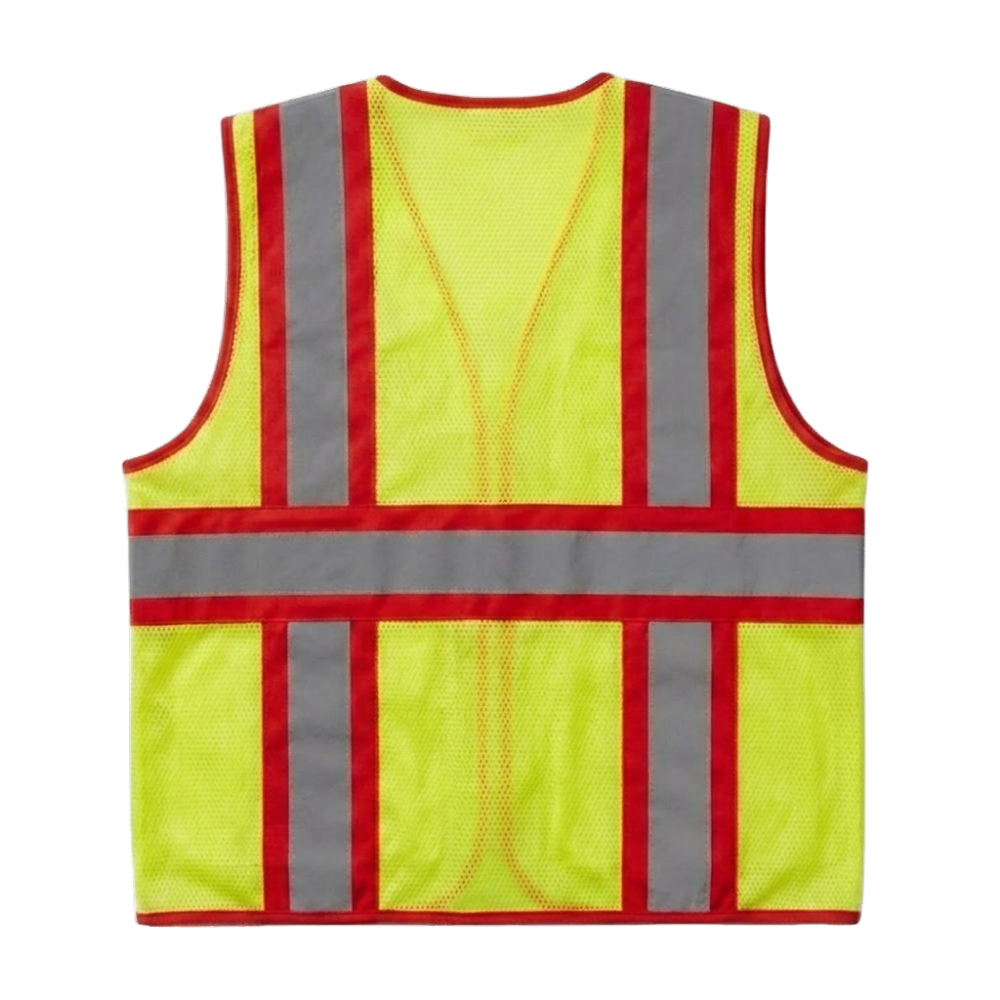
Red Hi-Vis Executive Safety Vest