


The Ultimate Guide to Finding the Perfect 12XL Hi Vis Vest: Maximise Safety, Comfort, and Visibility for Large‑Frame Workers
A site manager once let a new crew start a road‑work shift without checking the size of their hi‑vis gear. Within minutes a 12XL‑size worker was forced to wrestle a too‑tight Class R vest, the reflective tape barely covering his chest. He slipped, tripped over a cable, and the whole lane was shut for an hour while first‑aid was called in. The fine? A $4 500 breach from WorkSafe Victoria for not providing appropriate personal protective equipment. The lesson is stark: a properly fitting 12XL hi vis vest isn’t a luxury – it’s a legal and safety essential for any large‑frame worker.
What Makes a 12XL Hi Vis Vest Work on the Ground?
Put simply, size, class and colour dictate whether a vest protects. A 12XL vest must encircle the torso without binding, keeping the reflective tape – at least 50 mm wide – fully visible from all angles. The tape must meet AS/NZS 1906.4 and sit on a background that complies with AS/NZS 4602.1 (fluorescent yellow‑green or orange‑red).
On a busy construction site, a Class D vest shines in daylight, but as the shift stretches into dusk, a Class N or dual‑class D/N becomes mandatory under AS 1742.3. Road crews, meanwhile, need a Class R garment that meets the same tape standards but with a colour palette specifically approved for traffic‑control work.
Choosing the Right Class, Colour and Fit for 12XL Workers
| Vest Class | When to Use | Minimum Tape Width | Recommended Colour |
|---|---|---|---|
| Class D | Day‑time outdoor work (construction, warehousing) | 50 mm | Fluorescent yellow‑green or orange‑red |
| Class N | Night‑time or low‑light environments (mining, night shift) | 50 mm | Same fluorescent options |
| Class D/N | Shifts that span daylight into night (events, logistics) | 50 mm | Same fluorescent options |
| Class R | Road‑work, traffic control, highway maintenance | 50 mm | Fluorescent orange‑red (high‑visibility for drivers) |
Selecting the right class isn’t just paperwork – it’s the difference between a worker being seen by a passing truck driver or staying hidden in the shadows.
Practical Checklist for Picking a 12XL Hi Vis Vest
- Confirm the required class – D, N, D/N or R based on the work schedule and environment.
- Verify tape compliance – AS/NZS 1906.4, 50 mm minimum, fully encircling the torso.
- Check colour – fluorescent yellow‑green or orange‑red, matching the relevant AS 1742.3 specifications.
- Measure the wearer – chest, waist and hip girths; the vest should allow a full range of motion without sliding.
- Inspect for fade or damage – tape must be crisp, fabric free from tears or thinning.
- Look for correct branding placement – logos must not cover reflective areas; they should sit on a non‑reflective panel.
- Confirm Australian‑made or AS‑certified import – avoid cheap overseas knock‑offs that lack proper testing.
Use this list on every delivery; a quick visual scan can save hours of re‑work later.
Where Sites Go Wrong with Large‑Frame Hi‑Vis
That’s where most sites get it wrong:
- Wrong vest class – a night‑shift miner in a Class D vest is a compliance breach.
- Faded hi‑vis – sun‑bleached tape drops reflectivity below the 50 mm standard, eroding visibility.
- Cheap non‑compliant imports – low‑cost overseas vests often skip the AS/NZS testing, leaving workers exposed.
- Incorrect branding placement – a large company logo printed over the torso tape defeats the purpose of reflection.
Spotting these errors early prevents costly fines from SafeWork NSW, WorkSafe Victoria, WHS Queensland and other regulators.
Industry Examples: Large Workers in Action
Construction
A Melbourne high‑rise crew fitted 12XL Class D vests with reinforced stitching for added durability. The oversized fit meant foremen could reach up to the roof level without the vest riding up, keeping the reflective tape visible to crane operators.
Traffic Control
On a busy motorway near Brisbane, traffic controllers on 12XL Class R vests wore reflective tape that wrapped completely around the torso. The colour‑coded orange‑red stood out against the asphalt, and drivers reported no near‑miss incidents during the night shift.
Warehousing
A Sydney distribution centre deployed 12XL Class N vests for night‑shift forklift drivers. The extra‑large cut prevented the vest from snagging on forklift handles, while the night‑class tape met the required luminance for low‑light aisles.
Mining
In the Pilbara, 12XL Class D/N vests allowed workers to transition from daylight drilling to dusk‑time haul‑road checks without changing garments. The dual‑class tape performed under both bright sun and artificial floodlights, keeping the crew visible to emergency crews.
Events
During a major music festival in Adelaide, security personnel in 12XL Class D/N vests moved through crowds with ease. The large size prevented the vests from riding up as staff bent to check baggages, maintaining full reflective coverage for both day and night performances.
Quick FAQs
Q: Can I alter a 12XL vest to make it smaller?
A: No. Cutting or resizing compromises the integrity of the reflective tape and may breach AS standards.
Q: Are there breathable fabrics for extra‑large vests?
A: Yes – look for moisture‑wicking liners that still meet AS/NZS 2980 for durability and colourfastness.
Q: How often should I replace a 12XL hi vis vest?
A: Inspect monthly; replace if tape shows cracking, colour fades, or seams start to split – typically every 2‑3 years in harsh environments.
Keeping large‑frame workers safe means fitting them with the right 12XL hi vis vest, the correct class, and a garment that stays bright and comfortable all shift long. Use the checklist, avoid the common pitfalls, and reference the [Compliance Guide] for the latest standards. Need a custom solution that accommodates branding without covering reflective areas? Our [custom safety vests] team can tailor a fit that passes every regulator’s audit.
For more product options or a direct quote, head over to our Safety Vest is part of Sands Industries, a trusted Australian manufacturer with a full‑service supply chain that ensures every vest, big or small, meets the strictest national safety standards.
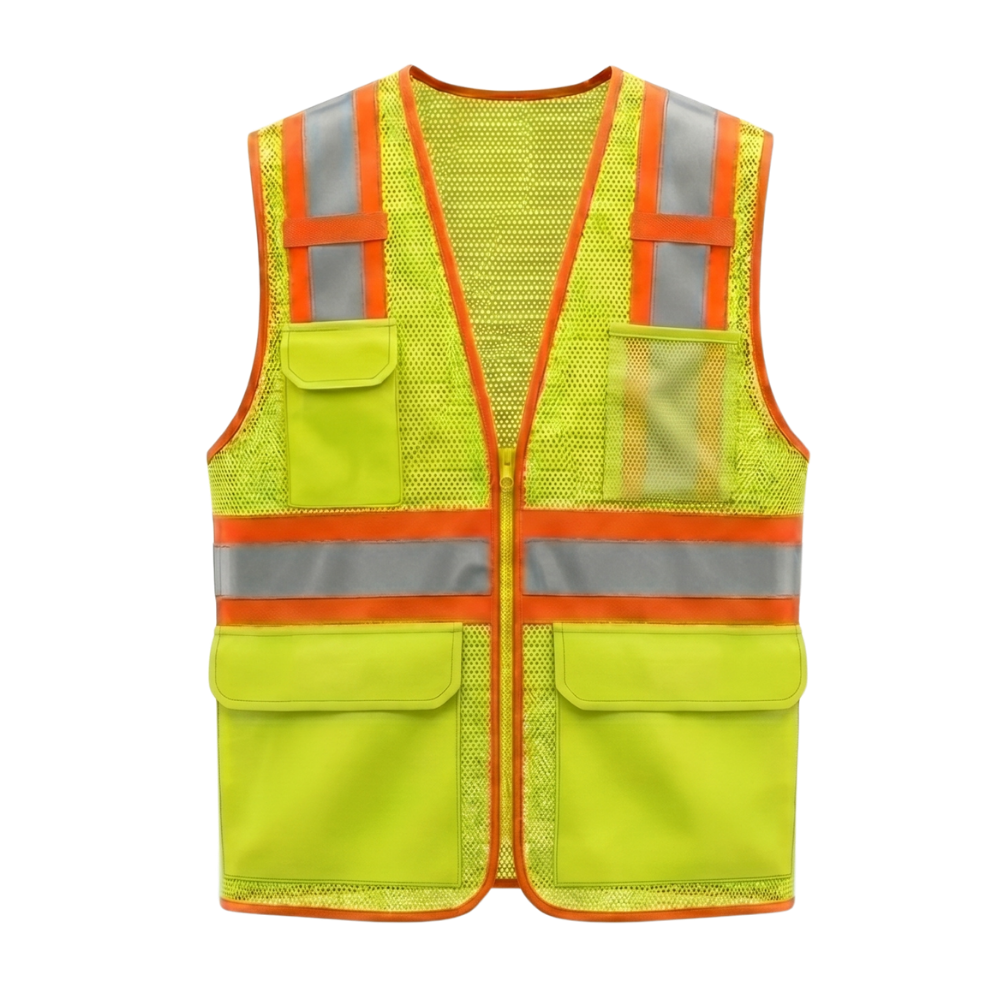
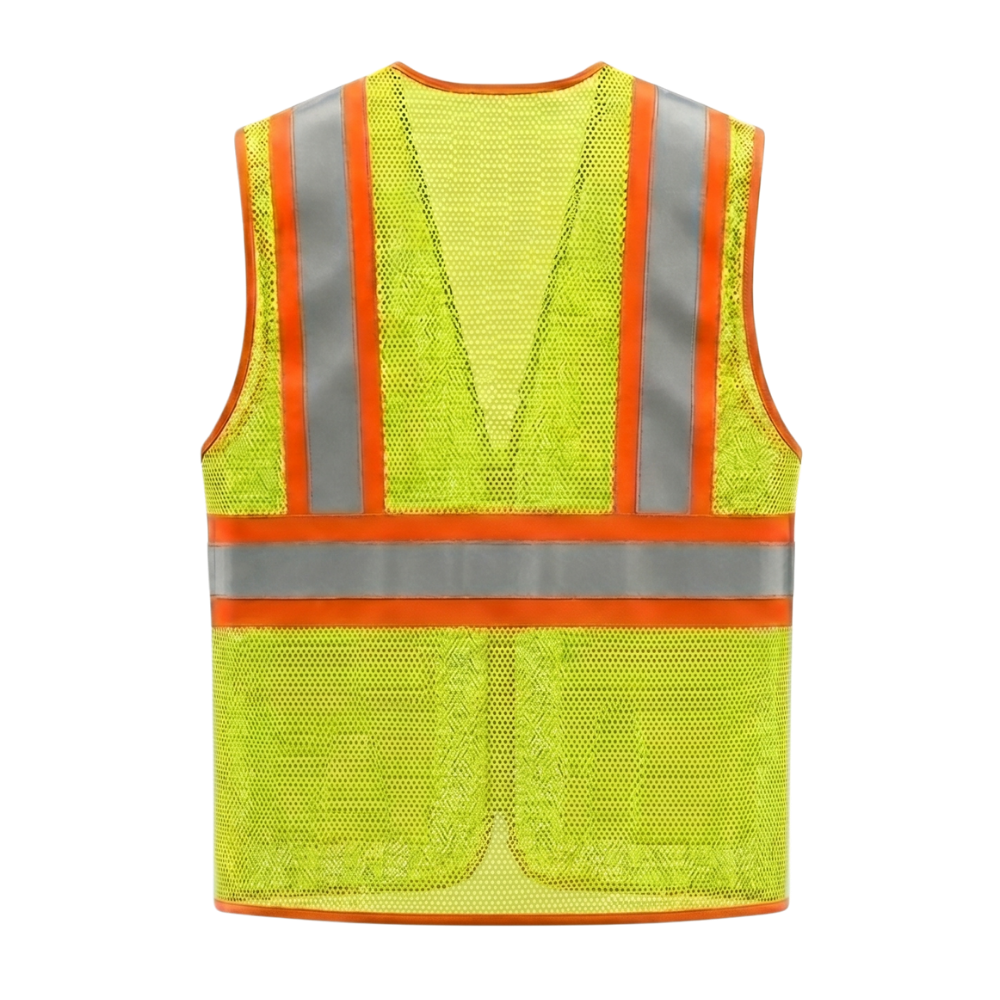
Orange Hi-Vis Executive Safety Vest
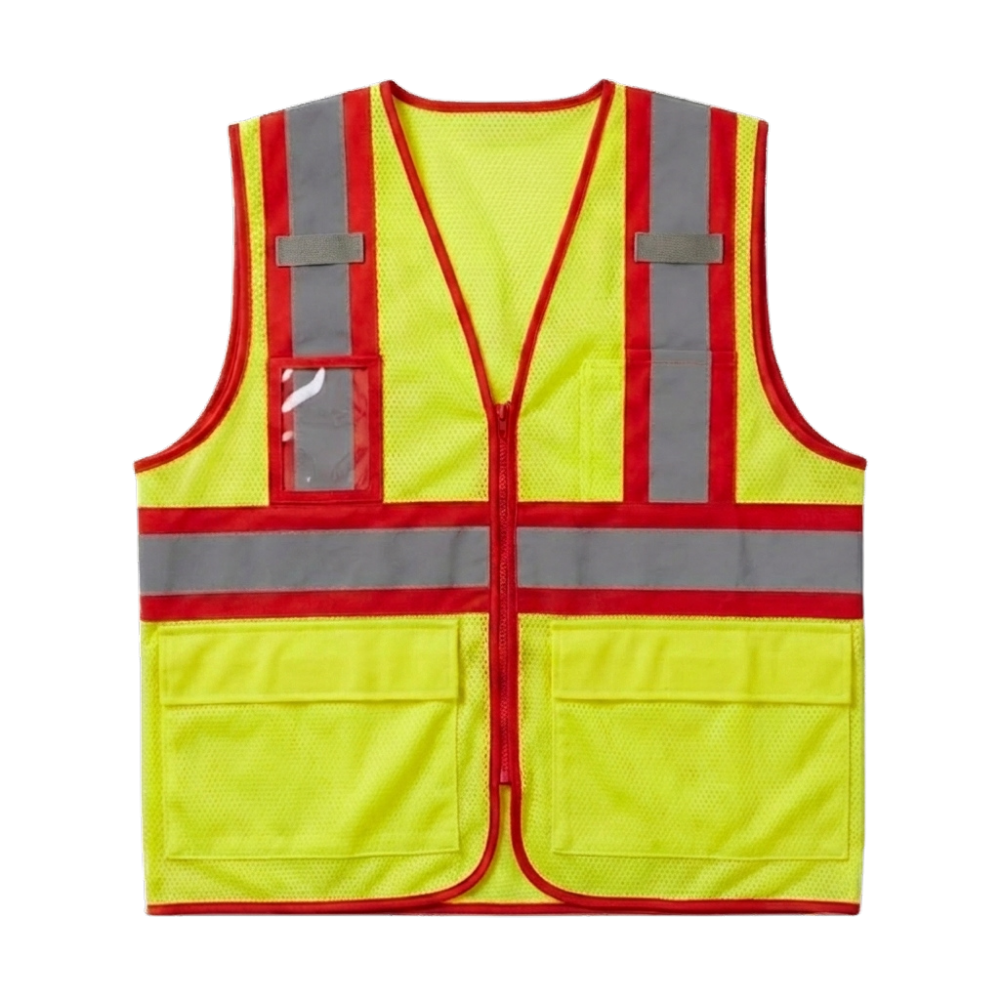
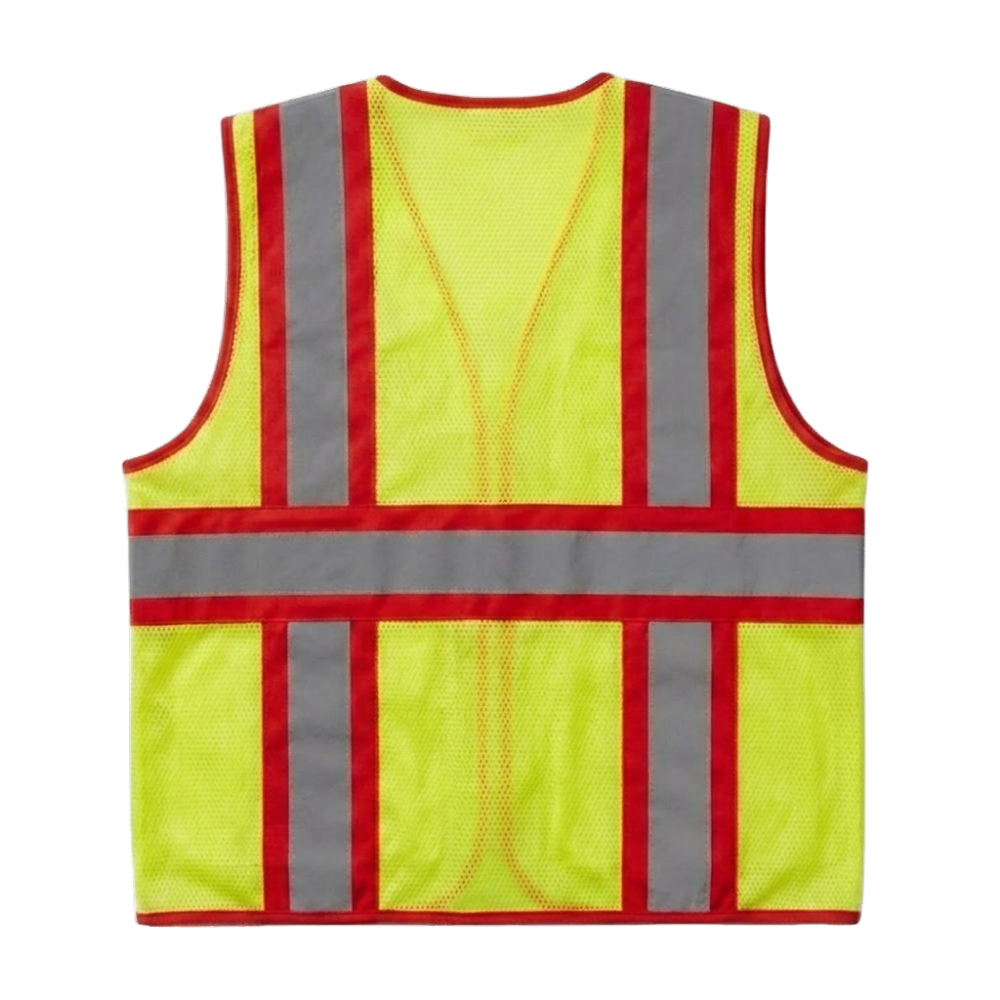
Red Hi-Vis Executive Safety Vest