


The Ultimate Guide to Selecting the Perfect Hi‑Vis Vest UK‑Wide: Safety Standards, Style Tips & Buying Secrets
A crew on a busy motorway was halted when a supervisor realised the traffic‑control team were wearing faded orange vests that no longer met the night‑time tape width requirement. Within minutes the site was shut down, a hefty fine was issued and the driver‑control plan had to be rewritten. It’s a textbook example of how a cheap, non‑compliant vest can cost more than the purchase price. Whether you’re fitting carpenters on a high‑rise, a haulage team in Brisbane, or security staff at a music festival, picking the right hi‑vis vest isn’t a style choice – it’s a legal and safety imperative. Below is the ultimate guide to getting the perfect hi‑vis vest UK‑wide, from standards you must meet to practical buying tips that keep your people visible and your compliance paperwork spotless.
What Australian Safety Standards Mean for a UK‑Wide Vest Purchase
Australia’s hi‑vis requirements are driven by AS/NZS 4602.1, AS/NZS 1906.4 and AS 1742.3. The key take‑aways for any site, whether in the UK or down under, are:
- Vest Class – Choose the right class for the task:
- Class D – day‑time work, fluorescent yellow‑green or orange‑red base.
- Class N – night‑time work, black base with reflective tape.
- Class D/N – dual‑purpose, day and night.
- Class R – roadwork, typically fluorescent orange‑red with side‑panel tape.
- Reflective Tape – Must meet AS/NZS 1906.4: minimum 50 mm width, encircling the torso, and fully adherent to the fabric.
- Colour – Only the approved fluorescent shades (yellow‑green, orange‑red) are acceptable.
- Testing & Markings – Vests must carry the compliance label and be test‑certified according to the standards above.
For a UK‑wide procurement you’ll still need to verify that any imported vest complies with these Australian benchmarks – especially if you’re sourcing from overseas manufacturers. SafeWork NSW, WorkSafe Victoria, and WHS Queensland frequently audit sites, and non‑compliant gear can trigger enforcement action.
Where Sites Go Wrong – Common Hi‑Vis Pitfalls
Wrong vest class – A construction crew using a Class R vest for indoor fit‑out work. The tape placement isn’t suited to the environment, and the team fails an audit.
Faded hi‑vis – After six months of sun exposure, the fluorescent dye lost its brightness. The vest still passes a static test but is invisible in daylight.
Cheap non‑compliant imports – Some overseas suppliers label a vest “Class D” but the tape width is only 35 mm, breaching AS/NZS 1906.4.
Incorrect branding placement – Logos printed over the reflective strip reduce visibility and violate the standard that tape must run uninterrupted around the torso.
Avoiding these errors starts with a solid selection checklist.
Practical Checklist – Choose the Right Hi‑Vis Vest Every Time
| ✔ Item | What to Verify | Why It Matters |
|---|---|---|
| Class suitability | Match vest class (D, N, D/N, R) to the work task and lighting conditions. | Ensures legal compliance and visibility. |
| Colour compliance | Fluorescent yellow‑green or orange‑red base only. | Guarantees high‑contrast detection. |
| Reflective tape width | Minimum 50 mm, encircling torso, side panels as required. | Meets AS/NZS 1906.4 tape standards. |
| Standard certification | Look for AS/NZS 4602.1 and AS 1742.3 labels. | Provides proof of testing. |
| Durability | Check for UV‑resistant fabric, double‑stitched seams. | Extends service life, keeps colour bright. |
| Branding location | Logos placed outside reflective zones. | Preserves visibility, avoids penalties. |
| Supplier credibility | Verify supplier’s track record; see Sands Industries for reputable manufacturing. | Reduces risk of non‑compliant imports. |
| Size & fit | Try‑on for comfort, range of sizes available. | Workers are more likely to wear correctly fitted gear. |
Use this list when evaluating quotes or ordering stock. A quick visual inspection against each row can save days of re‑work later.
Industry‑Specific Examples
Construction
A high‑rise project in Sydney required every foreman to wear Class D vests with 50 mm tape on the sleeves. By ordering custom‑printed vests through our [custom safety vests] service, the site avoided the common mistake of covering reflective strips with company logos and kept the worksite moving without a WHS stop‑work order.
Traffic Control
On a busy motorway, night‑shift traffic controllers were equipped with Class N vests. The black base with full‑torso reflective panels met the night‑time standard, preventing a near‑miss when a vehicle veered off the road. Using the right class cut the risk of fines from WorkSafe Victoria.
Warehousing
A logistics hub introduced Class D/N vests for forklift operators who work both day and night shifts. The dual‑purpose design cut inventory costs by 30 % while keeping compliance across the 24‑hour operation.
Mining
Underground drill crews wear high‑visibility vests with reinforced stitching to resist tears from heavy equipment. The fluorescent orange‑red base meets AS 1742.3 for low‑light environments, and the reflective tape is tested to survive abrasive conditions.
Events
A music festival hired security staff to wear custom‑coloured hi‑vis vests. The colour was within the approved fluorescent range, and branding was placed on the sleeves, leaving the torso tape uninterrupted. The venue passed a pre‑event safety audit without a hitch.
Buying Secrets – Getting the Best Value Without Compromising Safety
- Bulk order the right size – Ordering a full size range prevents the need for last‑minute replacements that often come from cheap, non‑compliant stock.
- Ask for sample certification – Reputable suppliers will provide a copy of the AS/NZS test report; if they can’t, walk away.
- Leverage customisation wisely – Add logos, but keep them away from reflective bands. Our [custom safety vests] page shows safe placement options.
- Check return policies – A reliable distributor will accept returns if the vest fails an on‑site audit.
- Factor in lifecycle cost – Quality UV‑resistant fabric reduces the need for frequent replacement – a cost win over cheap imports.
For a quick start, browse our Q: Can I use a Class D vest at night? Q: Are UK‑specific standards different? Q: How often should hi‑vis vests be inspected? Key takeaways
Ready to outfit your crew with the right hi‑vis gear? Get a free compliance review or a quote for custom‑printed vests today by contacting us at [Safety Vest – Contact Us]. Your workers’ visibility—and your site’s compliance—starts with the right vest.
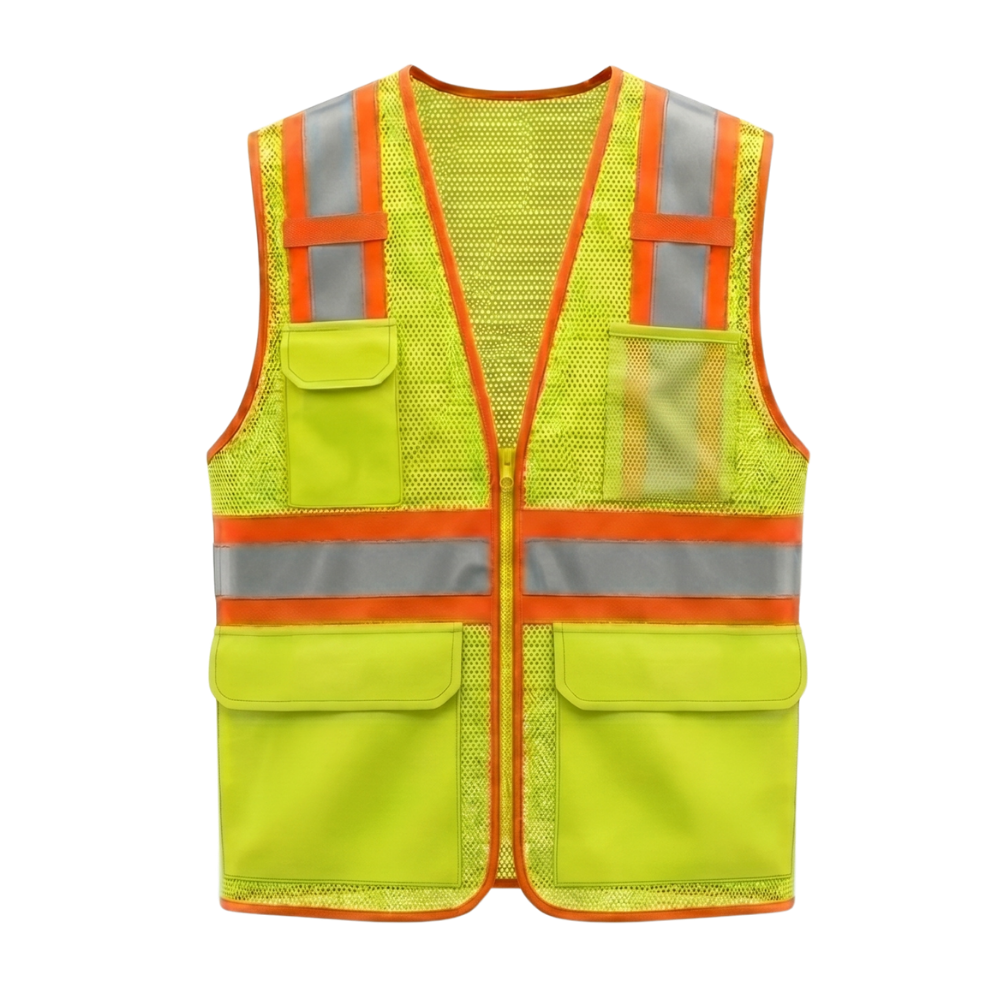
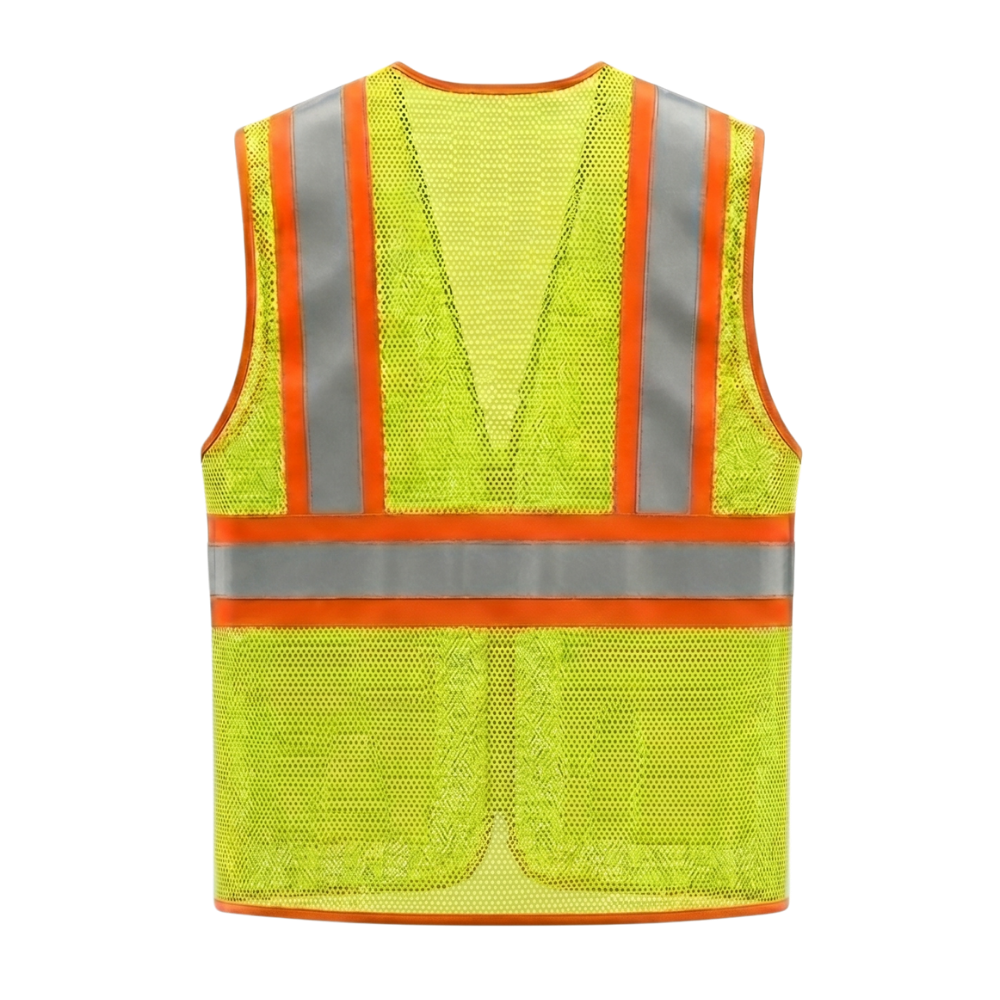
Orange Hi-Vis Executive Safety Vest
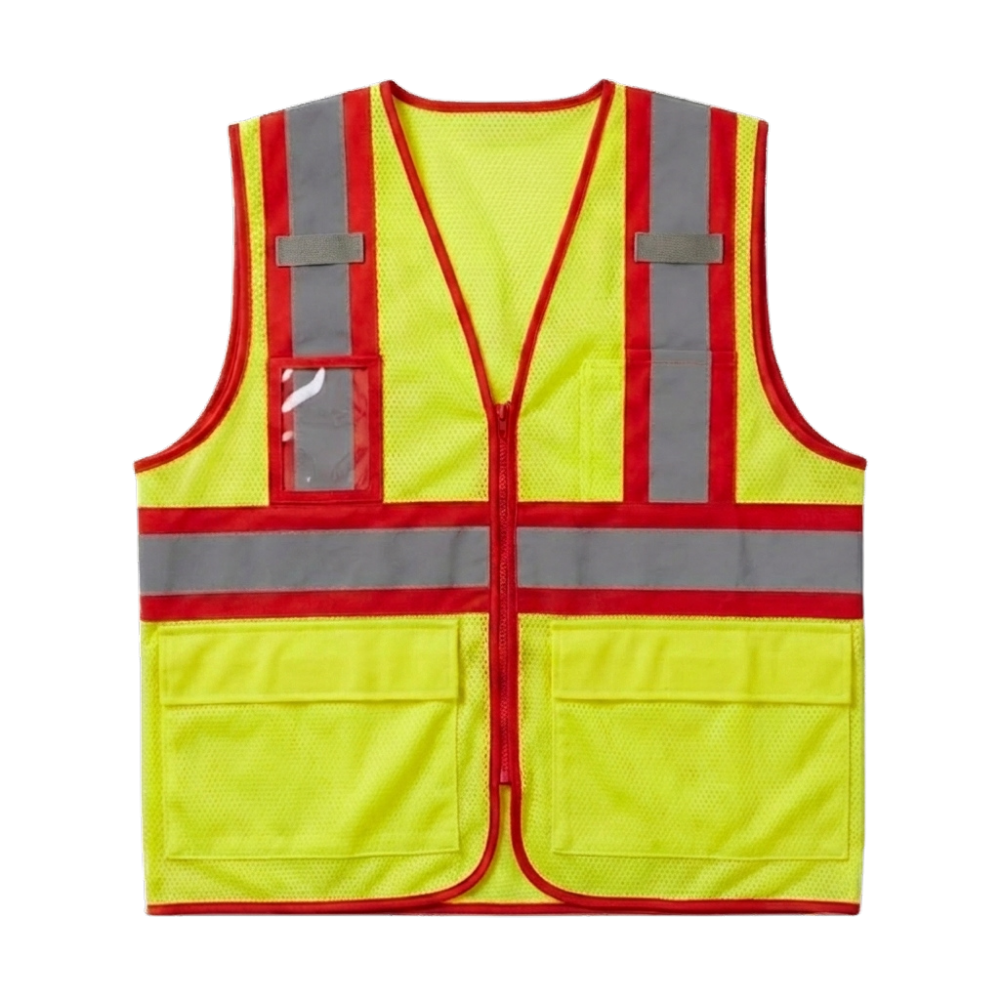
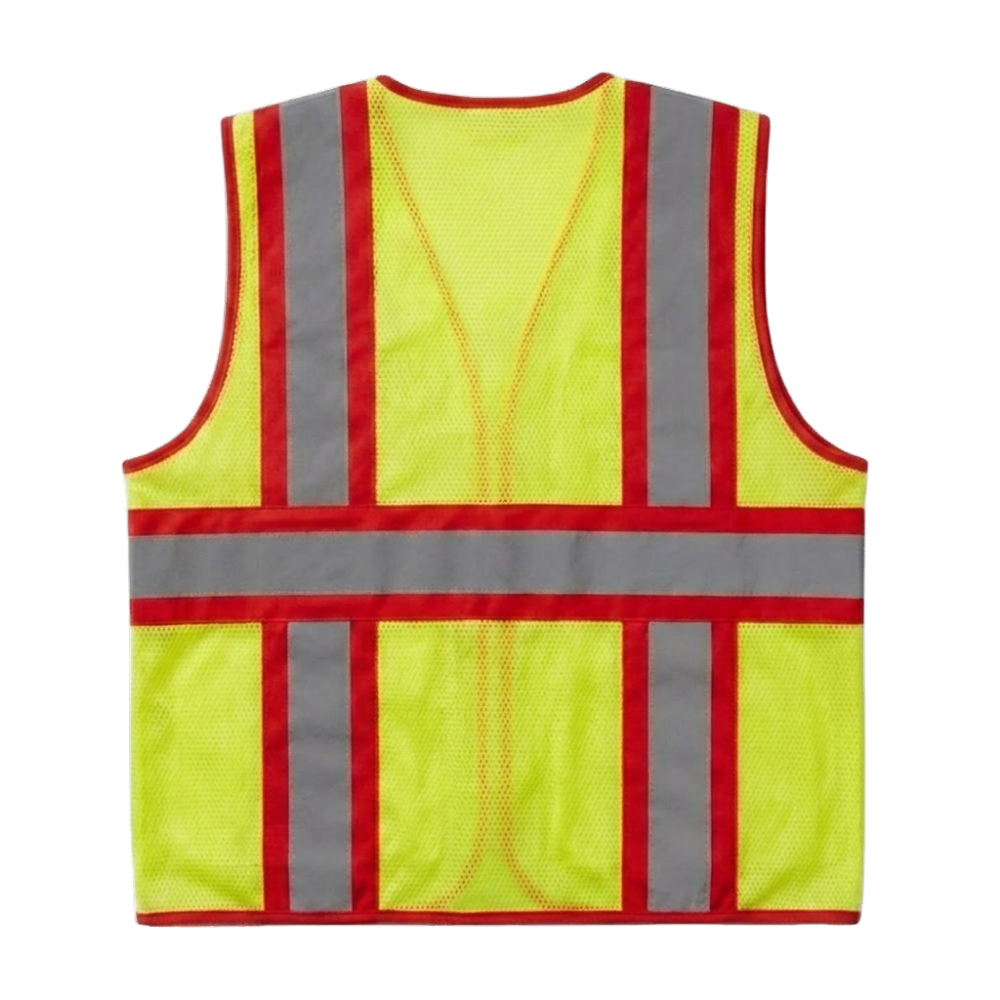
Red Hi-Vis Executive Safety Vest
Quick FAQ
A: No. Night‑time work requires a Class N or D/N vest with a black base and full‑torso reflective tape.
A: The UK follows BS EN 471/ ISO 20471, which are similar in requiring fluorescent base colours and reflective tape. However, if you plan to use the vest on Australian sites, you must meet AS/NZS 1906.4 and AS 1742.3 as outlined above.
A: Conduct a visual check monthly. Replace any vest with faded colour, torn seams, or cracked reflective tape.