






Hi Vis Vest Tactical: The Ultimate 2024 Buying Guide, Top Picks, and Safety Tips for Maximum Visibility
A senior plant‑operator was sprinting across a dimly‑lit quarry when his hi‑vis vest slipped off the back‑strap. In the instant the reflective tape vanished, a nearby forklift didn’t see him – the operator took a hard bump, the site was shut down, and the fine from SafeWork NSW was enough to make the foreman think twice about cheap gear. One missed strap, a faded strip of tape, or the wrong class of vest can turn an ordinary shift into a costly injury‑claim nightmare. If you’re hunting for a hi vis vest tactical that actually works on the ground, you need more than a flashy colour – you need the right class, the right reflective performance, and a fit that stays put when the job gets rough.
Below is the 2024 buying guide built from the trenches. We break down the standards, compare the best tactical vests on the market, flag the common slip‑ups, and give you a practical checklist so you can pick a vest that keeps you visible, compliant, and out of the regulator’s sights.
What Makes a Hi Vis Vest Tactical?
A tactical vest isn’t just a fashion statement; it’s a purpose‑built piece of personal protective equipment (PPE). On a construction site, in traffic control, or at an outdoor event, the vest must:
- Maintain 360‑degree visibility – reflective tape must encircle the torso, not just sit on the front.
- Withstand harsh conditions – water‑resistant backing, tear‑proof stitching, and durable snap‑fasteners keep the vest intact in rain, dust, or high‑impact work.
- Accommodate pockets and branding – tactical vests often have utility pockets for tools or radios. Branding must sit outside the reflective strip so it doesn’t compromise compliance.
The Australian standards that govern all hi‑vis apparel remain unchanged:
| Requirement | Standard |
|---|---|
| Minimum reflective tape width | 50 mm (AS/NZS 1906.4) |
| Tape must encircle torso | AS/NZS 1906.4 |
| Approved colours | Fluorescent yellow‑green or orange‑red (AS/NZS 4602.1) |
| Overall performance & durability | AS/NZS 2980, AS 1742.3 |
A tactical vest that meets these standards will carry the appropriate class – Class D for day work, Class N for night, Class D/N for mixed shifts, and Class R for road‑work or traffic‑control environments. Using a Class D vest on night‑shift traffic control is a classic compliance breach that can invite fines from WorkSafe Victoria or WHS Queensland.
Choosing the Right Class for Your Job
| Job type | Typical shift | Recommended class | Why it matters |
|---|---|---|---|
| Residential construction (daylight) | 7 am‑3 pm | Class D | Daytime ambient light meets the required contrast. |
| Night‑time road‑work or traffic control | 10 pm‑4 am | Class N | Fluorescent background is low; reflective tape does the heavy lifting. |
| Mixed‑shift mining camp (day + night) | 6 am‑10 pm | Class D/N | Provides both fluorescent fabric for day and high‑visibility tape for night. |
| Event security (indoor/outdoor) | Varied | Class D/N (or Class R if on road) | Guarantees visibility whether lights are on or off. |
Put simply, the class you pick dictates the level of colour vs. reflective reliance. A tactical vest that mixes colour‑blocking panels with full‑torso tape gives you the flexibility to move between day and night without swapping gear.
Top Picks for 2024 – Tactical Hi‑Vis Vests That Pass the Test
| Model | Class | Colour | Tape width | Pocket config | Highlights |
|---|---|---|---|---|---|
| Sands Industries Tact‑Pro D/N | D/N | Fluorescent yellow‑green | 75 mm (encircles torso) | 4 utility pockets, insulated radio pocket | AS/NZS 1906.4‑certified, double‑stitched stress points |
| SafetyVest RoadMaster R | R | Fluorescent orange‑red | 100 mm | 2 high‑visibility rear pockets, reflective side strips | Ideal for traffic‑control, meets AS 1742.3 road‑work specs |
| Sands Industries NightShield N | N | Dark charcoal (non‑fluorescent) | 80 mm | 3 tool pockets, reinforced elbow patches | Optimised for low‑light, meets WHS Queensland night‑work rules |
| SafetyVest FlexFit D | D | Fluorescent yellow‑green | 50 mm | 2 lightweight pockets, elasticised hem | Lightweight for hot‑day trades, AS/NZS 2980 durability test passed |
| Sands Industries EventGuard D/N | D/N | Fluorescent orange‑red | 70 mm | 5 pockets (incl. ID badge slot), removable ID panel | Tailored for events, complies with AS/NZS 4602.1 colour standards |
All these vests are listed in our Use this quick‑tick list on the shop floor or during a supplier audit:
Cross‑checking against this list will save you from ordering a non‑compliant batch that could lead to a SafeWork NSW audit stop‑work order. That’s where most sites get it wrong:
Spotting these pitfalls early – during the pre‑site toolbox talk – can keep you clear of regulator penalties and, more importantly, keep workers visible. At a 15‑storey office block in Sydney, foremen switched from a Class D vest to the Sands Industries Tact‑Pro D/N for crews working night‑time façade inspections. The 75 mm tape wrapped the torso, and the rugged pockets held laser levels. Within a week, the site logged zero visibility‑related incidents and avoided a $12 000 fine from WorkSafe Victoria after an audit. A Queensland road‑maintenance crew adopted the SafetyVest RoadMaster R. The Class R vest’s extensive rear tape and high‑visibility side strips gave drivers a clear reference point even in heavy rain. The crew’s incident log dropped from two near‑misses per month to none, and the Western Downs WHS authority praised the outfit during a compliance check. A Melbourne distribution centre equipped its pick‑packs with the SafetyVest FlexFit D. The lightweight design reduced fatigue on hot summer days, while the 50 mm tape still met AS/NZS 1906.4. Since the rollout, the centre recorded a 30 % reduction in pallet‑forker collisions involving personnel. A regional gold mine introduced the Sands Industries NightShield N for night‑shift crew members descending into the pit. The dark base fabric prevented glare while the 80 mm reflective band remained visible under headlamp illumination, satisfying WHS Queensland’s night‑work conditions. During a three‑day music festival in Adelaide, security used the Sands Industries EventGuard D/N. The removable ID badge slot allowed staff to display passes without breaking the reflective continuity. Post‑event feedback highlighted the vest’s comfort and the ease of spotting team members in low‑light crowds.
If you need a vest that ticks every box and carries your logo without compromising safety, head over to our [custom safety vests] page or drop us a line via [contact us]. Our team at SafetyVest.com.au, backed by the manufacturing muscle of Sands Industries, will help you get the right tactical hi‑vis vest for 2024 – no shortcuts, just solid, compliant visibility.
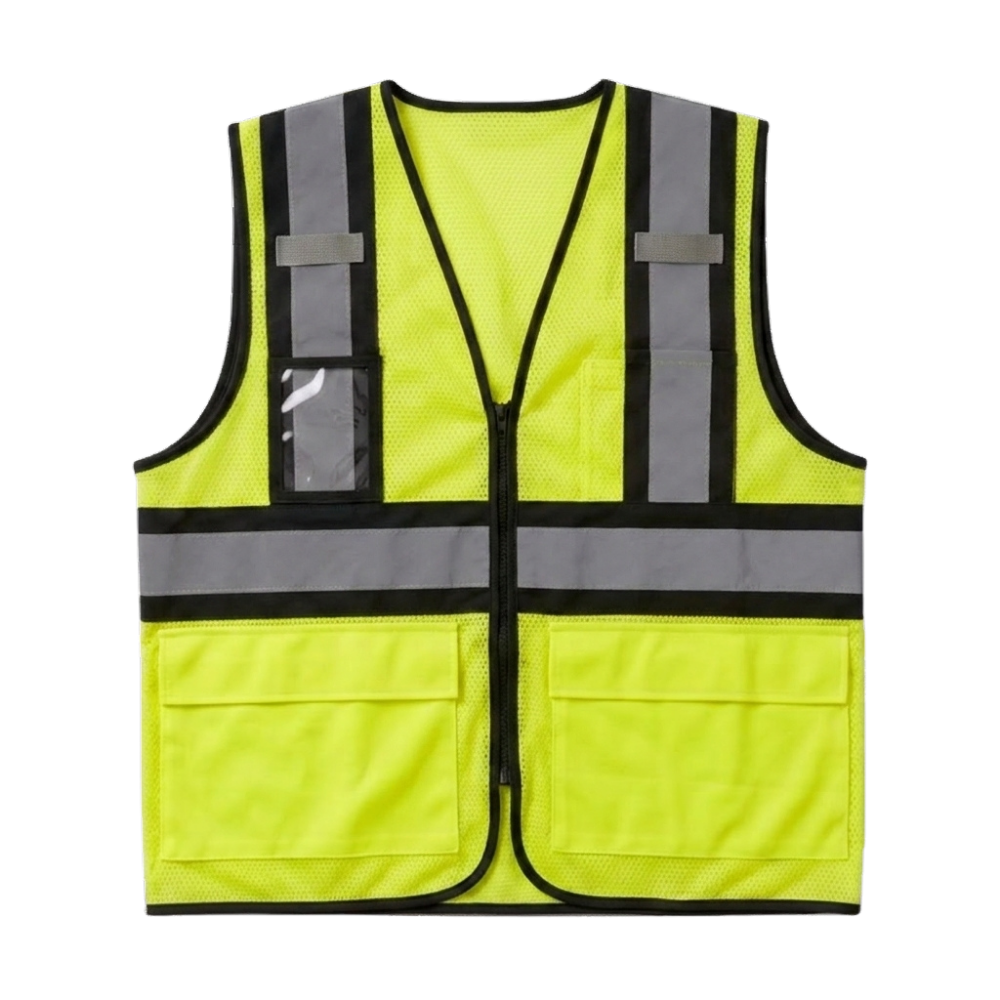
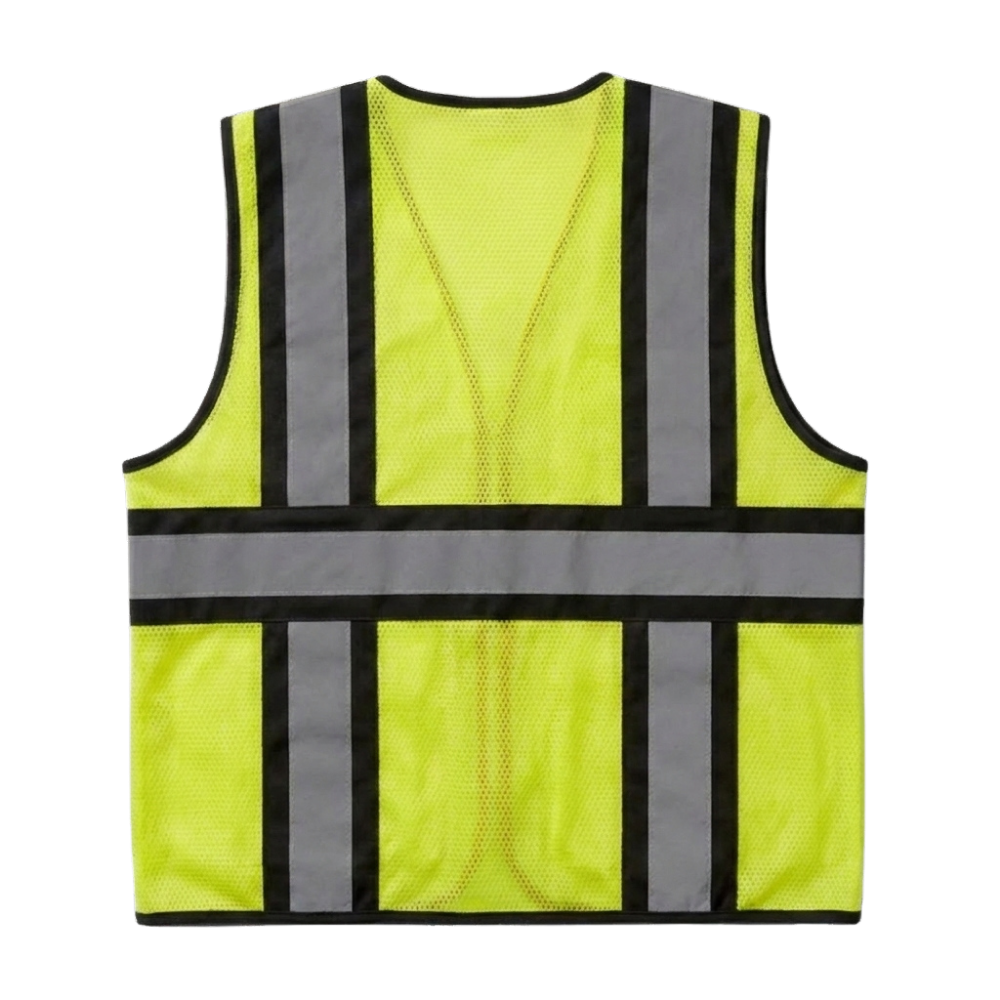
Black Hi-Vis Executive Safety Vest
Practical Checklist – Buying a Tactical Hi‑Vis Vest
Where Sites Go Wrong with Tactical Hi‑Vis
Industry Examples – Tactical Vests in Action
Construction – Multi‑Story Build
Traffic Control – Highway Maintenance
Warehousing – High‑Bay Picking
Mining – Underground Shifts
Events – Outdoor Festival
Quick Recap & Next Steps