


When the morning shift rolls out on a swampy Brisbane suburb, the crew assembles by the pump station, their tools glinting in the low sun. One worker slips on a wet steel grate, but the bright, reflective vest he’s wearing flashes enough for a colleague to spot him instantly and call out a rescue. That split‑second visual cue can mean the difference between a close‑call and a serious injury.
In the pages that follow you’ll discover exactly why a purpose‑built safety vest is non‑negotiable for water and sewerage crews, how to pick the right features for slippery, low‑light environments, which Australian standards apply, and the pitfalls that even seasoned site supervisors fall into. By the end you’ll be equipped to choose a compliant, comfortable vest that keeps your team visible and safe—whether they’re working a midnight maintenance shut‑down or a scorching summer repair on a remote valve.
Contents
- What makes a water‑and‑sewerage safety vest essential?
- Choosing the right vest: key features and a step‑by‑step guide
- Compliance and Australian standards for hi‑vis workwear
- Common mistakes or misconceptions on Australian worksites
- Industry‑specific context: real‑world applications in water and sewerage
- Frequently Asked Questions
- Wrapping up: three takeaways and how to get your customised vests
What makes a water‑and‑sewerage safety vest essential?
A safety vest that meets the specific hazards of water and sewerage work dramatically reduces the risk of trips, falls and collisions, especially in low‑light or wet conditions.
Water‑ and sewerage workers operate in environments where visibility is constantly compromised—rain, low‑lying fog, night‑time maintenance, and the reflective glare of wet surfaces. A vest that combines high‑visibility colours with 50 mm of retro‑reflective tape encircling the torso ensures that a worker can be seen from any angle, even when standing still by a dark manhole.
Beyond colour, the fabric matters. Mesh hi‑vis vests breathe in the scorching Australian summer while still delivering the required fluorescence. For crews that need pockets for tools, a surveyor‑style multi‑pocket vest keeps wrenches, test kits and radio equipment within easy reach, cutting down the time spent rummaging through a toolbox.
Choosing the right vest also protects employers from hefty WHS penalties. In NSW, for example, SafeWork can levy up to $1.5 million for non‑compliant high‑visibility clothing on a Category 2 breach—so a smart vest choice safeguards both people and the bottom line.
Practical breakdown: how to pick the right vest for your crew
Below is a step‑by‑step checklist that walks you through the decision‑making process, from hazard assessment to final order.
-
Identify the work‑site conditions
- Night‑time or low‑light work → Class D/N or Class R required.
- High temperature, open‑air tasks → Mesh vest for breathability.
- Need for tools on‑hand → Multi‑pocket or surveyor vest.
-
Select the appropriate colour and class
- Fluorescent yellow‑green for general utility.
- Fluorescent orange‑red for traffic‑control or high‑risk zones.
- Class R (AS 1742.3) when operating near live traffic or on roadworks.
-
Check retro‑reflective tape specifications
- Minimum 50 mm width, full‑torso coverage.
- Tape must comply with AS/NZS 1906.4 for optical performance.
-
Choose customisation method
- Screen print or DTF for large logos.
- Embroidery for a premium look on uniform sleeves.
- No setup or artwork fees from Safety Vests for Australia.
-
Confirm sizing
- XS to 7XL available; order samples if unsure.
- Remember that a looser fit may hide reflective tape, compromising visibility.
-
Place the order
- No minimum quantity—single vest orders accepted.
- Use the live vest designer on the [custom safety vests] page for a real‑time preview.
| Feature | Classic Zip‑Front (Class D/N) | Mesh Hi‑Vis | Surveyor Multi‑Pocket |
|---|---|---|---|
| Breathability | Moderate | High – open weave | Moderate |
| Pocket count | 1 front pocket | 1 front pocket | 10+ pockets |
| Ideal for | General site work, night shifts | Hot, humid conditions | Engineers, supervisors |
| Custom options | Screen print, embroidery | Screen print, heat transfer | All methods |
Following this checklist ensures you match the vest to the real‑world demands of water and sewerage work, while staying within the legal framework.
Compliance and Australian standards angle
Safety vests for water and sewerage crews fall under several overlapping standards. The primary benchmark is AS/NZS 4602.1:2011, which defines the colour, fluorescence, and reflective‑tape requirements for high‑visibility garments. For any vest used on or near traffic—such as a crew conducting road‑crossings for a pipe‑laying project—AS 1742.3 stipulates Class R performance, meaning the vest must feature a minimum of 400 mm² of retro‑reflective material and meet specific colour ratios.
When retro‑reflective tape is the key safety component, AS/NZS 1906.4 governs its optical performance, ensuring the tape reflects sufficient light back to drivers’ headlights. If a crew works in environments with fire risk (e.g., near gas‑lit pumps), the AS/NZS 2980 flame‑resistant standard applies, and a specialised FR vest should be selected.
Enforcement lies with state bodies such as SafeWork NSW, WorkSafe Victoria, and WHS Queensland. These agencies conduct random site audits and can issue Improvement Notices or Prohibition Notices if vest compliance is lacking. The penalties are steep: a Category 2 infringement can attract a maximum on‑the‑spot fine of $1.5 million for a body corporate in NSW.
For a quick reference, our [Compliance Guide] page outlines each standard in plain English and links to the relevant PDFs. Ensuring your chosen vest meets the right class, colour, and tape width not only keeps your workforce safe—it keeps your operation on the right side of the regulator.
Common mistakes or misconceptions on Australian worksites
Even seasoned supervisors sometimes slip into habits that undermine safety. Here are the top three field‑level blunders:
1. Using the wrong colour for the task
A crew may think any fluorescent vest will do, but the law restricts hi‑vis garments to yellow‑green or orange‑red only. A bright magenta or blue shirt might look “visible” but fails compliance and can lead to a hefty fine if an inspector spots it.
2. Forgetting full‑torso reflective coverage
Workers often tuck the vest’s tape under a jacket or belt, inadvertently creating a blind spot. The 50 mm tape must encircle the entire torso; otherwise, a driver’s headlights may miss the reflective strip, especially at oblique angles.
3. Over‑loading pockets and compromising fit
Surveyor vests with ten pockets are great, but stuffing them with heavy tools can stretch the fabric and pull the reflective tape away from the body. The result is a baggy vest that rides up or down, reducing the visibility envelope. Encourage crews to carry only essential items and use belt‑mounted toolbags for bulkier equipment.
Addressing these issues during toolbox talks and during the procurement stage prevents costly re‑orders and keeps safety front‑and‑centre.
Industry‑specific context
Water and sewerage networks stretch across Australia’s diverse climates—from the tropical wetlands of the Top End to the arid outback pipelines of Western Australia. In a recent Monday‑morning maintenance window on a Melbourne stormwater tunnel, a crew working in a confined, low‑light space relied on Class D/N vests with high‑visibility tape to navigate between narrow ladders. When a sudden power outage plunged the tunnel into darkness, the retro‑reflective strips glowed under the handheld torches, allowing the supervisor to locate every team member within seconds.
In the far‑north, a remote dig‑site near a dam uses breathable mesh vests to combat extreme heat. The mesh allows sweat to evaporate while the fluorescent orange‑red colour remains visible against the blue‑green water backdrop. Meanwhile, a regional sewerage authority in Queensland recently upgraded to FR‑rated vests (AS/NZS 2980) for crews near high‑pressure gas pipelines, avoiding a potential flash‑fire hazard during an emergency shut‑down.
These real‑world snapshots illustrate that a one‑size‑fits‑all approach simply won’t work. Tailoring the vest to the specific environment—whether it’s heat, low light, or fire risk—ensures that every worker stays seen and protected.
Frequently Asked Questions
Q: Do water‑and‑sewerage workers need Class R vests if they’re not near traffic?
A: Not usually. Class R is mandatory only when working within 30 m of live traffic or on roadworks (AS 1742.3). For most underground or off‑road tasks, Class D/N provides the required day‑and‑night visibility.
Q: Can I order a single custom‑printed vest for a new crew member?
A: Yes. Safety Vests for Australia has no minimum order, and there are no setup or artwork fees. Use the live designer to upload your logo (AI, EPS, PDF, PNG or SVG) and preview the result instantly.
Q: How long does delivery take to regional towns like Alice Springs?
A: Standard delivery across Australia, including remote locations, is 5–7 business days with tracked shipping. Express options are available if you need the vests sooner.
Q: Are mesh vests compliant for night‑time work?
A: Mesh vests can be compliant if they meet the Class D/N or Class R requirements—meaning they carry the correct amount of retro‑reflective tape and use an approved fluorescent colour. Check the product specifications on the
-
Sale!
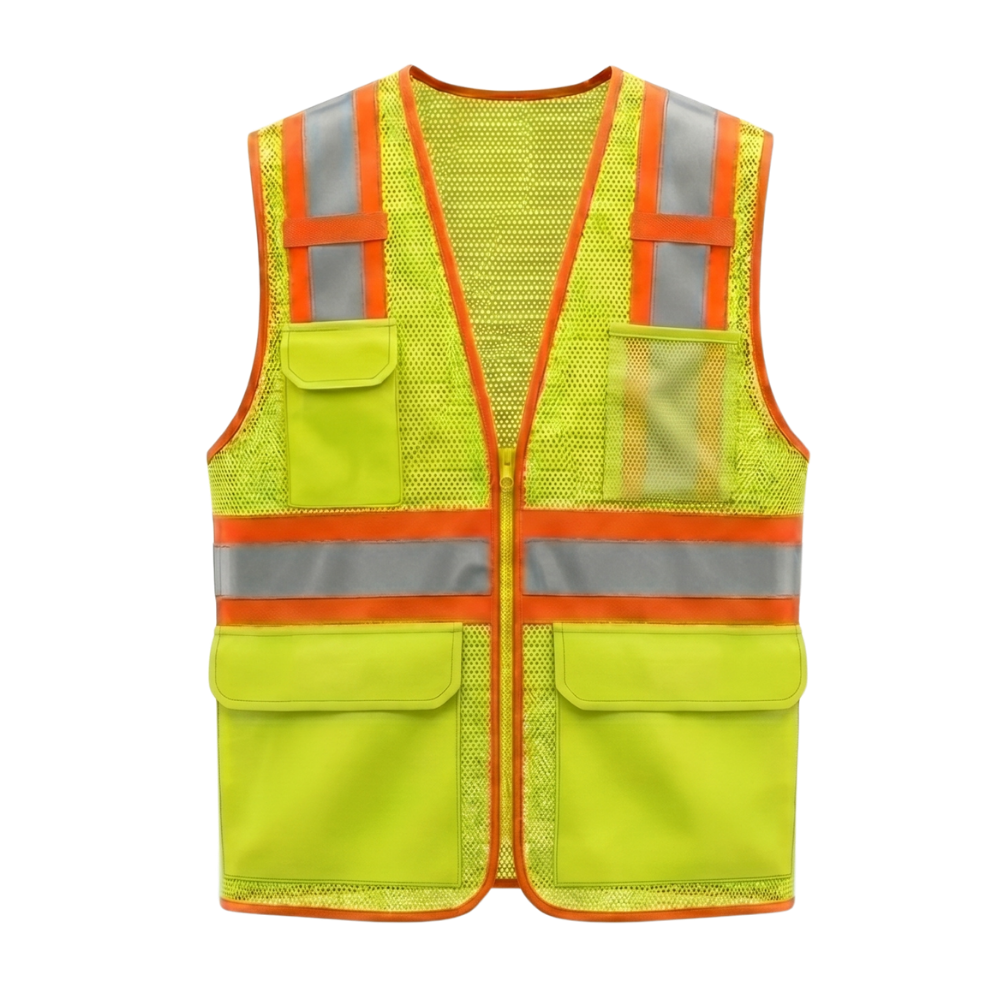
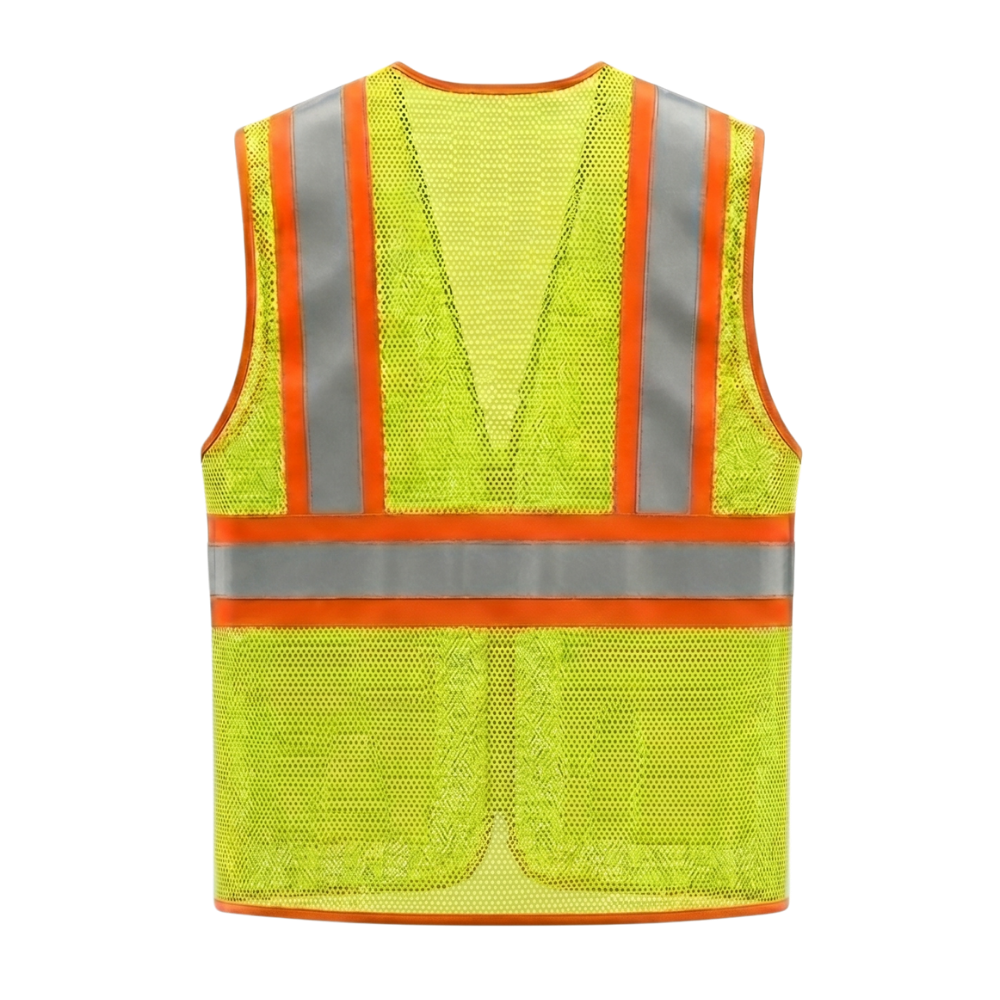
Orange Hi-Vis Executive Safety Vest
Original price was: $25.00.$21.50Current price is: $21.50. Select options This product has multiple variants. The options may be chosen on the product pageSale!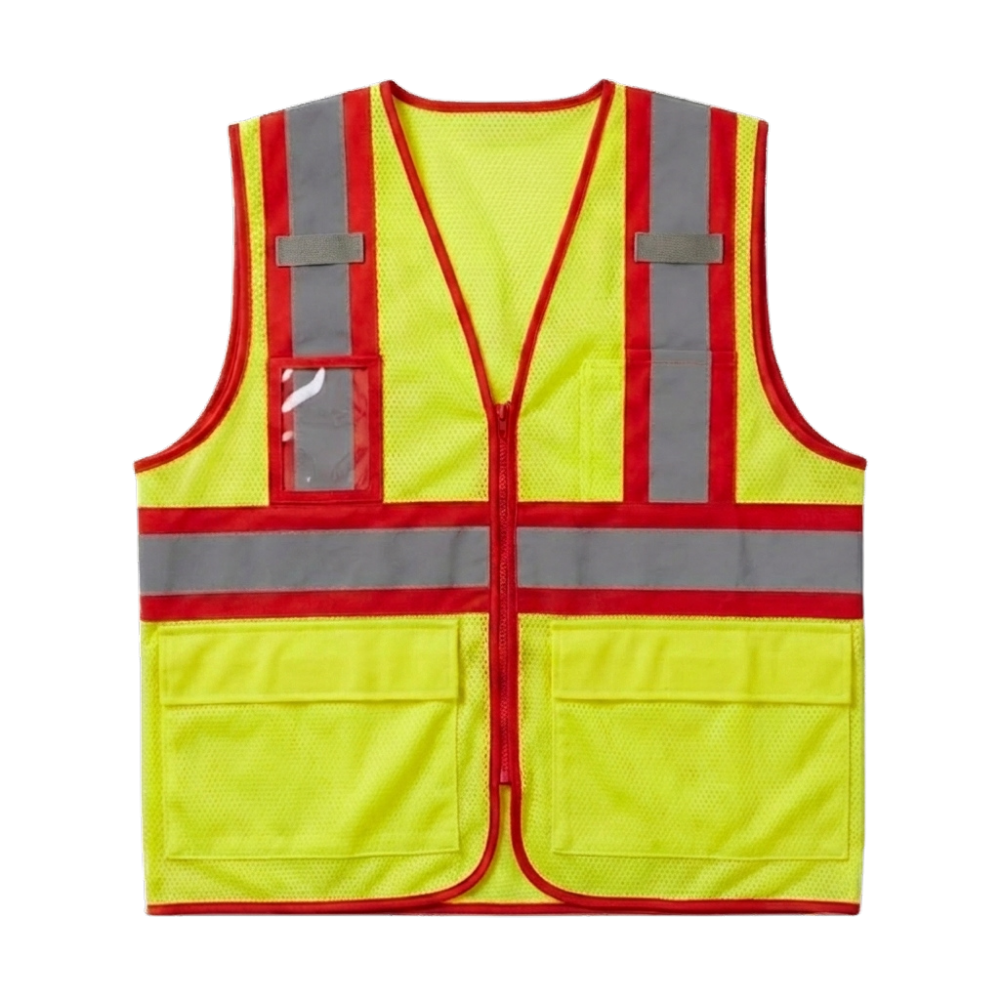
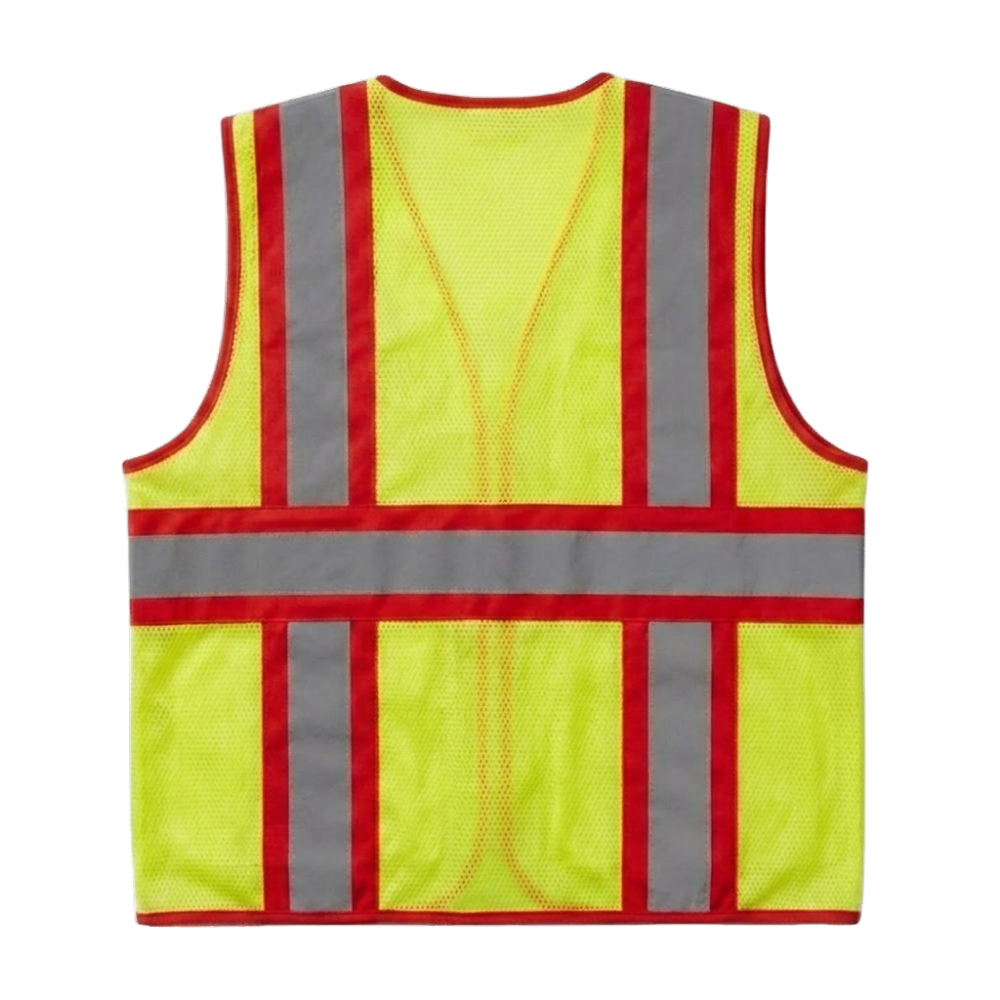
Red Hi-Vis Executive Safety Vest
Original price was: $25.00.$21.50Current price is: $21.50. Select options This product has multiple variants. The options may be chosen on the product pagepage.Q: What size should I order for a mixed‑gender crew?
A: Safety Vests offers sizes from XS to 7XL. It’s best to measure each worker’s chest circumference and compare it to the size chart. A well‑fitted vest sits snugly around the torso without restricting movement, ensuring the reflective tape stays visible.Wrapping up: three takeaways and how to get started
- Match the vest to the hazard – colour, class and tape width must align with the specific water‑or‑sewerage task, whether it’s night maintenance, hot‑weather inspections or fire‑risk environments.
- Stay compliant – AS/NZS 4602.1, AS 1742.3 and related standards are enforceable by SafeWork NSW, WorkSafe Victoria and WHS Queensland; non‑compliance can cost millions.
- Choose comfort and functionality – mesh fabrics, pocket layouts and proper sizing keep workers wearing the vest for the whole shift, maximising visibility.
Ready to outfit your crew with high‑visibility gear that ticks every box? Visit our [custom safety vests] page, run the live designer, and request a quote today. The team at Safety Vests for Australia will ship your compliant, comfortable vests anywhere in the country, with delivery in just a week.