






Ultimate Guide: Choosing the Perfect Hi‑Vis Vest for Your 1‑Year‑Old – Safety, Comfort & Style Tips for 2026
The first time you spotted your toddler wandering a construction site on a family open‑day, your heart stopped. He was wearing a bright orange tee, not a proper hi‑vis vest, and a loose tool‑box lid fell off a nearby scaffold, landing inches from his head. The near‑miss could have turned into a serious injury, and the site manager was later fined for not enforcing the required class R vest for anyone in the work zone – even the little ones. That moment underlines why a compliant, comfortable hi‑vis vest isn’t a “nice‑to‑have” for a 12‑month‑old; it’s a non‑negotiable part of keeping them safe when they’re out on active sites, festivals, or even busy neighbourhood walks. Below is the practical, on‑the‑ground guide to picking the right vest for your one‑year‑old, with the standards you must meet, the common pitfalls to avoid, and style tricks that won’t compromise safety.
What Makes a Hi‑Vis Vest Safe for a Toddler?
| Requirement | What it means on the ground | How to check it |
|---|---|---|
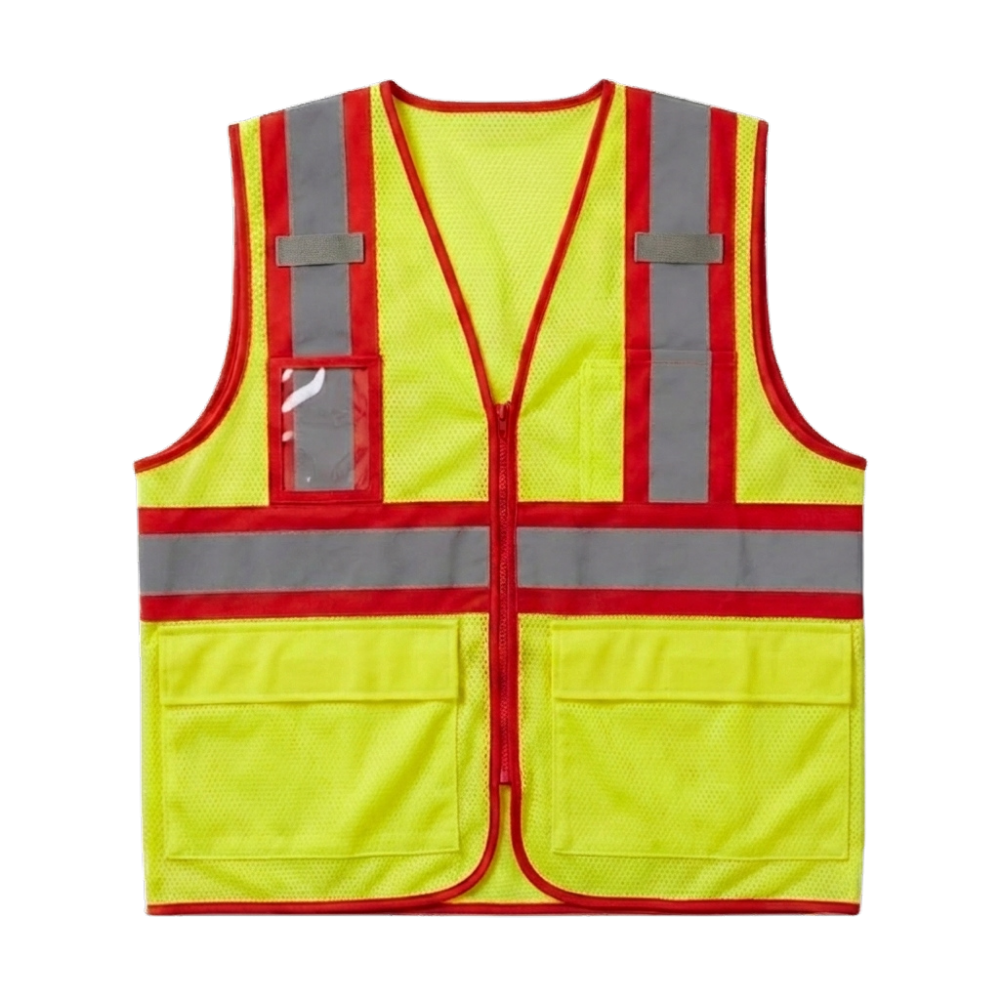
| Class R (Roadwork) | Vest must be rated for high‑risk traffic environments – the only class the law recognises for children on active sites. | Look for “Class R – AS/NZS 4602.1 compliant” on the label. |
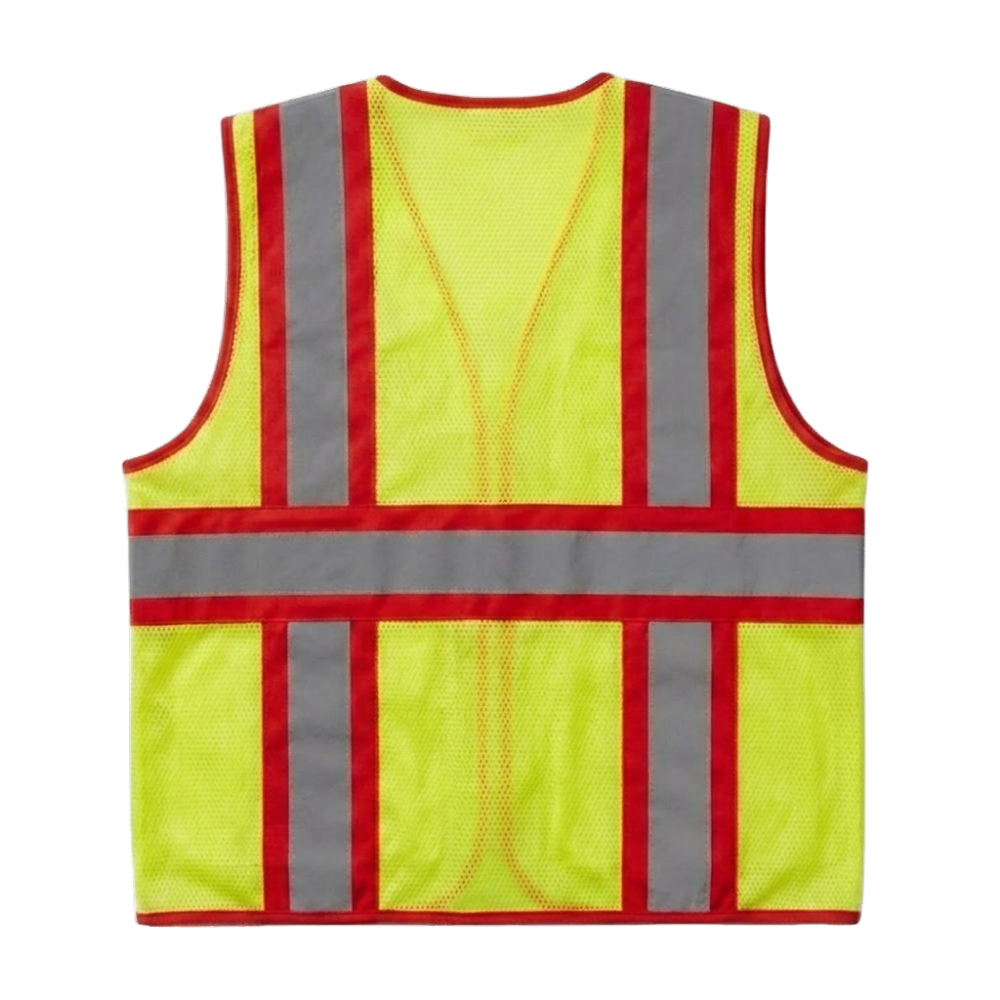
| Reflective tape ≥ 50 mm | Tape wide enough to be seen by drivers and forklift operators from a distance. | Measure the tape or ask the supplier; it should run continuously around the torso. |
| Fluorescent base colour – yellow‑green or orange‑red | Guarantees the vest is instantly visible in daylight before the reflective strip kicks in. | Verify the colour matches the AS 1742.3 chart – no pastel or muted shades. |
| AS/NZS 1906.4 reflective material | The tape must meet the national reflective standard for durability and brightness. | Ask for a compliance certificate or see the product page flagging AS/NZS 1906.4. |
| Soft, breathable fabric | Keeps a squirming toddler comfortable for hours, preventing overheating. | Touch the material – it should feel similar to a high‑quality cotton‑poly blend, not stiff polyester. |
| Secure, easy‑fit fasteners | Velcro or snap closures that a busy parent can fasten quickly, but that won’t open on a tumble. | Perform a pull test; the vest should stay snug even after a vigorous shake. |
Put simply: if the vest ticks every box in the table, you’ve got a compliant, comfortable piece of safety gear that will stay on a wriggling 1‑year‑old during a site tour, a community street fair, or a backyard construction play set.
Where Sites (and Parents) Go Wrong
- Choosing the wrong class – Many parents grab a “Class D” day‑time vest because it’s cheaper. On a site with moving plant, that vest fails the legal requirement for Class R protection.
- Faded or washed‑out tape – After just a few washes, cheap reflective strips lose brightness. In low‑light conditions the vest becomes almost invisible.
- Importing non‑compliant gear – Low‑cost overseas vests often ignore AS/NZS 1906.4. They may look bright, but they won’t reflect enough to meet Australian roadwork standards.
- Branding that blocks reflection – Large logos printed over the reflective band reduce its effectiveness. The logo should be placed on the back or shoulders, not over the tape.
- Hard, uncomfortable fabric – A stiff vest may meet the colour and tape standards, but if a toddler can’t move freely, they’ll pull it off the minute they get the chance.
That’s where most sites get it wrong: they focus on price or aesthetics and forget the compliance checklist that keeps a child safe on a busy work zone.
Industry‑Specific Scenarios
Construction sites – “Tiny Tradie” tours
When a development company invites families for a site open day, they must issue a Class R vest for each child. A well‑fitted, breathable vest prevents the kid from overheating while they watch the crane swing, and the reflective tape alerts the site’s traffic controllers to the extra “pedestrian” in the area.
Traffic‑control events – Community festivals
During a city street fair, traffic controllers wear Class R vests, and kids walking the route with parents need the same level of visibility. A vest with a front pocket can hold a small snack, keeping hands free for a stroller grip.
Warehousing & logistics centres – Delivery day helpers
Some warehouses organise “Kids‑Help‑Day” tours where children hand out safety stickers. The high‑bay forklift traffic means a Class R vest is non‑negotiable; a faded vest could be missed by a rotating forklift operator.
Mining camps – Visitor days
Even short‑term visits to a mine require every non‑essential visitor, including toddlers, to wear a Class R vest that complies with AS/NZS 4602.1. The extra reflective tape around the torso helps spotters see the child from the haul‑road.
Event venues – Outdoor concerts
A portable stage set up near a main road demands that any child wandering the perimeter be in a compliant hi‑vis vest. Soft, stretch‑woven fabric keeps the vest from chafing under a summer night sky.
Practical Checklist – Buying the Right Vest for Your 1‑Year‑Old
- [ ] Class R label – Verify “Class R – AS/NZS 4602.1” on the product page.
- [ ] Fluorescent base colour – Yellow‑green or orange‑red, matching AS 1742.3.
- [ ] Reflective tape – Continuous 50 mm strip, AS/NZS 1906.4 certified.
- [ ] Fabric feel – Soft, breathable, with a slight stretch.
- [ ] Fastening system – Velcro or snaps that stay closed after a shake test.
- [ ] Branding placement – Logos only on non‑reflective zones (back or shoulders).
- [ ] Size fit – Should cover torso from shoulder to mid‑thigh, with room to grow 2–3 cm.
- [ ] Wash instructions – Machine‑washable at ≤30 °C, no bleach, to retain reflectivity.
Print this list and take it to the retailer or supplier. If any item is missing, walk away – the cheapest option will cost far more in risk.
Compliance Corner
For a deeper dive into Australian hi‑vis standards, head to our [Compliance Guide](https://safetyvest.com.au/compliance-guide). It breaks down AS/NZS 4602.1, AS/NZS 1906.4, and the role of SafeWork NSW, WorkSafe Victoria, and WHS Queensland in enforcing these rules.
If you need a vest that carries your child’s name or a family logo without compromising safety, explore the [Custom Safety Vests](https://safetyvest.com.au/custom-safety-vests) page. We work with Sands Industries ( https://sandsindustries.com.au/) to manufacture locally‑produced, Australian‑standard vests that can be embroidered or printed in safe zones only.
Quick FAQs
Q: Can I use a standard adult Class R vest for my toddler?
A: No. Adult vests are too large and often have heavy padding that restricts movement. Toddler‑specific vests are cut to size and use lighter fabric for comfort.
Q: How often should I replace the vest?
A: Replace after any significant wear, fading of the fluorescent colour, or if the reflective tape shows cracks. A good rule is every 12 months for active use.
Q: Are there any colour combinations that are illegal?
A: Only fluorescent yellow‑green or orange‑red bases are accepted for Class R. Adding non‑fluorescent colours as a background (e.g., navy) is not permitted.
Keeping your one‑year‑old safe on a bustling site is about more than a bright colour – it’s about meeting the exact Australian standards and choosing a vest that stays on, stays visible, and stays comfortable.
If you’re ready to protect your little tradie, get in touch with Safety Vest today. Our team can match you with a compliant, custom‑printed vest that your child will actually want to wear. [Contact us](https://safetyvest.com.au/contact-us) or explore our full range of
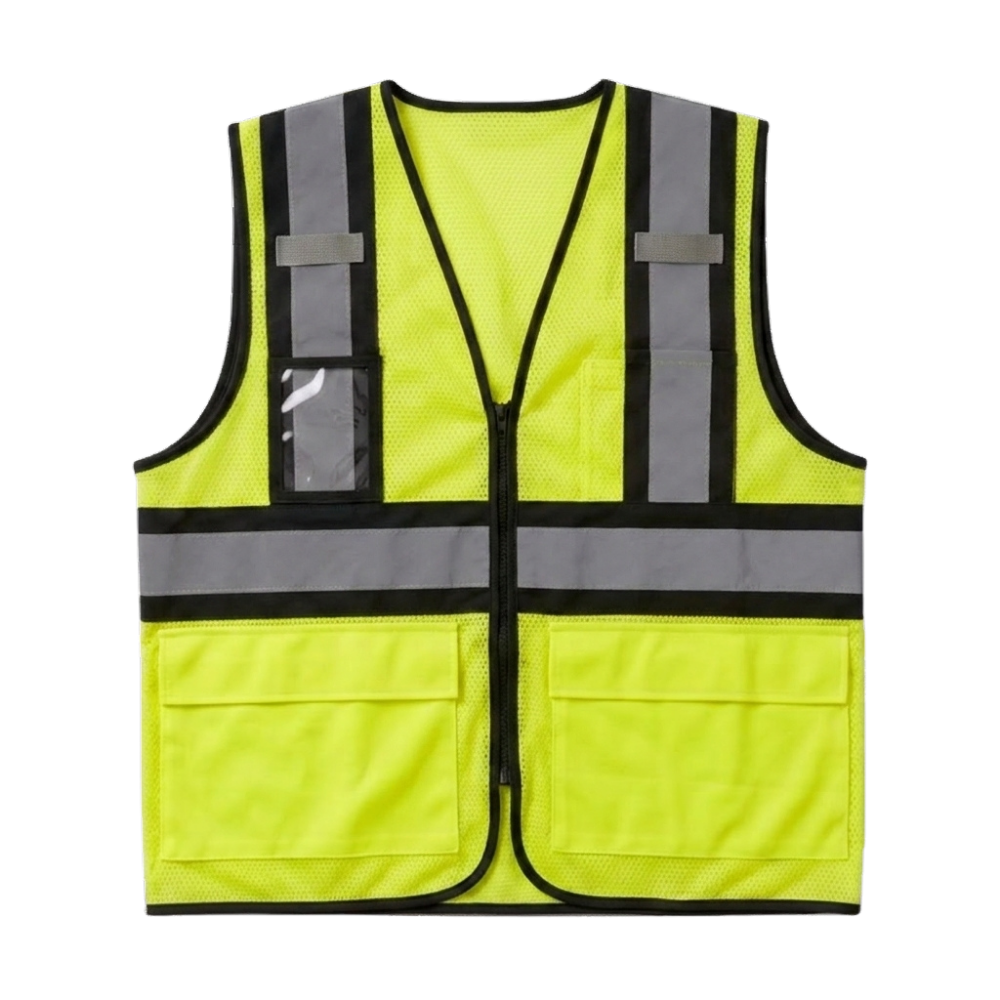
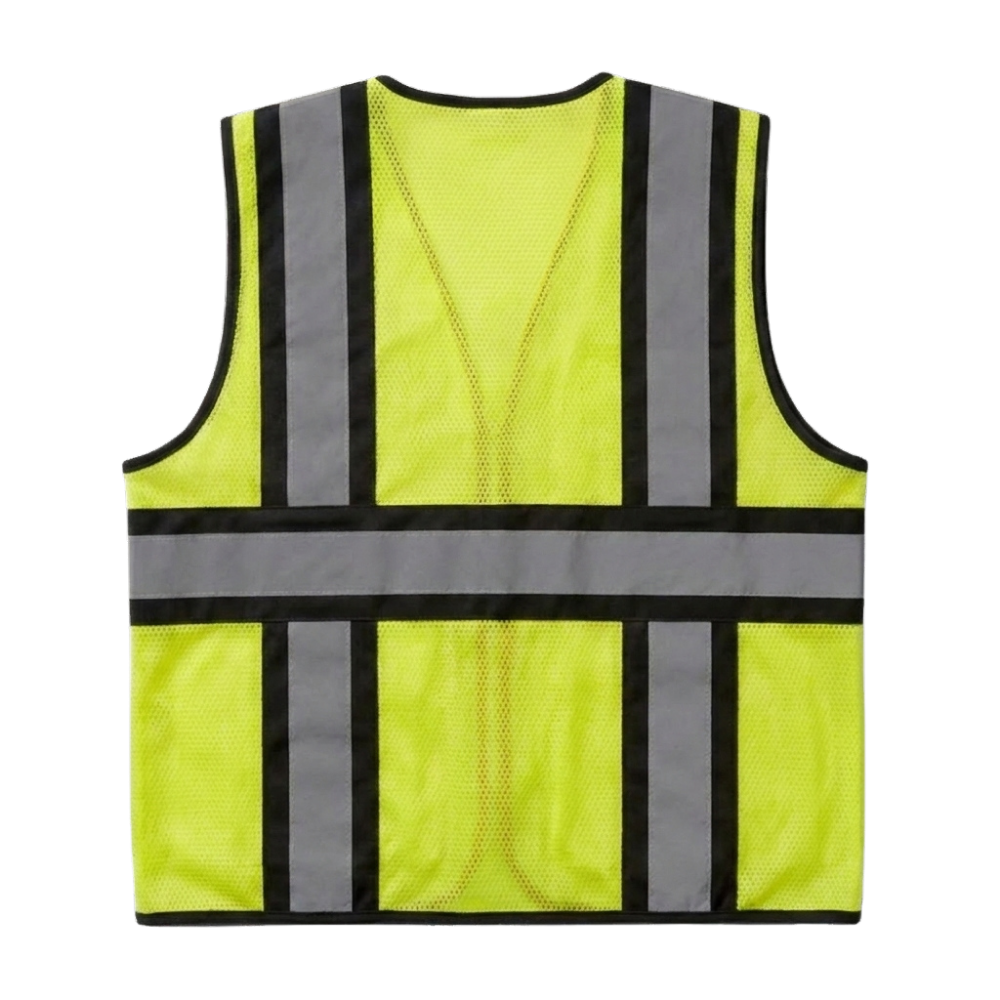
Black Hi-Vis Executive Safety Vest
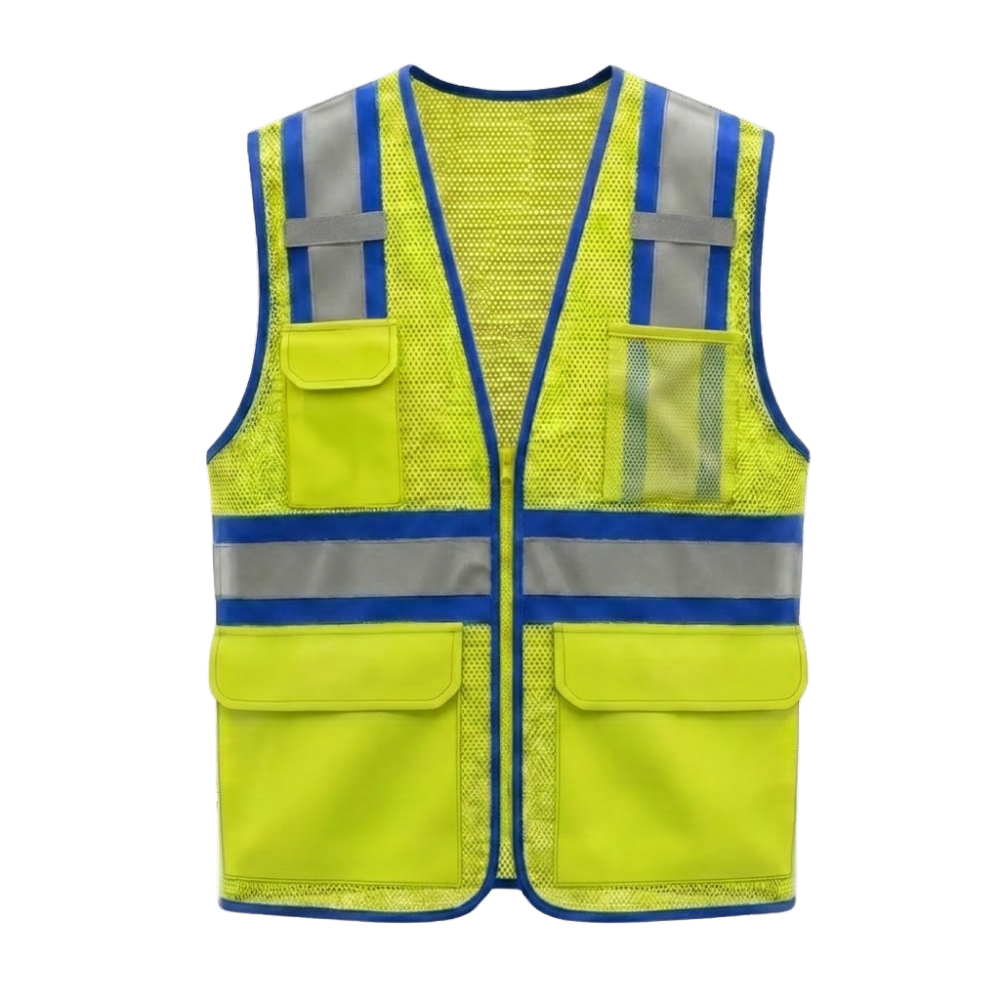
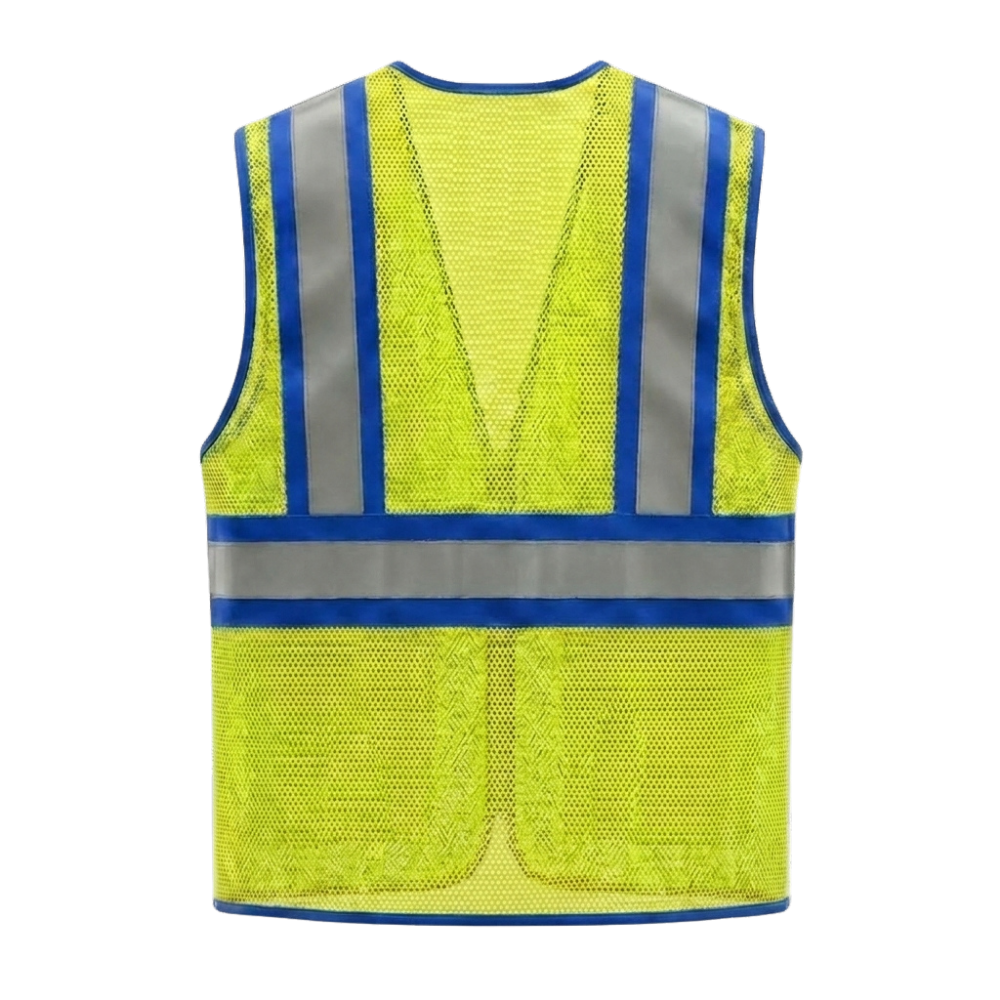
Blue Hi-Vis Executive Safety Vest
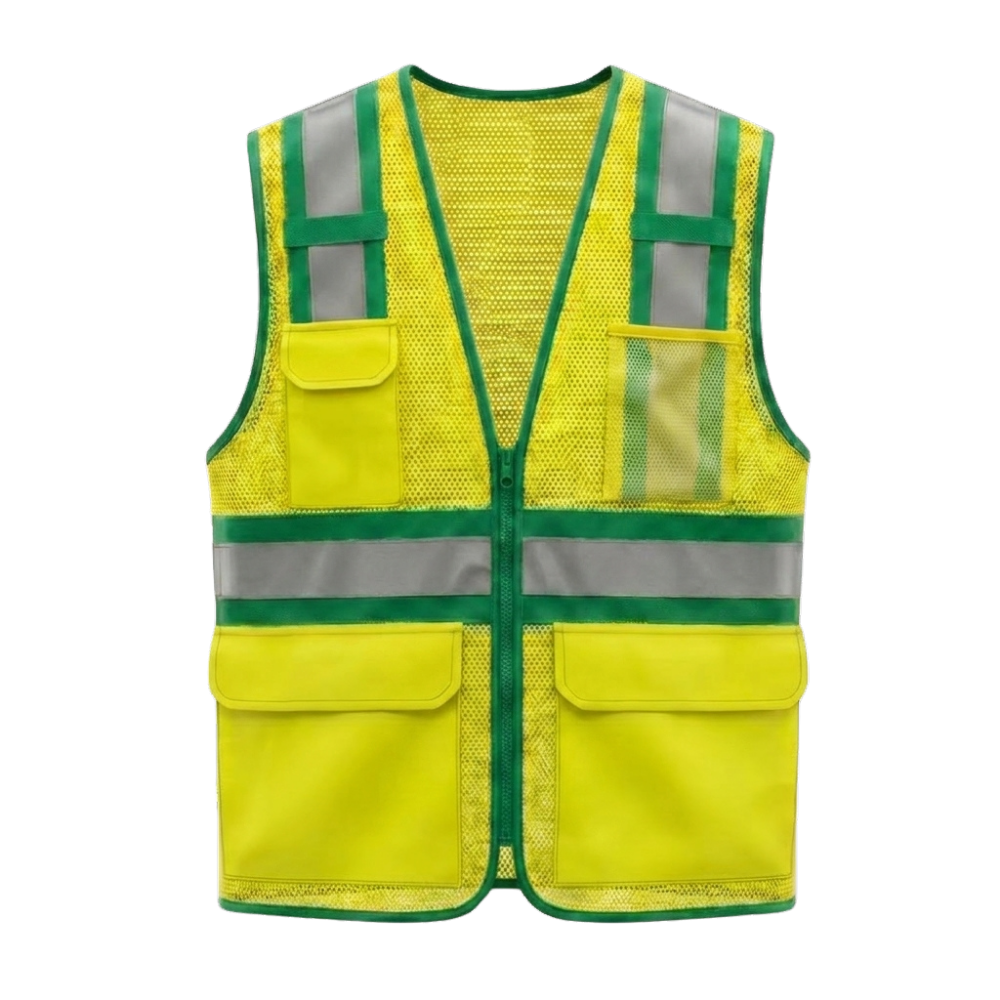
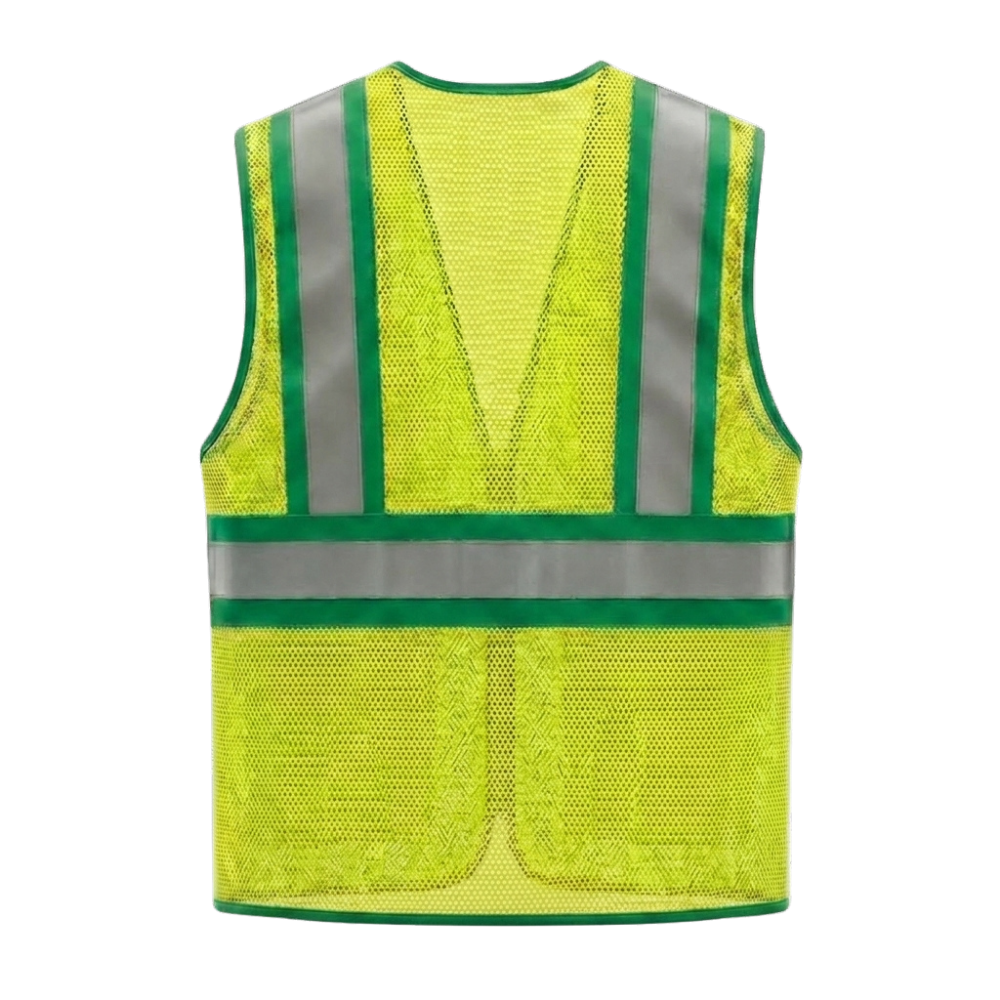
Green Hi-Vis Executive Safety Vest
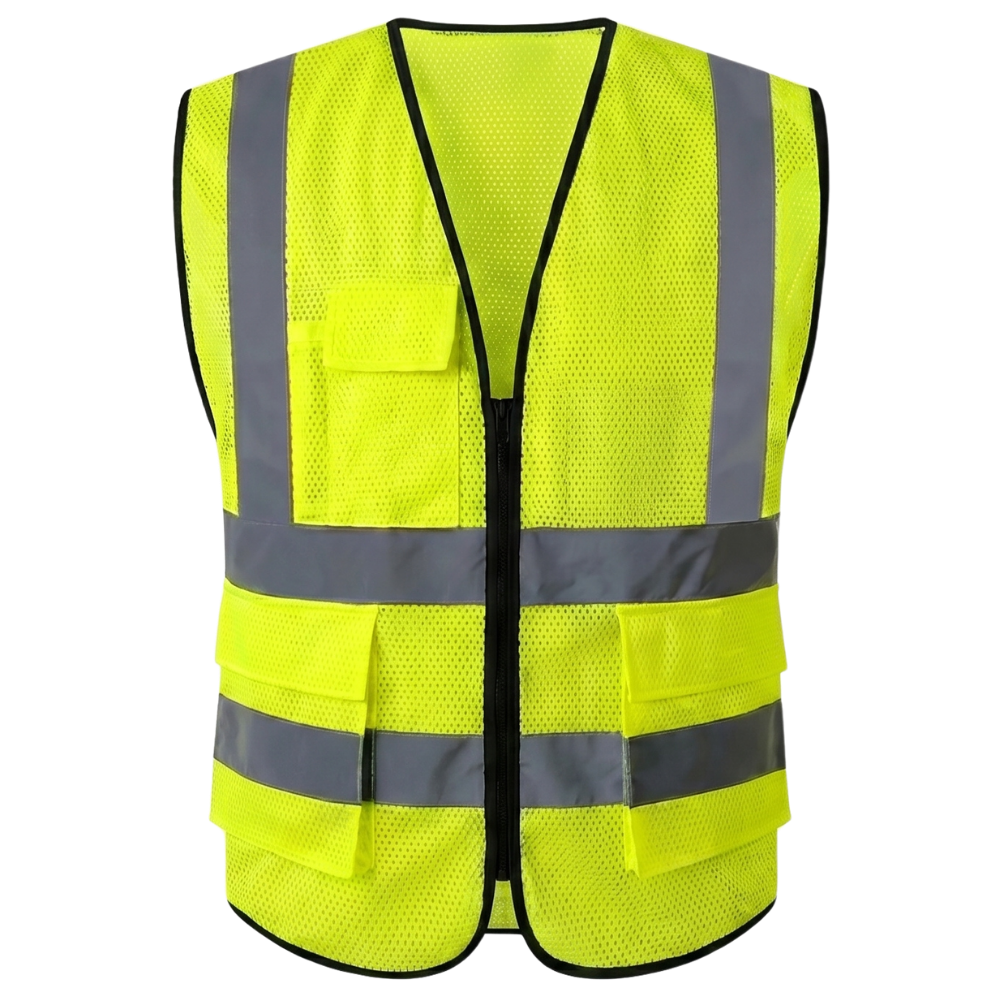
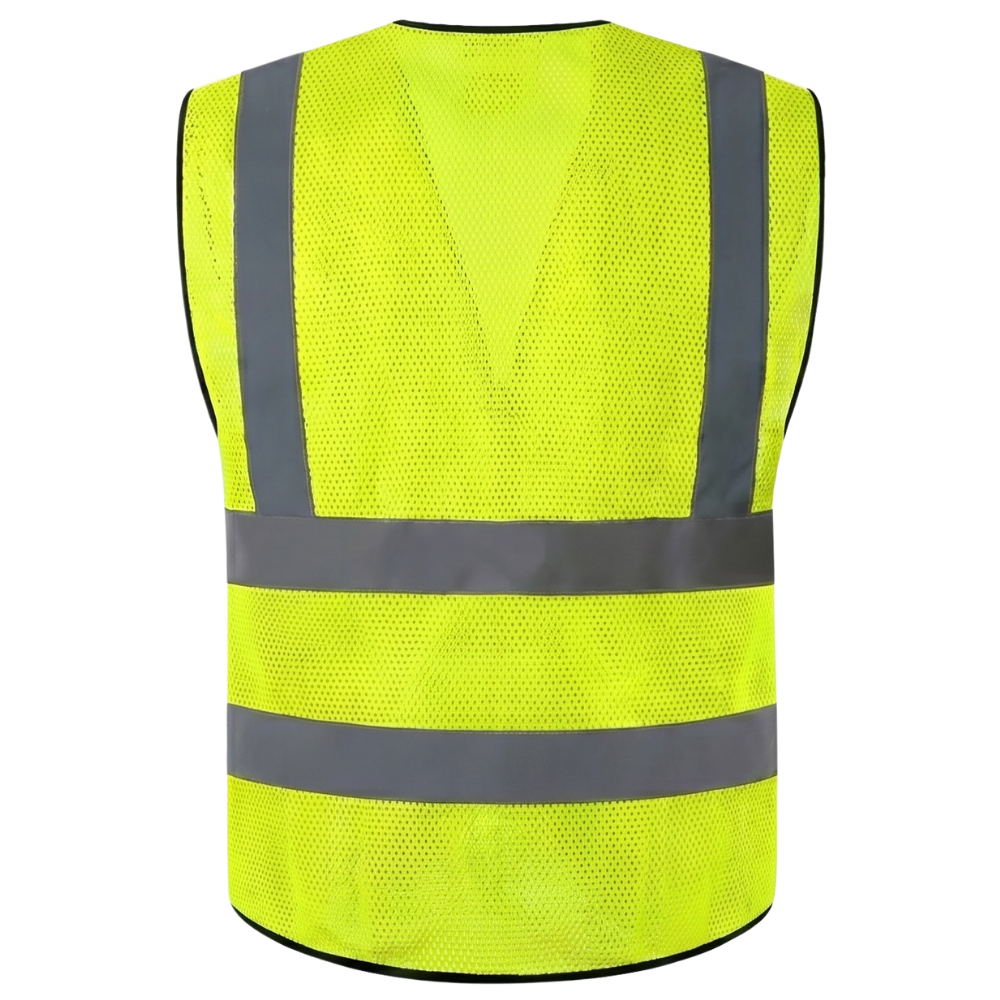
High-Brightness Safety Vest | CE/ANSI Certified | For Delivery Partners/Drivers
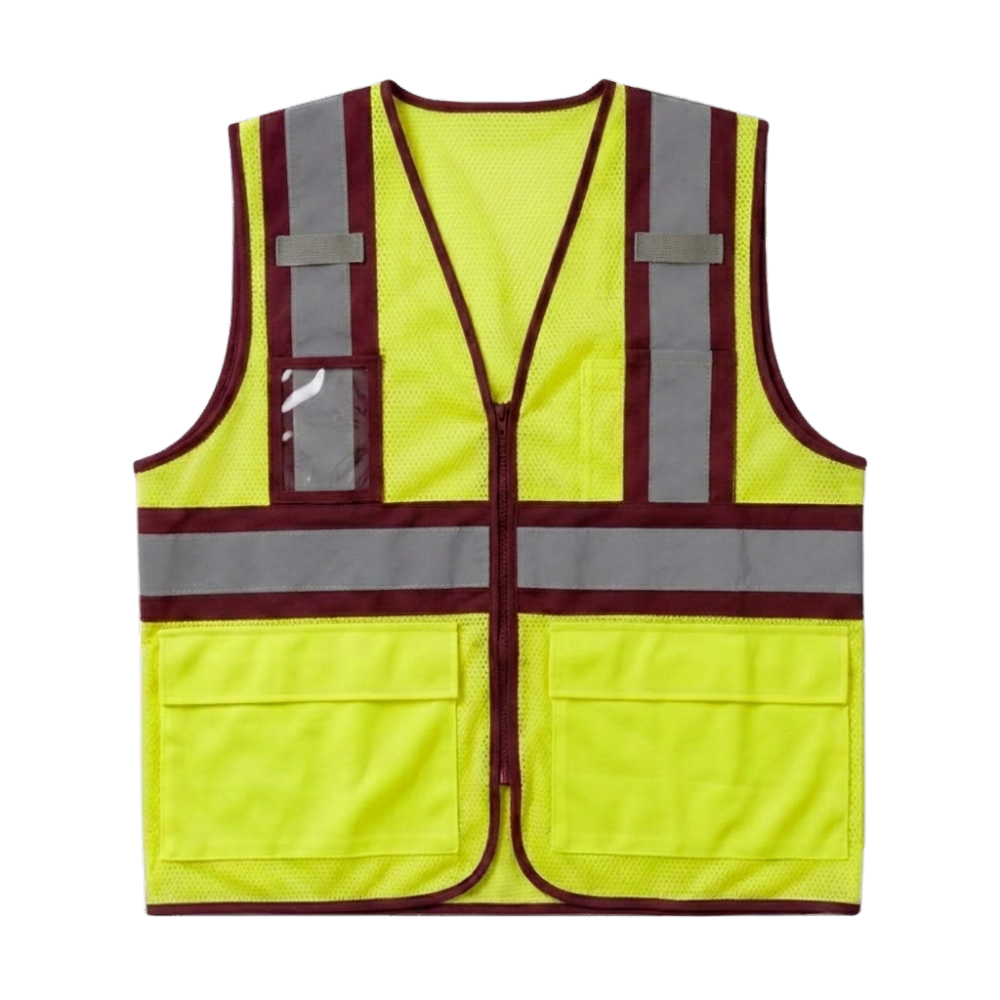
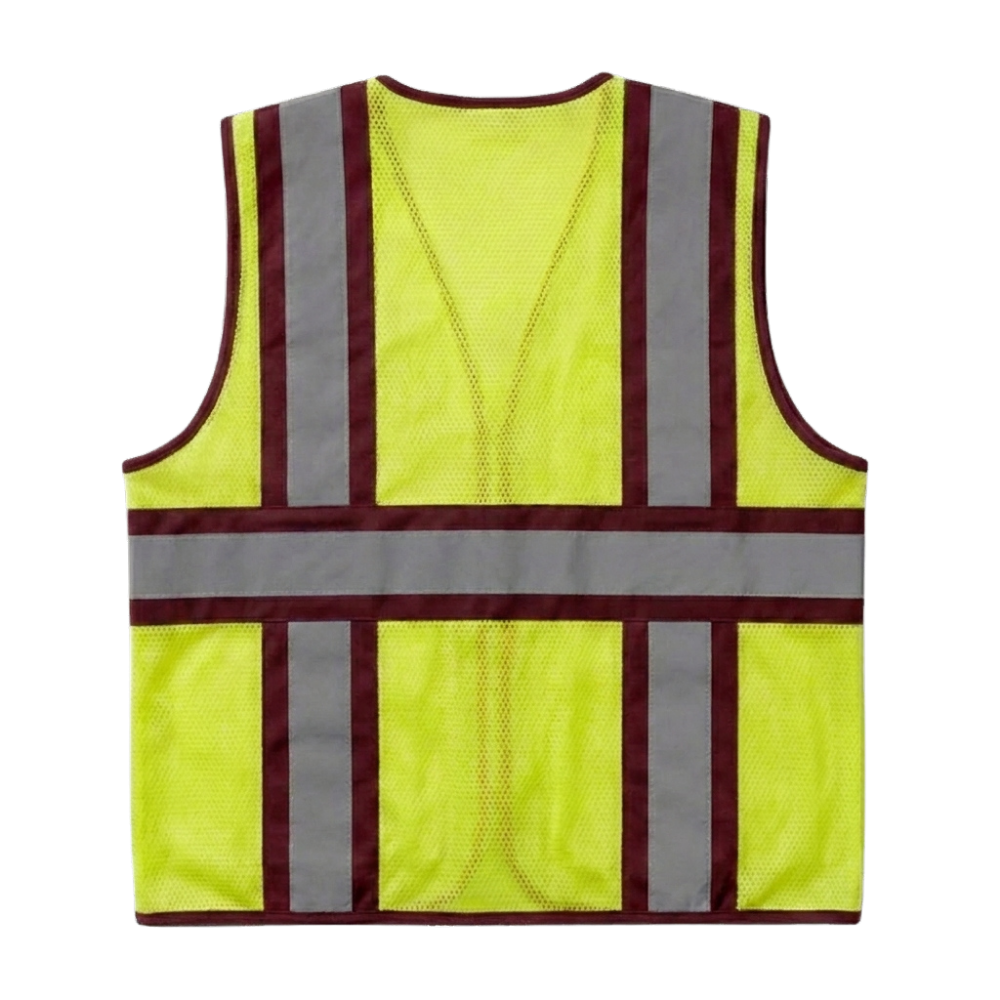
Maroon Hi-Vis Executive Safety Vest
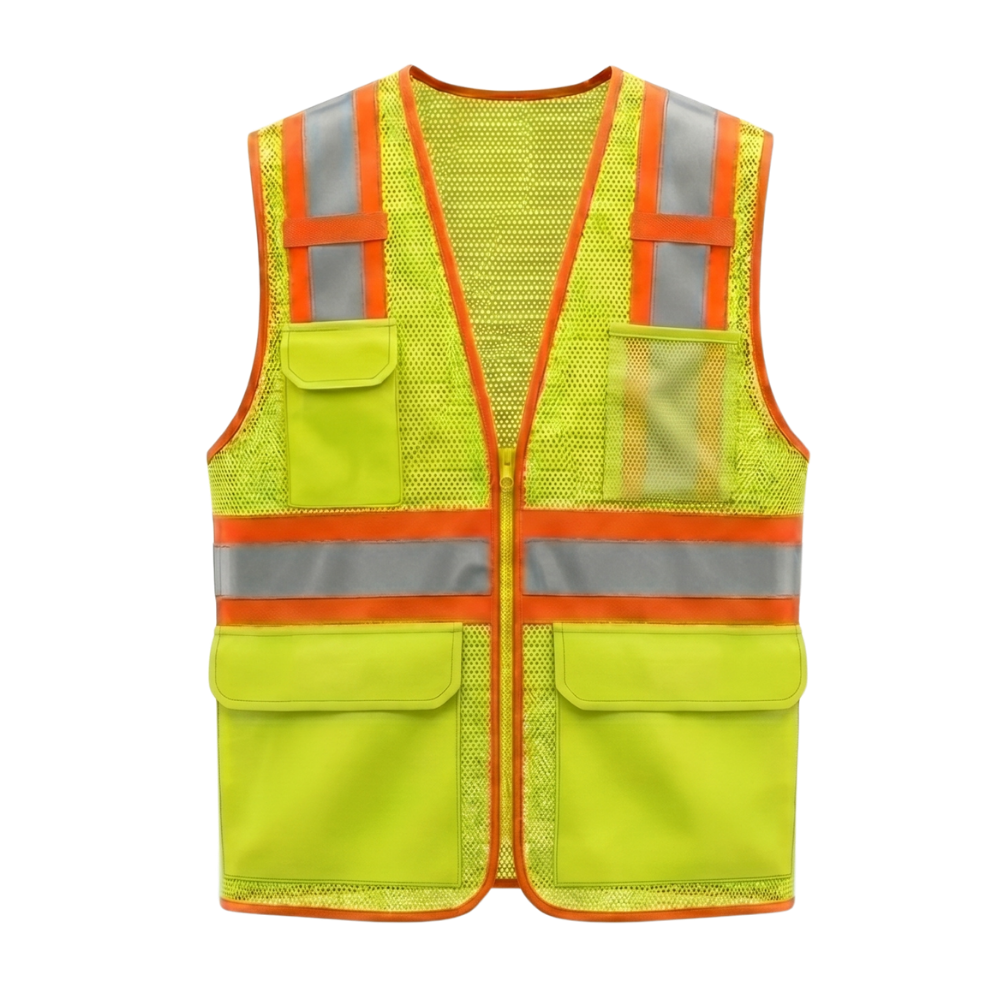
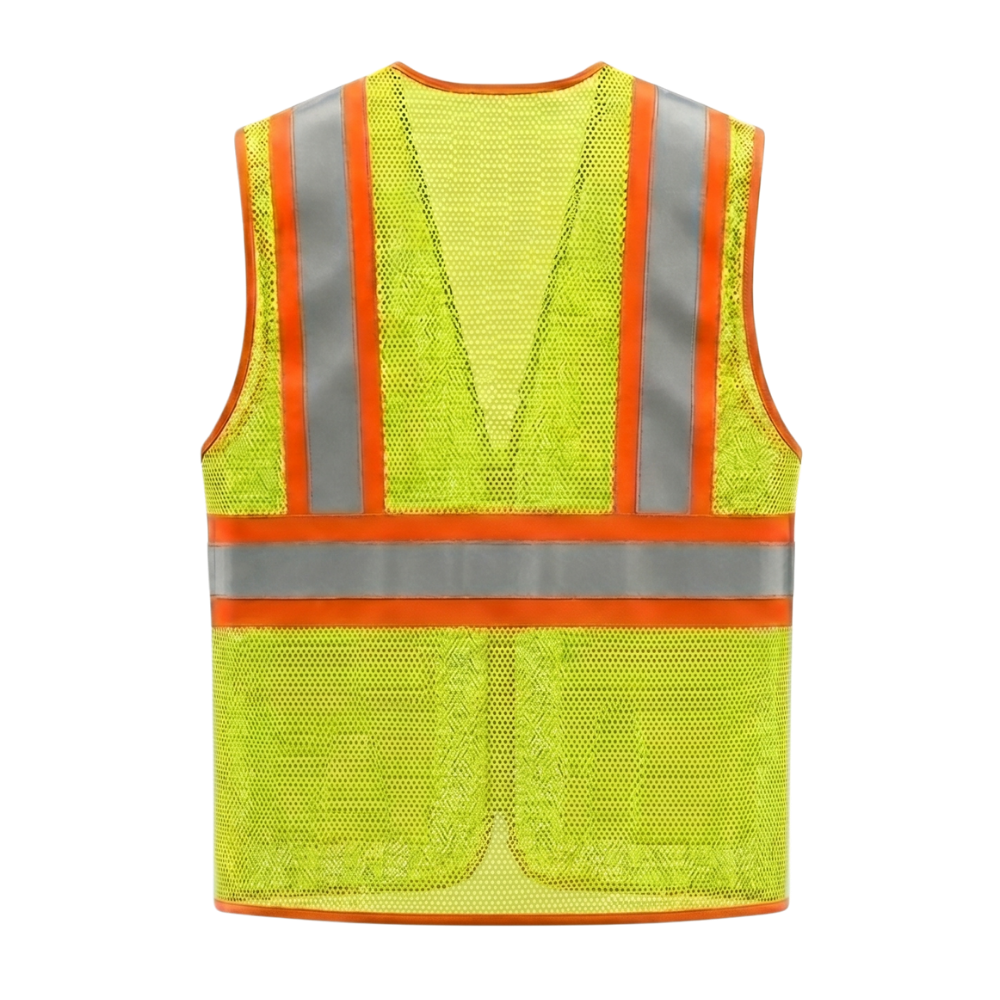
Orange Hi-Vis Executive Safety Vest
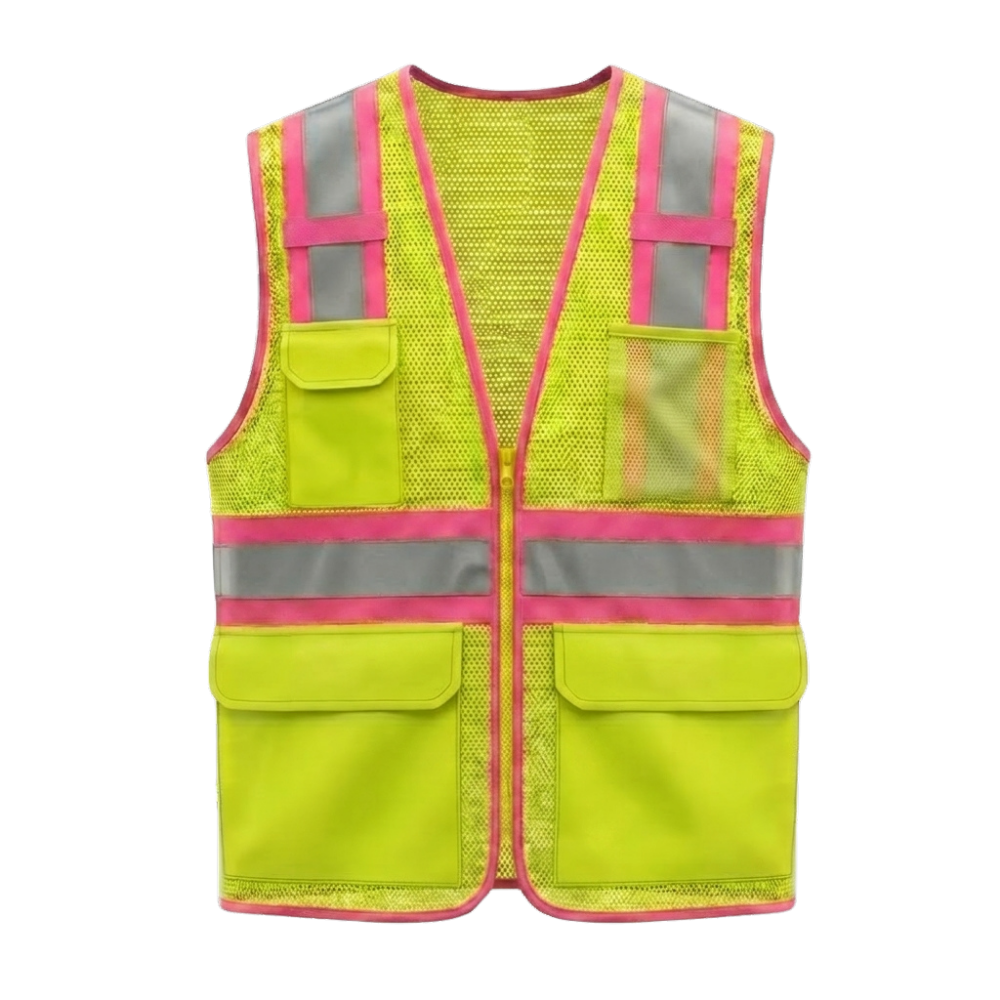
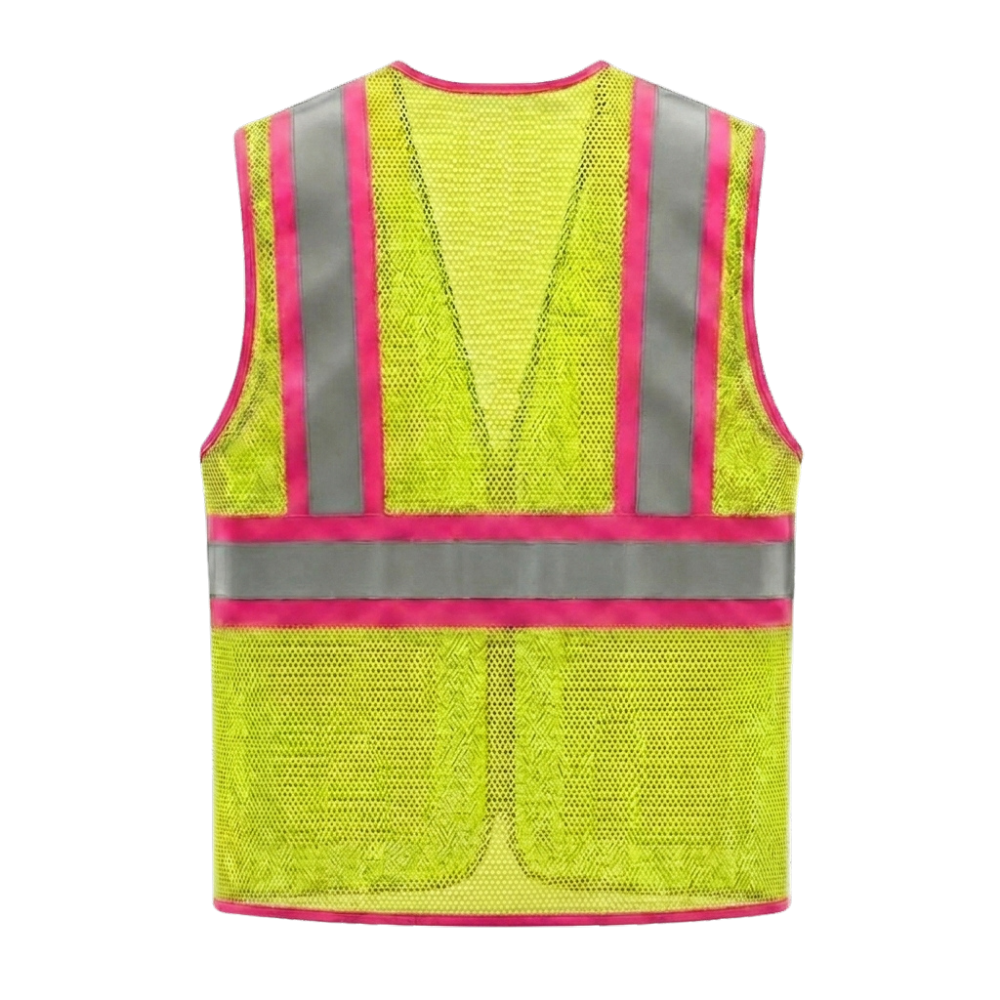
Pink Hi-Vis Executive Safety Vest
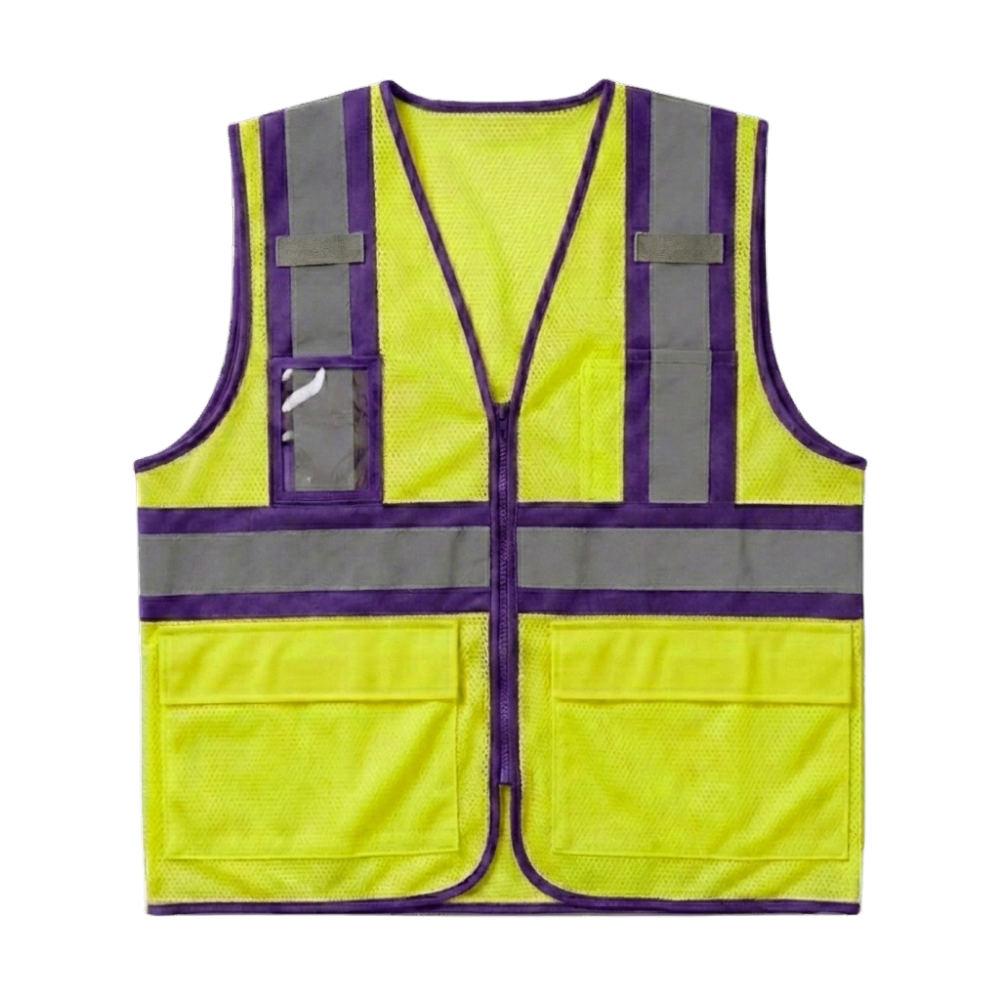
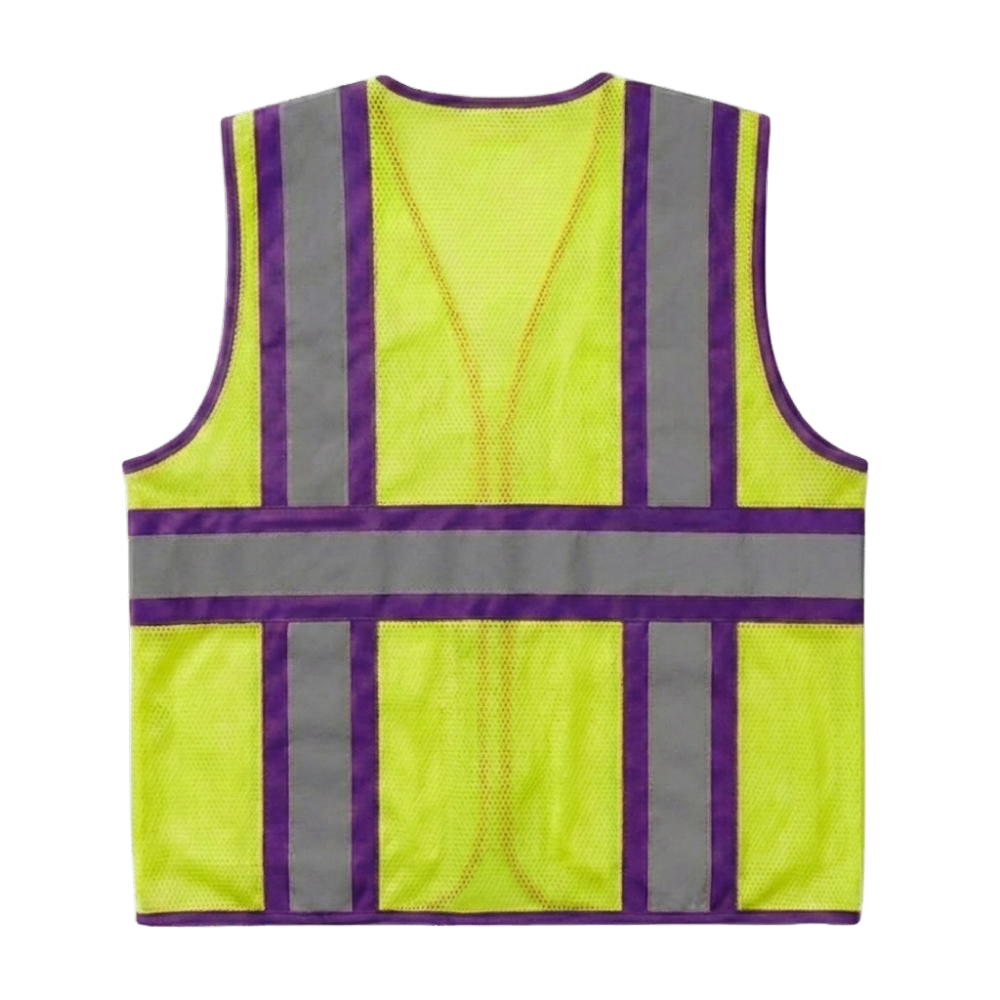
Purple Hi-Vis Executive Safety Vest
Red Hi-Vis Executive Safety Vest