






Why Every Engineer Needs a Safety Vest – Top Benefits, Essential Features, and How to Choose the Perfect One
A junior civil engineer arrived on a busy highway precinct, clipboard in hand, ready to inspect the new drainage layout. He walked straight into the traffic lane because his jacket didn’t stand out against the sea of orange‑red traffic cones. Within minutes a driver braked hard, a near‑miss was logged, and the site manager was left fielding a safety audit that could have turned into a hefty fine.
That split‑second lapse shows exactly why an engineer’s safety vest isn’t a fashion statement – it’s a legal requirement and a practical tool that can mean the difference between a smooth inspection and a shutdown. Below we break down the real‑world benefits, the features that make a vest compliant in every Australian jurisdiction, and a quick guide to picking the right one for any engineering role.
The Bottom‑Line Benefits for Engineers
| Benefit | What it means on a worksite |
|---|---|
| Visible protection | Keeps you seen by plant operators, traffic controllers and truck drivers, reducing the risk of slip‑throughs and collisions. |
| Regulatory compliance | Meets AS/NZS 4602.1, AS/NZS 1906.4 and AS 1742.3 requirements, stopping costly stop‑work notices from SafeWork NSW or WorkSafe Victoria. |
| Professional credibility | A correctly classed hi‑vis vest signals you understand site safety culture – clients and contractors take you seriously. |
| Multi‑task durability | Tough fabrics survive the rigours of construction, mining and event set‑ups, so you don’t need a spare every month. |
| Custom branding | Shows your company logo or project name without compromising safety, helping visitors identify your team instantly. |
Essential Features – What Makes a Vest “Engineer‑Ready”?
-
Correct class for the task
Class D for daytime construction, Class N for night, Class D/N when you swing between shifts, and Class R for road‑work or traffic‑control zones. Using the wrong class can trigger an audit breach. -
Fluorescent base colours – only fluorescent yellow‑green or orange‑red are approved under AS 1742.3.
-
Reflective tape meeting AS/NZS 1906.4 – minimum 50 mm width, encircling the torso, with at least 800 mm² of tape on each side. This ensures visibility from 200 m in low light.
-
Robust material – a 300 g/m² polyester‑cotton blend with reinforced stitching survives the wear and tear of site labs, scaffolding and heavy‑gear storage.
-
Secure closure – heavy‑duty zippers or hook‑and‑loop fasteners that stay shut when you’re leaning, climbing or bending.
-
Colour‑fastness – UV‑treated fabric that won’t fade after a few weeks in the sun, keeping the vest compliant for its full service life.
How to Choose the Perfect Vest – A Step‑by‑Step Checklist
Engineer’s Hi‑Vis Vest Checklist
- [ ] Identify the primary work environment (construction site, roadwork, indoor plant, event venue).
- [ ] Match the vest class (D, N, D/N, R) to the site’s lighting and traffic conditions.
- [ ] Verify fluorescent base colour and reflective tape width (≥50 mm) against AS/NZS 1906.4.
- [ ] Check that tape encircles the torso completely – no gaps at the sides.
- [ ] Confirm fabric is UV‑treated and meets the 300 g/m² weight spec.
- [ ] Look for reinforced seams and durable closures.
- [ ] If branding is required, ensure the logo placement does not cover reflective areas (see “Where Sites Go Wrong”).
- [ ] Order a sample and conduct a 20‑metre visibility test under low‑light conditions.
Follow the checklist before signing any purchase order, and you’ll sidestep the most common compliance headaches.
Where Sites Go Wrong – Real Mistakes Engineers Spot
- Wrong vest class – Engineers often wear a Class D vest on night shifts, leaving them invisible to forklift operators.
- Faded hi‑vis – Cheap imports lose fluorescence after a few washes, breaching AS 1742.3.
- Non‑compliant tape – Using decorative reflective strips narrower than 50 mm or stitching them only on the front fails AS/NZS 1906.4.
- Incorrect branding placement – Logos printed over the reflective band cut the tape’s visibility, a frequent slip that leads to non‑conformance notices.
- Poor fit – An oversized vest rides up, exposing non‑reflective skin; an undersized one rides down, leaving the back uncovered.
Spotting these issues early saves you from stop‑work orders and the embarrassment of a failed audit.
Industry Snapshots – How Engineers Use Their Vests
| Sector | Typical Use | Vest Class & Feature Highlights |
|---|---|---|
| Construction | Site walkthroughs, structural inspections | Class D with high‑visibility tape; reinforced elbows for ladder work. |
| Traffic control | Road‑work supervision, lane closures | Class R, orange‑red base, full‑torso tape, reflective sleeves for side‑view detection. |
| Warehousing | Forklift routes, high‑bay storage checks | Class D/N, durable fabric, breathable panels for hot indoor environments. |
| Mining | Underground ventilation surveys, surface plant tours | Class N for low‑light tunnels, reinforced stitching, moisture‑resistant coating. |
| Events | Stage rigging, crowd‑flow monitoring | Class D/N, removable branding patches, easy‑clean fabric for quick turn‑around. |
Each scenario illustrates that the vest’s class and construction must mirror the specific hazards of the engineer’s daily tasks.
Quick Reference – Compliance Guide (internal)
For a deeper dive into the standards that govern hi‑vis wear, visit our [Compliance Guide](https://safetyvest.com.au/compliance-guide). It walks you through AS/NZS 4602.1, AS/NZS 1906.4 and the state‑specific enforcement agencies – SafeWork NSW, WorkSafe Victoria and WHS Queensland.
Getting a Custom Fit
If your project demands a logo, name‑tag or unique colour trim, Safety Vest can produce [custom safety vests](https://safetyvest.com.au/custom-safety-vests) that still meet all the Australian standards. The process starts with a digital proof, and the final product is stamped with the approved reflective tape layout, so you never sacrifice safety for branding.
Bottom line
A compliant, well‑chosen safety vest is a non‑negotiable part of an engineer’s toolbox. It protects you, keeps the site running, and guarantees you stay on the right side of AS 1742.3 and state regulators.
Ready to upgrade your site‑wear? Get in touch with our specialists today – [contact us](https://safetyvest.com.au/contact-us) for advice tailored to your engineering discipline, or explore our range of Safety Vest is part of Sands Industries, a leader in Australian‑made workwear with over 30 years of manufacturing experience.
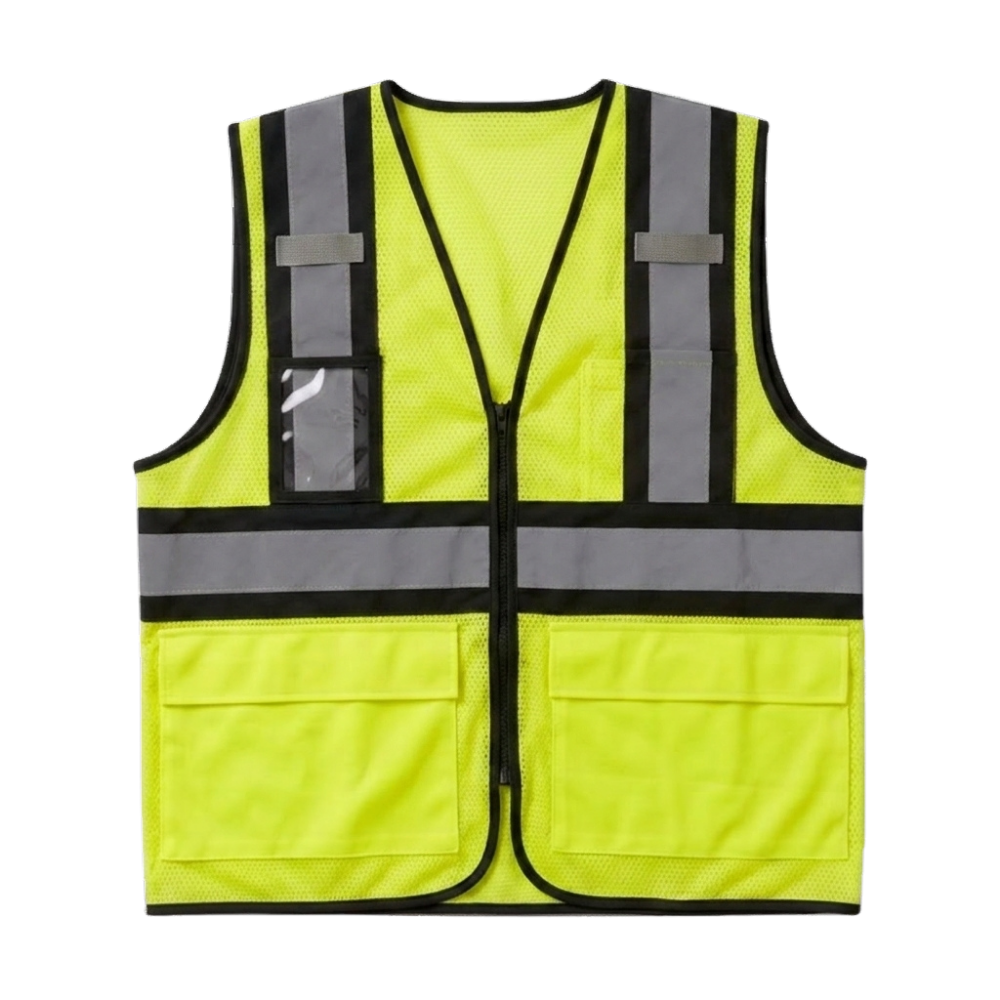
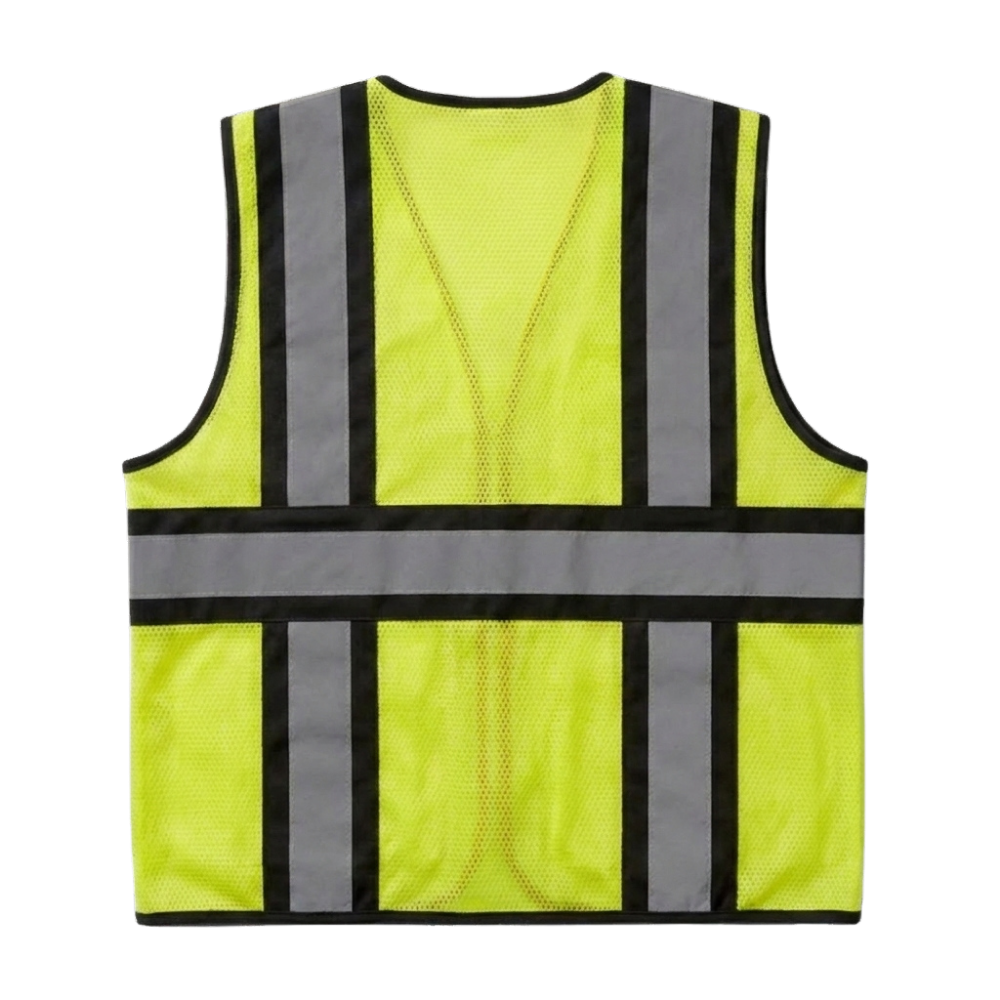
Black Hi-Vis Executive Safety Vest
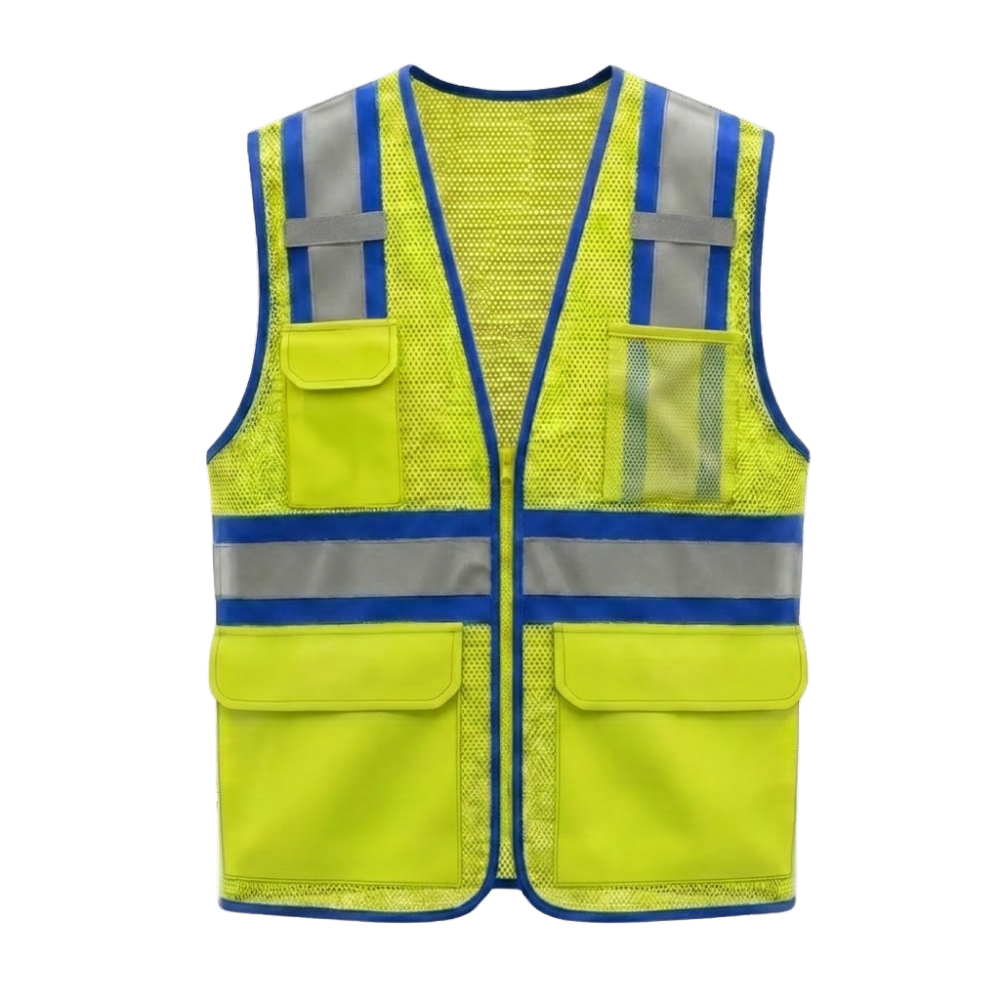
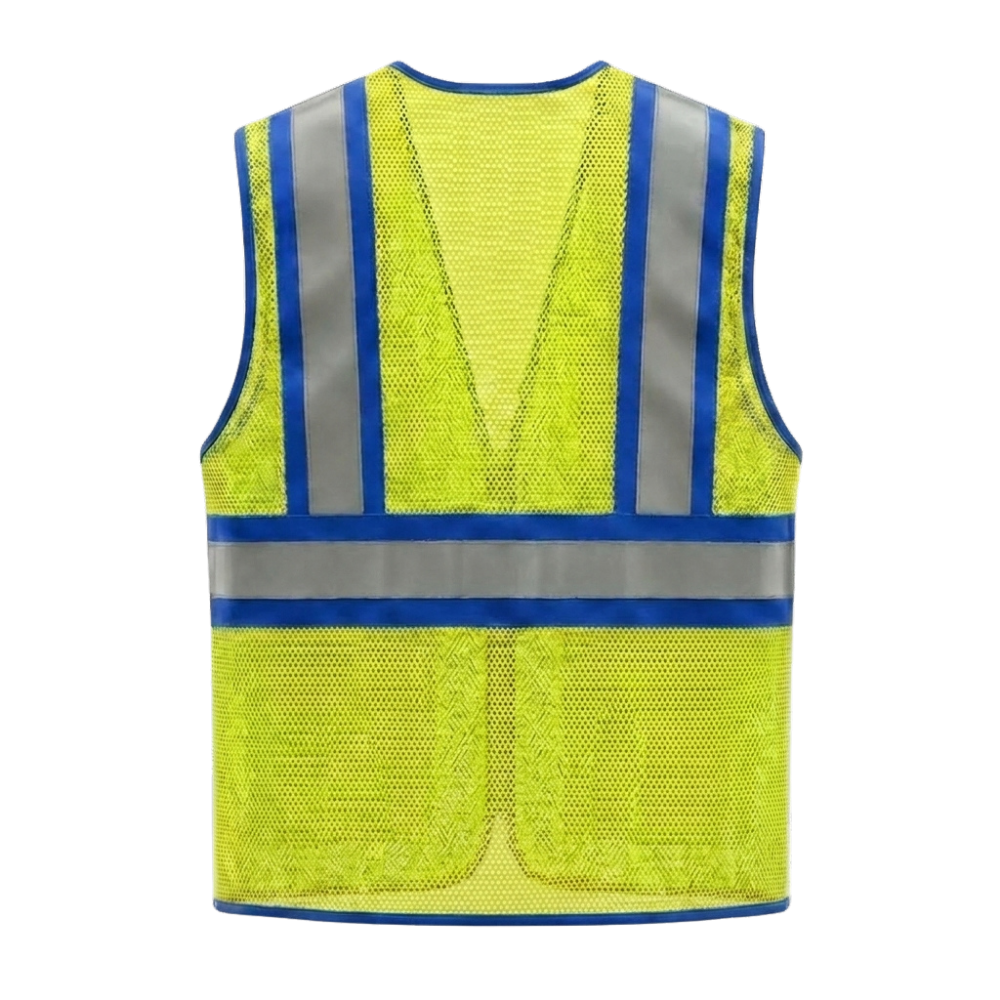
Blue Hi-Vis Executive Safety Vest
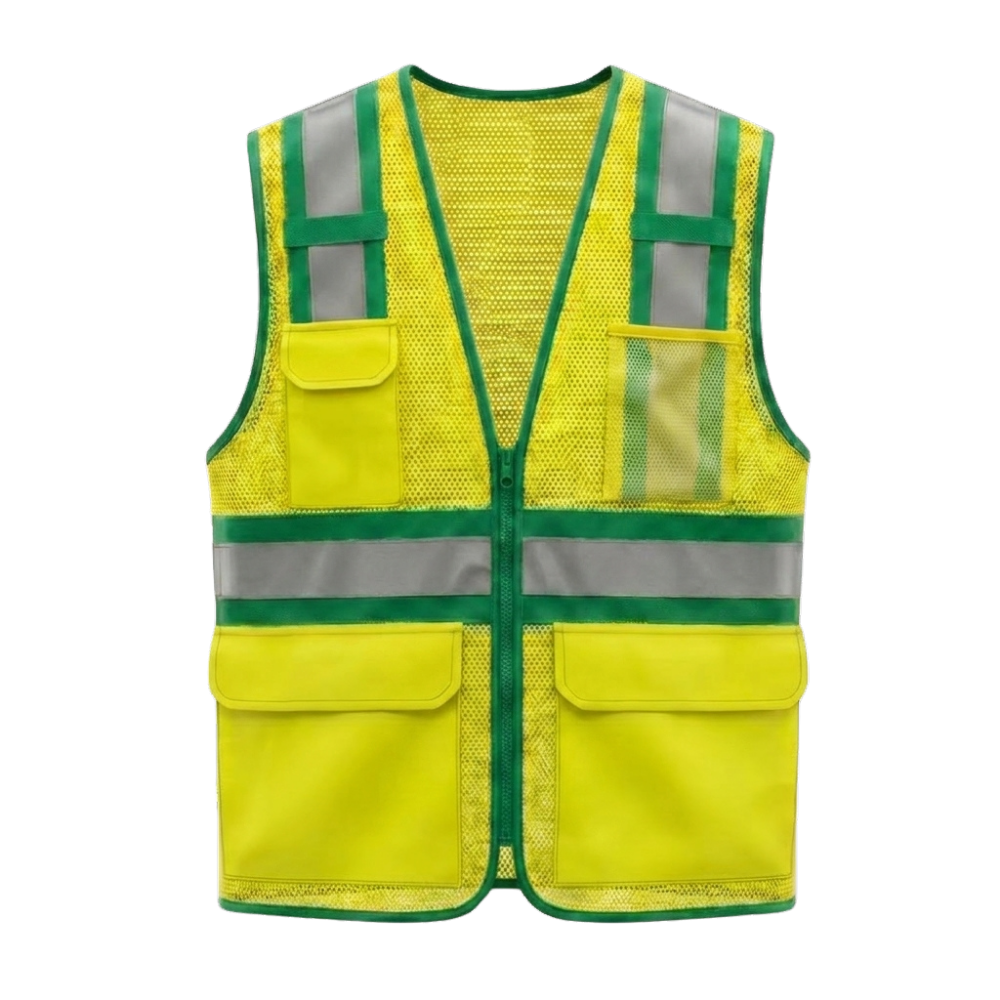
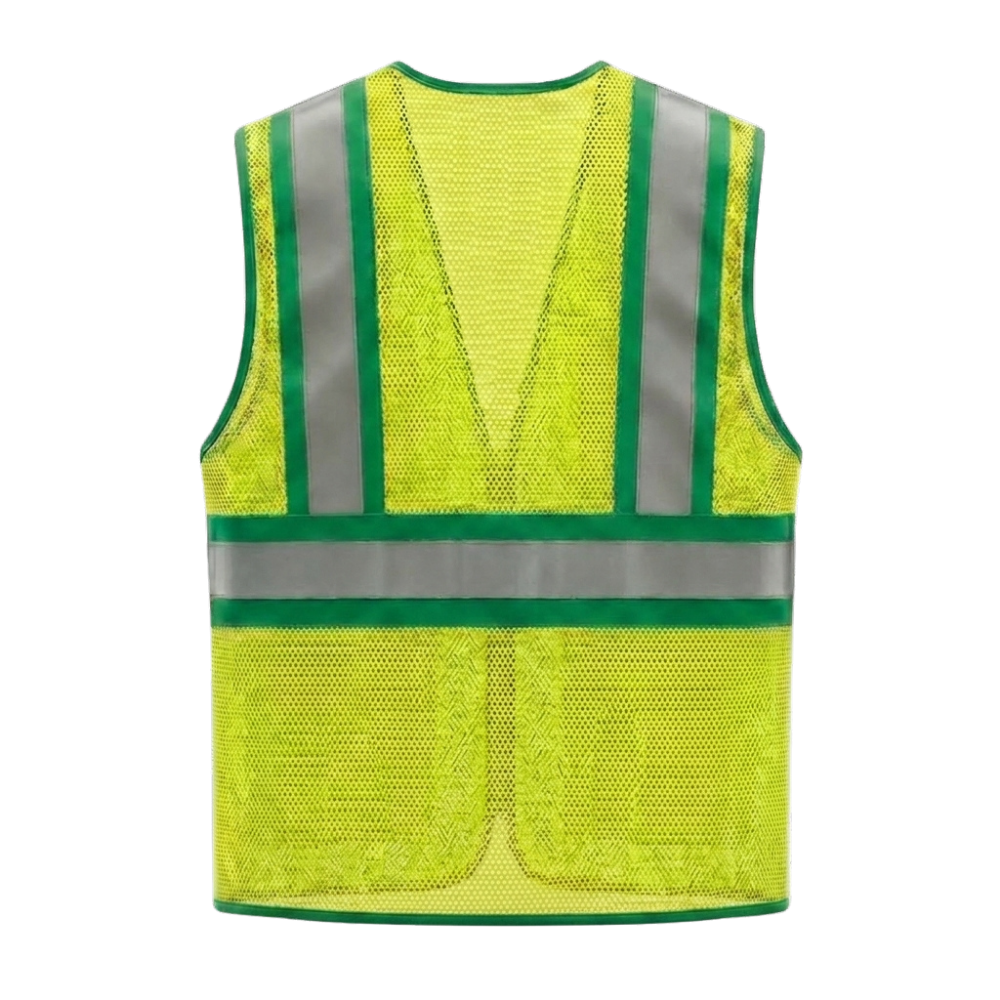
Green Hi-Vis Executive Safety Vest
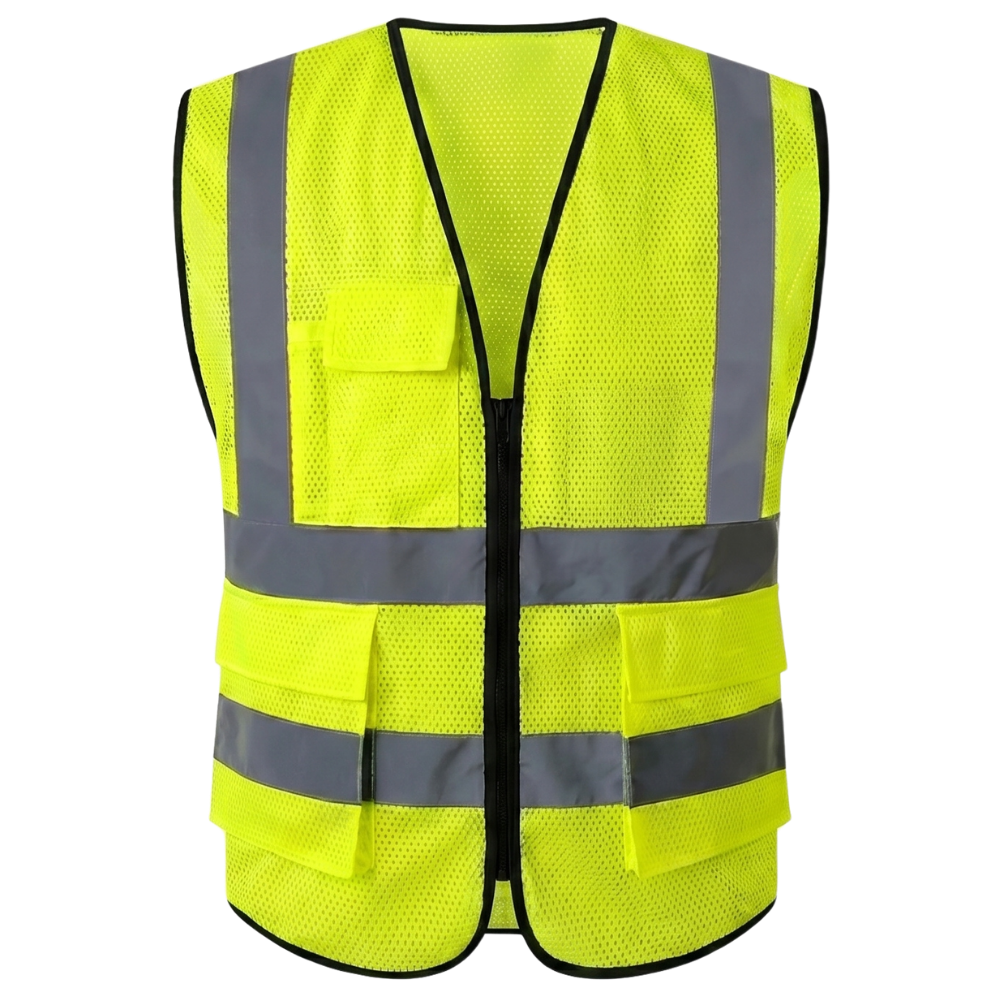
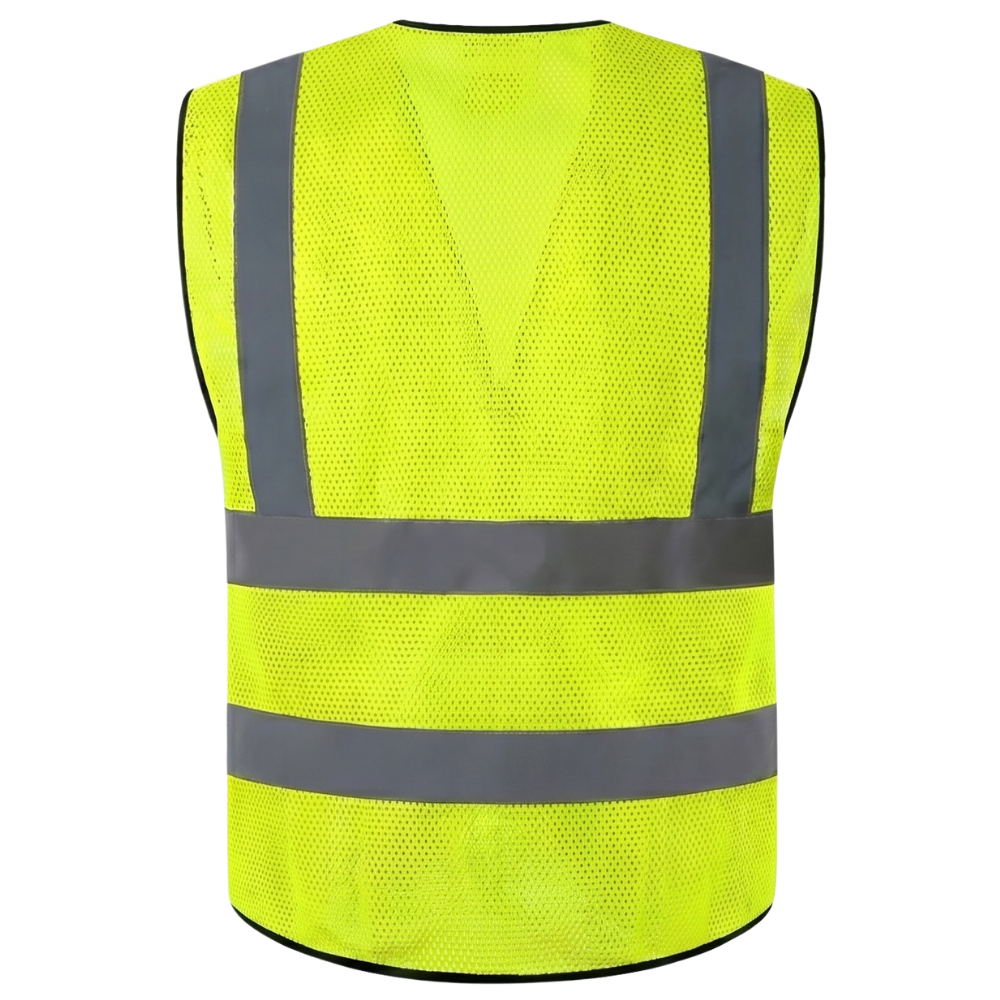
High-Brightness Safety Vest | CE/ANSI Certified | For Delivery Partners/Drivers
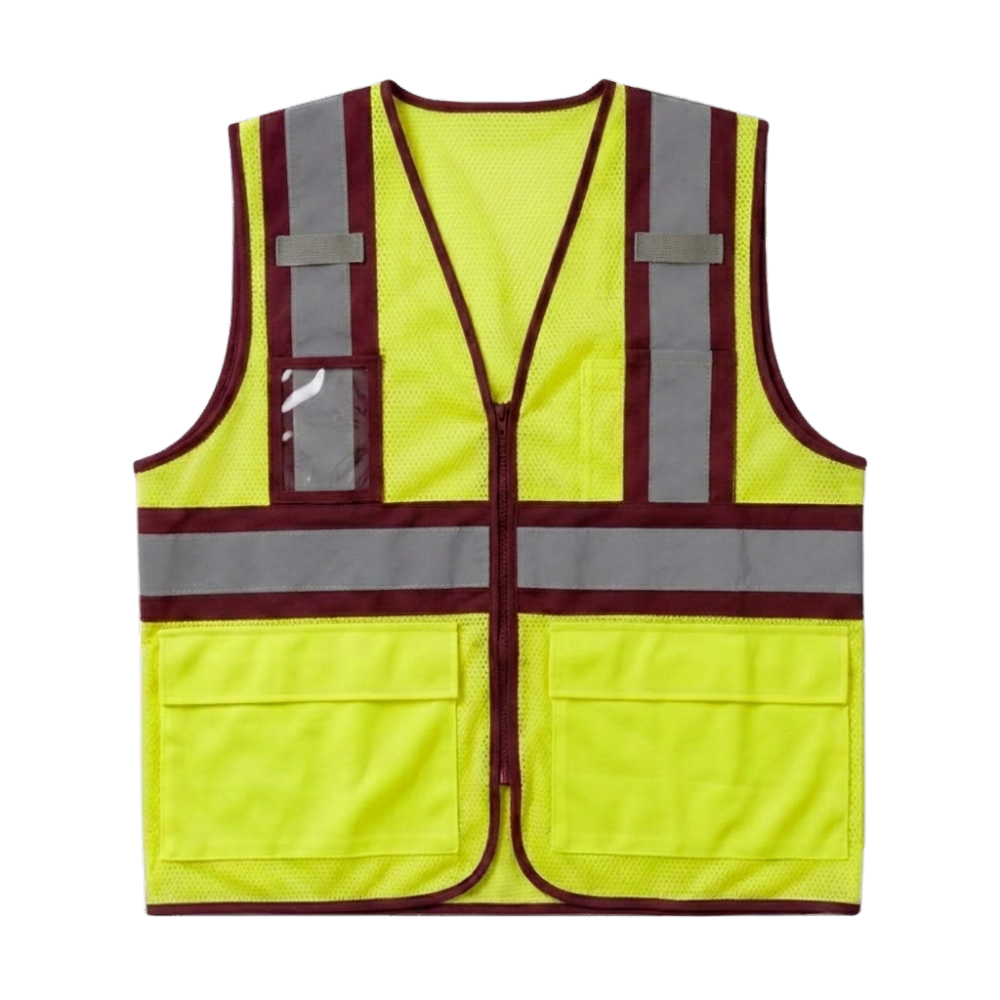
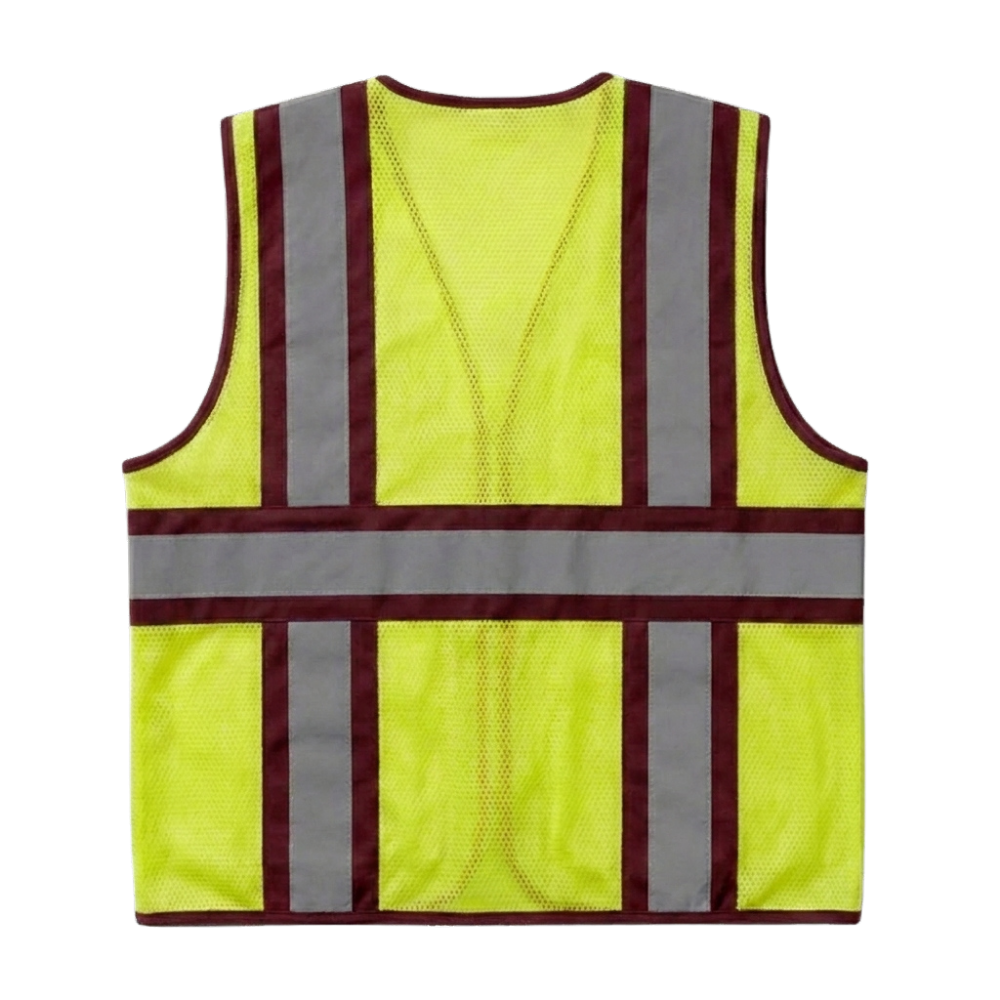
Maroon Hi-Vis Executive Safety Vest
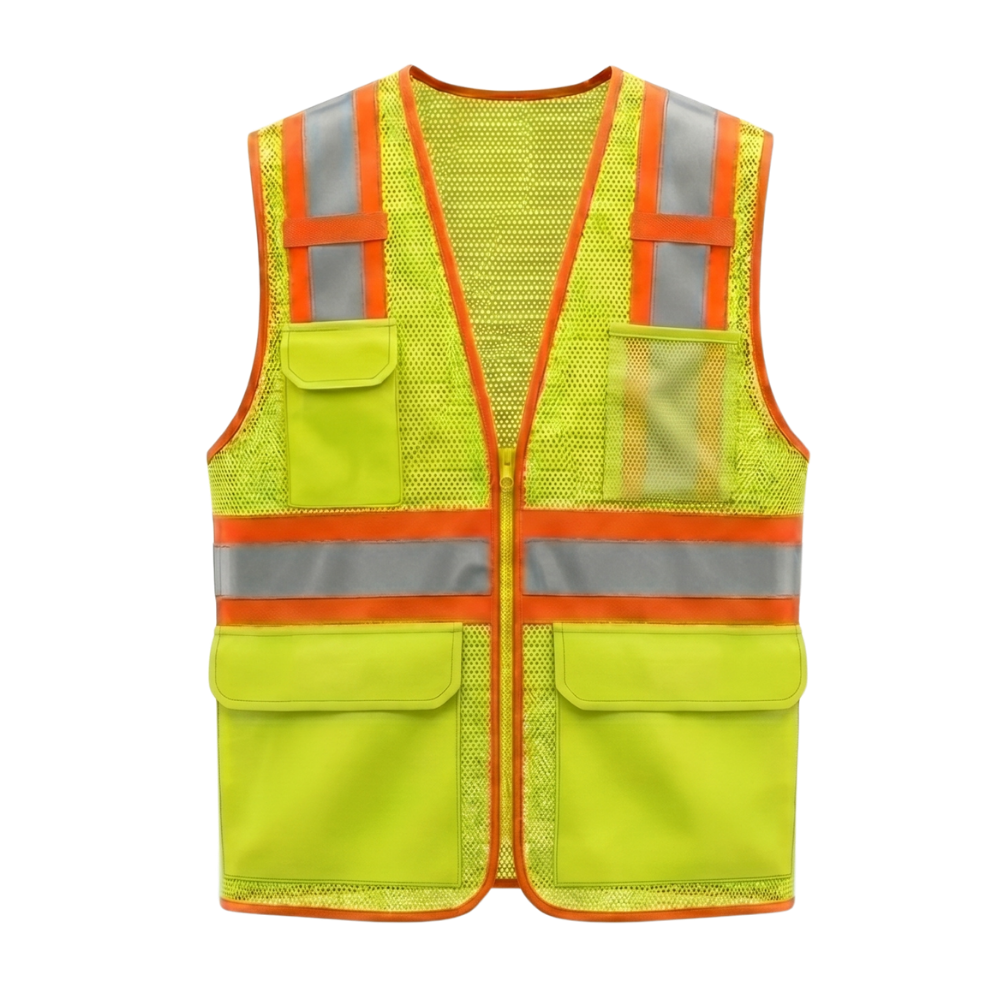
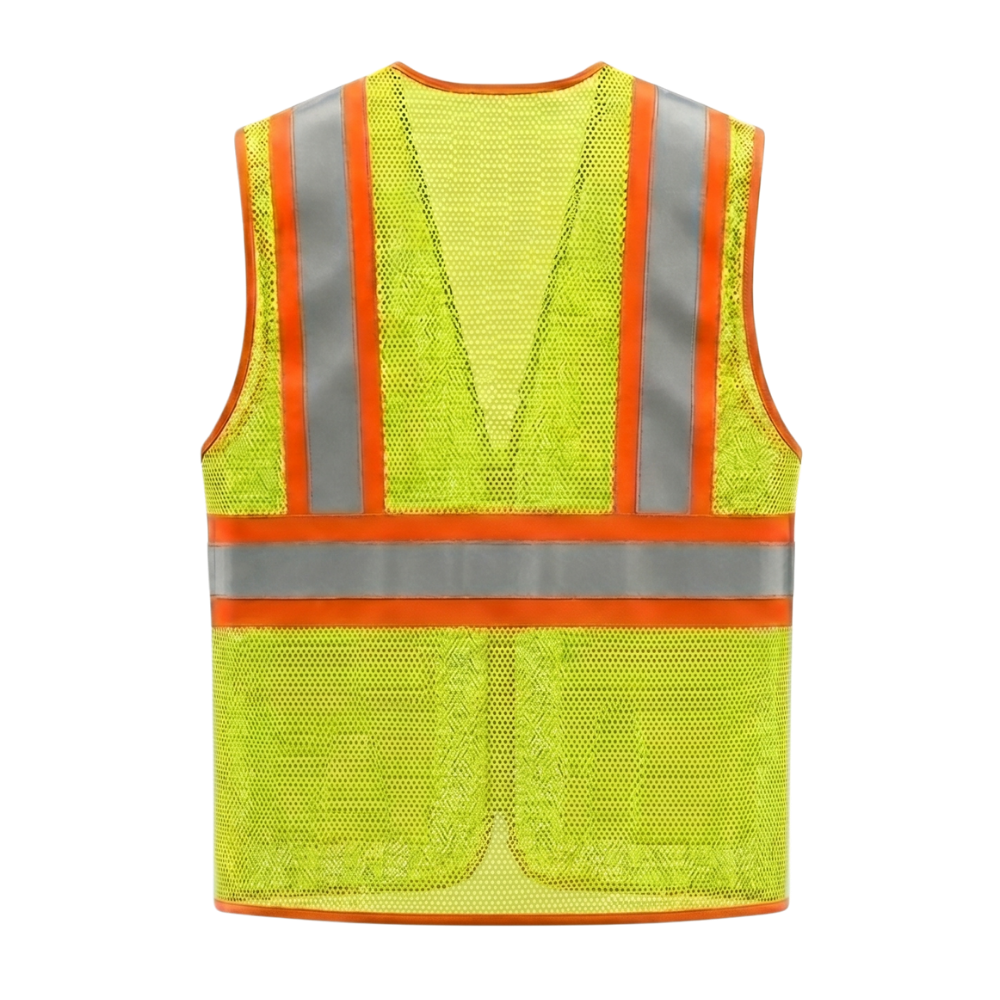
Orange Hi-Vis Executive Safety Vest
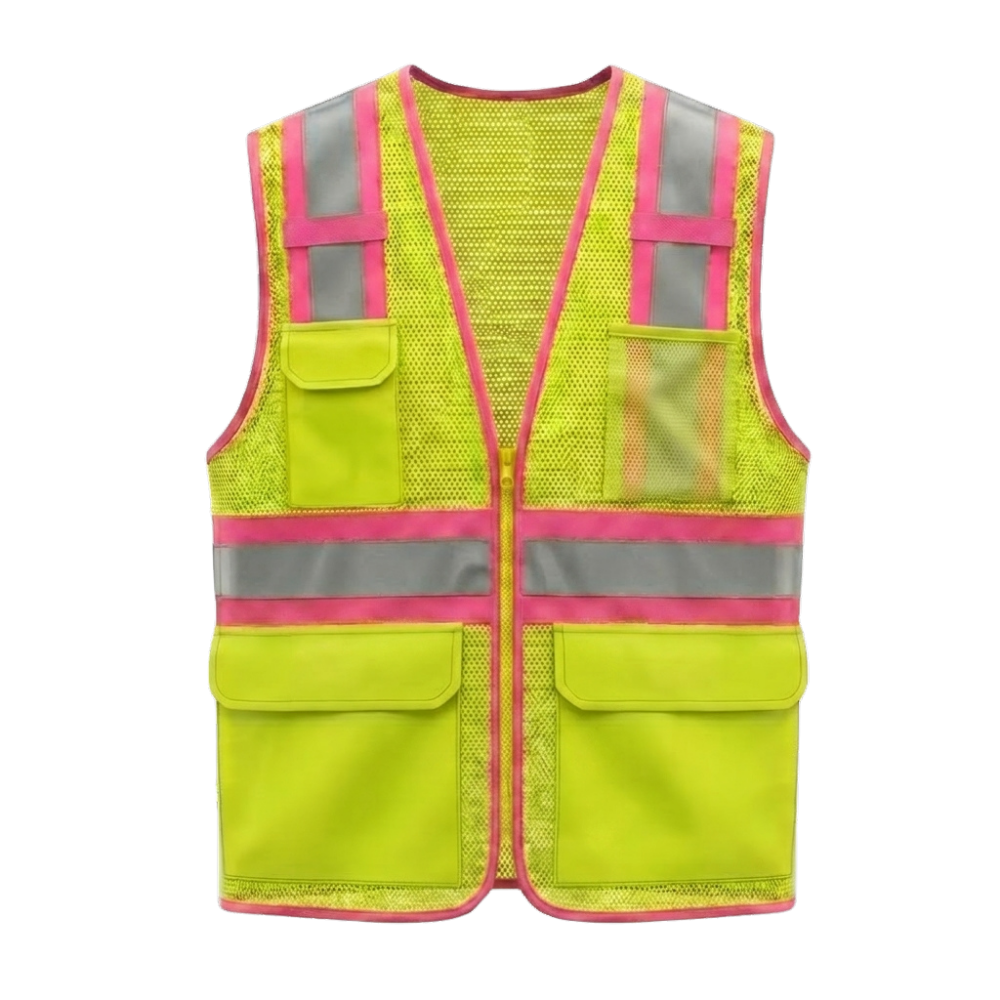
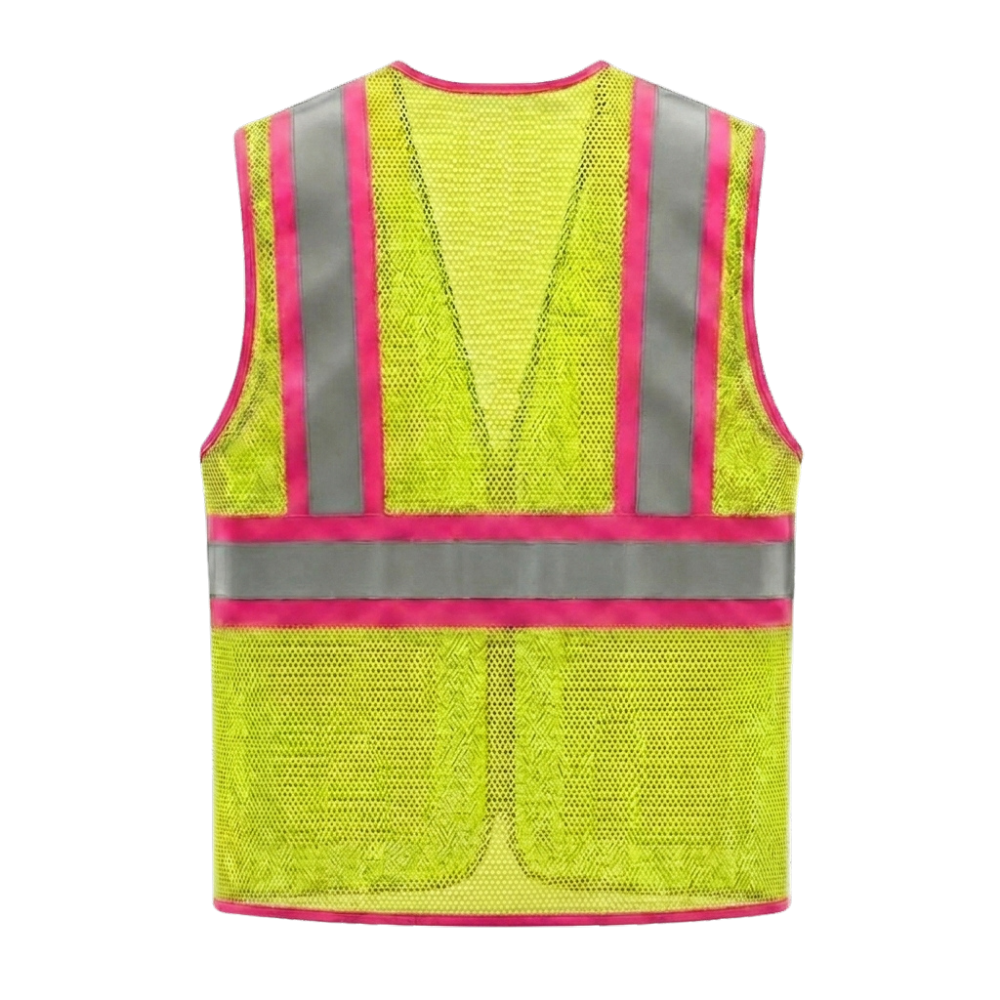
Pink Hi-Vis Executive Safety Vest
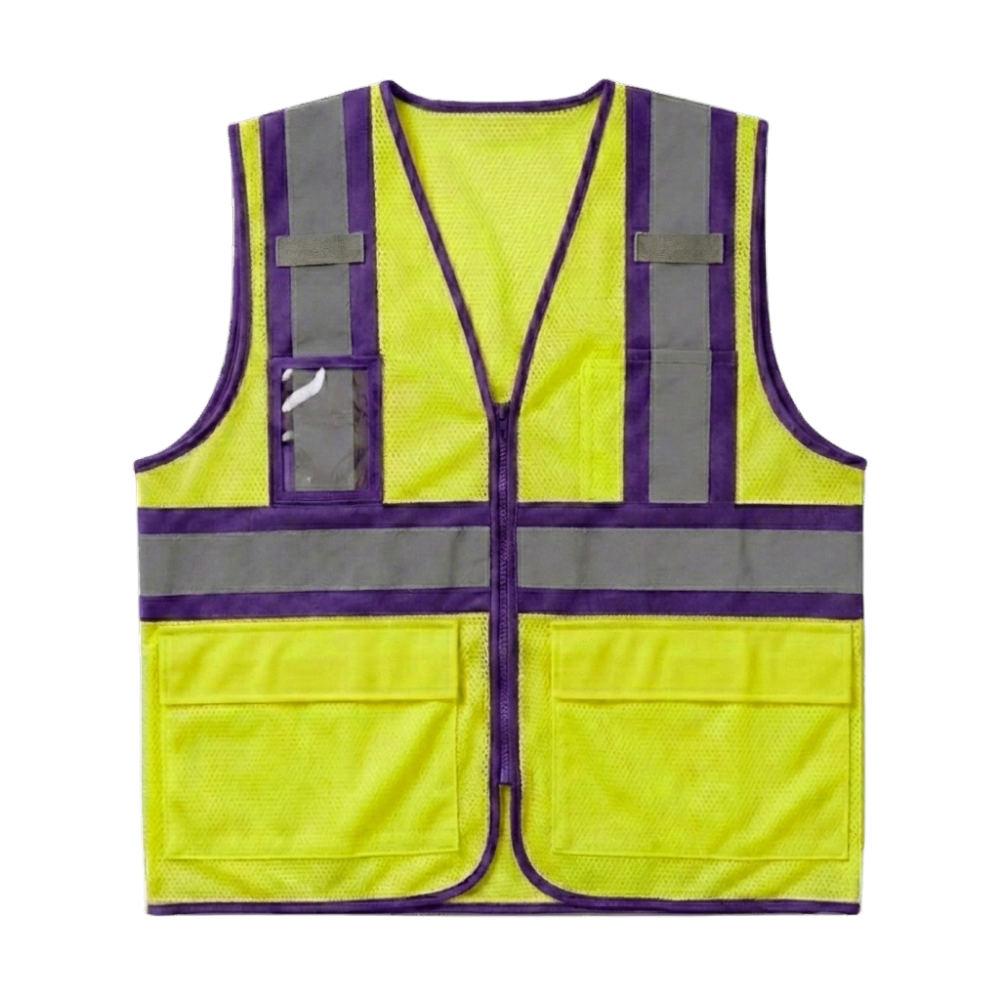
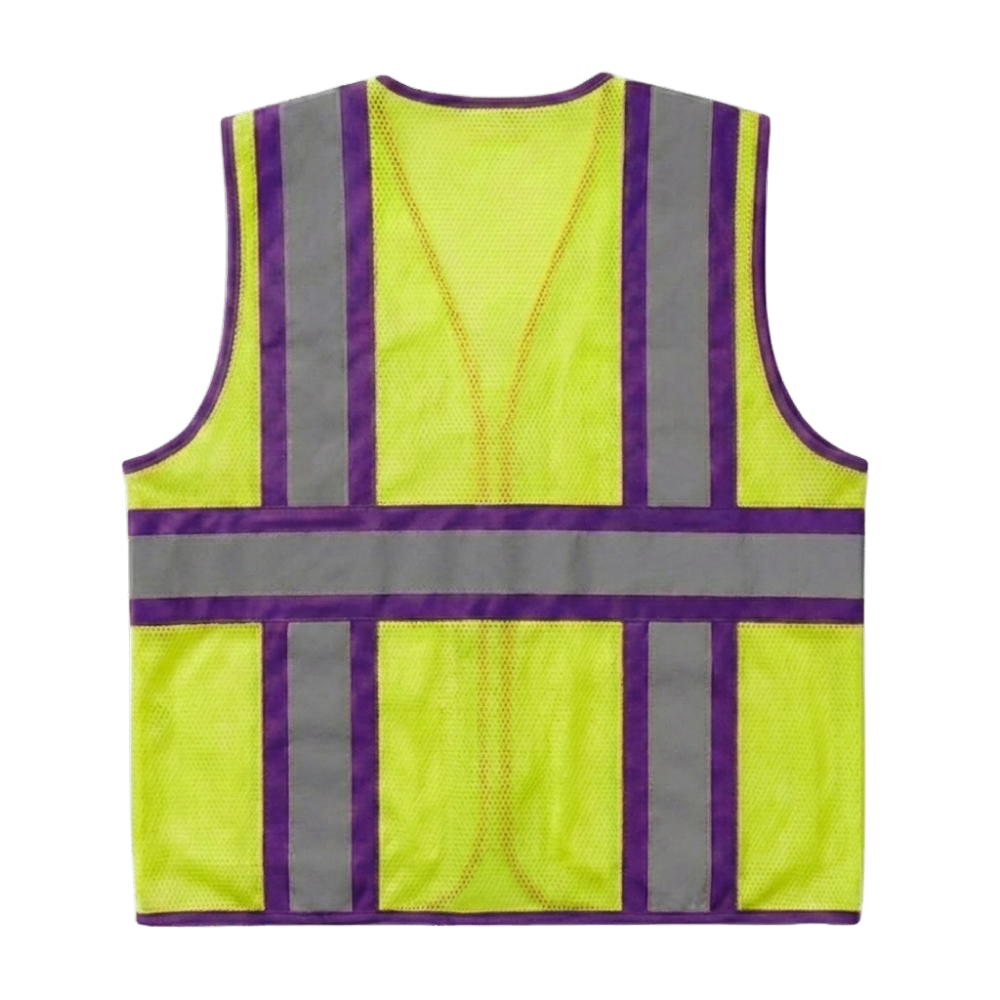
Purple Hi-Vis Executive Safety Vest
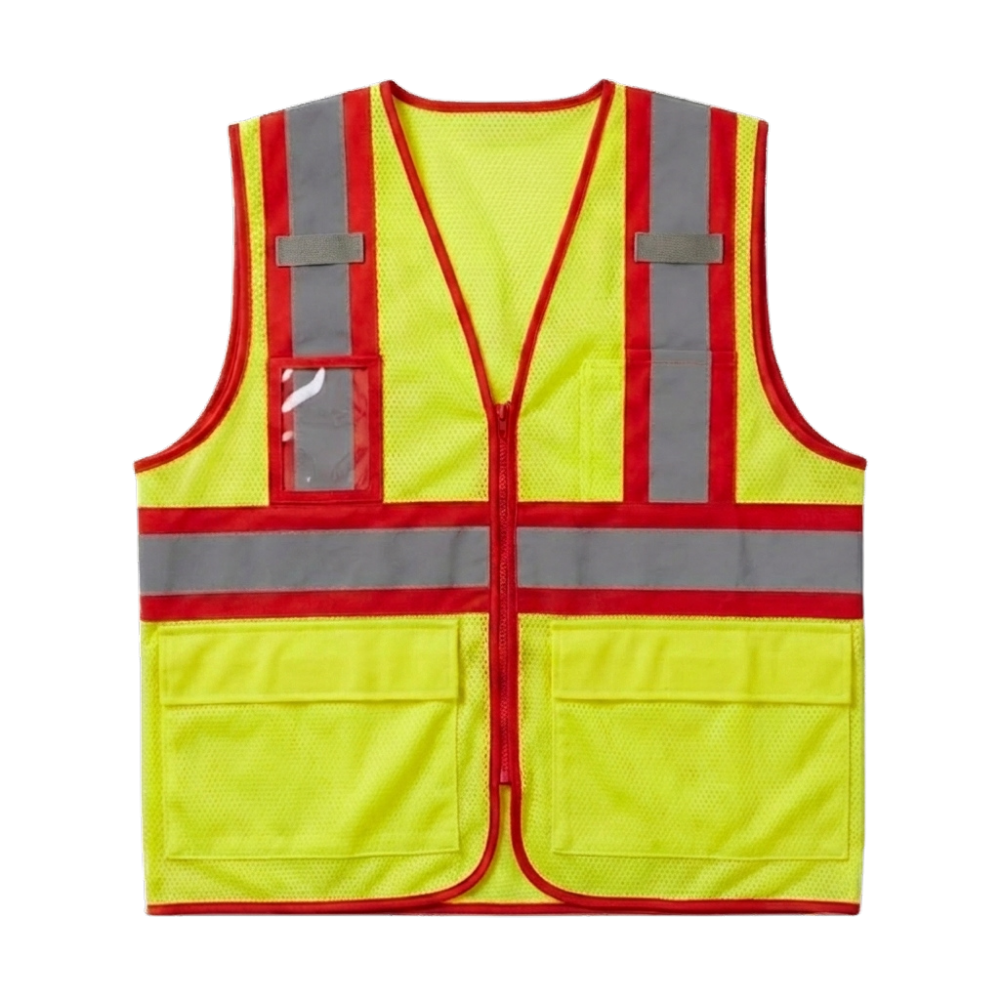
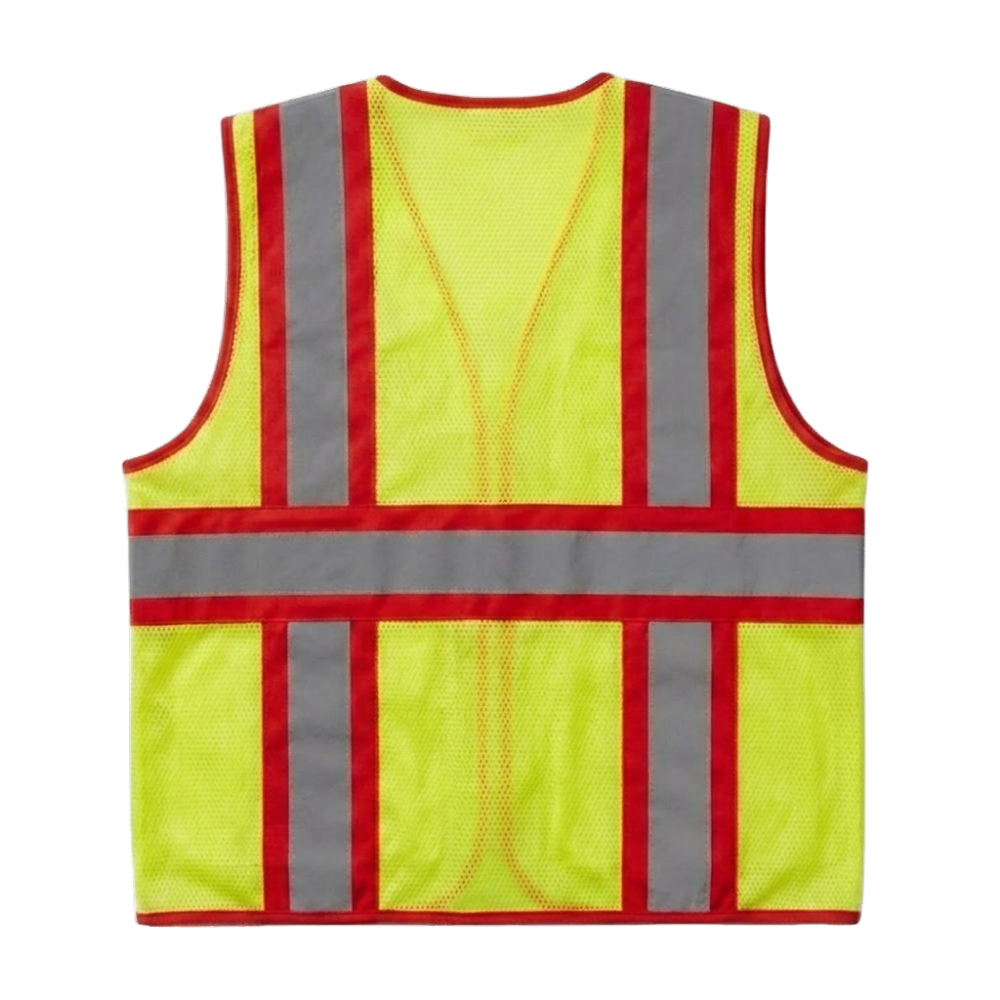
Red Hi-Vis Executive Safety Vest