


What Are Safety Vests For? A Complete Guide to Their Purpose, Types, and How They Keep You Safe on the Job
A crew was setting up traffic control on a busy Sydney arterial road when the supervisor sent the team out in plain‑coloured work shirts because the ordered hi‑vis vests hadn’t arrived yet. Within minutes a delivery truck braked hard, the driver swerved, and a near‑miss turned into a serious injury claim. That night the site was shut down and SafeWork NSW issued an on‑the‑spot fine for failing to provide compliant high‑visibility clothing. It’s a textbook example of why you need to know exactly what safety vests are for before the first stitch hits the rack.
What Are Safety Vests For? Understanding Their Real‑World Purpose
Safety vests aren’t just bright‑coloured shirts. They are a legally required line of defence that makes you visible where it matters most – in daylight, under floodlights, or on road‑work zones where vehicles travel at speed. On an Australian site, a proper vest reduces the chance of a struck‑by incident, helps supervisors spot lone workers, and satisfies the WHS legislation that demands reasonable protection for every employee.
Classes of Safety Vests and When to Use Them
| Vest Class | Typical Use | Minimum Tape Width* | When to Choose |
|---|---|---|---|
| Class D – Day | Construction sites, warehouses, indoor tasks | 50 mm | Daylight only, low‑light conditions not expected |
| Class N – Night | Night‑shift mining, 24‑hour logistics hubs | 50 mm | Fully illuminated environments, no daylight |
| Class D/N – Day/Night | Road‑work, traffic control, event security that runs 24 h | 50 mm (encircles torso) | Both day and night exposure – the safest all‑round choice |
| Class R – Roadwork | Highway maintenance, traffic management | 50 mm | High‑speed traffic zones, mandatory for any road‑related work |
*Tape must meet AS/NZS 1906.4 and wrap around the torso.
All vests must be made in approved fluorescent colours – yellow‑green or orange‑red – and conform to AS/NZS 4602.1, AS/NZS 1906.4, AS/NZS 2980, and AS 1742.3.
Key Compliance Requirements on Australian Sites
- Colour & Reflectivity – Only the two fluorescent shades are accepted.
- Tape Specification – Minimum 50 mm width, reflective material meeting AS/NZS 1906.4, and it must form a continuous band around the torso.
- Class Matching – Choose the vest class that mirrors the work environment (Day, Night, Day/Night, Roadwork).
- Inspection Frequency – Conduct a visual check weekly; replace any vest with faded colour, cracked tape, or torn seams.
- Enforcement Bodies – SafeWork NSW, WorkSafe Victoria, and WHS Queensland can issue improvement notices or fines for non‑compliance.
For a deeper dive, see our [compliance guide](https://safetyvest.com.au/compliance-guide).
Practical Checklist: Choosing the Right Vest for Your Crew
- [ ] Identify the work environment – day, night, mixed, or roadwork.
- [ ] Select the correct class – D, N, D/N, or R.
- [ ] Confirm colour – fluorescent yellow‑green or orange‑red.
- [ ] Verify tape width – at least 50 mm, encircling the torso.
- [ ] Check reflective standards – AS/NZS 1906.4 compliance.
- [ ] Inspect for wear and tear – replace any faded or damaged vest.
- [ ] Document the inspection – keep records for WHS audits.
Where Sites Go Wrong with Hi‑Vis Vests
That’s where most sites get it wrong:
- Wrong vest class – Using a Class D vest for night‑time roadwork leaves workers invisible under floodlights.
- Faded hi‑vis – Cheap imports lose fluorescence after a few washes, forcing a compliance breach.
- Cheap non‑compliant imports – Some overseas suppliers cut corners on tape width or reflective coating, failing AS/NZS 1906.4.
- Incorrect branding placement – Logos over the reflective band reduce visibility and can invalidate the vest’s classification.
Address these pitfalls early to avoid costly shutdowns and injuries.
Industry‑Specific Applications
Construction
A high‑rise crew in Melbourne uses Class D/N vests with large reflective panels on sleeves, ensuring that scaffolding workers are seen from the ground and from the air — especially during twilight crane lifts.
Traffic Control
Road‑work teams on the Pacific Highway wear Class R orange‑red vests with full‑torso tape, mandated by SafeWork NSW for any activity within 30 m of moving traffic.
Warehousing
Warehouse operatives handling forklifts in Brisbane rely on Class D vests with high‑visibility sleeves to stay spotted in aisles where pallet stacks block sightlines.
Mining
Underground miners in Western Australia use Class N vests with night‑grade reflective tape, meeting the stringent requirements of WHS Queensland for low‑light environments.
Events
Security staff at a major music festival in Adelaide use custom‑printed Class D vests, keeping the brand visible while still complying with AS 1742.3 for signage and safety colours.
All these examples showcase how the right vest class, colour, and tape work together to keep workers safe.
Frequently Asked Questions
Q: Can I mix colour shades on one vest?
A: No. Mixing fluorescent shades defeats the standard colour‑coding and can cause confusion for other road users.
Q: How often should I replace a vest?
A: Replace any vest whose colour has faded or tape is cracked. A good rule‑of‑thumb is every 12 months for high‑use sites, or sooner if inspections flag wear.
Q: Are custom‑printed vests still compliant?
A: Yes, provided the branding doesn’t cover the reflective band and the base garment meets all class and colour requirements. See our [custom safety vests](https://safetyvest.com.au/custom-safety-vests) for options.
Key Takeaways
- Safety vests are a legal and practical shield that makes workers visible in day, night, and road‑work scenarios.
- Choose the correct class (D, N, D/N, R) and stick to the approved fluorescent colours.
- Reflective tape must be at least 50 mm wide, meet AS/NZS 1906.4, and wrap fully around the torso.
- Regular inspections and fast replacement of faded or damaged vests keep you on the right side of SafeWork NSW, WorkSafe Victoria, and WHS Queensland.
- Tailor the vest to your industry – construction, traffic control, warehousing, mining, or events – but never compromise on the core compliance standards.
If you’re ready to audit your current hi‑vis inventory or need a new batch of compliant vests, get in touch through our [contact us](https://safetyvest.com.au/contact-us) page or explore the full range on our Safetyvest.com.au is proud to partner with [Sands Industries](https://sandsindustries.com.au/) – the Australian‑owned manufacturer that guarantees every vest meets the strict standards outlined above.
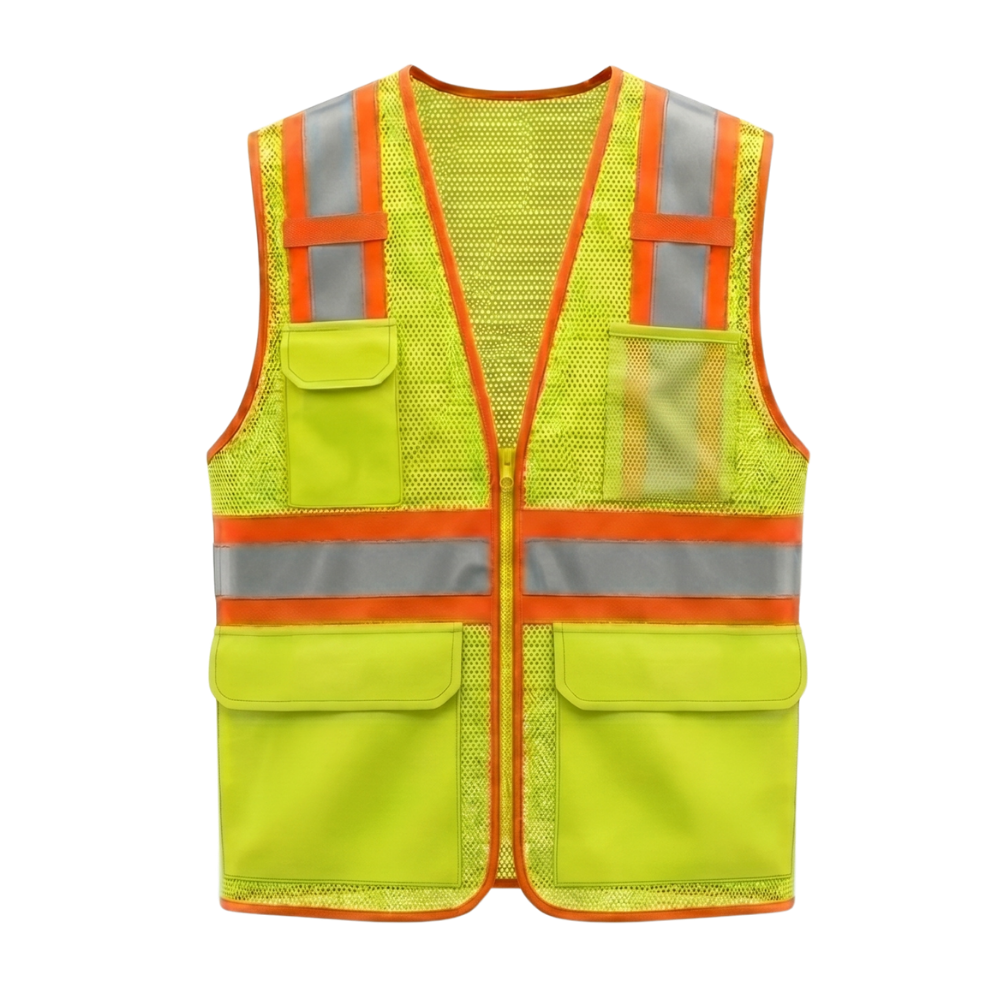
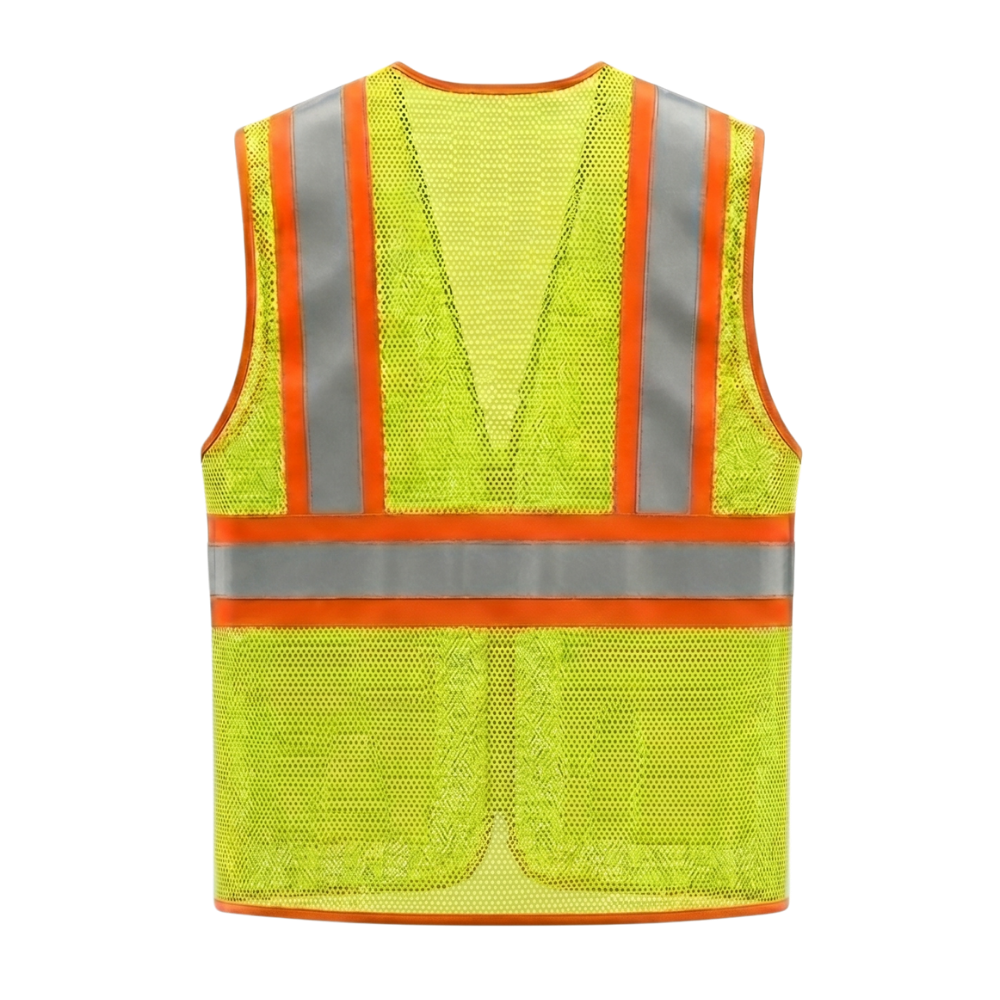
Orange Hi-Vis Executive Safety Vest
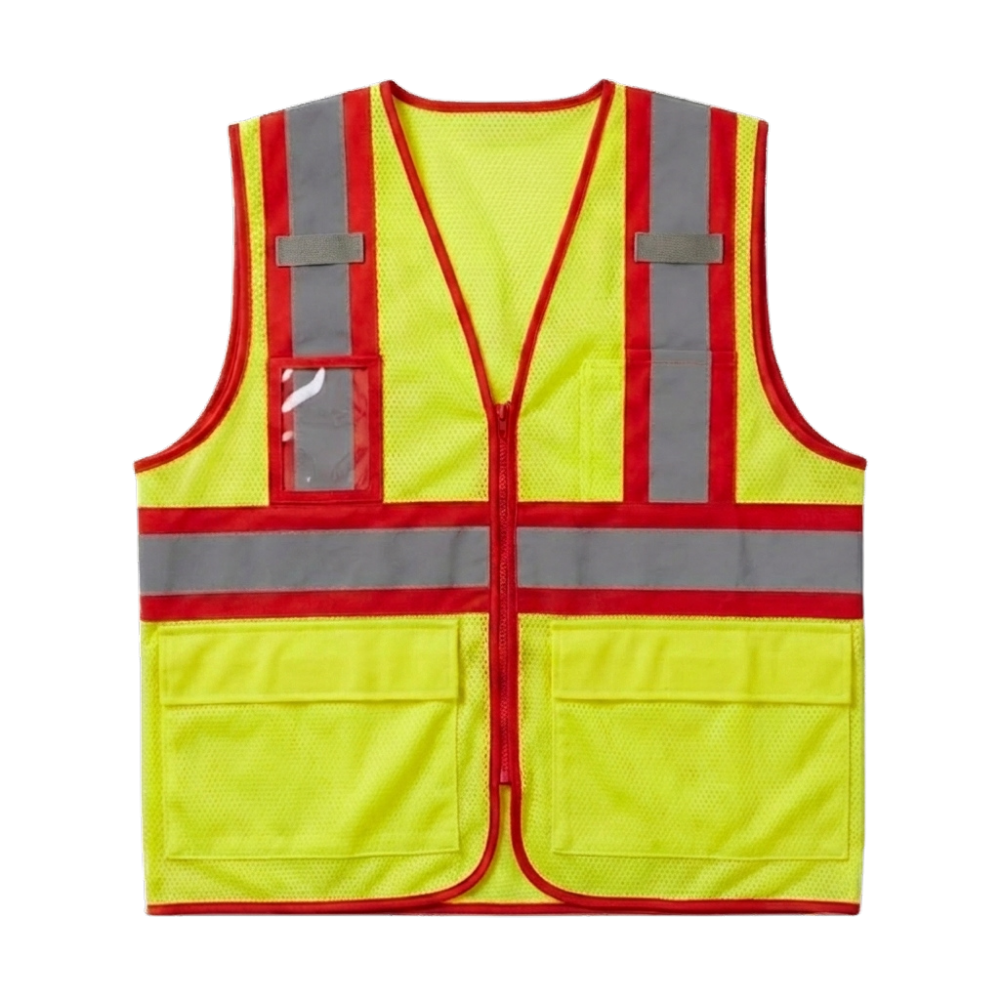
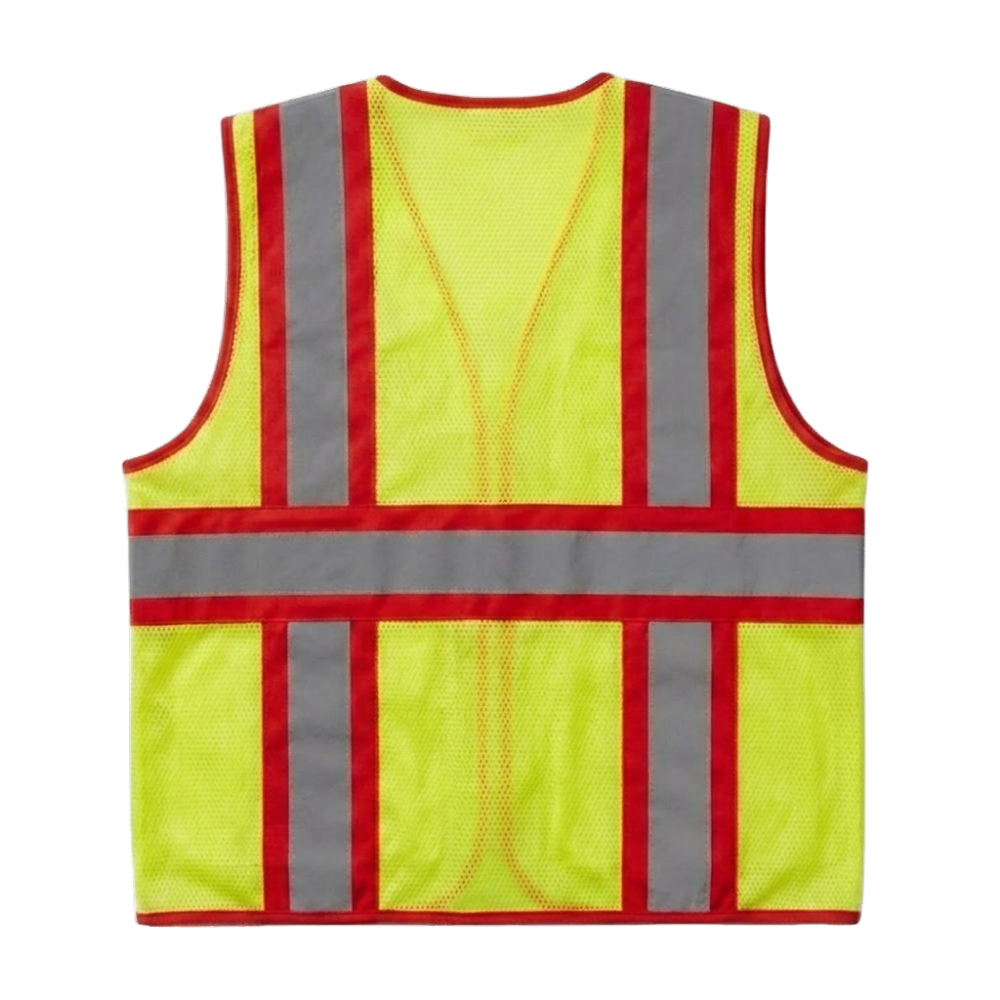
Red Hi-Vis Executive Safety Vest