Safety Vests for Warehousing and Logistics Workers in Australia
The morning shift at a busy distribution centre started with a near‑miss that could have ended in a serious injury. A forklift operator, blind to a coworker stepping into the aisle, didn’t see the worker because the high‑visibility vest they were wearing was faded and the reflective tape no longer wrapped fully around the torso. The operator slammed the brakes, the load tipped, and everyone was left with a racing heart and a costly site shutdown. That scenario is a textbook reminder that the right safety vest isn’t a nice‑to‑have – it’s a legal requirement and a lifeline on the warehouse floor. Choosing a compliant, durable vest for warehousing and logistics workers protects people, keeps operations running, and avoids hefty fines from SafeWork NSW, WorkSafe Victoria and WHS Queensland.
What makes a compliant warehouse safety vest?
Australian standards are clear about what a legal hi‑vis garment must include:
| Requirement | Detail | What it means on site |
|---|---|---|
| Vest class | Class D for daytime, Class N for night, Class D/N for 24‑hour ops, Class R for roadwork | Most warehouses use Class D or D/N – pick D/N if you have any night‑time loading bays. |
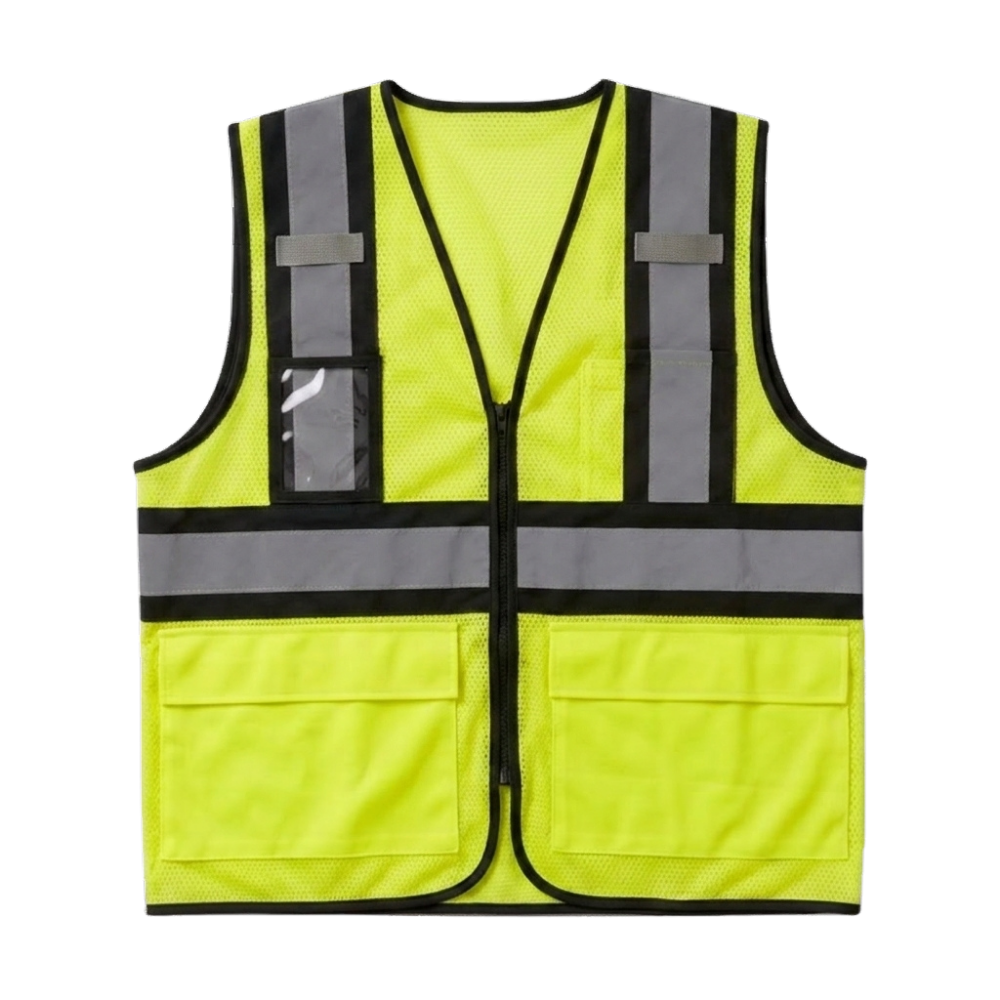
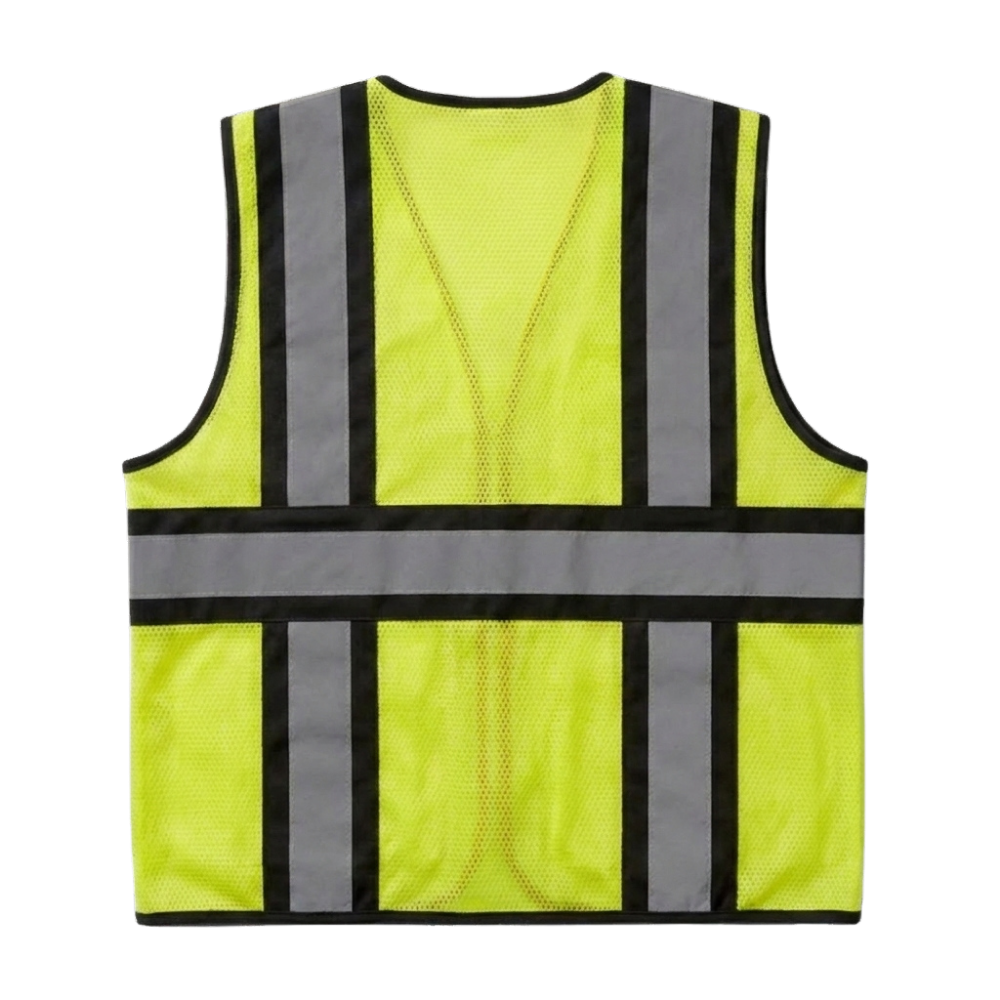
| Reflective tape | Meets AS/NZS 1906.4, minimum 50 mm width, encircles the torso | Tape must be visible from all angles; a broken or incomplete loop defeats the purpose. |
| Colours | Fluorescent yellow‑green or orange‑red (AS/NZS 4602.1) | Choose the colour that contrasts best with your floor marking scheme. |
| Stitching & durability | Must survive regular washing and abrasive wear (AS 1742.3) | A vest that rips after a month is a compliance nightmare. |
All of these points are covered in our full [Compliance Guide](https://safetyvest.com.au/compliance-guide).
Where sites go wrong
- Wrong vest class – Using a Class D vest on a night‑shift pick‑pack line leaves workers invisible after the lights dim.
- Faded hi‑vis – Cheap imports lose their fluorescence after a few washes; tape peels away, leaving gaps.
- Non‑compliant imports – Some overseas suppliers claim “high‑visibility” but ignore AS/NZS 1906.4, putting you at risk of fines.
- Incorrect branding placement – Logos that cover more than 10 % of the garment can breach the standard and dilute visibility.
Practical tool – Safety‑vest checklist for warehousing
Use this checklist before placing any order or re‑stocking your crew’s wardrobe.
- [ ] Vest class matches shift pattern (D, N, D/N)
- [ ] Fluorescent colour complies with AS/NZS 4602.1
- [ ] Reflective tape ≥ 50 mm, encircles torso, meets AS/NZS 1906.4
- [ ] Tape colour contrasts with vest base (yellow‑green with orange‑red tape, etc.)
- [ ] Stitching reinforced at seams; tested for 50 washes
- [ ] Branding/logo ≤ 10 % of surface, placed on chest or back, not covering tape
- [ ] Supplier provides certification (AS/NZS 1906.4, AS 1742.3)
Tick every box and you’ll avoid the most common compliance pitfalls.
Industry examples – How the right vest keeps the line moving
Construction‑type storage yards
Heavy‑equipment operators often manoeuvre around high racks. A Class R vest with full‑torso tape gives them visibility even when a crane arm blocks the line of sight.
Traffic control inside large warehouses
When forklifts cross pedestrian zones, workers in Class D/N vests with bright orange‑red backing are instantly recognisable, cutting the likelihood of a collision.
Pick‑pack facilities operating 24/7
Night‑shift pickers in Class N vests benefit from reflective tape that shines under low‑level LED lighting, keeping them safe while pallets move under robotic shuttles.
Cold‑storage logistics
Low temperatures can dull fluorescent pigments. A UV‑stable fabric combined with reflective tape ensures the vest stays visible even after repeated washes in hot water.
Customising for your operation
Every warehouse has its own colour scheme, logo placement and safety culture. Our [Custom safety vests](https://safetyvest.com.au/custom-safety-vests) let you specify tape width, placement and branding while staying fully compliant with AS/NZS 1906.4. We work with Sands Industries, a leading Australian manufacturer, to deliver locally‑made, high‑quality vests that survive the rigours of a fast‑moving logistics environment. [Sands Industries] (https://sandsindustries.com.au/) handles the production, ensuring each garment meets national standards before it reaches your dock doors.
Key takeaways
- Choose the correct vest class – most warehouses need Class D/N.
- Verify reflective tape meets AS/NZS 1906.4 and fully encircles the torso.
- Avoid faded or cheap imports; they’ll fail inspections and jeopardise safety.
- Use the checklist above to audit every batch of vests before they hit the floor.
A well‑chosen safety vest is a simple, cost‑effective way to protect your workforce and keep the supply chain humming. Need help picking the right design or want a bulk quote? [Get in touch](https://safetyvest.com.au/contact-us) or explore our