






Why a Hi Vis Vest with Pockets Is the Ultimate Safety Gear: Top Benefits, Buying Guide & Best Picks for 2024
On a Melbourne construction site last winter, a tradesperson slipped on a steel girder while hunting for his toolbox. He’d stripped his high‑visibility shirt to a plain T‑shirt, and the worn‑out vest he was wearing no longer met AS/NZS 4602.1. The result? A near‑miss that could have turned into a serious injury, and a hefty notice from SafeWork NSW for non‑compliant PPE. The lesson is clear: a good hi‑vis vest does more than flash colour—it has to work for the job, stay visible, and keep essential tools within arm’s reach. That’s why a hi vis vest with pockets is fast becoming the go‑to piece of safety gear across Australia’s most demanding workplaces.
Top Benefits of a Hi Vis Vest with Pockets
- Hands‑free access – Pocket placement on the front or chest lets workers grab a pen, radio, or safety checklist without stopping. On busy traffic‑control sites, this speeds up communication and cuts the time spent bending over a toolbox.
- Improved compliance – When the vest itself meets AS/NZS 1906.4 (reflective tape ≥ 50 mm, encircling the torso) and the colour is fluorescent yellow‑green or orange‑red, the added pockets don’t affect its class rating (Class D, N, D/N or R). Workers are less likely to swap it for a non‑compliant shirt.
- Durability under harsh conditions – Reinforced stitching and rip‑stop fabrics keep pockets intact in mining tunnels or dusty warehousing environments.
- Branding without sacrificing safety – Custom‑printed logos can sit on the back or sleeve, while the front pocket stays clear for high‑visibility tape, keeping the vest compliant with AS/NZS 2980.
Read more about the exact standards in our [compliance guide].
Buying Guide for a Hi Vis Vest with Pockets
| Feature | What to Look For | Why It Matters on Site |
|---|---|---|
| Vest Class | D (day), N (night), D/N (dual) or R (roadwork) | Matches the lighting and environment you work in. |
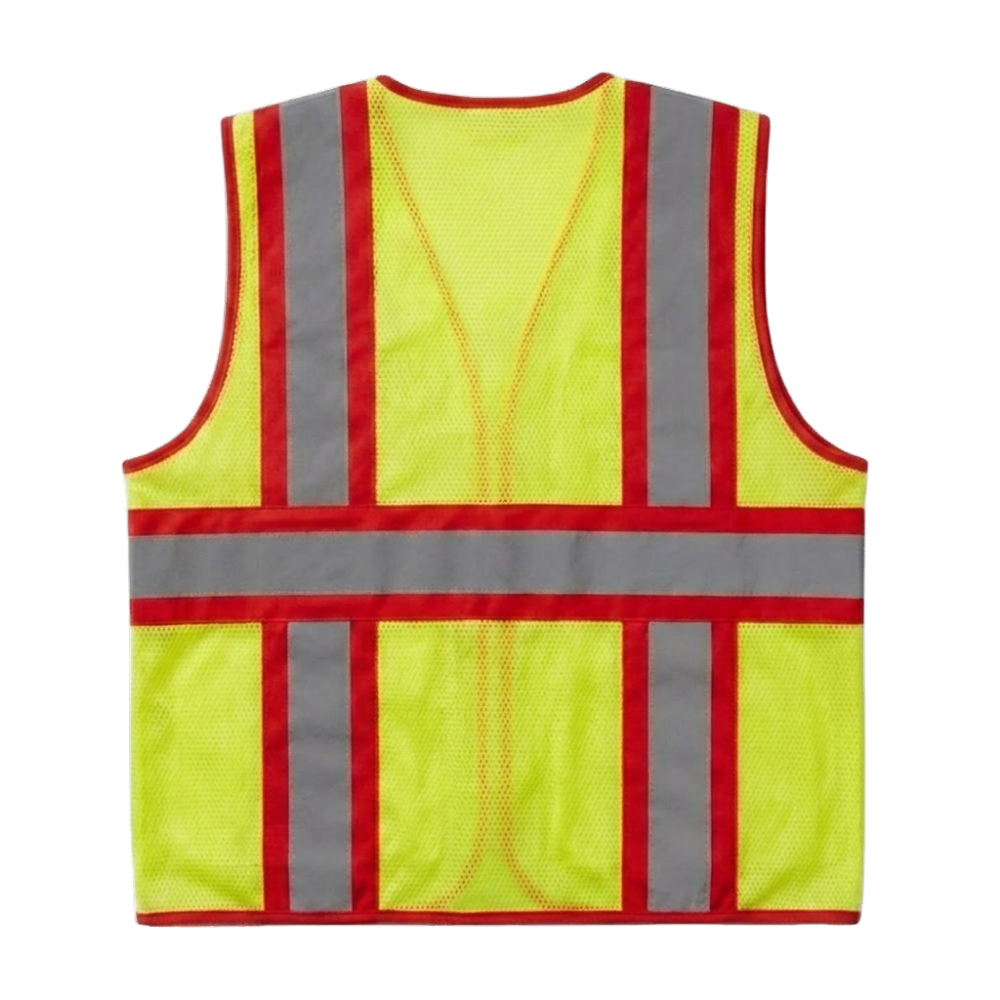
| Reflective Tape | AS/NZS 1906.4, ≥ 50 mm, full‑torso wrap | Guarantees visibility from all angles. |
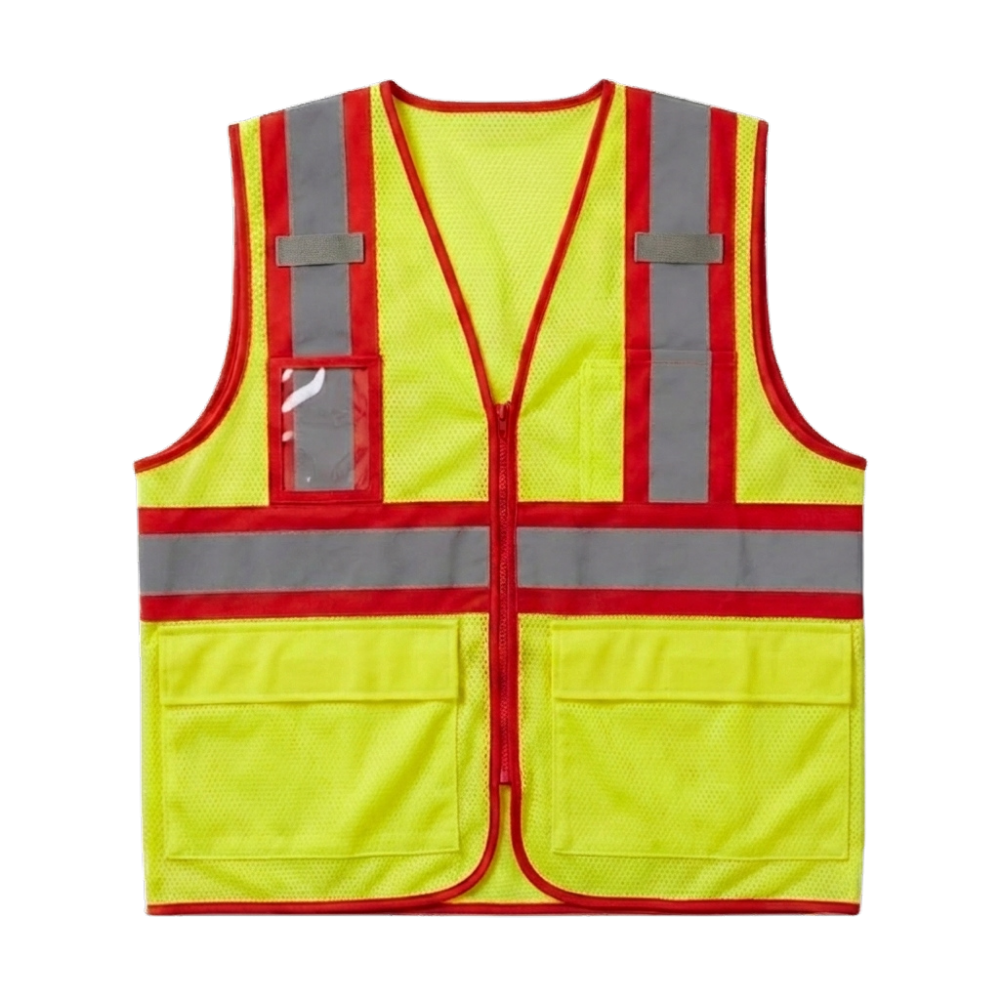
| Pocket Design | Front chest pocket(s) with reinforced base; optional zip or flap | Holds tools securely, avoids snagging on equipment. |
| Fabric | 100 % polyester or polyester‑cotton blend, rip‑stop, colour‑fast | Resists wear, washing, and UV fading. |
| Colour | Fluorescent yellow‑green or orange‑red (per AS 1742.3) | Provides the highest contrast against most backgrounds. |
| Customisation | Branding on back or sleeves only; no tape over pockets | Keeps compliance while promoting your company. |
When you’ve ticked these boxes, you’ve got a vest that will survive a 12‑hour shift in the outback and still look sharp when the sun sets. For tailor‑made options, check out our [custom safety vests] page.
Where Sites Go Wrong with Hi Vis Vests
- Choosing the wrong class – A traffic‑control crew using a Class D vest at night loses the reflective advantage, leading to near‑misses with vehicles.
- Faded or washed‑out colours – Cheap imports often lose their fluorescent hue after a few washes, breaching AS/NZS 4602.1.
- Non‑compliant pockets – Adding bulky cargo pockets that cover the reflective tape can downgrade a vest from Class R to non‑compliant.
- Incorrect branding placement – Logos printed over the reflective strip make the vest fail the tape‑encircle requirement.
Avoid these pitfalls by sourcing from reputable Australian manufacturers like Sands Industries, the parent company behind safetyvest.com.au, which guarantees standards‑tested production.
Industry Examples: Hi Vis Vests with Pockets in Action
| Sector | Typical Pocket Use | Safety Impact |
|---|---|---|
| Construction | Front pocket holds site‑specific safety cards and a marker. | Workers can quickly reference permits without dropping tools, keeping the site moving and compliant. |
| Traffic Control | Pocket stores a two‑way radio and signal baton. | Immediate communication reduces vehicle‑to‑person incidents under low‑light conditions. |
| Warehousing | Zip pocket for barcode scanner and paperwork. | Faster pick‑and‑pack cycles, fewer trips to the locker room, and reduced slips from cluttered aisles. |
| Mining | Heavy‑duty pocket for a dust‑monitoring gauge. | Critical data stays with the operator, improving real‑time hazard monitoring. |
| Events | Small pocket for a first‑aid kit and walkie‑talkie. | Event staff stay visible in crowds while having emergency tools at hand. |
These real‑world scenarios illustrate why the added convenience of pockets translates directly into safer, more efficient work.
Practical Checklist: Choosing the Right Hi Vis Vest with Pockets
- [ ] Verify vest class matches work environment (D, N, D/N, R).
- [ ] Confirm reflective tape meets AS/NZS 1906.4 (≥ 50 mm, full torso).
- [ ] Check colour is fluorescent yellow‑green or orange‑red per AS 1742.3.
- [ ] Inspect pocket reinforcement and placement – front pocket should not obscure tape.
- [ ] Ensure any branding is limited to back or sleeves, not over reflective areas.
- [ ] Look for a durability label (rip‑stop, colour‑fast).
- [ ] Request a compliance certificate from the supplier.
Use this list during your next purchase audit to keep your site on the right side of WorkSafe Victoria, WHS Queensland, and their equivalents.
Sticking to the right standards and picking a vest that actually helps workers stay organised can be the difference between a smooth shift and a costly incident. If you’re ready to upgrade your crew’s PPE, have a look at the latest selections on our
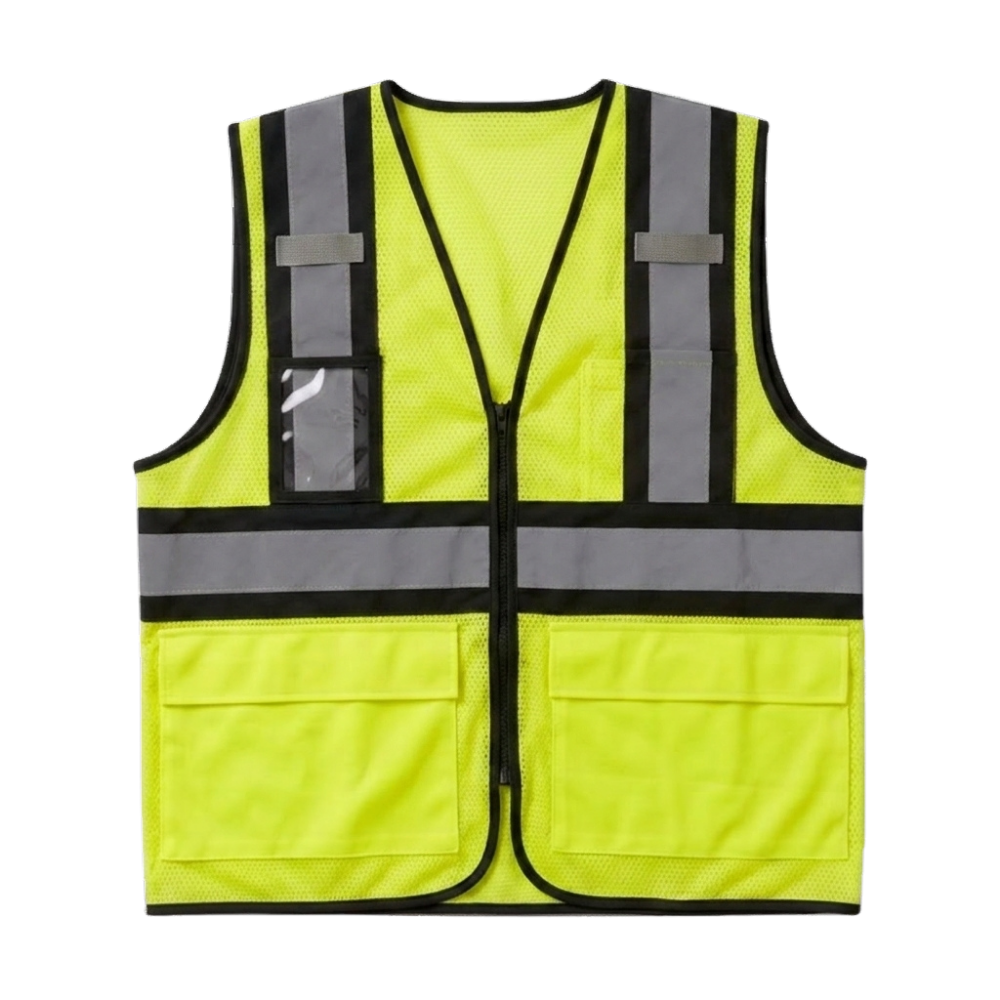
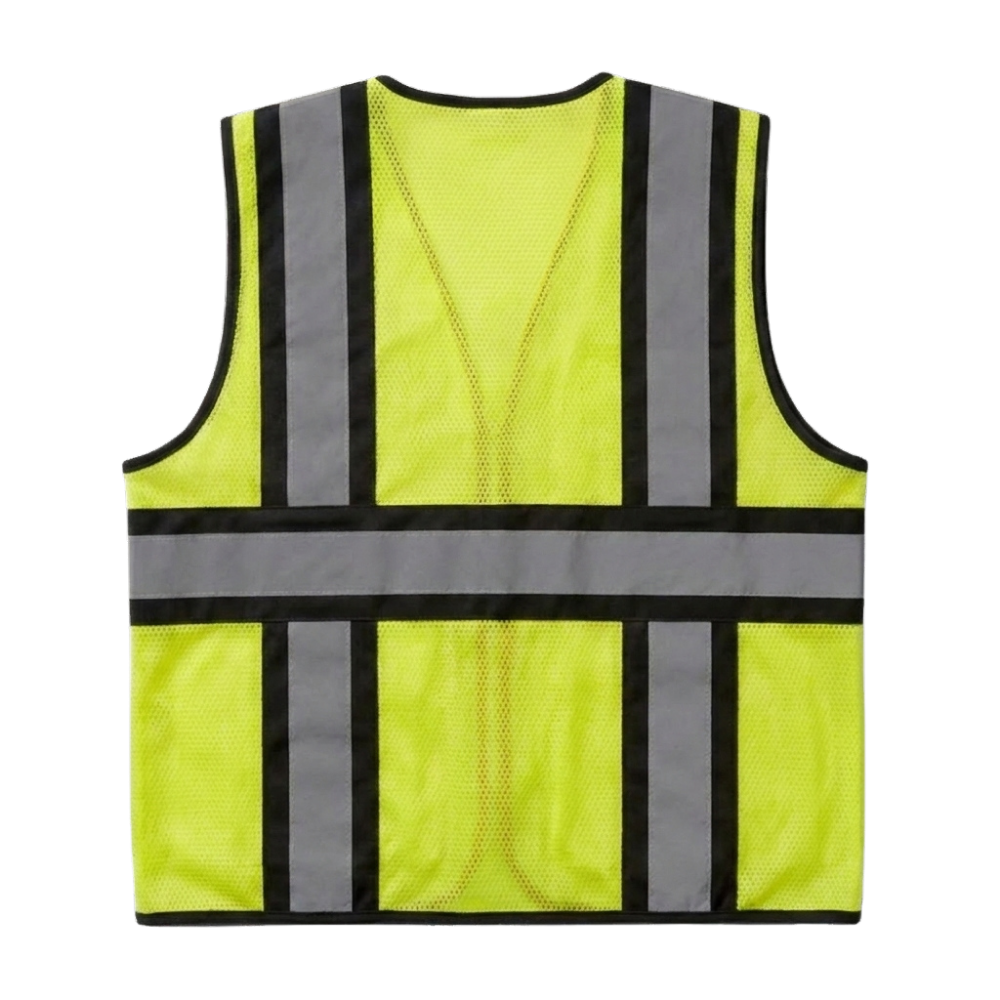
Black Hi-Vis Executive Safety Vest
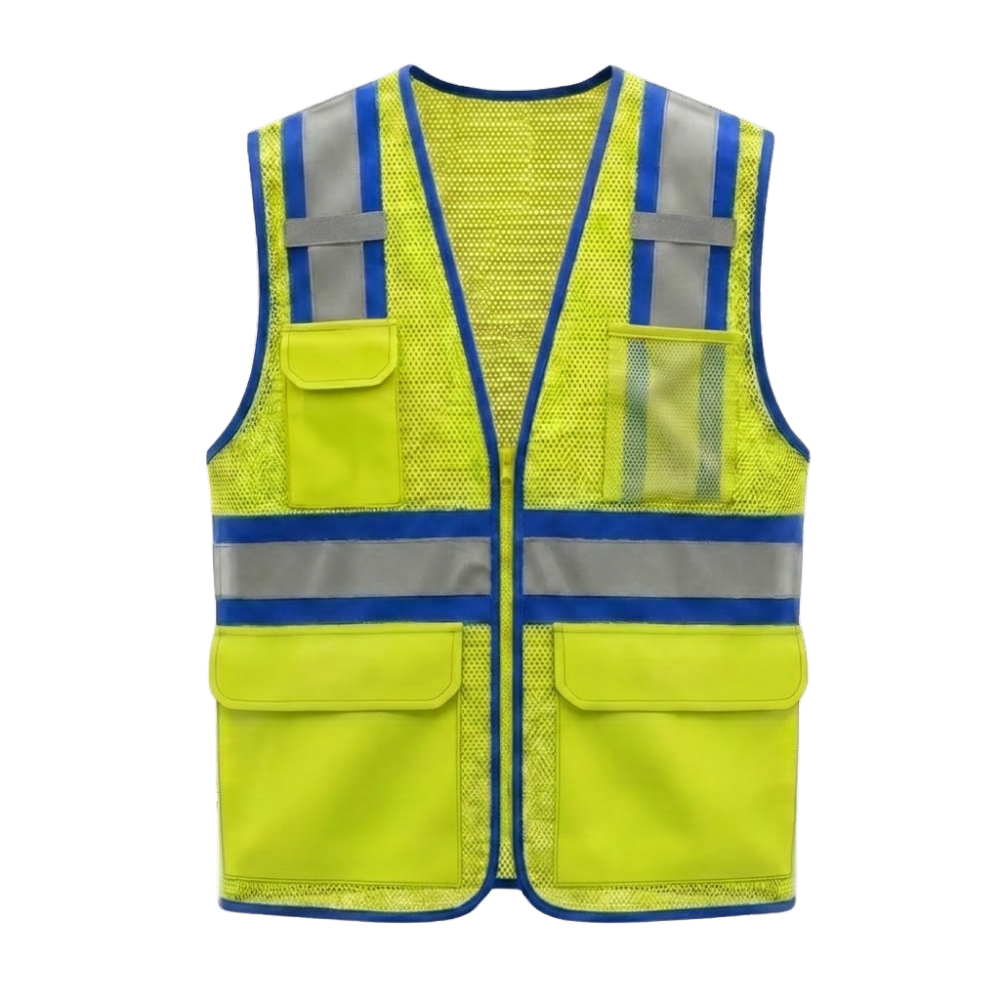
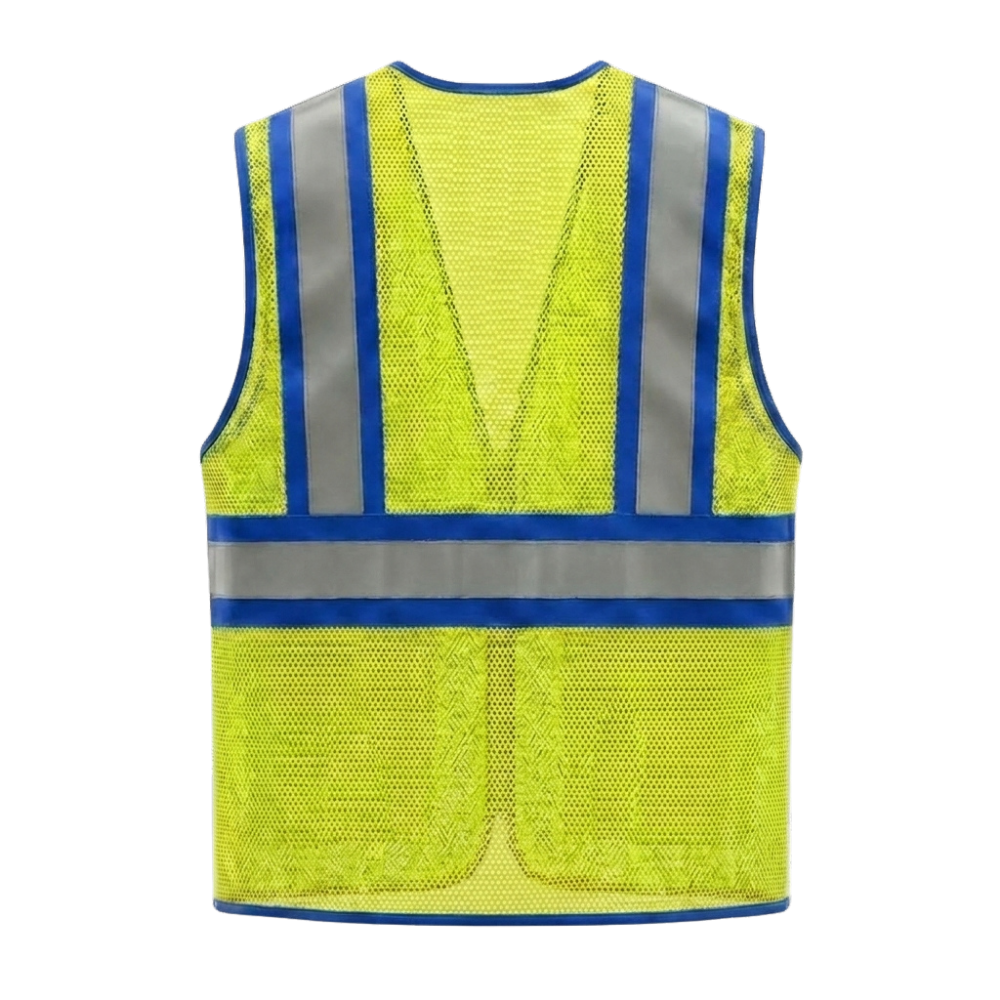
Blue Hi-Vis Executive Safety Vest
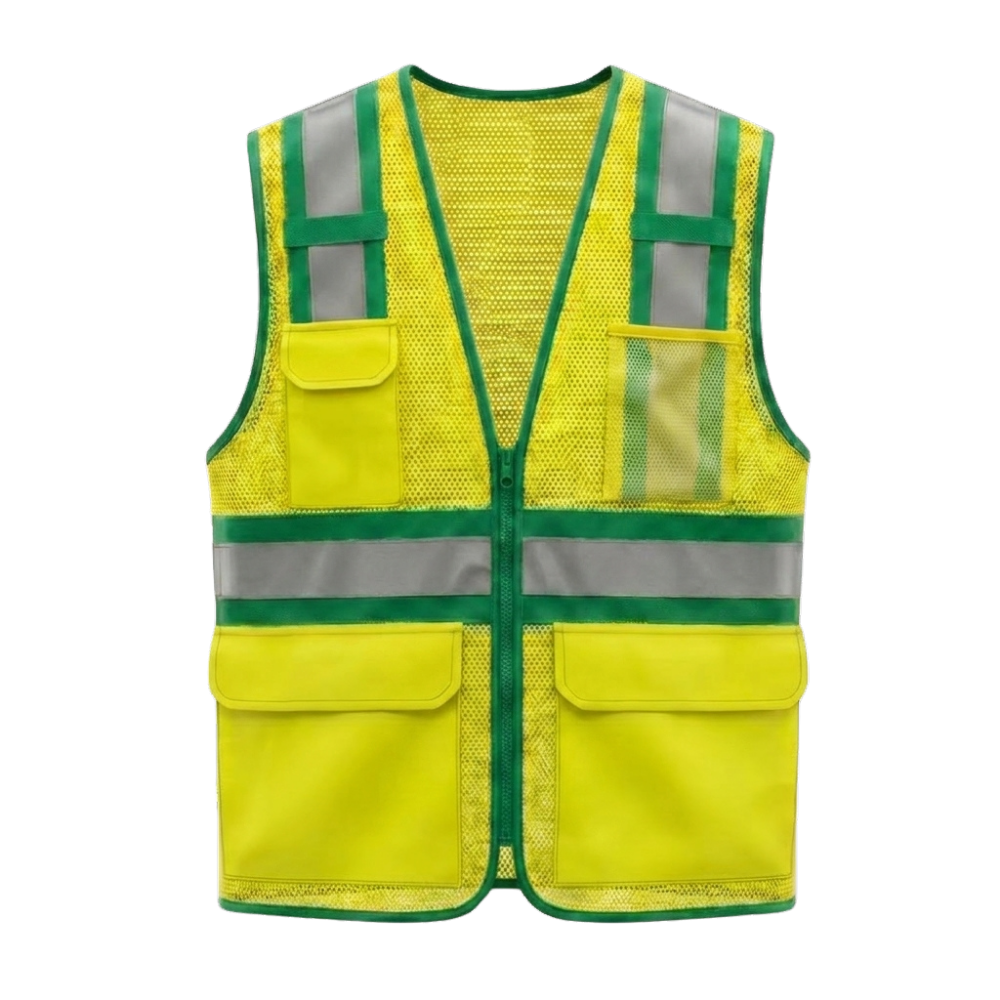
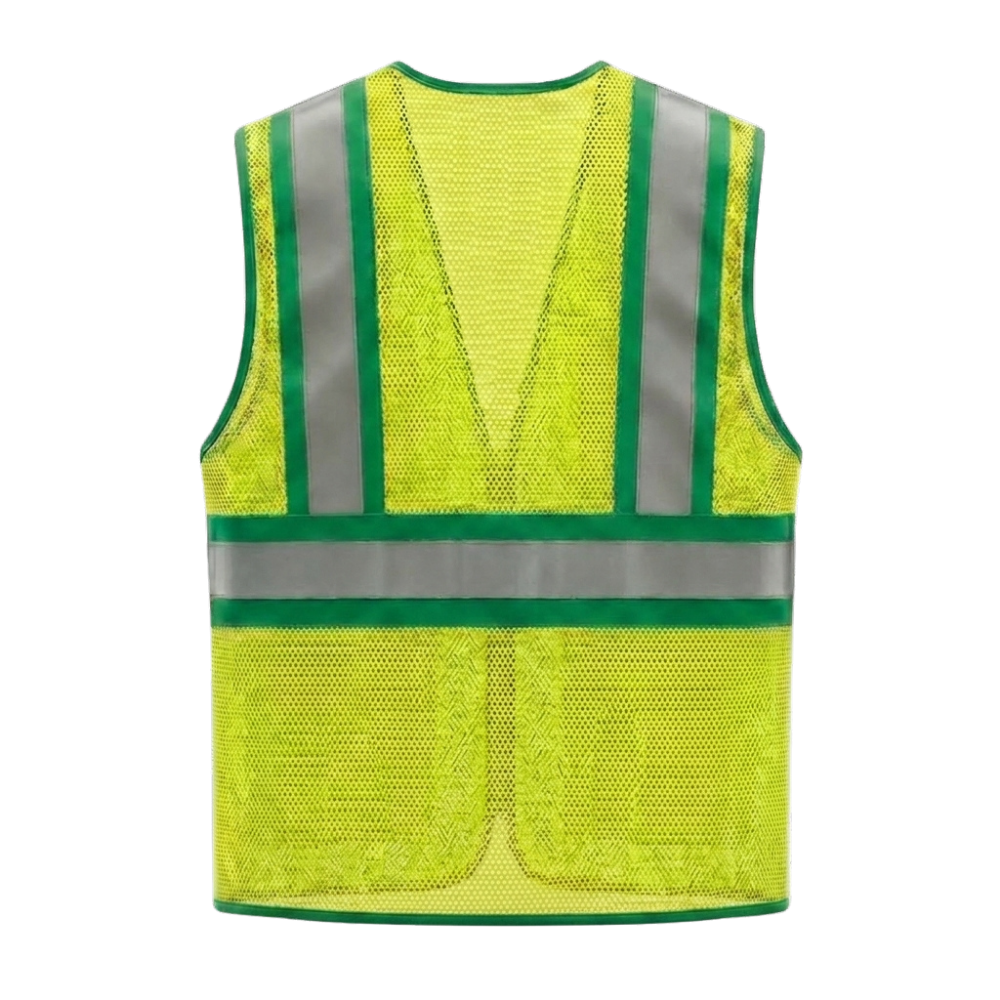
Green Hi-Vis Executive Safety Vest
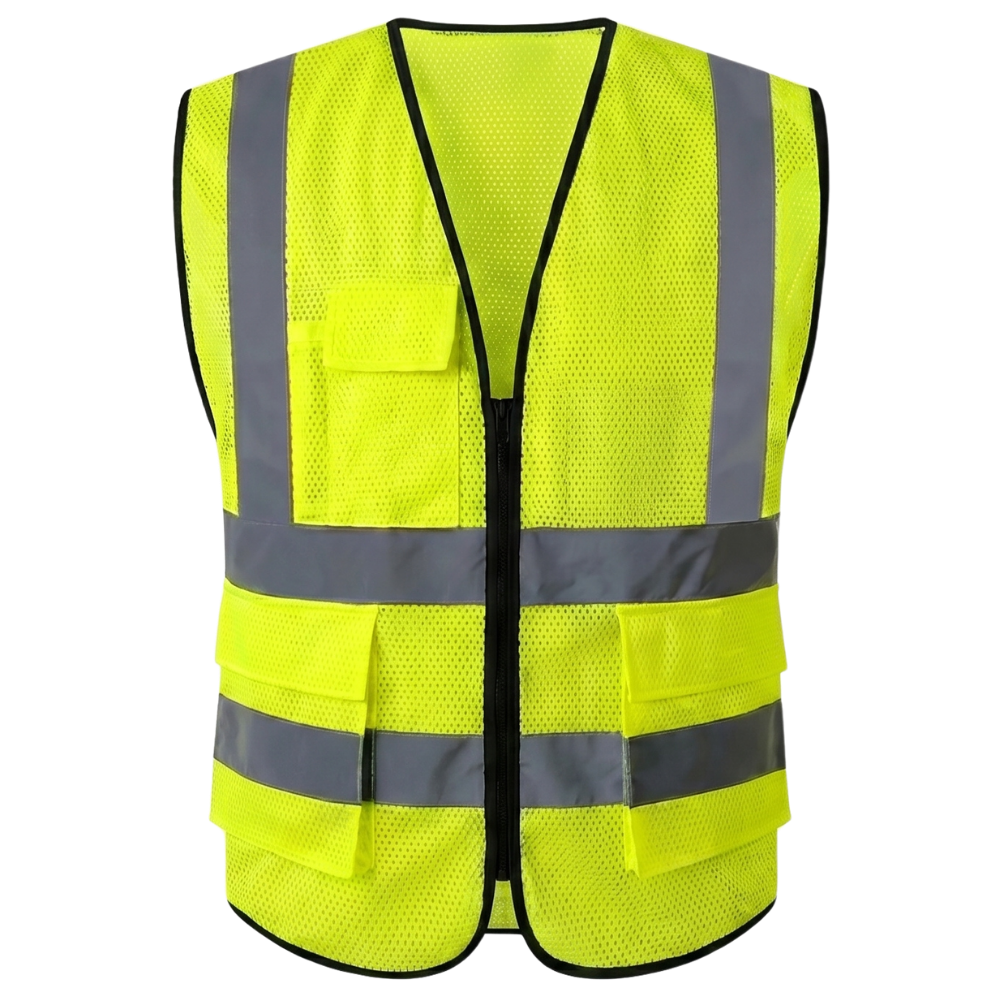
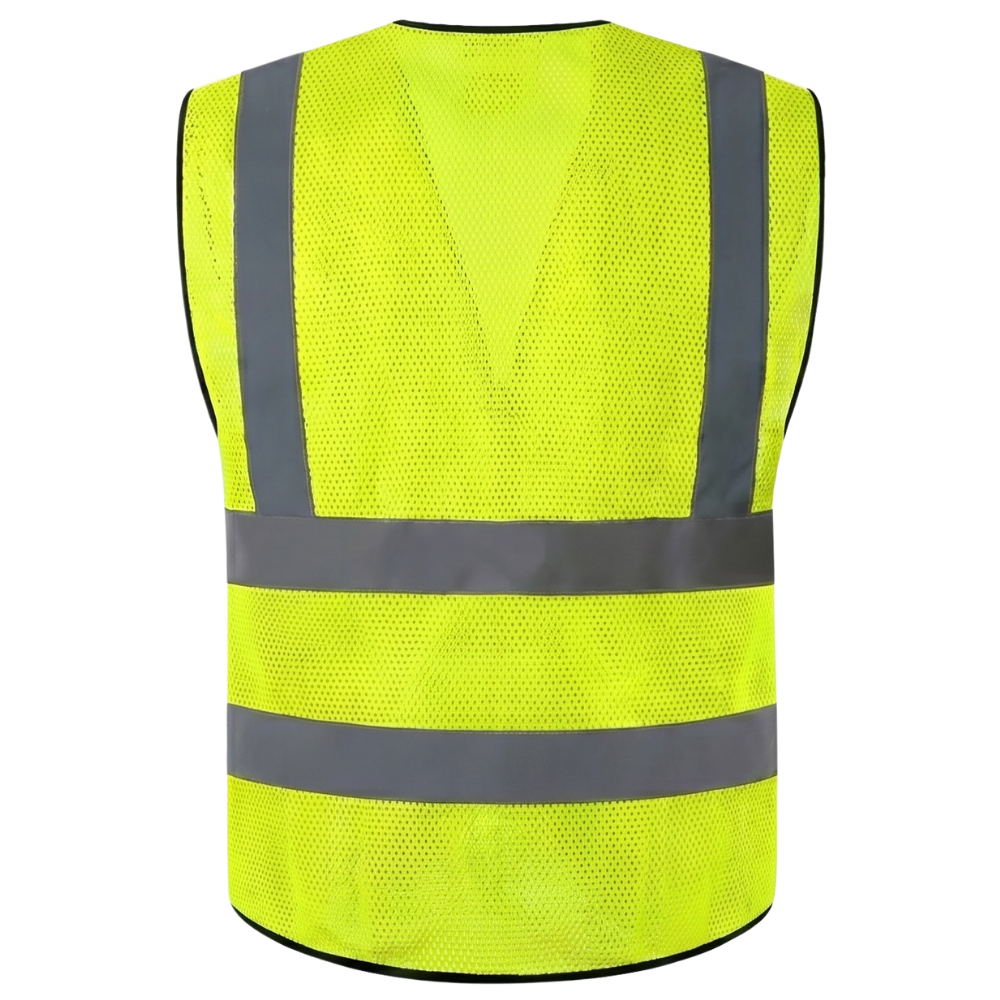
High-Brightness Safety Vest | CE/ANSI Certified | For Delivery Partners/Drivers
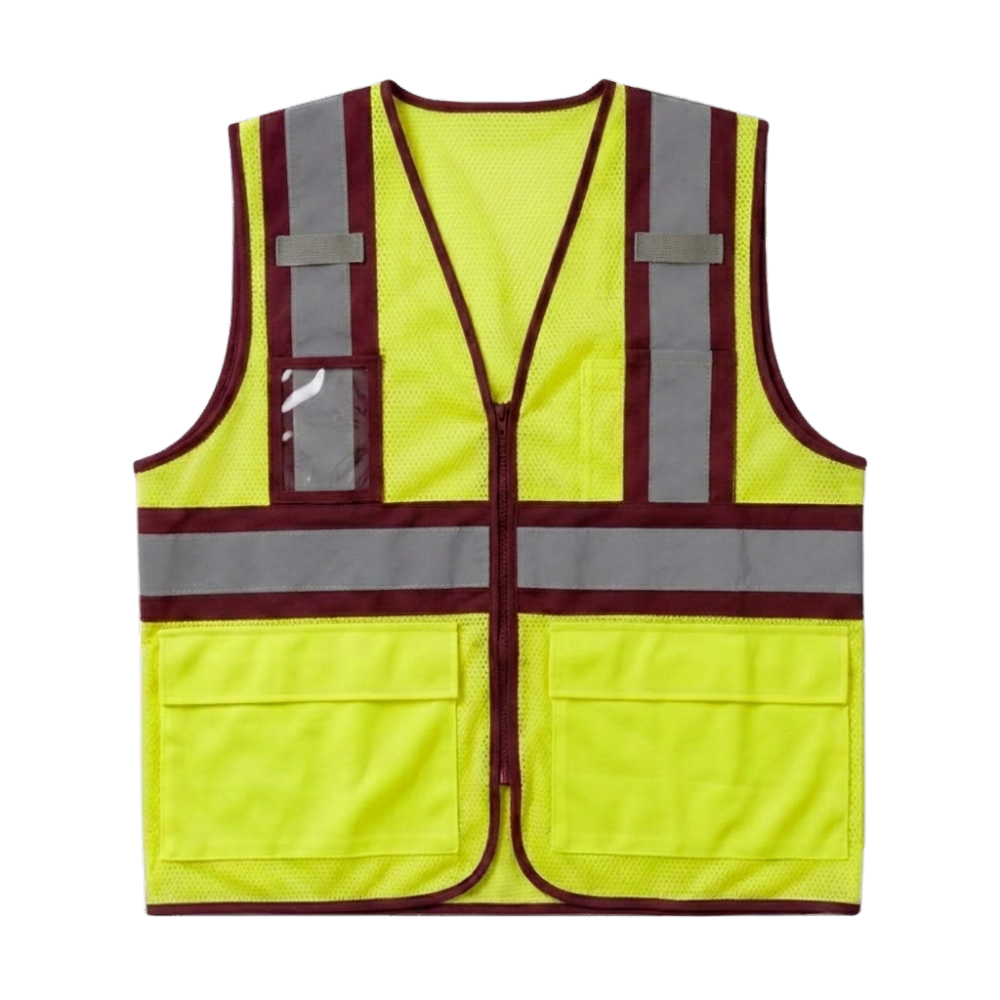
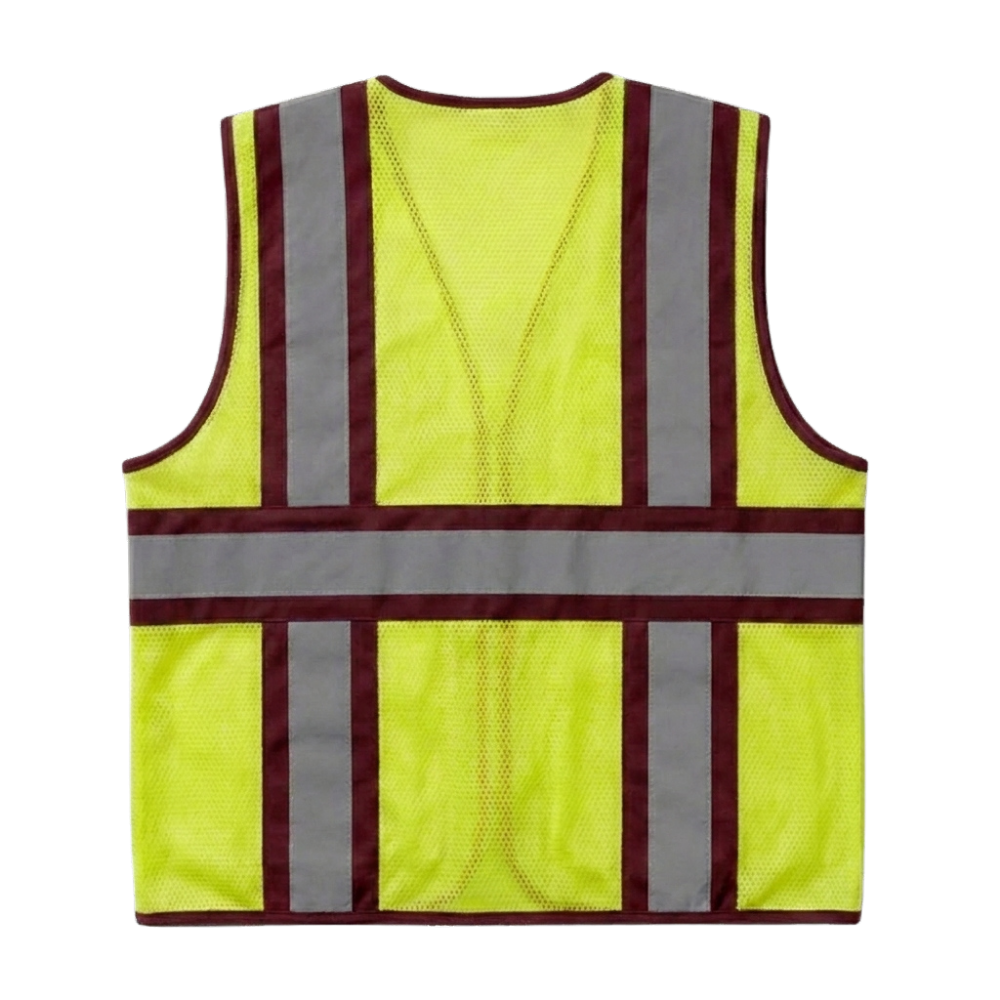
Maroon Hi-Vis Executive Safety Vest
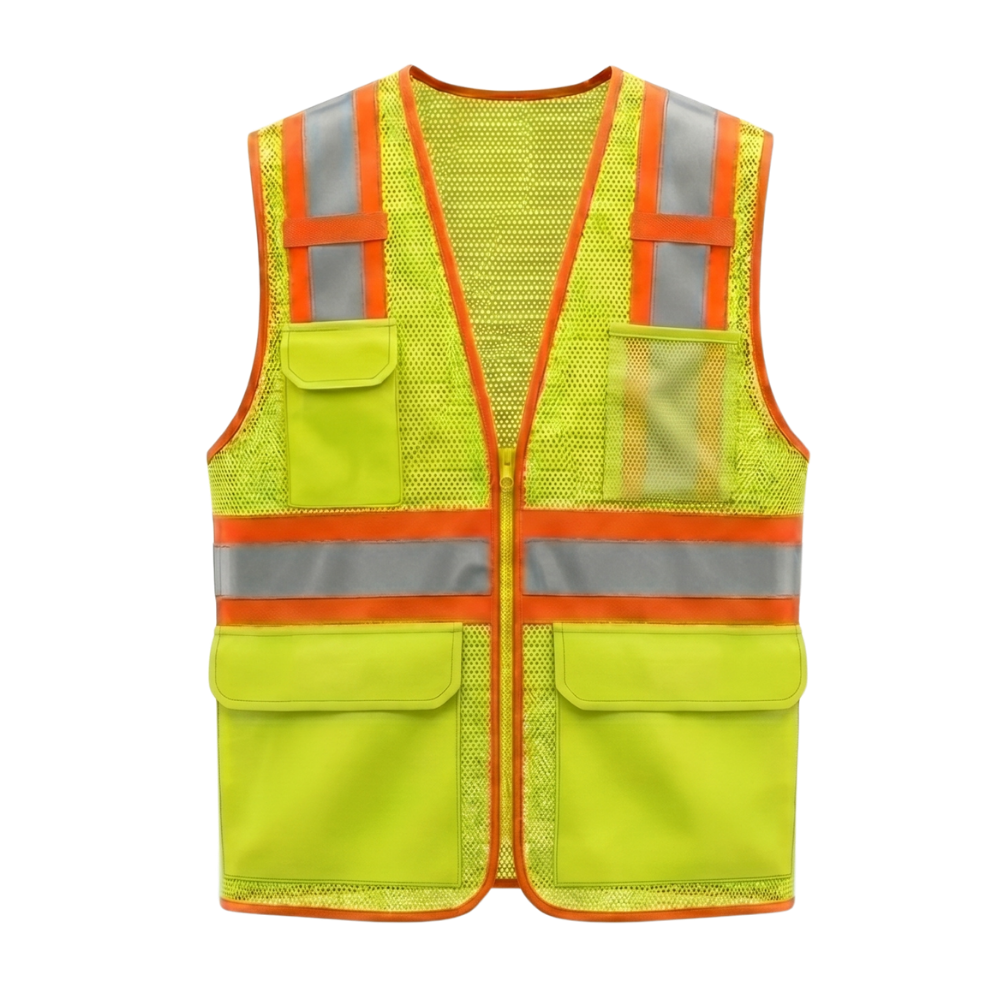
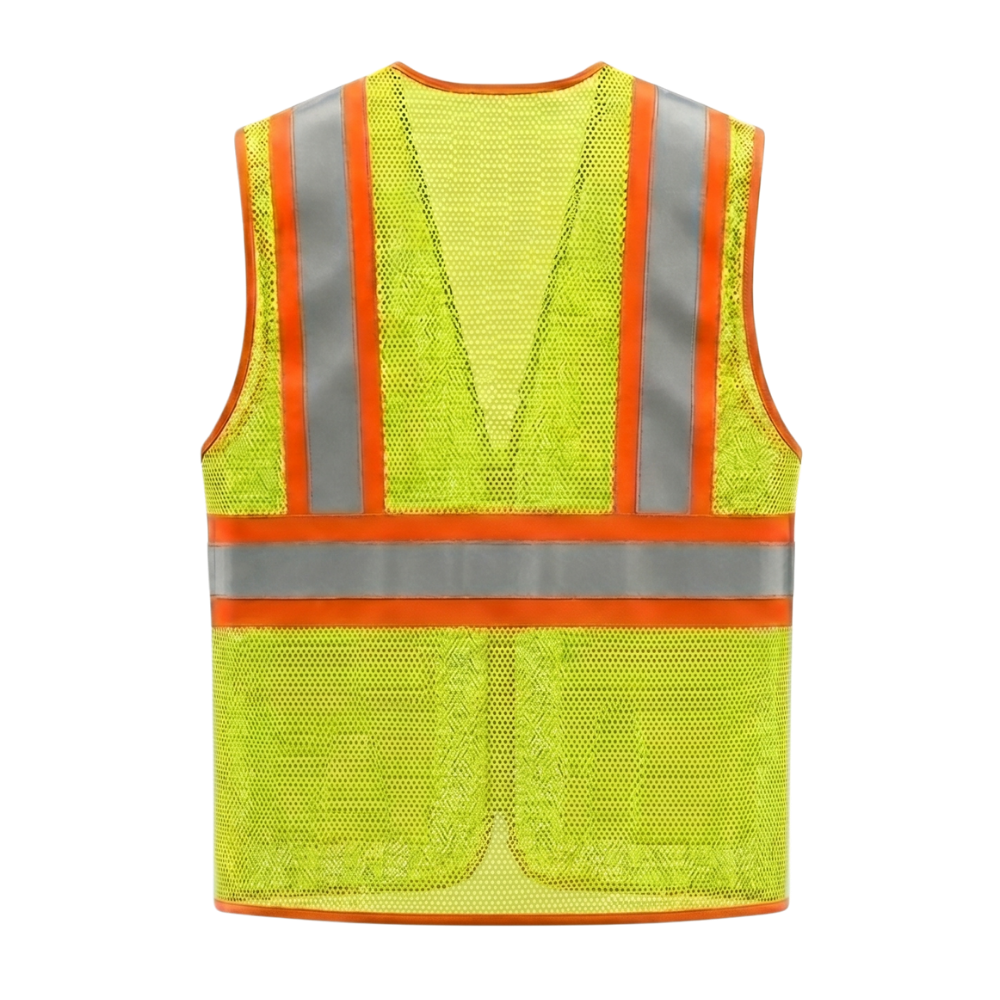
Orange Hi-Vis Executive Safety Vest
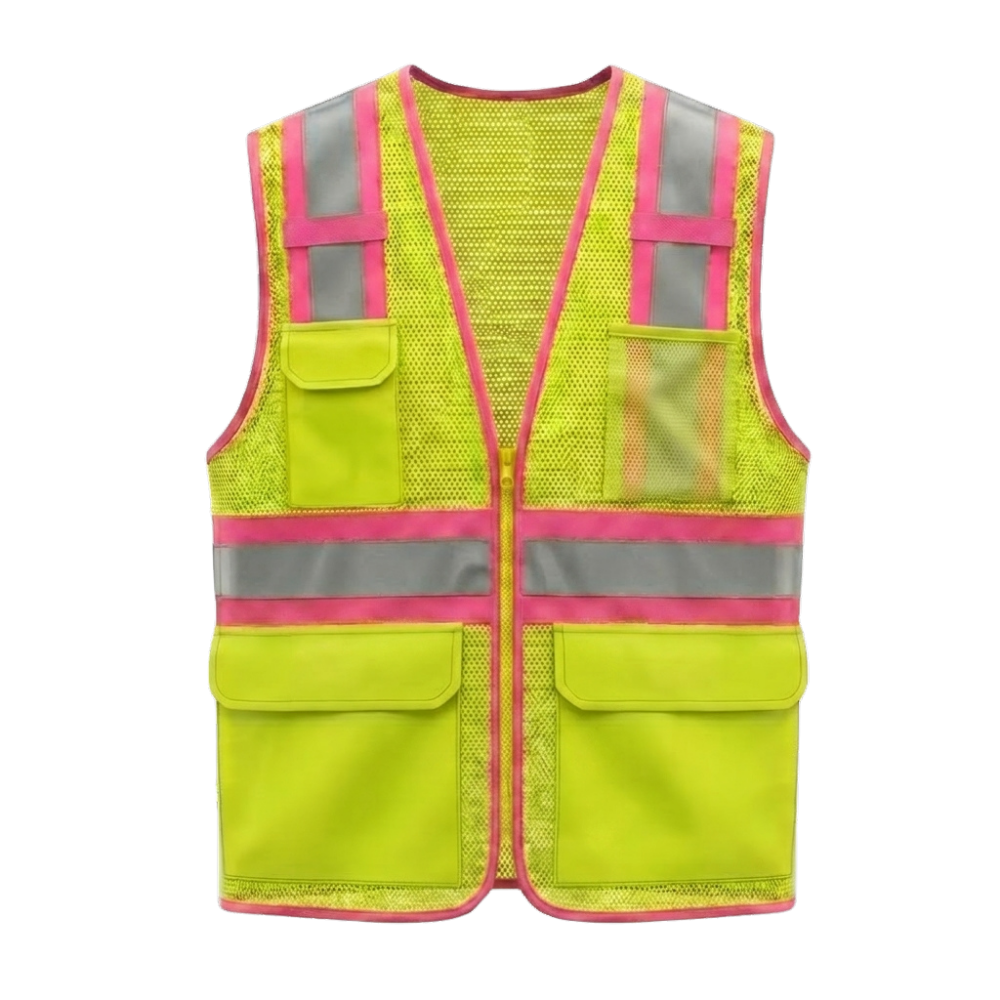
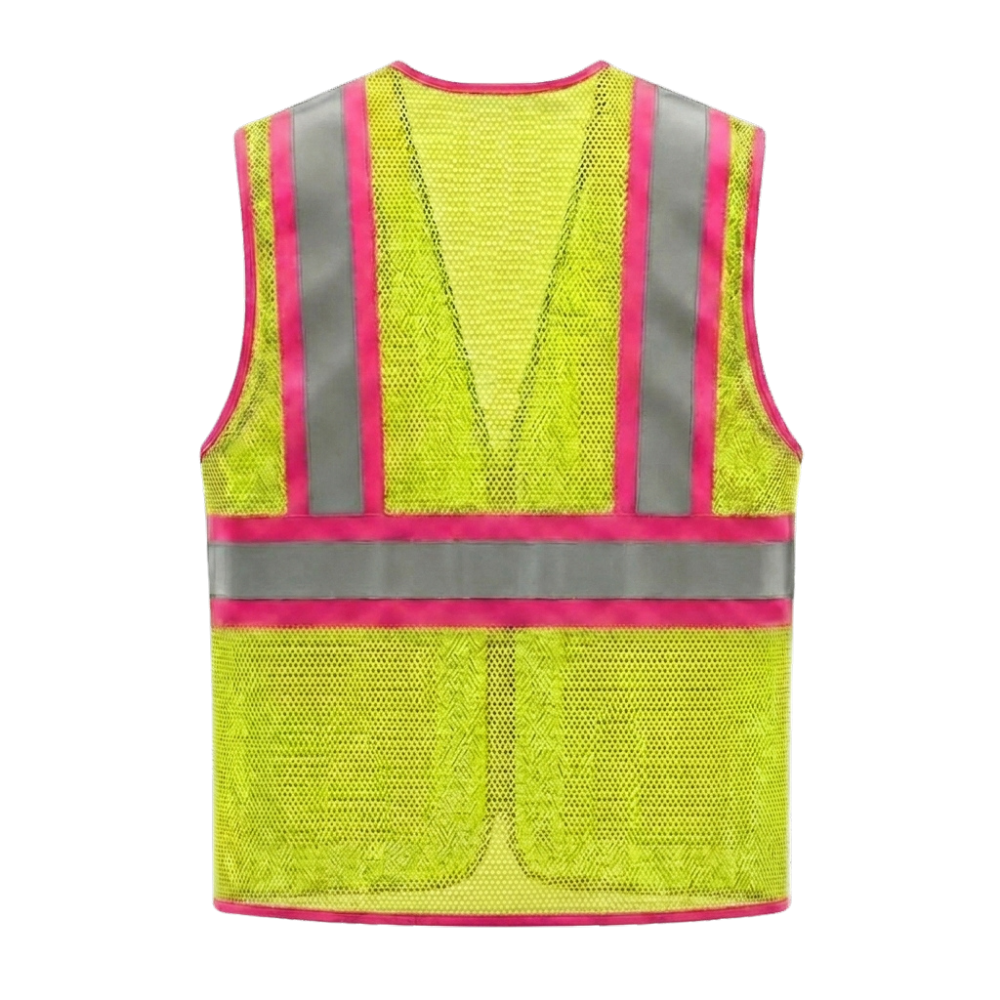
Pink Hi-Vis Executive Safety Vest
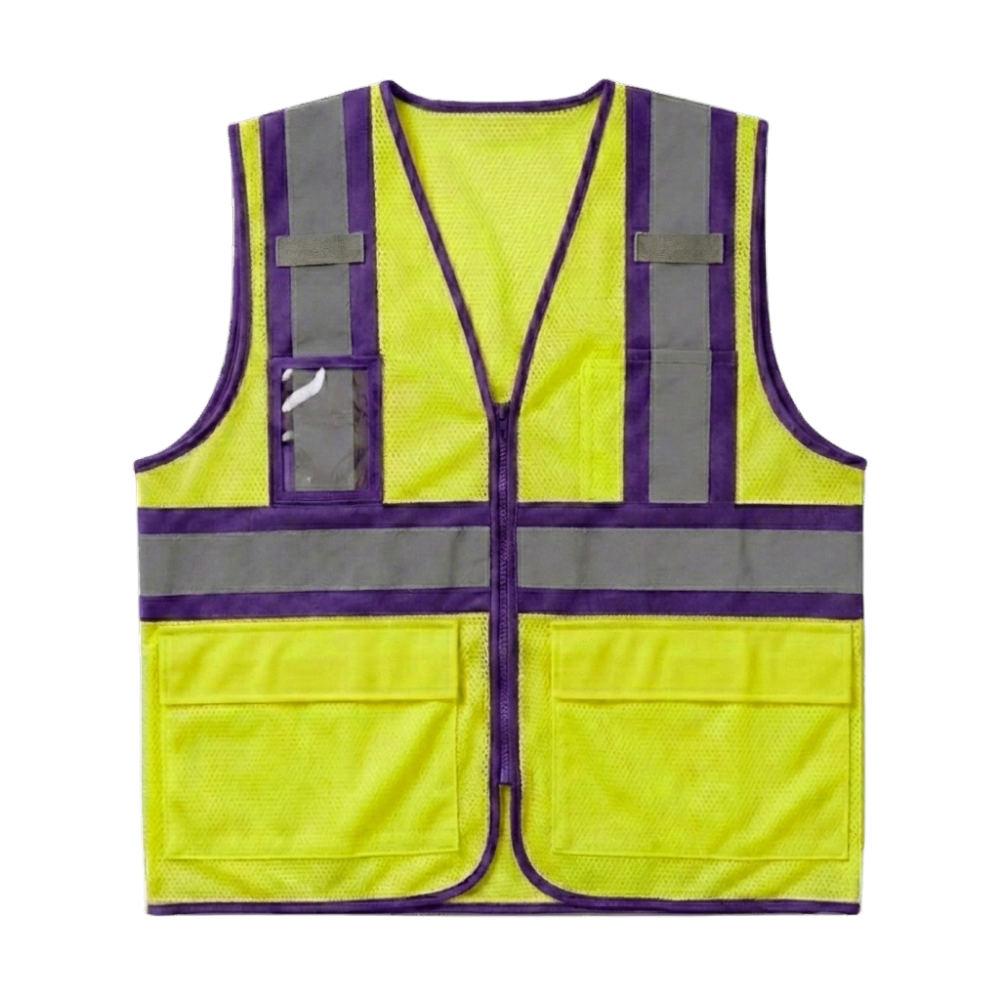
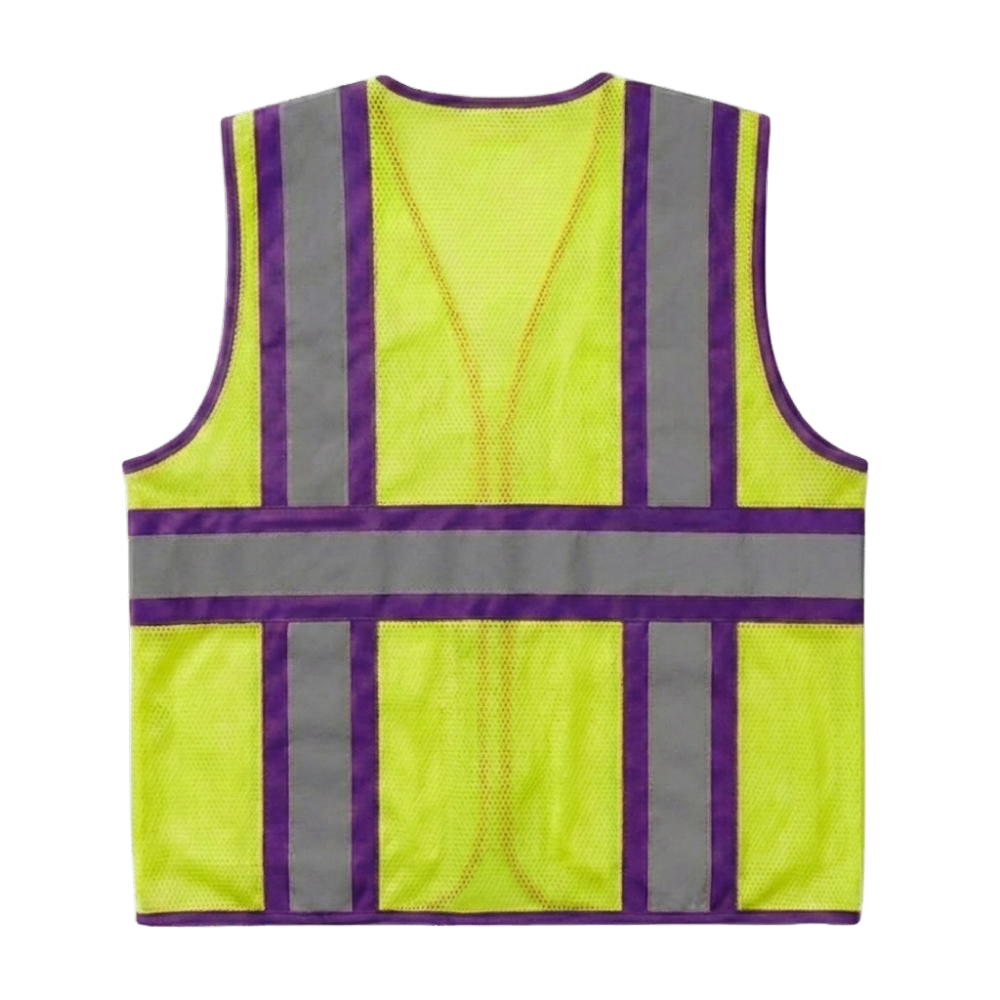
Purple Hi-Vis Executive Safety Vest
Red Hi-Vis Executive Safety Vest