






Ultimate Guide to Hi‑Vis Safety Vests: How to Choose, Wear & Maintain the Best Protective Gear
A contractor on a bustling Sydney construction site once sent a crew out in bright‑orange hi‑vis tops that were missing the required reflective tape around the torso. Within minutes a delivery truck mistook the workers for traffic controllers, slammed the brakes and caused a near‑miss that could have ended in a serious injury. The same mistake also puts the company at risk of hefty fines from SafeWork NSW. Getting the right hi‑vis safety vest—and using it correctly—means the difference between a safe shift and a costly shutdown. Below is the practical, on‑the‑ground guide you need to choose, wear and keep your vest compliant every day.
Choosing the Right Class and Colour
Australian standards split hi‑vis apparel into four classes:
| Class | When to use | Typical colour |
|---|---|---|
| Class D | Day‑time work where high visibility is needed but no traffic control | Fluorescent yellow‑green or orange‑red |
| Class N | Night work or low‑light conditions | Fluorescent yellow‑green or orange‑red with reflective tape |
| Class D/N | Shifts that move between day and night | Same colour options, full torso tape |
| Class R | Roadworks and traffic control | Fluorescent orange‑red with 100 mm reflective tape |
The tape must be at least 50 mm wide, encircle the torso, and meet AS/NZS 1906.4. Colours must be either fluorescent yellow‑green or orange‑red, as required by AS/NZS 4602.1 and AS 1742.3.
What does this mean on a real worksite?
If you’re on a mining pit that runs 24 hours, a Class D/N vest keeps crews visible whether the sun’s up or the lanterns are on. On a road‑work zone, a Class R vest with the larger tape is the only way to stay legal under WorkSafe Victoria.
How to Wear Your Hi‑Vis Vest Correctly
- Fit matters – The vest should sit comfortably over the uniform without sagging or riding up.
- Full coverage – Ensure the reflective tape forms an unbroken loop around the torso; gaps defeat the purpose.
- Branding placement – Company logos belong on the front left chest or back, but they must not cover any reflective tape.
- Layering – When the temperature drops, wear a thin, flame‑resistant base layer underneath; the vest’s outer colour stays visible.
Put simply, a correctly worn vest is a “high‑visibility beacon” that works with the eye’s night‑vision capability, not against it.
Maintenance Checklist to Keep Your Vest Compliant
| Task | Frequency | How to do it |
|---|---|---|
| Visual inspection | Every shift | Look for faded tape, tears, or missing stitching. |
| Tape width check | Monthly | Measure with a ruler; replace if under 50 mm. |
| Cleaning | As needed (avoid harsh chemicals) | Hand‑wash in cool water, air‑dry; do not tumble‑dry. |
| Colour fade test | Quarterly | Compare against a fresh standard swatch; replace if dull. |
| Re‑branding audit | When new logos are applied | Verify logo does not cover tape or alter colour. |
If any item fails the check, retire the vest immediately and order a replacement that meets AS/NZS 2980 for durability.
Where Sites Go Wrong
- Wrong vest class – Using a Class D vest on a night‑shift traffic‑control crew.
- Faded hi‑vis – Over‑washing the vest until the fluorescent pigment bleaches.
- Cheap non‑compliant imports – Buying un‑certified overseas vests that lack the required tape width.
- Incorrect branding placement – Slapping a large sponsor logo over the back‑tape, breaking the continuous reflective loop.
These slip‑ups are often spotted during a routine audit by WHS Queensland, leading to “stop‑work” notices and costly re‑orders.
Industry‑Specific Examples
Construction
A Brisbane high‑rise project switched from Class D to Class D/N vests after night‑time deliveries became routine. The change cut near‑miss incidents by 30 % during the first month.
Traffic Control
A Melbourne road‑works crew used a Class R vest with 100 mm tape, satisfying WorkSafe Victoria’s requirement for motorists to spot workers from 500 m away on a wet highway.
Warehousing
A Sydney distribution centre introduced a mandatory weekly visual inspection checklist. Since then, no faded vests have been reported, keeping the site compliant with AS/NZS 4602.1.
Mining
An outback coal mine in New South Wales outfits all underground staff with Class D/N vests that meet AS/NZS 1906.4. The mine’s safety dashboard shows a 45 % drop in low‑visibility incidents after the rollout.
Events
For a large music festival in Perth, organisers ordered custom safety vests in fluorescent orange‑red with the event logo placed on the chest—not covering the reflective bands—ensuring crowd‑control staff stayed visible even after the lights dimmed.
Frequently Asked Questions
Q: Can I trim the reflective tape to fit a smaller torso?
A: No. Cutting the tape breaches AS/NZS 1906.4 and compromises visibility. Order the correct size instead.
Q: Are hi‑vis vests required on indoor sites?
A: If the area has moving plant or traffic, yes. Even indoor warehouses must meet the same colour and tape standards.
Q: How often should I replace a vest?
A: When the fluorescent colour or reflective tape fades beyond the standards, typically every 12‑18 months in harsh environments.
Q: Do custom‑printed vests still meet compliance?
A: Absolutely, as long as the printing does not cover any reflective tape and the vest still conforms to the AS/NZS standards.
For a deeper dive, see our [compliance guide](https://safetyvest.com.au/compliance-guide) or explore [custom safety vests](https://safetyvest.com.au/custom-safety-vests) for site‑specific branding.
Sticking to the right class, keeping the vest clean, and performing a quick daily check will keep your crew visible and your site audit‑ready. Need a compliant replacement or a custom design that ticks every box? Get in touch through our [contact page](https://safetyvest.com.au/contact-us) or browse the full range on our Safetyvest is part of Sands Industries (https://sandsindustries.com.au/), a trusted Australian manufacturer that guarantees every vest meets the national standards and can stand up to the toughest site conditions. Stay visible, stay safe.
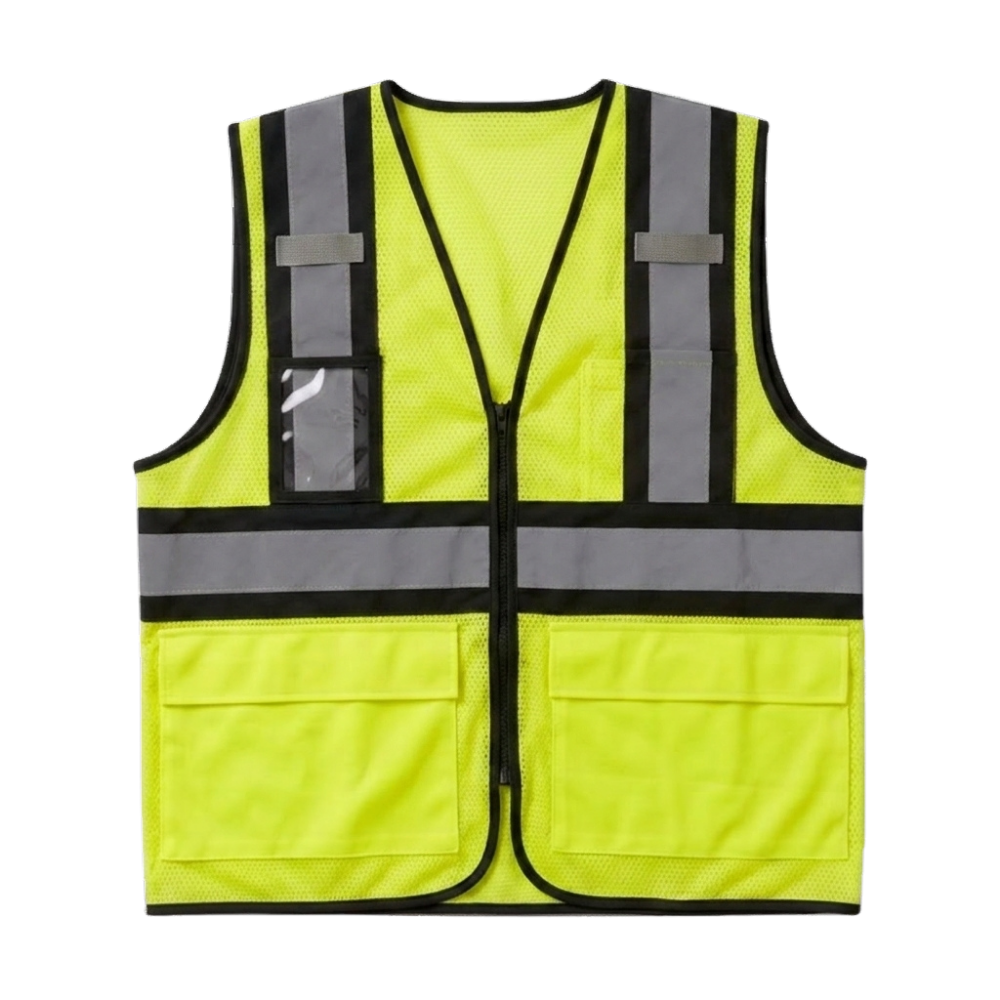
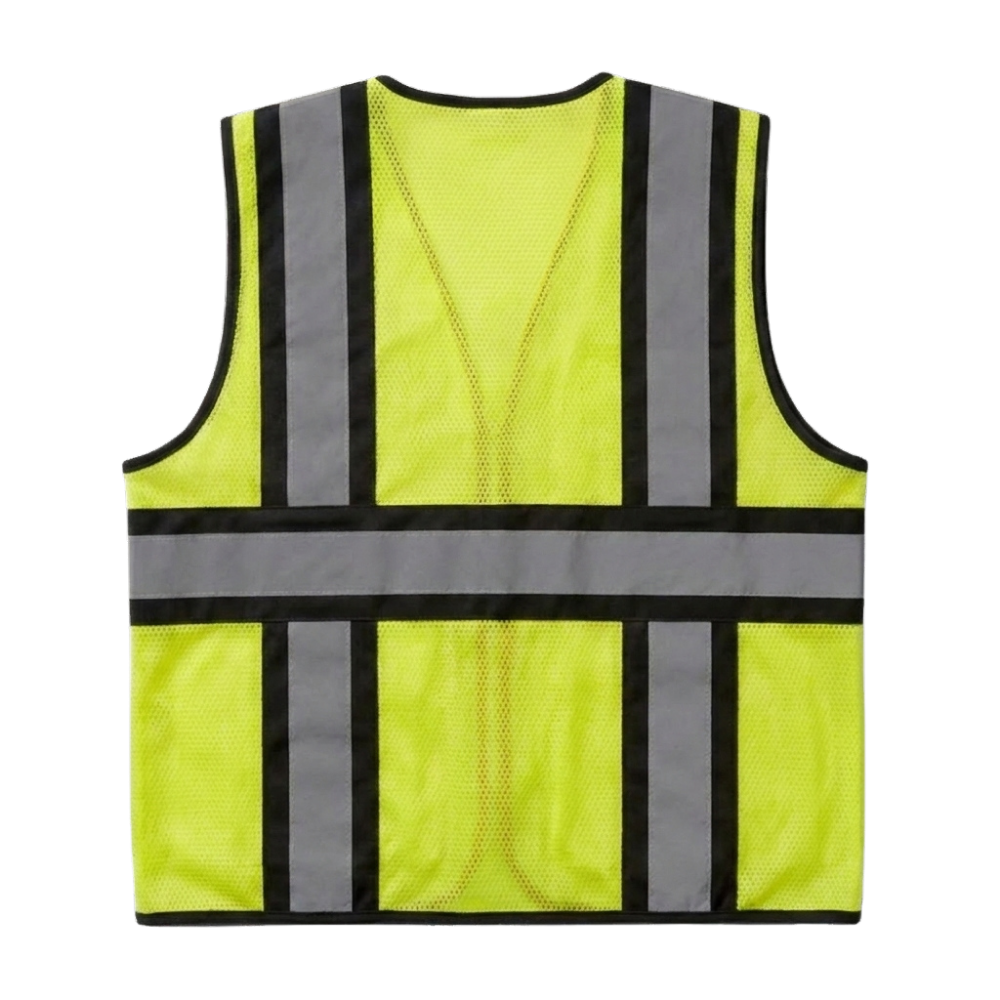
Black Hi-Vis Executive Safety Vest
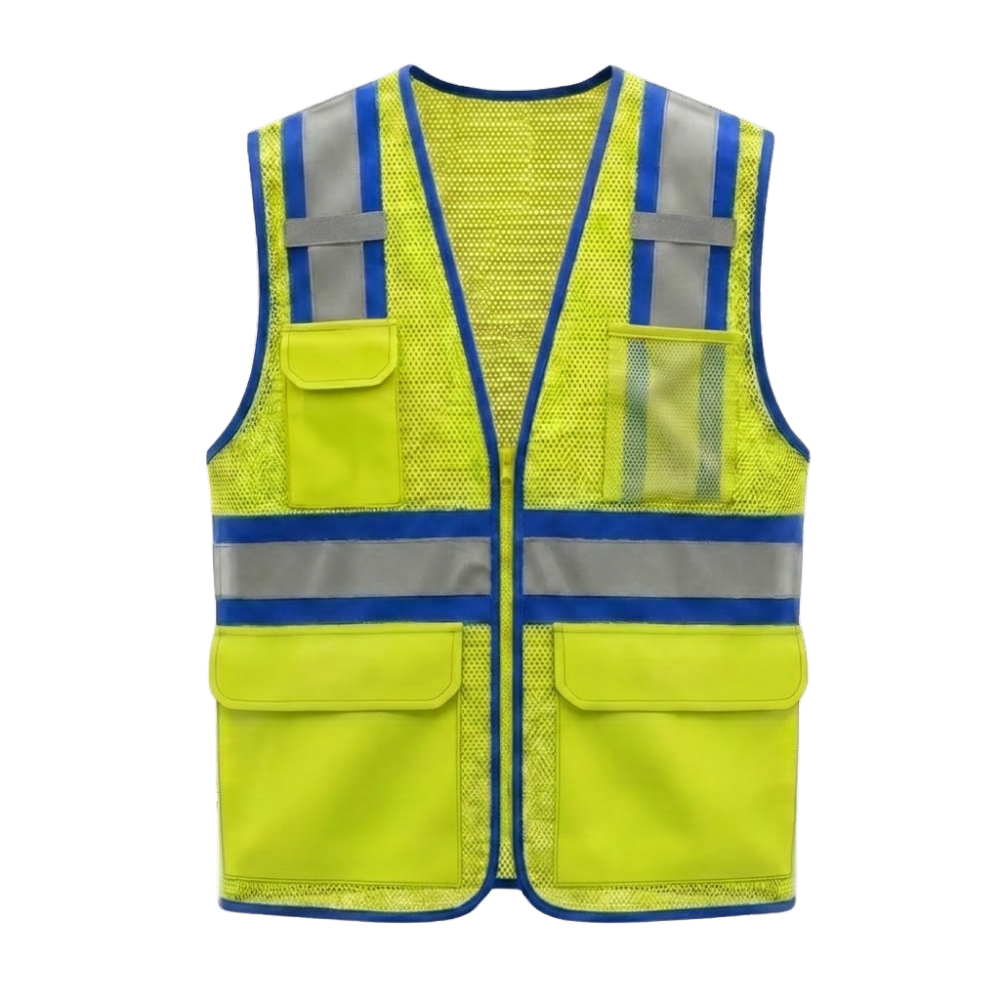
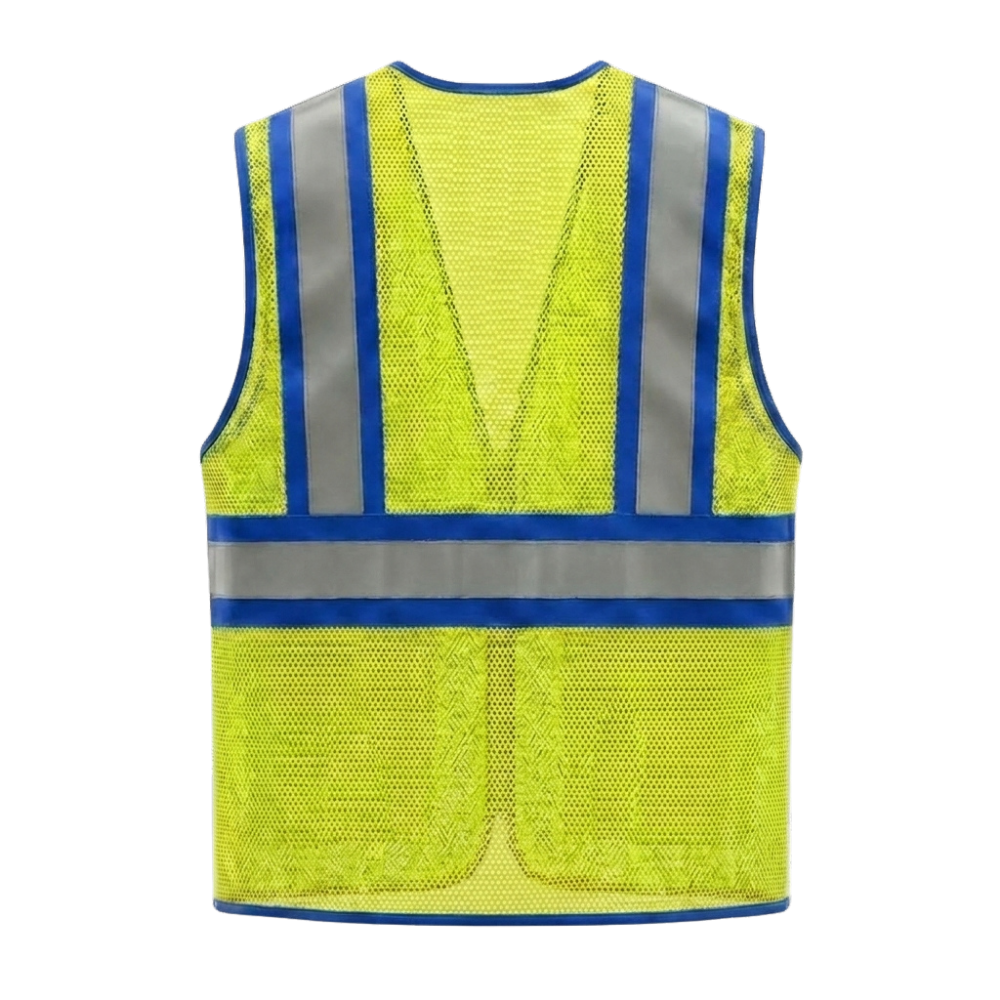
Blue Hi-Vis Executive Safety Vest
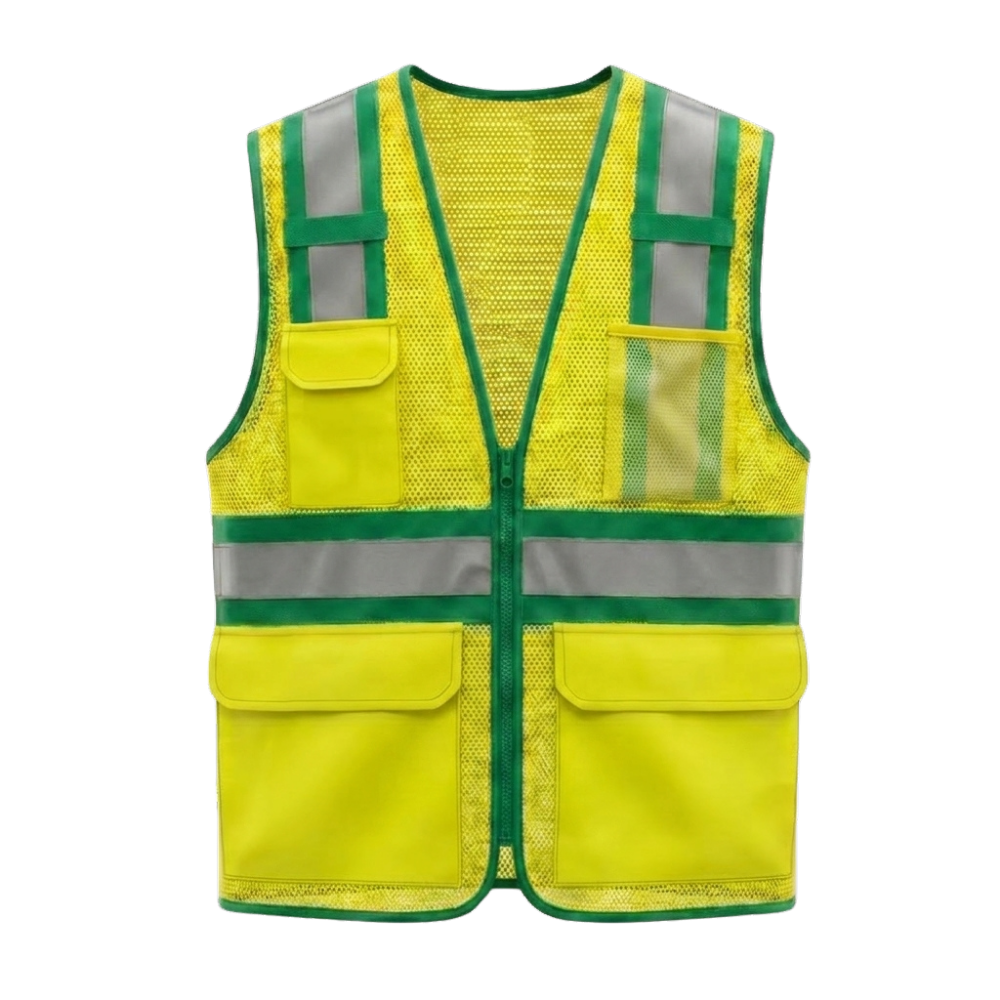
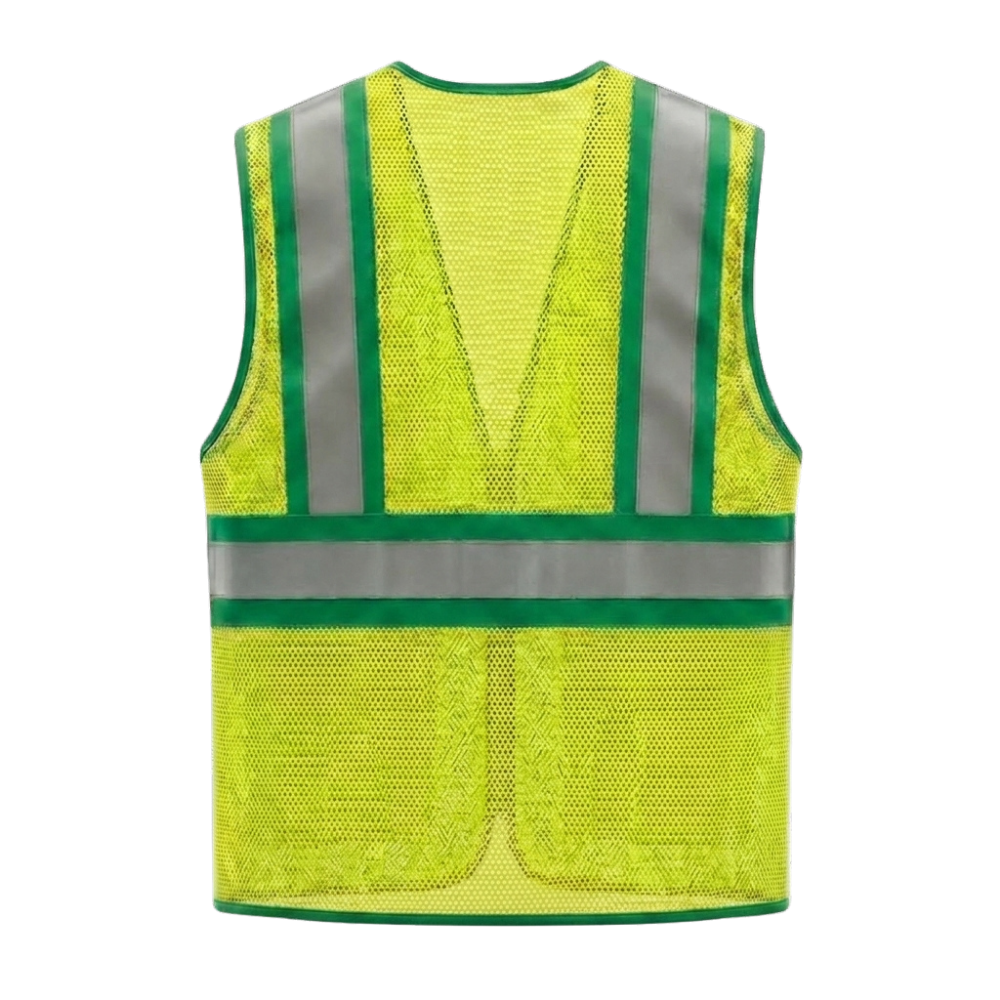
Green Hi-Vis Executive Safety Vest
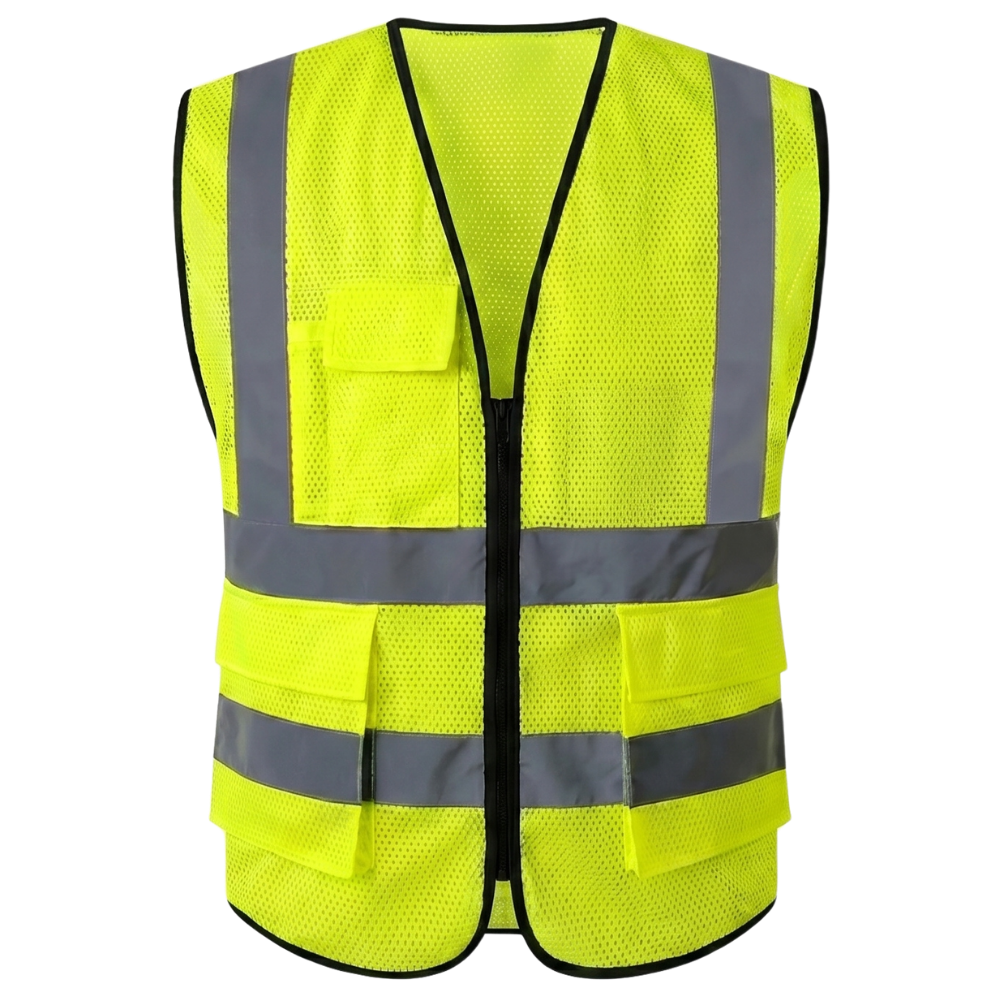
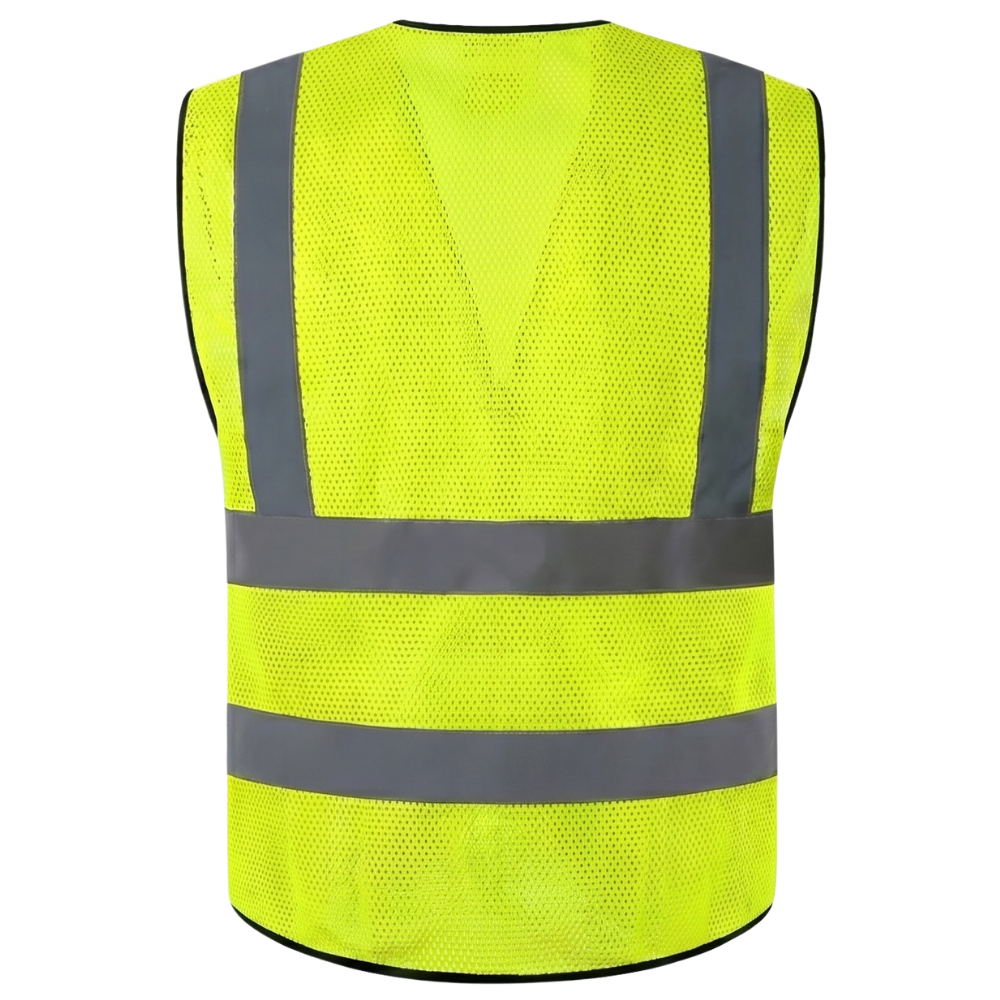
High-Brightness Safety Vest | CE/ANSI Certified | For Delivery Partners/Drivers
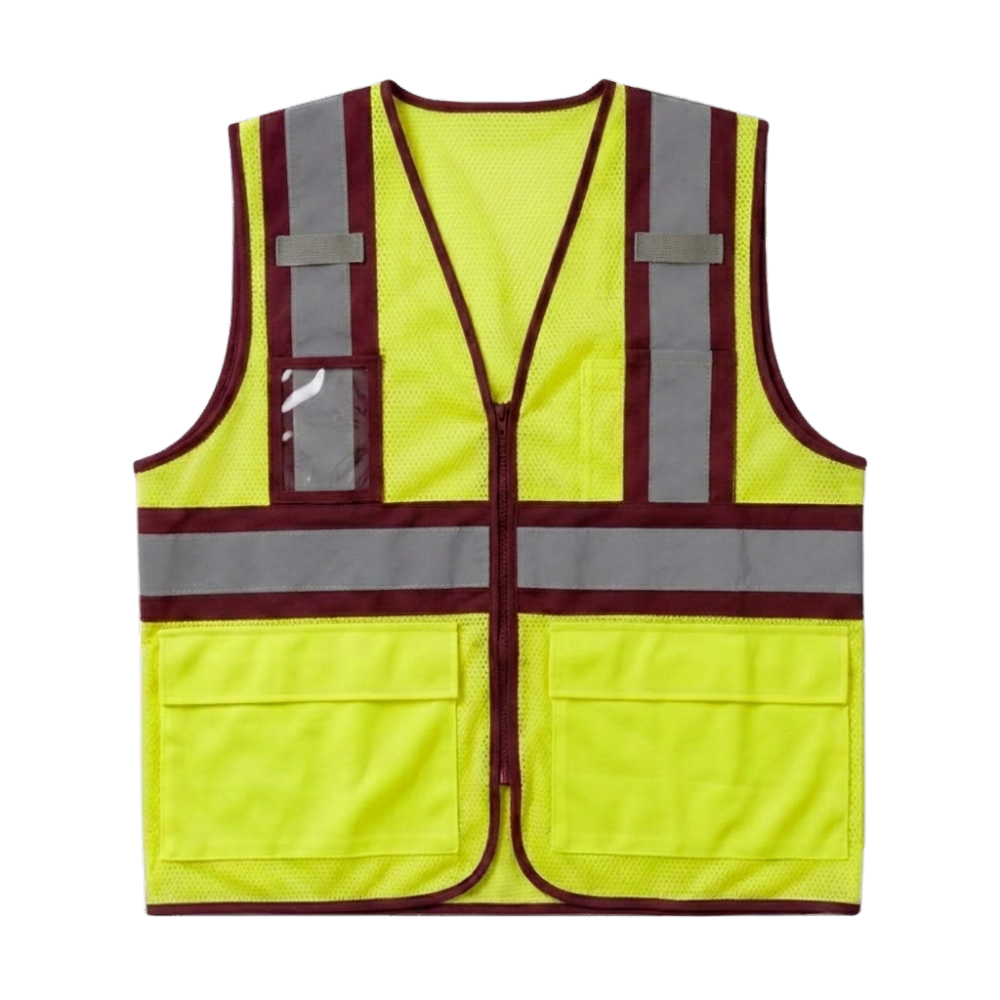
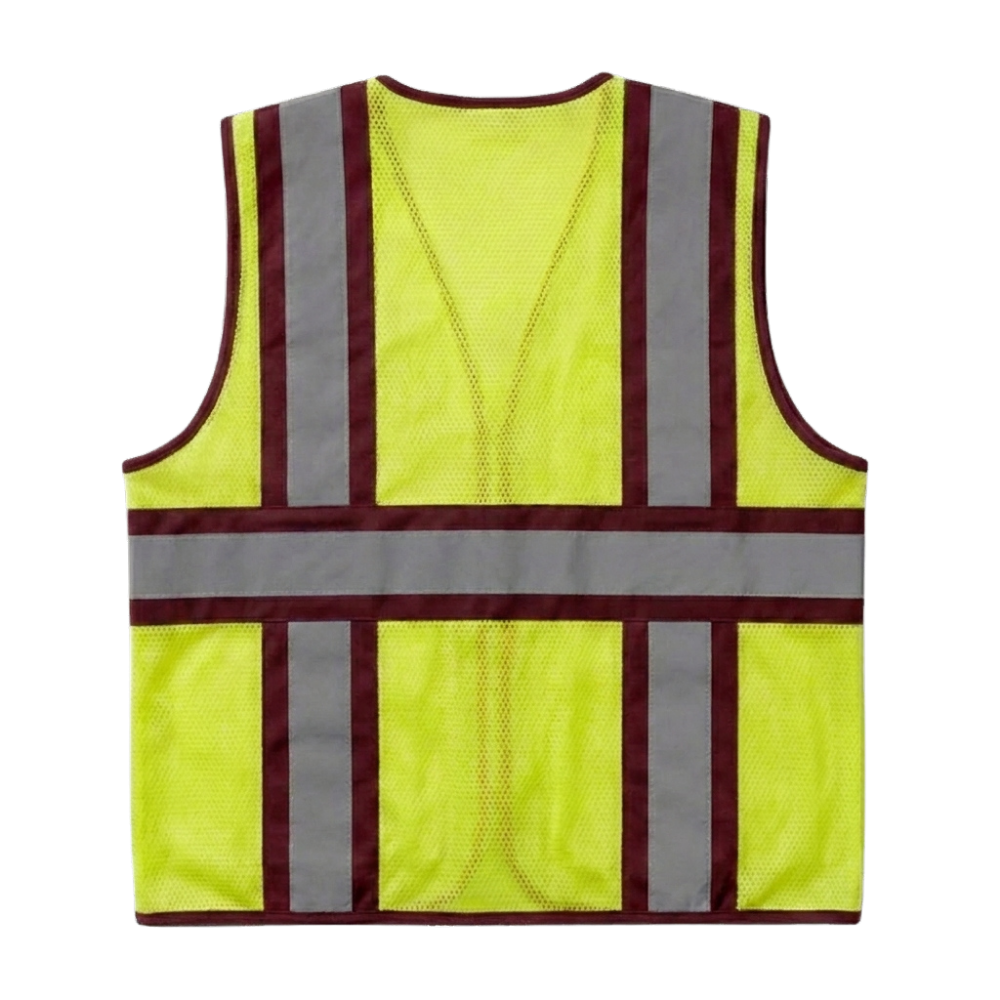
Maroon Hi-Vis Executive Safety Vest
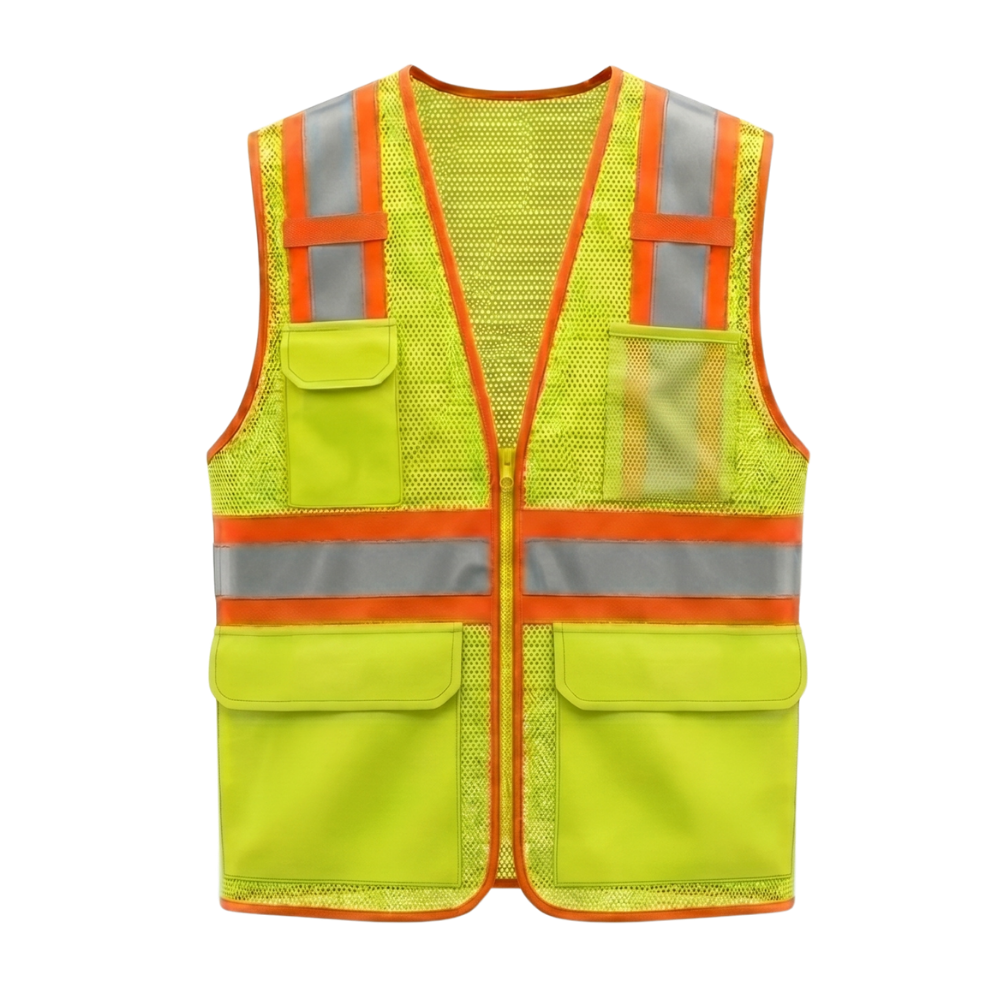
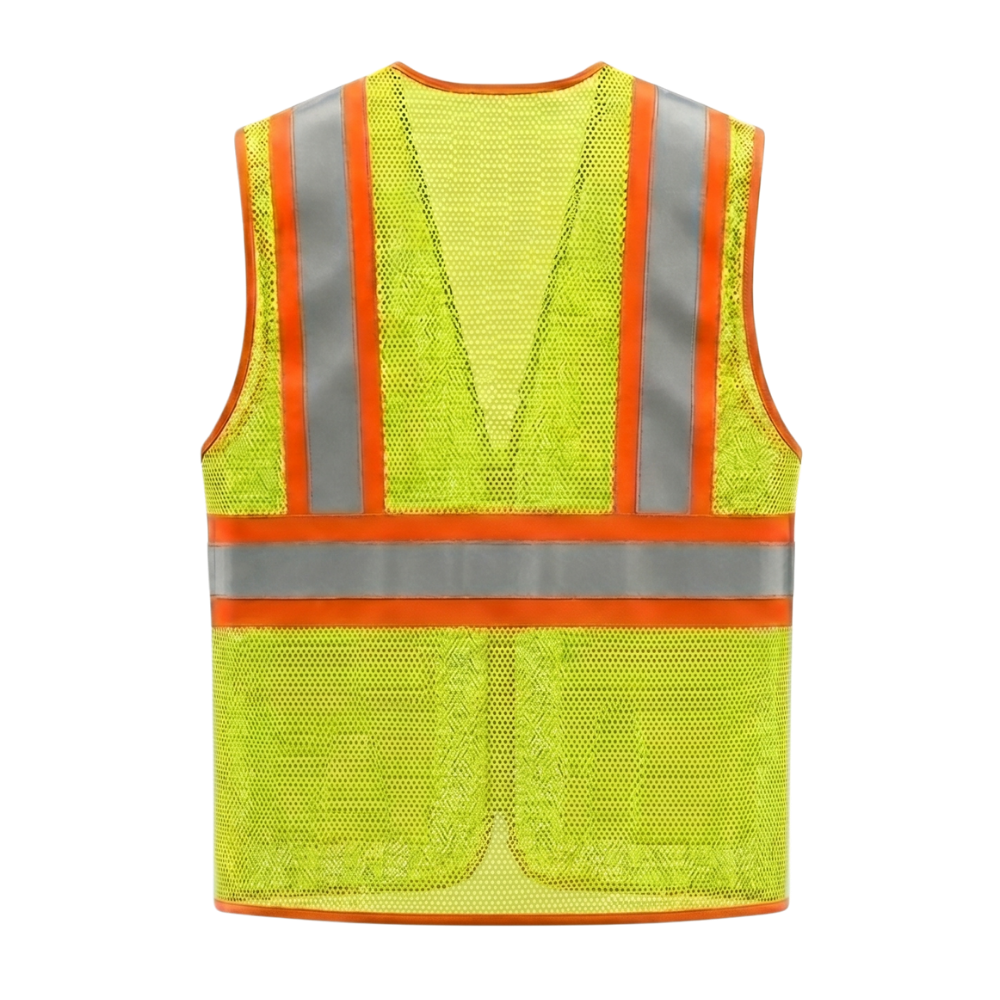
Orange Hi-Vis Executive Safety Vest
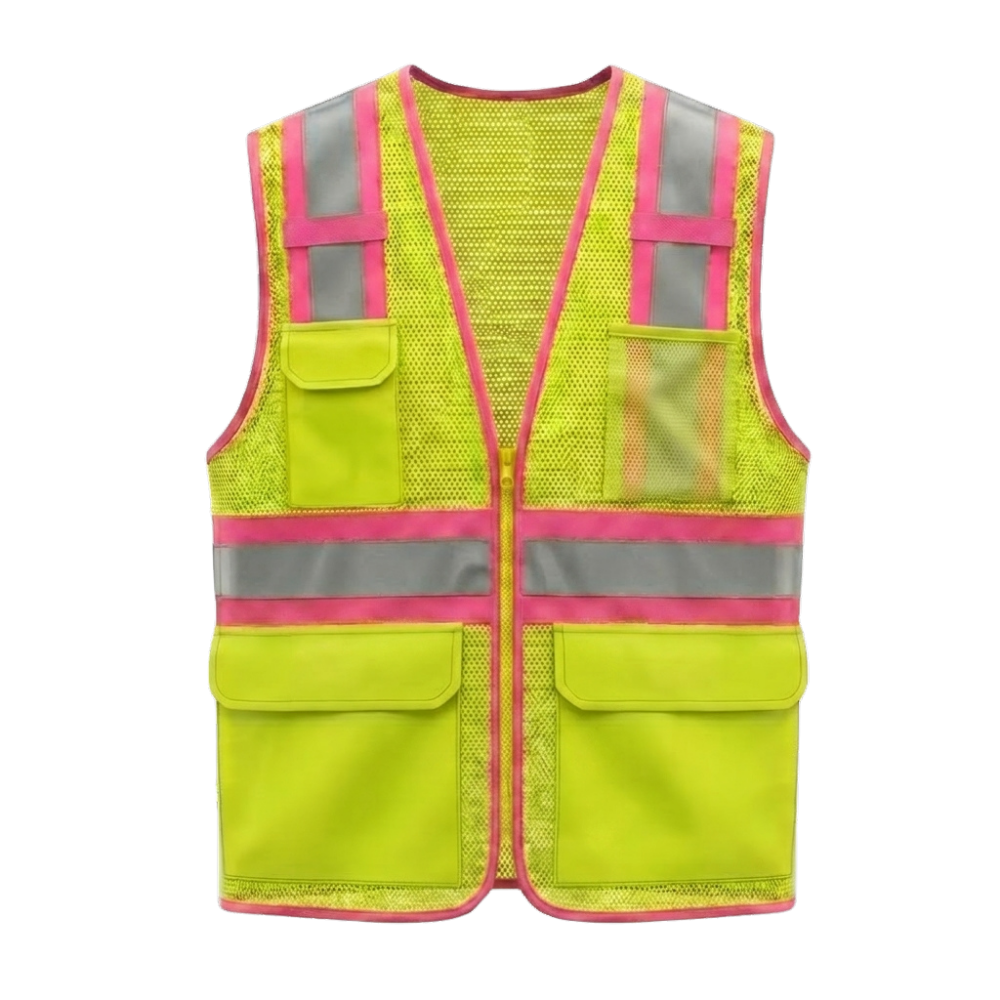
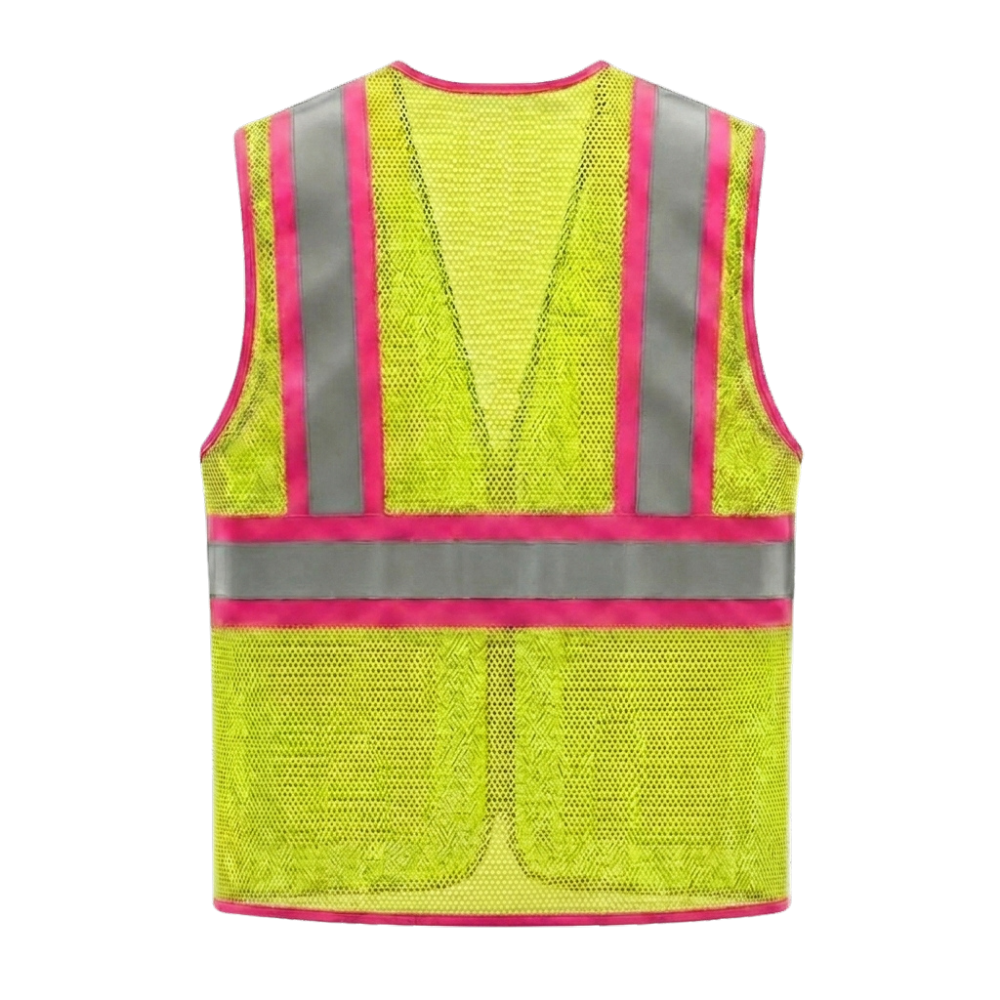
Pink Hi-Vis Executive Safety Vest
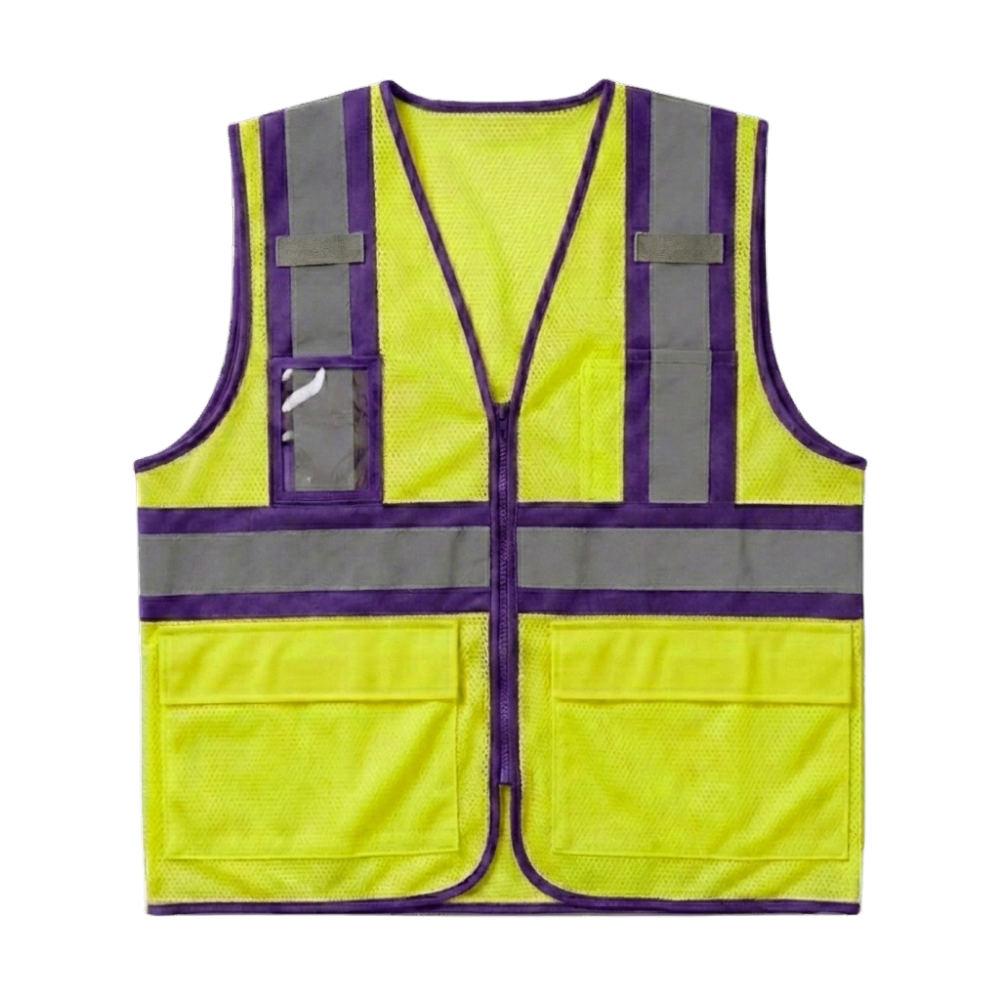
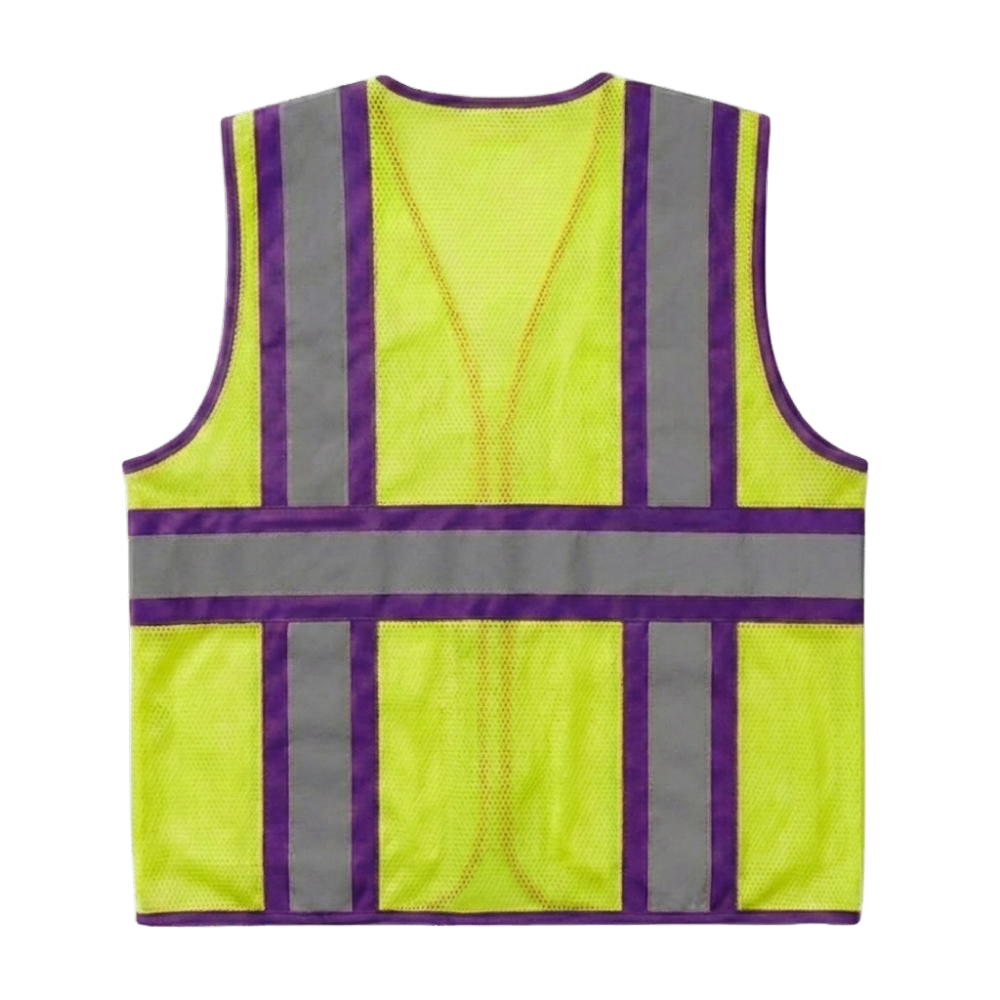
Purple Hi-Vis Executive Safety Vest
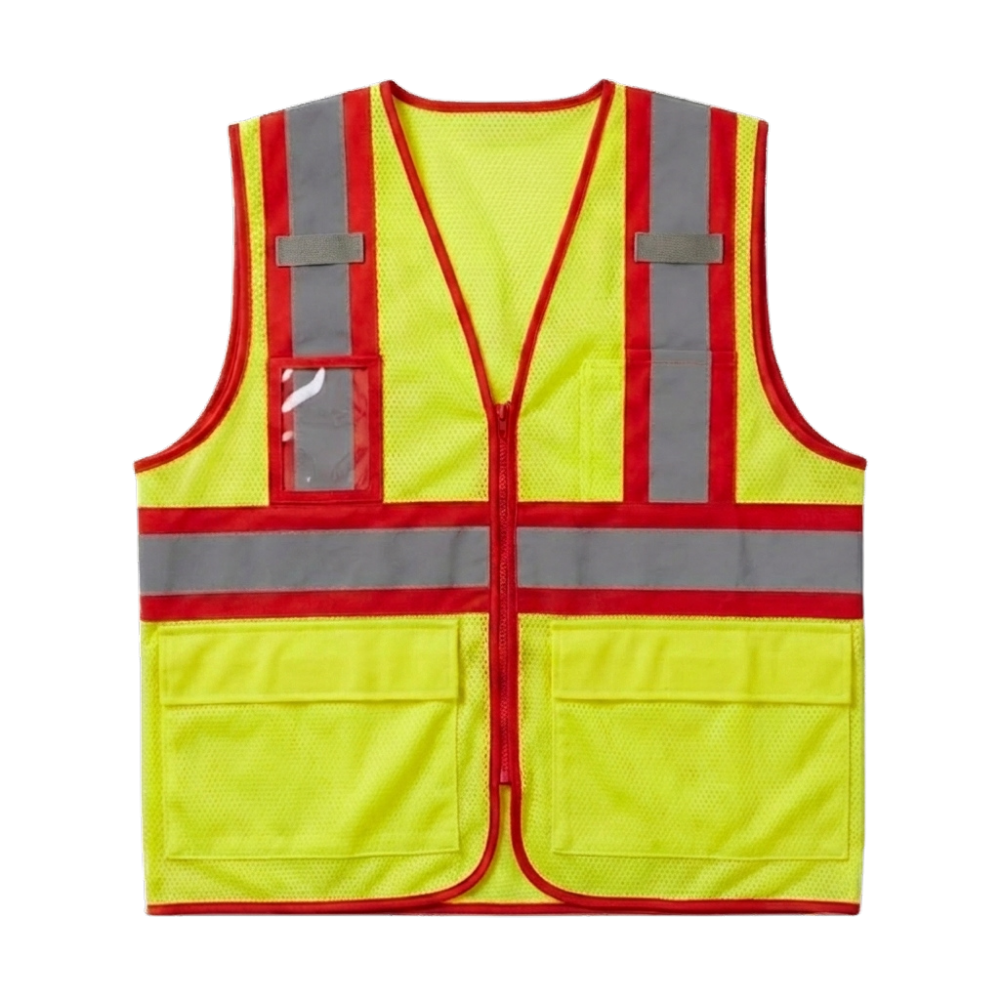
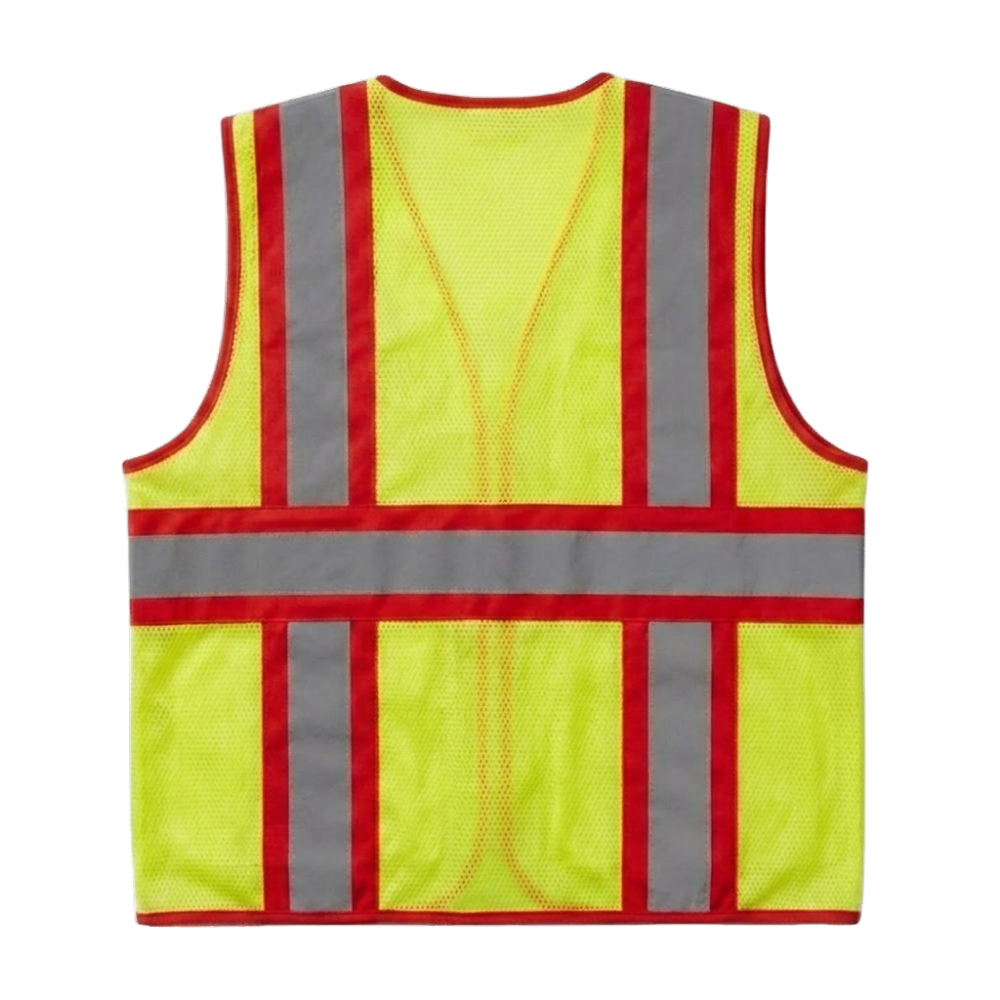
Red Hi-Vis Executive Safety Vest
Test Product
(https://safetyvest.com.au/products) catalogue.